Penguins are flightless birds adapted to cold environments, best known for living in the frigid tundra of Antarctica. But where exactly do they live? Of the 18 species of penguins in the world, only two live on Antarctica, the southernmost continent.
Penguins inhabit every continent in the Southern Hemisphere, from Australia to Africa. They can be found on the coasts of South America as well as on remote rocky islands. The northernmost penguin species is the Galapagos penguin, which lives in the Galapagos Islands near the equator. The southernmost penguin species is the Adélie penguin colony, which nests near Cape Royz in Antarctica.
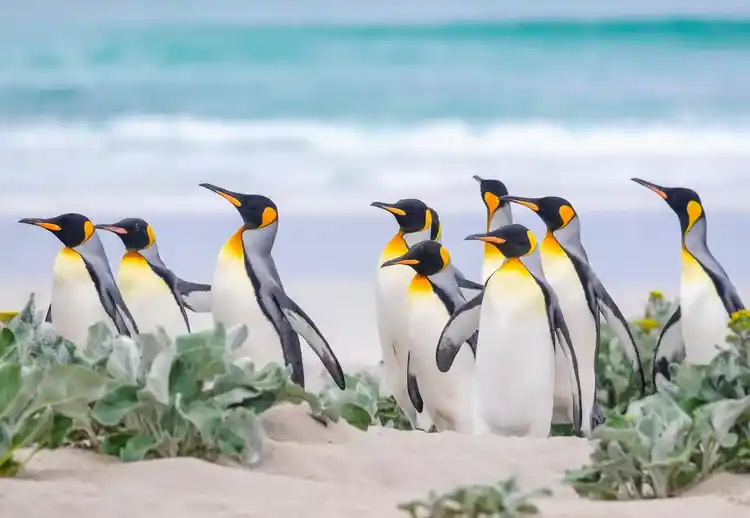
From New Zealand to South Georgia Island, there are 10 wild penguin habitats.
1. Antarctica
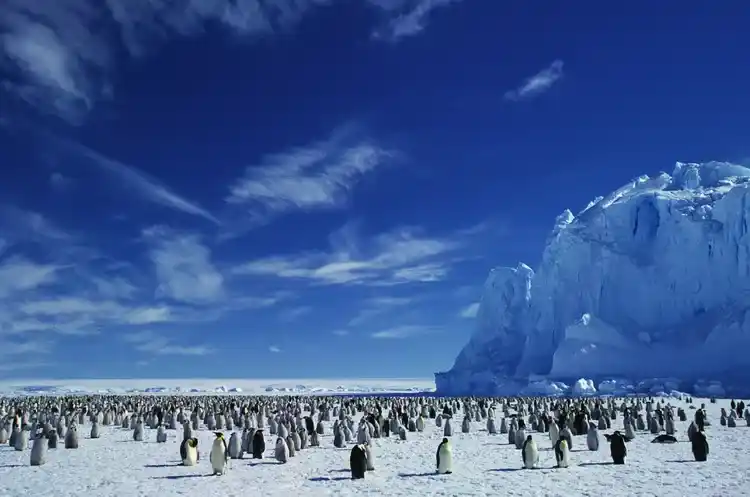
Antarctica is an extreme land. It is the southernmost continent, mostly uninhabited and almost entirely covered in ice and snow. It is also the highest, driest, and coldest continent, and home to the largest penguin population, with millions of breeding pairs. However, only Emperor penguins and Adelie penguins make Antarctica their permanent habitat. Chinstrap penguins, Macaroni penguins, and Gentoo penguins spend some time on the Antarctic Peninsula, but breed on the northern Antarctic and sub-Antarctic islands.
Despite the extreme cold of Antarctic winters, emperor penguins breed and lay their eggs on the sea ice during the winter. Male penguins incubate the eggs under these harsh conditions, and they may stop eating for up to four months while raising their young.
2. Australia
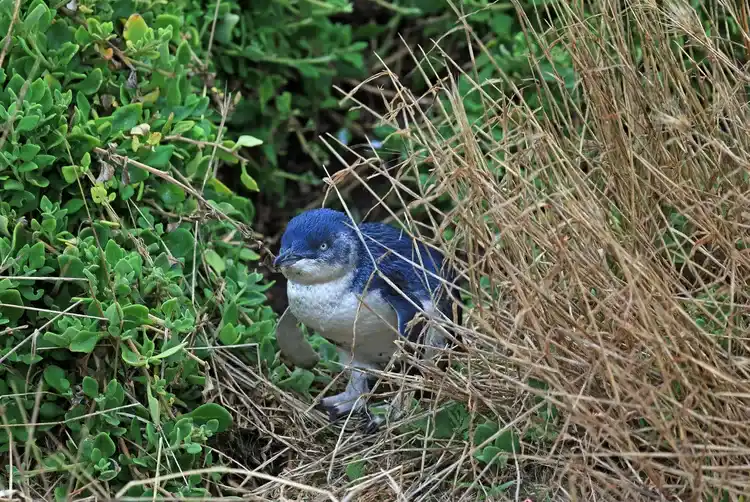
Although Antarctica is now considered the home of penguins, research published in 2020 suggests that the ancestors of ancient penguins originated in Australia and New Zealand. Today, only the smallest penguin—the Little Penguin (also known as the Fairy Penguin)—remains in Australia. While Australia is generally known for its hot, dry climate, its southern coast boasts cool waters and a mild climate, ideal for the Little Penguin's breeding and reproduction. They live along the coast of the Australian mainland, but the largest populations are found on outlying islands such as Phillip Island, where approximately 40,000 penguins reside.
3. Argentina
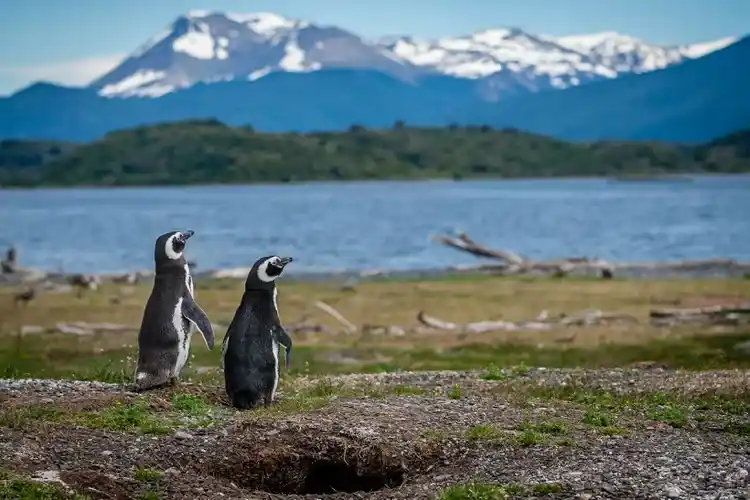
Argentina is a country in South America, occupying most of the southern part of the continent. Its vast coastline and cold South Pacific waters support a large population of Magellanic penguins, medium-sized birds with white stripes on their heads and chests. The Punta Tumbó Reserve on the Atlantic coast of Chubut province is home to over 200,000 breeding penguins. Although the overall penguin population is believed to be declining, a new population was discovered in 2020 on a remote Argentine island.
4. Falkland Islands
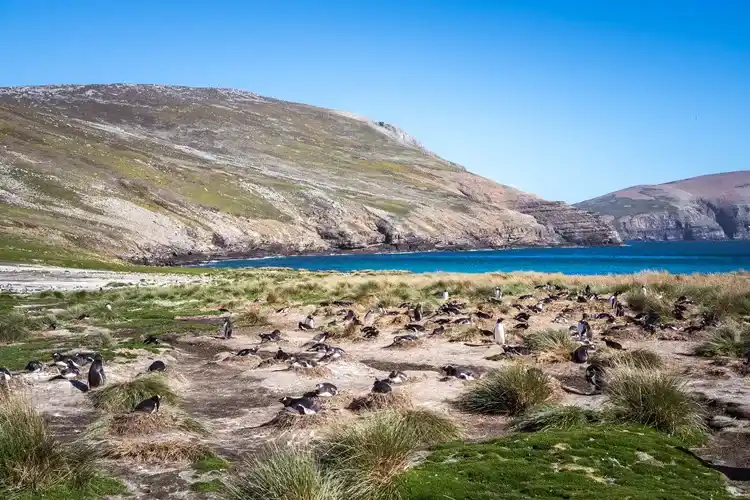
The Falkland Islands are a remote archipelago in the South Atlantic Ocean, located about 300 miles east of Patagonia, South America. This rugged, sandy, and cliff-lined archipelago is home to only 3,500 people, but it is a veritable penguin capital. The islands are home to five species of penguins: Magellanic penguins, rockhopper penguins, Gentoo penguins, King penguins, and Macaroni penguins, with a total population approaching one million. These islands are home to the world's largest Gentoo penguin population (the origin of the term "Genttoo penguin" is quite peculiar—it was first used by 16th-century Portuguese merchants to refer to the indigenous people of India, and later perhaps became a common name for these penguins because of the turban-like markings on their heads).
These penguins nest three miles from the shore, creating a "penguin highway" as they travel to and from the ocean to forage. While global penguin populations are declining, the Gentoo penguin population in the Falkland Islands has increased dramatically over the past 25 years.
5. Galapagos Islands
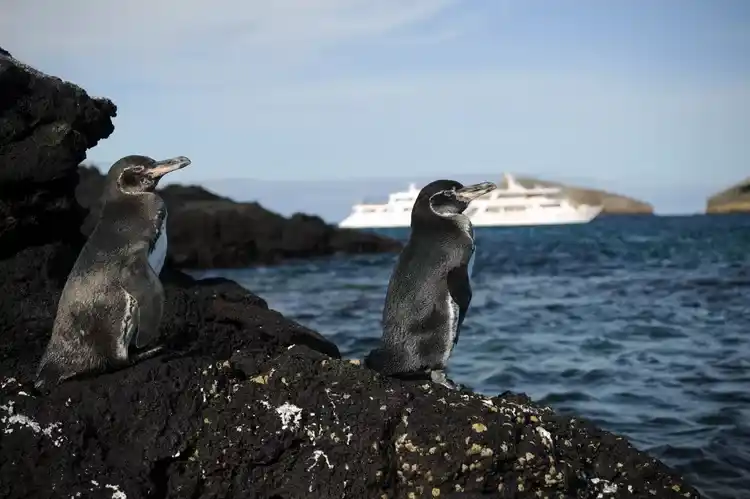
The Galapagos Islands are a series of volcanic islands off the coast of Ecuador in the Pacific Ocean. They are home to the Galapagos penguin. These islands straddle the equator, making them the only species living in the Northern Hemisphere. These small penguins can reach 20 inches (about 51 cm) in height and can climb into caves and crevices along the rocky coastline to escape the tropical heat of the land. The Humboldt Current, flowing from Antarctica along the west coast of South America, brings cool waters and schools of fish, providing ample food for the penguins even at the northern latitudes. With only about 600 breeding pairs remaining in the wild, the Galapagos penguin is considered an endangered species.
6. Tristan da Cunha

Tristan da Cunha is a small chain of extinct volcanic islands in the South Atlantic Ocean. Located more than 1,000 miles from its nearest continental neighbors, South America and Africa, it is one of the most remote island chains in the world. Despite their small size, these islands are important nesting grounds for Northern Rockhopper penguins. Inaccessible Island alone, with an area of only 5 square miles, is home to 27,000 penguins.
These figures mark a dramatic decline in bird populations since the 1950s, when some South Atlantic islands boasted over a million birds. The species is now endangered, and researchers believe its decline is primarily due to rising sea temperatures and a decrease in prey.
7. New Zealand
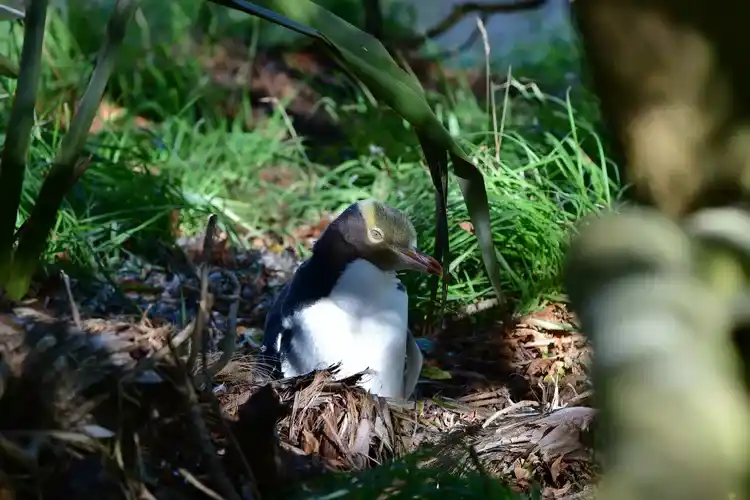
Although New Zealand is known for its tropical climate, it is actually home to four penguin species that thrive in the cold currents of the Southern Ocean—the Little Penguin, Snells Penguin, Yellow-eyed Penguin, and Fiordland Crested Penguin. These penguins are distributed along most of the coastline of New Zealand's South Island, as well as some smaller islands further south. The endangered Yellow-eyed Penguin is New Zealand's largest and rarest penguin species, with an estimated adult population of up to 3,000. Only the Galapagos Penguin has a smaller population than the Yellow-eyed Penguin.
8. South Africa
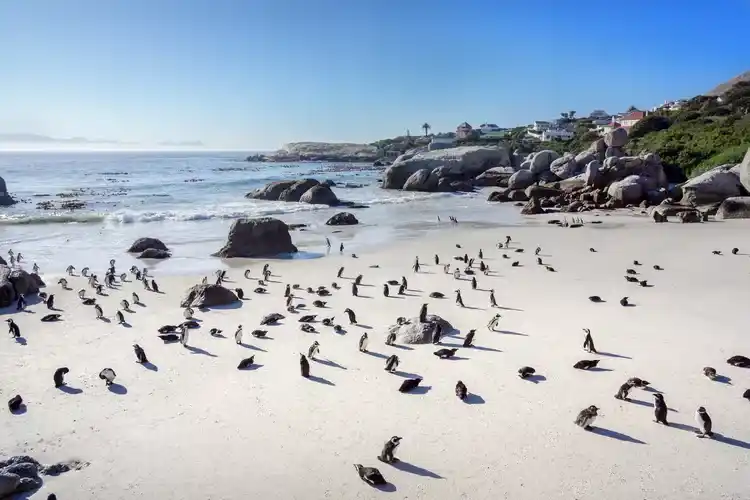
South Africa has only recently become a habitat for penguins. For most of history, African penguins lived on islands along the southern African coastline, from Angola to Mozambique. However, in 1980, two penguin colonies were established on a mainland beach near Cape Town. Researchers have found that these mainland penguin colonies are thriving today because a growing population has driven away predators that would otherwise have destroyed them. However, since the 1920s, African penguin numbers have declined rapidly throughout their range, and they are now considered an endangered species.
9. Boonty Island and Antipodes Island
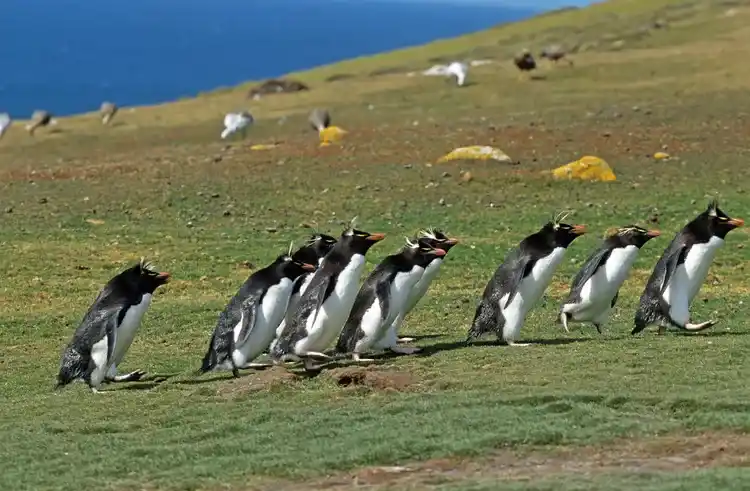
Boonty and Antipodes are two remote island chains deep in the South Pacific, more than 400 miles southeast of New Zealand. These uninhabited, steep, rocky islets are the sole breeding ground for upright-crested penguins. These penguins are among the least studied species, and little is known about their migration patterns. They are observed to arrive at the islands in September, where they breed and raise their chicks until February of the following year. Afterward, they return to the sea, not reappearing on land until September of the following year.
10. South Georgia and the South Sandwich Islands
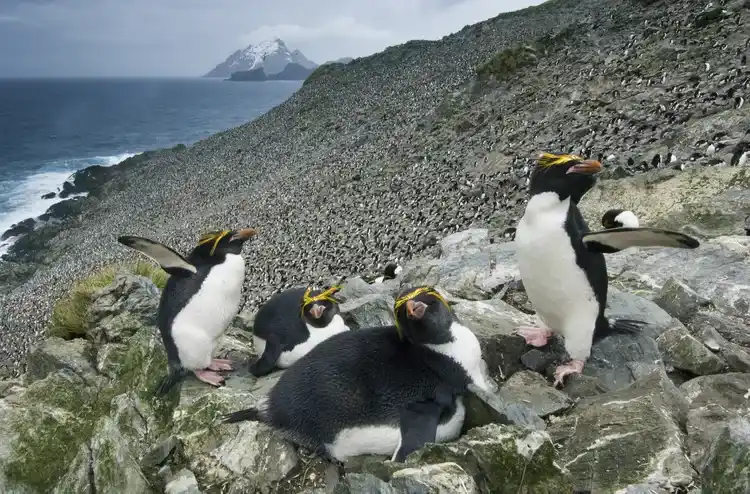
South Georgia and the South Sandwich Islands are a chain of steep, mountainous islands in the South Atlantic Ocean, uninhabited by any inhabitants. In the early 20th century, they served as outposts for whaling ships, but these are no longer present. Today, the islands are renowned as breeding grounds for large penguins, including Macaroni, King, and Chinstrap penguins.
Macaroni penguins are one of six species of crested penguins, named for the yellow feathers extending above their eyes that resemble macaroni. They live in large, dense breeding colonies, numbering over 100,000.
Frequently Asked Questions
Do penguins live in Alaska?Given the Arctic landscape and cold climate, many people assume that penguins live in Alaska. However, this is not the case. While a few stray penguins have accidentally wandered to the far north, penguins are not native to Alaska.
Penguins themselves do not live on icebergs, but some penguins, such as the Adelie penguin, rely on ice floes for foraging, migration, and resting. Unlike icebergs, which are deep structures formed by glacial calving, ice floes are flat, frozen sea ice.