Spain, with its unique geographical location and diverse climate, is considered one of the most biodiverse countries in Europe. It boasts over 200,000 square kilometers of nature reserves , nurturing countless flora and fauna, many of which are unique to the world. These species are not only an important part of Spain's ecosystem but also a significant treasure of the World Natural Heritage.
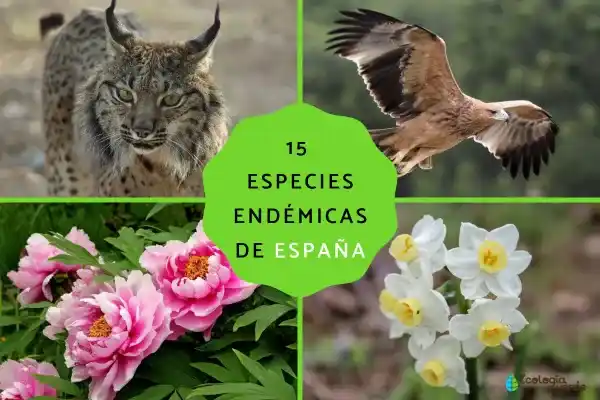
In this article, we will introduce 15 animals and plants unique to Spain to help you gain a more comprehensive understanding of the country's unique biological resources.
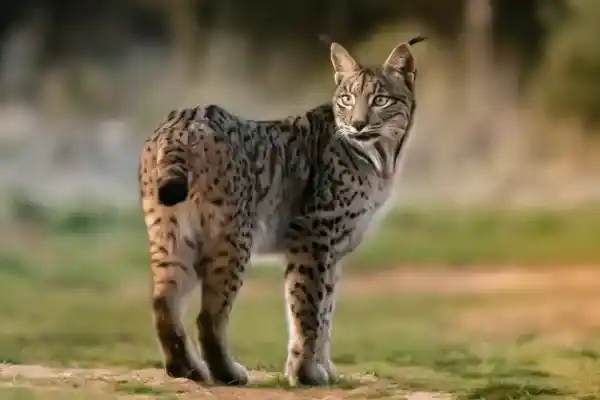
Iberian lynx (Lynx pardinus)
The Iberian lynx is one of Spain's most iconic endemic species and also one of the world's most endangered felines. They are mainly found in the Toledo and Morena mountains , with a particularly large population in Dognana National Park .
Currently, there are approximately 600 individuals remaining in the wild. Although the number is still small, the population has shown a recovery trend in recent years thanks to conservation projects.
feature:
A medium-sized feline with black tufts of hair on its ears.
There are noticeable long hairs on both sides of the face.
They primarily feed on rabbits, but also prey on birds.
Due to its critically endangered status, the Spanish government and environmental organizations have implemented a long-term conservation and breeding program, gradually making it one of the world's most successful cases of endangered animal conservation.
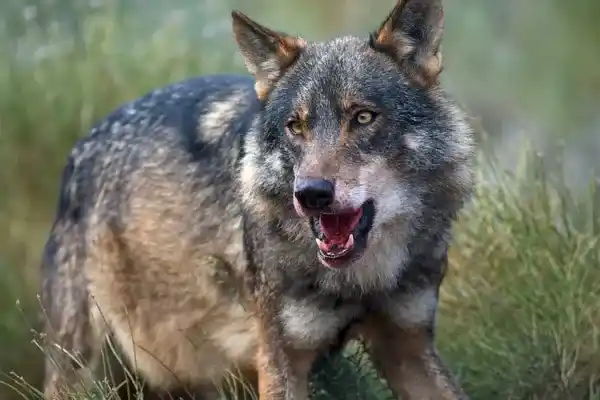
Iberian wolf (Canis lupus signatus)
The Iberian wolf is a subspecies of the gray wolf that once roamed the entire Iberian Peninsula, but now exists only in northern Spain , north of the Douro River .
Characteristics and current situation:
A medium-sized carnivore that primarily preys on large mammals such as deer, roe deer, and wild boar.
Known for their high intelligence and excellent group hunting skills.
Their numbers have plummeted due to long-term persecution by herders and hunters.
The Iberian wolf is now listed as a threatened species, and its survival depends on strict conservation policies and a shift in human attitudes.
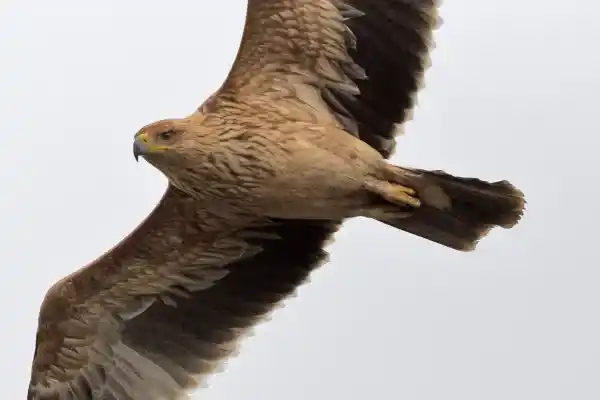
Iberian Imperial Eagle (Aquila adalberti)
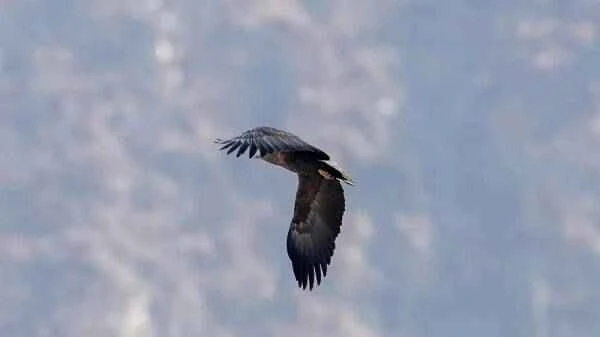
The Iberian Imperial Eagle is one of the birds of prey endemic to Spain. It was once endangered, but thanks to ongoing conservation and breeding programs, its numbers have gradually recovered.
Features:
Unlike other eagles, they do not migrate, but instead settle in fixed areas and actively defend their territory.
They are mainly distributed in Andalusia .
Their diet consists mainly of rabbits, but they also prey on foxes, rodents, and even scavengers.
It is a model of successful conservation projects, demonstrating the power of scientific intervention and social awareness of conservation.
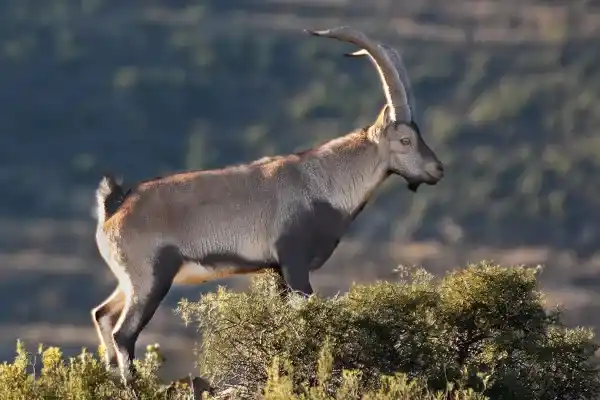
Iberian wild goat (Capra pyrenaica)
Also known as the Iberian ibex, it mainly inhabits the rocky mountains of southeastern Spain.
Adaptability:
With strong limbs and hooves, it can easily climb steep rock walls.
Herbivorous animals whose diet includes grass, leaves, and shrubs.
Their populations are declining due to natural predators and overhunting by humans.
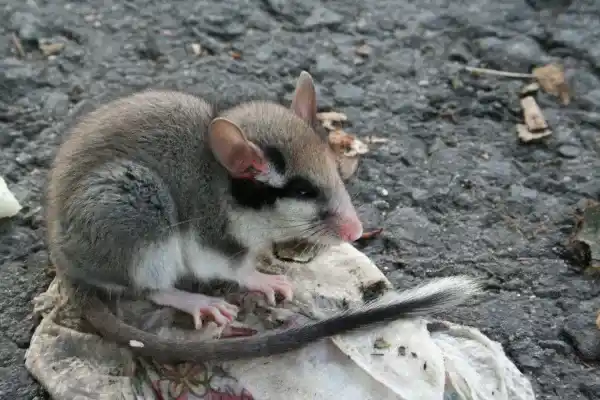
Facial-striped hazel dormouse (Eliomys quercinus)
This is a small rodent, commonly known as the "common dormouse," found in some mountainous regions of Spain.
Features:
It has the ability to detach its tail to escape: when a predator grabs its tail, it can actively detach its tail and has a certain regeneration ability.
They hibernate during the winter.
Although it is not yet on the critically endangered list, it has been assessed as "near endangered".
Other animals unique to Spain
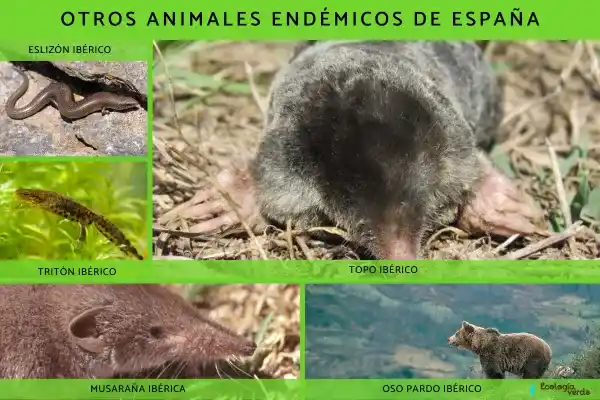
Iberian skink (Chalcides bedriagai) : A small lizard that lives in rocky areas and feeds on insects.
Iberian salamander (Lissotriton boscai) : Found in streams and clear water sources, nocturnal, and feeds on small invertebrates.
Iberian mole (Talpa occidentalis) : Smaller than the European mole, its eyes are covered by fur.
Iberian shrew (Sorex granarius) : Only 4 cm in length, it mainly lives in the mountainous areas of northwestern Spain.
Iberian brown bear (Ursus arctos pyrenaicus) : also known as the "Cantabrian brown bear," it inhabits the Cantabrian Mountains. Males can weigh up to 200 kg, but are shy and avoid contact with humans.
Spanish endemic plants
Besides animals, Spain also has many unique plant species:
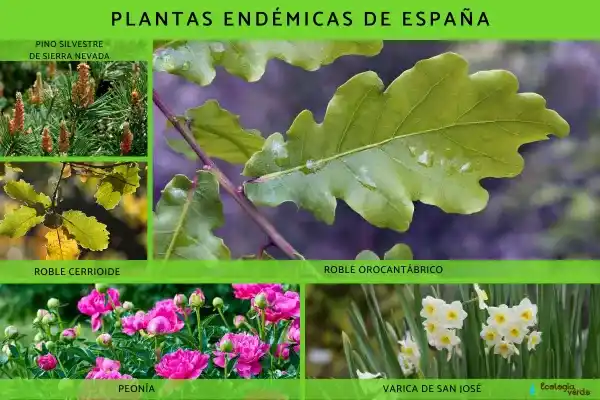
Sierra Nevada pine (Pinus sylvestris nevadensis) : can grow up to 30 meters tall and live for over a hundred years.
*Quercus cerrioides* : A hybrid oak species threatened by habitat loss.
Cantabrian oak (Quercus orocantabrica) : mainly distributed in Asturias and Castile-León.
Iberian Peony (Paeonia broteri) : Commonly found in the mountain forests of the Iberian Peninsula.
St. Joseph's Narcissus (Narcissus tazetta) : Distributed in the Mediterranean region and the Canary Islands, growing on riverbanks and in thickets.
Summarize
Spain, with its complex geography and climate, is one of Europe's most important biodiversity hotspots. From the majestic Iberian lynx to the petite Iberian shrew, these endemic species showcase the unique charm of nature.
However, many endemic plants and animals are facing threats such as habitat loss, poaching, and environmental pollution. Protecting them is not only crucial for preserving Spain's natural heritage, but also for safeguarding global biodiversity.