Squirrels and chipmunks are adorable and energetic animals, but the damage they cause in gardens, homes, and yards should not be underestimated. From stealing birdseed to digging burrows in the garden, their presence can cause significant harm. Using effective repellent methods is essential to getting rid of these little creatures. In this guide, we'll explore a variety of solutions, including natural and chemical repellents, to help you effectively manage your squirrels and chipmunks.
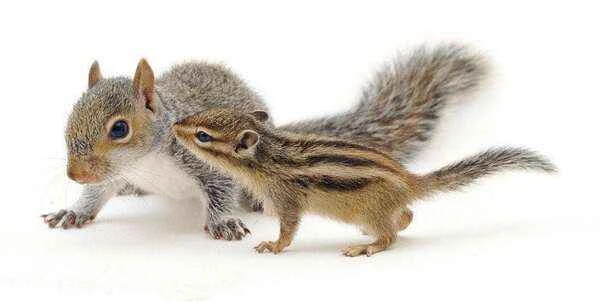
What are squirrel and chipmunk repellents?
Squirrel and chipmunk repellents are products or strategies designed to keep these animals out of your space. They can be physical, chemical, or natural repellents, each targeting the animal's senses, behavior, or environmental preferences. Whether you're battling these little creatures in your garden, attic, or around your home, a good repellent can effectively keep them away.
Types of repellents for squirrels and chipmunks
Depending on your needs, there are many different types of repellents on the market. They can be natural, environmentally friendly solutions, or chemical repellents. Below, we will break down some of the most common options:
1. Natural repellent
Natural repellents typically utilize scents and smells that squirrels and chipmunks dislike. These repellents are safe for the environment and pets while effectively preventing these small animals from entering.
Essential oils such as peppermint oil, eucalyptus oil, and cinnamon oil, used for squirrels and chipmunks, are effective at repelling them. These scents make these animals uncomfortable, causing them to avoid those areas.
Pepper spray repels chipmunks. Chipmunks are very sensitive to pungent smells. Spraying a mixture of chili powder or chili and water around them will stimulate their noses and drive them away.
Some plants naturally repel squirrels. For example, the scents of garlic, chili peppers, and lavender deter squirrels. Planting these plants around your garden or yard can effectively prevent squirrel intrusion.
Homemade squirrel repellent, made with ingredients like garlic, vinegar, and chili powder, is an economical and environmentally friendly method. Mixing these ingredients with water and spraying it around your home or garden can effectively repel squirrels.
2. Ultrasonic avoidance device
Ultrasonic repellents work by emitting high-frequency sound waves that make squirrels and chipmunks uncomfortable. These sound waves are usually inaudible to humans, but they interfere with the animals' communication and behavior. Placing these devices in your home or yard can effectively drive away squirrels and chipmunks.
3. Chemical squirrel repellents
Chemical repellents typically deter animals by their unpleasant odor or taste. While highly effective, these products may not be very environmentally friendly.
Camphor balls repel squirrels. Camphor balls contain naphthalene, which releases a strong odor that squirrels dislike. They are often used to prevent squirrels from entering attics or other potential hiding places.
Chemical squirrel repellent sprays are available on the market specifically designed for squirrels. Spraying these sprays directly onto plants, trees, or areas where squirrels frequent can effectively prevent squirrels from entering.
How to prevent squirrels and chipmunks from entering your home?
Squirrels and chipmunks love to enter homes, especially attics and basements, seeking warmth and shelter. Preventing them from entering your home is key to maintaining a harmless environment. Here are some effective methods:
1. Prevent squirrels from entering your home
Seal off entry points. Check your home for cracks or holes where squirrels and chipmunks could enter. Pay special attention to areas around vents, windows, and the edges of the roof. Seal off all possible entry points to prevent them from getting in.
Install squirrel-proof devices such as vent covers, chimney covers, and foundation hole protectors. You can also install metal mesh at openings to prevent squirrels from passing through.
2. Prevent squirrels from stealing birdseed.
Squirrels enjoy stealing birdseed. To solve this problem:
Invest in bird feeders designed to prevent squirrels from entering, such as those with mesh covers that only birds can access.
Hang the bird feeder in a place where it is difficult for squirrels to reach it, such as on a pole with a barrier or on a tree branch away from where squirrels can jump.
The most effective plant repellents for squirrels and chipmunks
Some plants naturally repel squirrels and chipmunks. Here are some known effective plants:
Garlic squirrels dislike the strong smell of garlic. Planting garlic around the garden or using garlic oil spray can effectively repel these small animals.
Lavender's scent is disliked by squirrels. It's not only a beautiful garden plant, but it also naturally repels squirrels.
Chili peppers, especially spicy varieties, are very effective against squirrels and chipmunks. The spicy oils in chili peppers stimulate the animals' noses, causing them to stay away from the sprayed area.
Mint squirrels typically dislike the smell of mint. Planting mint in problem areas can naturally repel these small animals.
Squirrel and chipmunk traps
If repellents are not enough to solve the problem, capture may be the next best option.
Live traps can capture animals without harming them. Once captured, they can be released away from your home.
Trap traps are deadly trapping devices designed to kill animals quickly. While they are not very humane, they are still effective in controlling the populations of squirrels and chipmunks.
Safe repellent for squirrels and chipmunks
If you have pets or children, it's crucial to use safe, non-toxic repellents. Choose natural and organic repellents that won't harm your family or pets.
Choose a safe spray that is suitable for pets and children. Many essential oil repellents are non-toxic and provide effective repellency.
Avoid harmful chemicals. If you have concerns about chemical repellents, be sure to check the label and choose products that indicate they are safe and non-toxic for pets.
Preventing chipmunks from entering the garden
Chipmunks love to dig burrows in gardens, damaging plants and crops. Here are some effective ways to prevent them from settling in your garden:
Install barriers and fences: Install underground fences to prevent chipmunks from digging burrows. Metal mesh can be buried around garden beds to prevent small animals from entering.
Repellent sprays, using natural or chemical methods, can repel chipmunks from invading your garden. Make sure these sprays are safe for your plants.
Dealing with squirrels and chipmunks can be a daunting challenge, but with the right methods, you can protect your home, garden, and property. Whether you choose natural solutions like essential oils and plants, or more direct methods like traps and sprays, the most important thing is to select the best approach for your situation. Always consider the safety of your pets, children, and the environment when choosing appropriate repellent methods. By following these strategies, you can effectively keep squirrels and chipmunks away, ensuring your space remains safe and clean.