Traumatic insemination is a unique and aggressive mating behavior primarily observed in certain bedbug species, particularly the housefly (Cimex lectularius). Unlike most insects that inseminate through the female reproductive tract, male bedbugs use their sharp reproductive organs, often referred to as "insertes" or "sperm glands," to directly pierce the female's abdomen. This method of insemination raises intriguing questions about its evolutionary advantages and mating strategies.
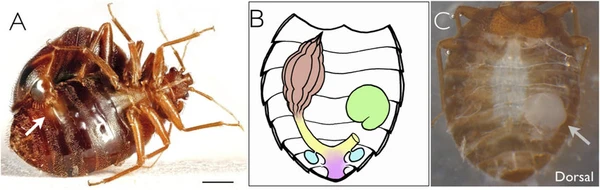
1. Mechanisms of traumatic insemination
Abdominal piercing: During mating, the male bedbug uses its specialized reproductive organ to pierce the female's body wall, bypassing the traditional reproductive passage. This method allows for immediate sperm transfer but can cause significant harm to the female.
Sperm location: Even after being injected into the female's body cavity, sperm can still reach the ovaries for fertilization. Although this strategy is risky for the female, it ensures the effective introduction of the male's genetic material.
2. Evolutionary advantage
Traumatic insemination offers several potential benefits that may explain its evolution:
Increased mating success rate: By bypassing the female's reproductive tract, males can achieve a higher fertilization rate in a highly competitive environment.
Sperm competition: This method may also enhance the male's advantage in sperm competition, as direct sperm injection can lead to a higher fertilization rate than traditional mating methods.
3. Impact on female bed bugs
While this method may benefit male bed bugs, it has a significant negative impact on females:
Harm and stress: Traumatic insemination can cause physical damage, increase stress, and affect female reproductive success and lifespan.
Evolutionary coping mechanisms: Some female bed bugs have developed adaptations, such as thicker abdominal walls or specific mating behaviors, to reduce the risks associated with traumatic insemination.
4. Behavioral Background
The behavior surrounding traumatic insemination highlights interesting social dynamics:
Mating strategies: Males may employ aggressive courtship behaviors to subdue females, indicating a highly competitive mating environment.
Multiple mating: Females often mate with multiple males, which can lead to sperm competition and affect the mating strategies of both partners.
5. Conclusion
Traumatic insemination is a striking example of how mating strategies can deviate significantly from the norm. While it allows male bedbugs to achieve higher reproductive success rates, it also imposes considerable costs on females. Understanding this behavior helps to reveal the complexities of sexual selection and the evolutionary pressures that shape reproductive strategies in the animal kingdom.
Frequently Asked Questions
Q1: What is traumatic insemination?
Answer 1: Traumatic insemination is a mating behavior in which the male bedbug injects sperm directly into the female's body cavity by piercing her abdomen.
Question 2: Why did this behavior evolve?
Answer 2: This behavior may have evolved to increase mating success rate and enhance sperm competitive advantage in a highly competitive environment.
Question 3: What effect does this have on female bed bugs?
Answer 3: This method may cause injury and stress to females, affecting their reproductive success and overall health.
Traumatic insemination demonstrates the remarkable diversity of reproductive strategies in nature, highlighting the interaction between aggression and reproduction in the evolutionary narrative of bedbugs.