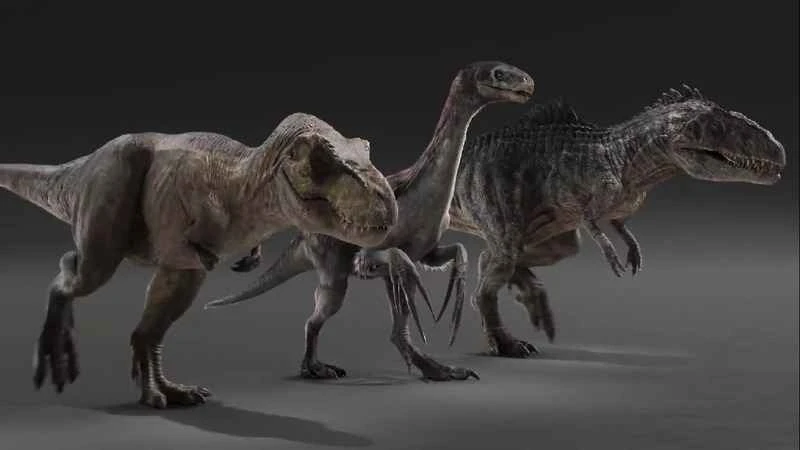
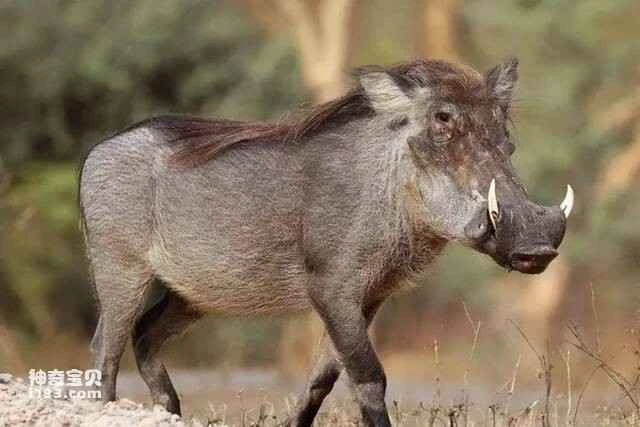
Fish cannot live without water, plants cannot live without the sun, bees need to collect nectar, and germs need hosts. The survival of any living thing on Earth is inseparable from its environment, and they must live in harmony with it. The environment provides living resources, growth conditions, and reproductive sites for organisms. While utilizing resources, organisms also change the environment; only by adapting to their environment can organisms achieve balanced development.
There are many kinds of organisms, and their environmental requirements vary greatly. Environmental conditions differ from place to place, and resources vary in abundance. The environments on which organisms depend for survival can be divided into two main categories: inorganic environments composed of inanimate factors such as water, light, and heat, and organic environments composed of animate factors such as food, pathogens, pests, and natural enemies.
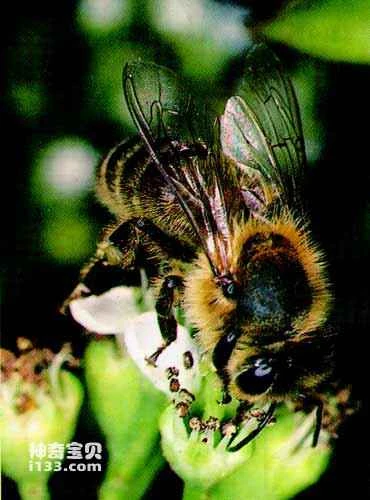
Bees collecting honey
The inorganic environment is the fundamental environment for the survival of organisms. Animals ultimately rely on plants as a source of nutrition, while plants depend on natural resources such as sunlight, water, and fertilizers for growth and reproduction. The relationship between organisms and the inorganic environment is reflected in two aspects: Regarding organisms, different organisms require and adapt to different environments; algae, weeds, trees, birds, reptiles, and predators each have their own specific adaptation conditions. Regarding the environment, it contains a wide variety of environmental factors. These environmental factors mainly consist of the following aspects:
Light factors, including heat and temperature factors, are the most important for plants;
Water factors, including many factors related to water supply and humidity factors, are crucial for plants;
Geological factors, including geological and geomorphological factors such as altitude, depth, and latitude associated with mountains, land, rivers, and oceans, are crucial to the distribution of organisms.
Climate factors are crucial to the cyclical fluctuations of biological life and reproduction.
Soil factors, including geological and structural factors, as well as the supply of water, fertilizer, air, and heat in the soil and factors related to material cycling, have a direct impact on plant life.
Chemical factors include nutrients in the soil and water, organic matter content, salinity and acidity, trace elements, etc. In addition, food factors and nutritional factors also belong to chemical factors.
All of the aforementioned factors vary in quantity, degree, and range of fluctuation in the environment. For any organism, the quality of the inorganic environment, and its suitability, depends primarily on the nature of the factors, the magnitude of the main factors, and the extent of their variation.
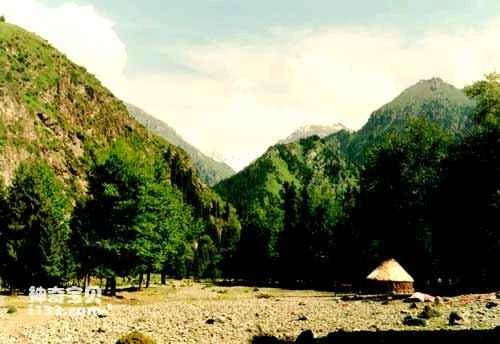
mountain range
Among many factors, there is often one factor that plays a decisive role in the survival or distribution of a species; such a factor is called a limiting factor. For example, for many marine organisms, the salinity of seawater is their limiting factor; while for some tropical plants, temperature is their limiting factor.
An organic environment refers to the various other organisms that live in the same community as a particular organism.
Every organism has a relationship with other species that is both interdependent and mutually restrictive, resulting in various types of interspecific relationships. These relationships can be mainly categorized as follows: 1. Neutrality; 2. Competition; 3. Cooperation; 4. Symbiosis; 5. Symbiosis; 6. Parasitism; 7. Predation; 8. Antagonism. Interspecific relationships between two or more species are often the result of species evolution or even the co-evolution of various species.