Introduction: Butterflies are renowned for their vibrant colors and varied patterns. This article introduces you to 10 universally recognized high-value butterflies : Morpho serrulata, Morpho 88, Morpho rubescens, Morpho leopard, Morpho owl, Morpho mortis, Morpho 'Dead Leaf', Morpho 'Rose Crystal Eye', Morpho 'Clearwing', Morpho 'Dreamy', and Morpho 'Blue Morpho'. Each species is highlighted with its visual appeal and key identification points , making it a great resource for saving and sharing.
Quick Directory
Light Goddess Morpho Butterfly
88 multivortex butterfly
Red-banded Butterfly (Postman Butterfly)
Leopard Butterfly
Owl Butterfly
Dead Leaf Butterfly
Rose Crystal Eye Butterfly
Clearwing Butterfly (Broad-striped Black-veined Silk Butterfly)
Dreamy Morpho Butterfly
Blue Morpho butterfly (Blue Morpho butterfly)
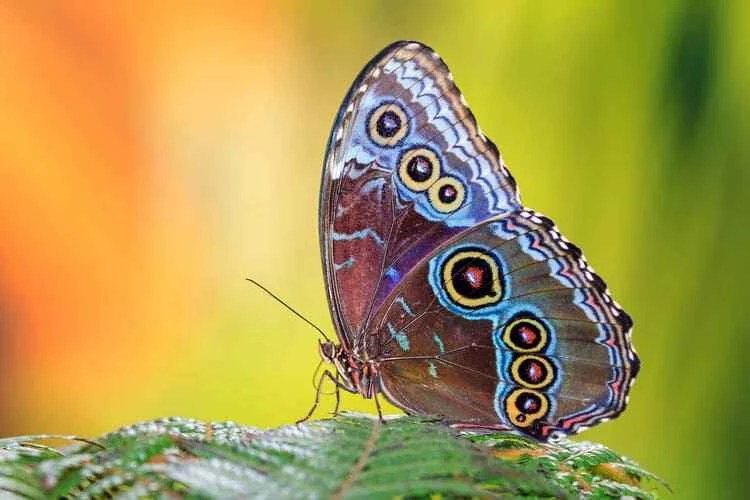
1|Morpho the Goddess
Other names: Helena Morpho butterfly, Blue Danube butterfly
Aesthetic highlights: The multi-layered blue of the wings flows like a mirror under the light, resembling the surging waves of a blue sea; it exudes a powerful aura when unfolded.
Key identification features: The body gradually changes from purple-blue to deep blue , with a bright band often seen on the outer edge of the forewings, and the blue light flashes intensely when in flight.
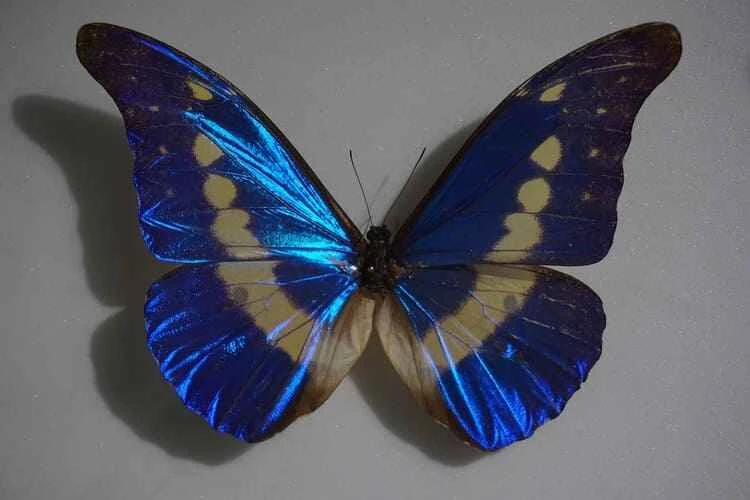
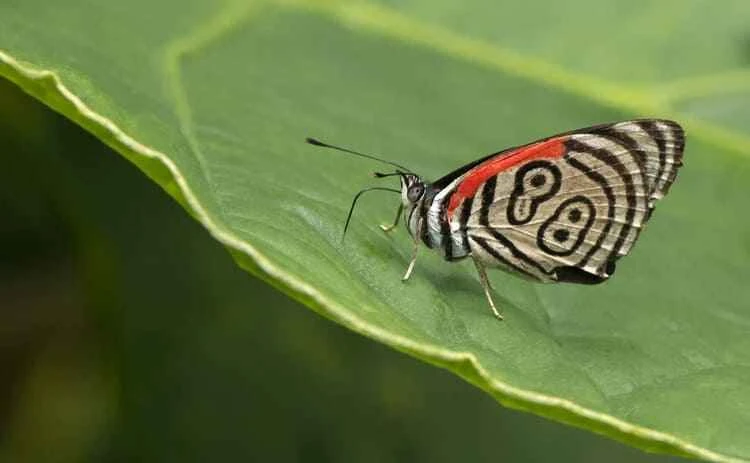
2|88 multi-vortex butterfly
Aesthetic highlights: The inner side of the hindwings often features geometric patterns of " 8 " or " 88 ", making them highly recognizable.
Key identification features: The forewings have a strong contrast, with alternating black and white patterns and red elements; the "numerical pattern" is the most typical.
Fun fact: Eye-catching patterns have both " deterrence and deception " ecological significance, and also enhance presence during courtship.
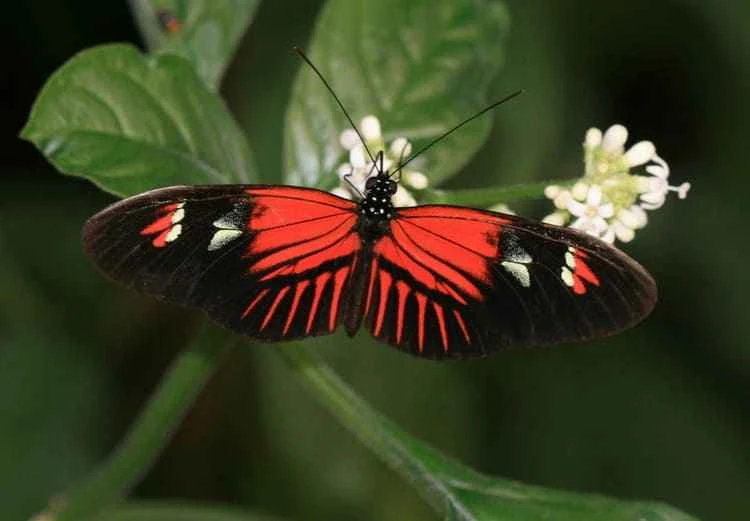
3|Red-banded Butterfly (Postman Butterfly)
Aesthetic highlights: The strong contrast of red, white and black colors creates a simple yet sophisticated look; the "red stripe" is extremely eye-catching against a dark background.
Key identification points: The most typical feature is a red horizontal band on the forewing; there are many similar types within the same genus, and the key is to look for "red band + black background".
Fun fact: It got its name "Postman Butterfly" because its color scheme resembles that of early postman uniforms.
4|Leopard Butterfly
Visual appeal: The male butterfly's wings are covered with orange-yellow to black leopard spots , making it gorgeous and flamboyant; the sexual dimorphism is obvious.
Key identification points: Male butterflies have an orange-yellow base with black spots, while female butterflies are mostly black, brown, or white , and are more reserved.
Viewing Tip: During mating season, it's easier to see male butterflies fluttering around in a high-profile display.
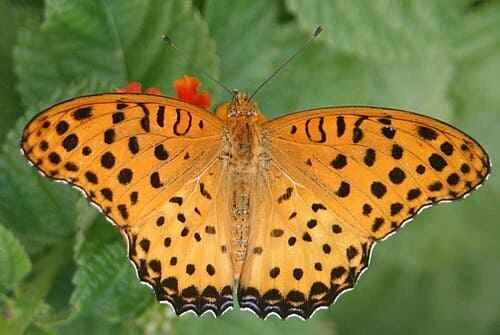
male
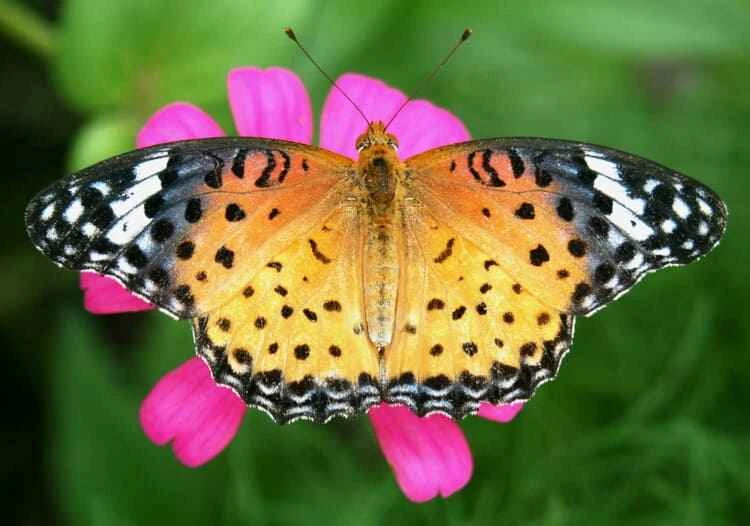
female
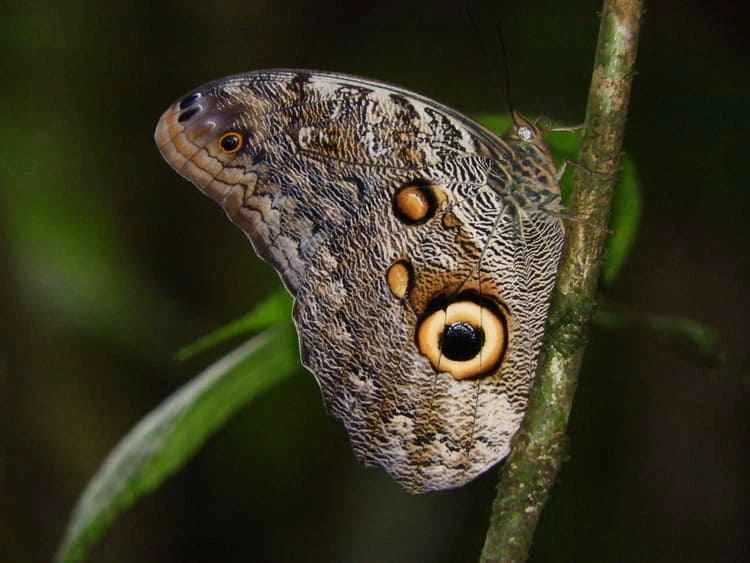
5|Owl and Butterfly
Aesthetically pleasing: The huge "owl eye spots" under its wings are mysterious and intimidating, making it a master of disguise.
Key identification points: The eyespot is prominent when the wings are closed at rest; the frontal color is also very bright after the wings are spread.
Fun fact: Eye spots can deter predators when startled, increasing survival rates.
6|Dead Leaf Butterfly
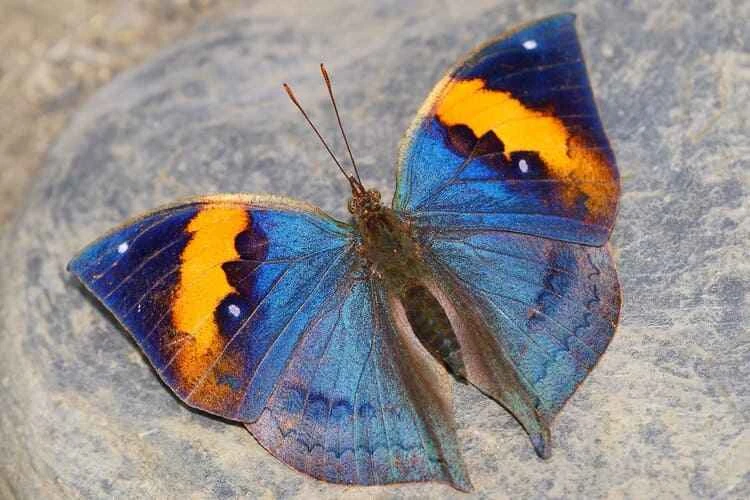
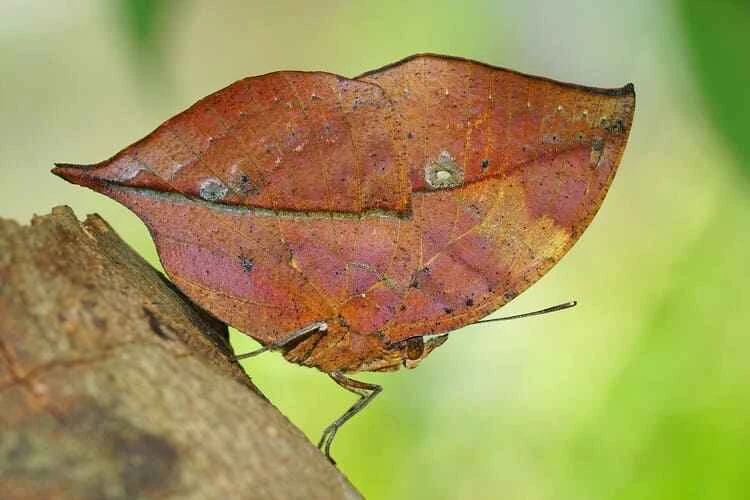
Aesthetic highlights: When the wings are folded and the plant is still, it resembles a "withered leaf," with veins and stems that are indistinguishable from real leaves; when the wings are spread, it often has a metallic blue/purple-blue sheen.
Key identification points: The underside of the leaf has varying shades of "vein lines" in the color of withered leaves; the intensity of blue light on the underside varies with the season and between individuals.
Viewing tip: The stunning "leaf camouflage" is more easily appreciated in the shade under the trees.
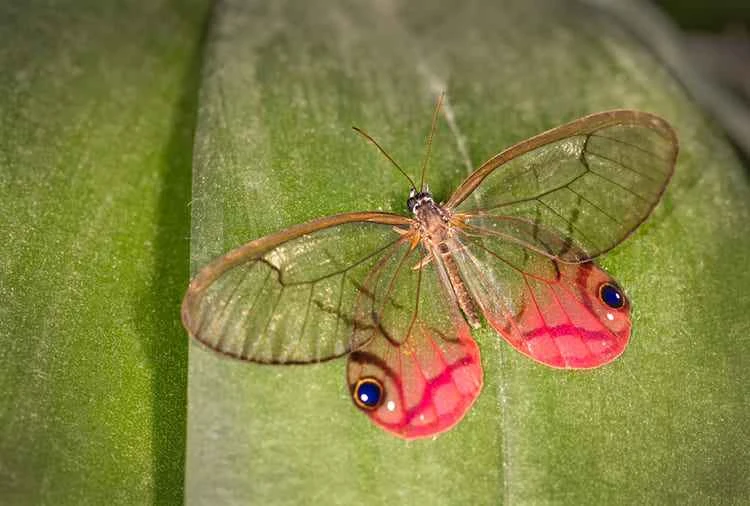
7|Rose Crystal Eye Butterfly
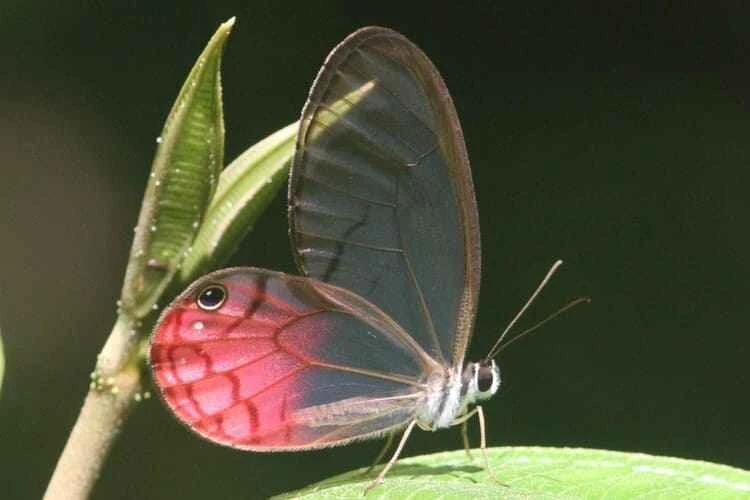
Aesthetic highlights: Transparent wings with rose-red accents at the tail, exuding an ethereal beauty; resembling "a color block suspended in the air".
Key identification points: Large areas of transparent powder without scales on the wing surface, and the edges and decorative colors of the hindwing appear smoother.
Fun fact: Transparent wings reduce the chance of being detected; it's a unique stealth strategy .
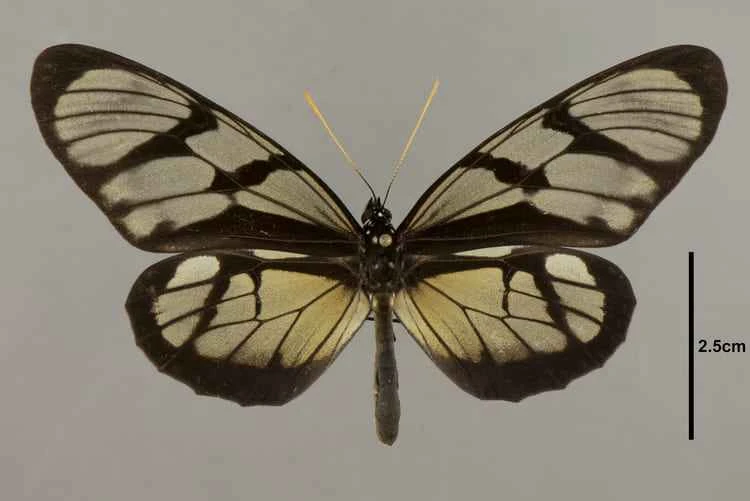
8|Clearwing Butterfly (Broad-striped Black-veined Silk Butterfly)
Aesthetic highlights: Translucent throughout with dark veins , some individuals have red/orange accents on the edges; when flying to visit flowers, it resembles a "light and shadow filter".
Key identification features: Wing veins are dark brown to brownish-red and opaque with clear boundaries; they have a strong dreamlike quality when viewed in transmitted light.

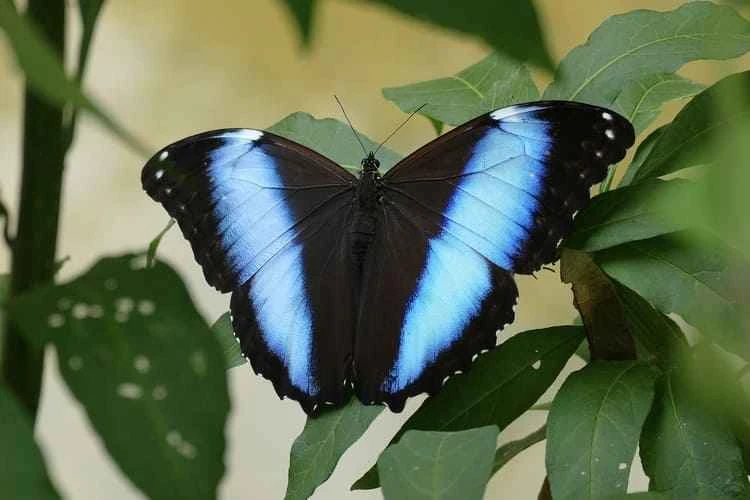
9|Dreamy Morpho Butterfly
Aesthetic highlights: Iridescent blue stripes spread across a black background, creating a flowing "aurora blue" effect in sunlight.
Key identification points: The front has a wide and eye-catching blue band, while the back often features marble patterns and eye spots; it has a strong texture when viewed up close.
Viewing tip: The structural color will change significantly under different angles and lighting conditions, resulting in excellent photos.
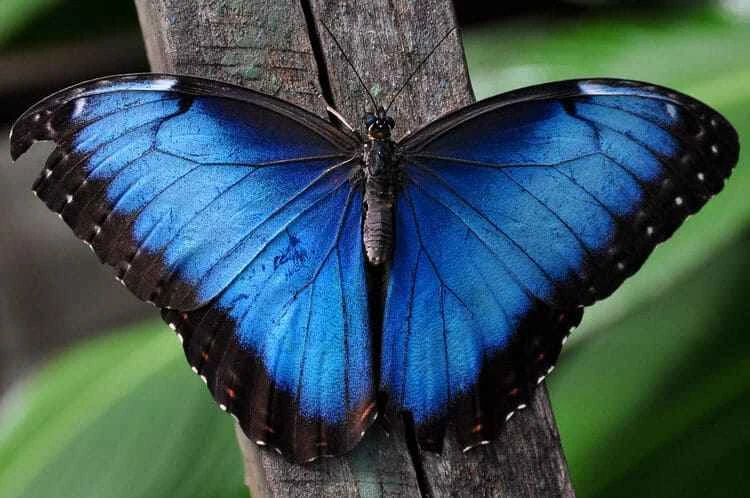
10 | Blue Morpho butterfly (Blue Moore butterfly)
Aesthetic highlights: Classic electric blue , making it the "center of attention" wherever it goes; wingspan can reach approximately 15 cm .
Key identification features: The upper surface is a blue mirror , while the lower surface is mostly camouflaged with the color of withered leaves ; the blue light appears intermittently during flight.
Fun fact: Blue comes from microstructure reflection rather than pigment; the color "magically" changes depending on the ambient light.
Science Popularization Station: Why do butterflies have "built-in filters"?
Structural color : The micro-nano structure of the wing scales interferes with and scatters light, presenting a metallic luster/color-changing effect.
Warning colors : Highly saturated color blocks convey a " not tasty/poisonous " signal to predators.
Mimicry and camouflage : such as the dead leaf butterfly and the owl butterfly , which improve their survival rate by simulating the environment or "intimidating eyes" through patterns.
Viewing and Photography Tips
Do not grab or touch : Observe from a distance and take photos slowly to avoid chasing or touching.
Light priority : Side lighting in the early morning/evening produces better photos; backlighting can highlight the transparency of the wings .
A simple background : green, light gray, and wood tones accentuate the highly saturated color blocks.
Negative space in composition : Leaving space for the direction of flight gives the image a greater sense of "breathing".
Interactive Topic: Which "high-value butterfly" do you like best? Why? Feel free to share your butterfly encounter story in the comments section!
#Butterfly #NatureScience #EcologicalObservation #Photography #StructuralColor