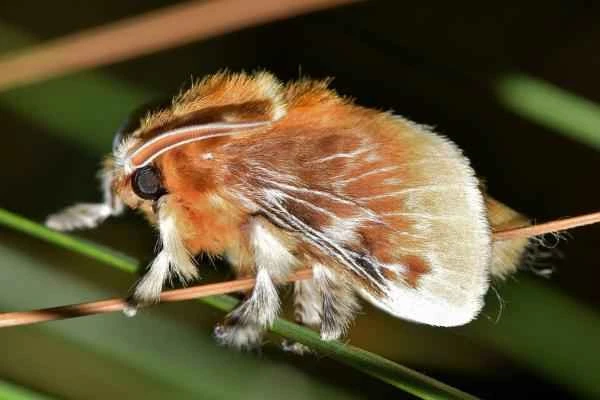
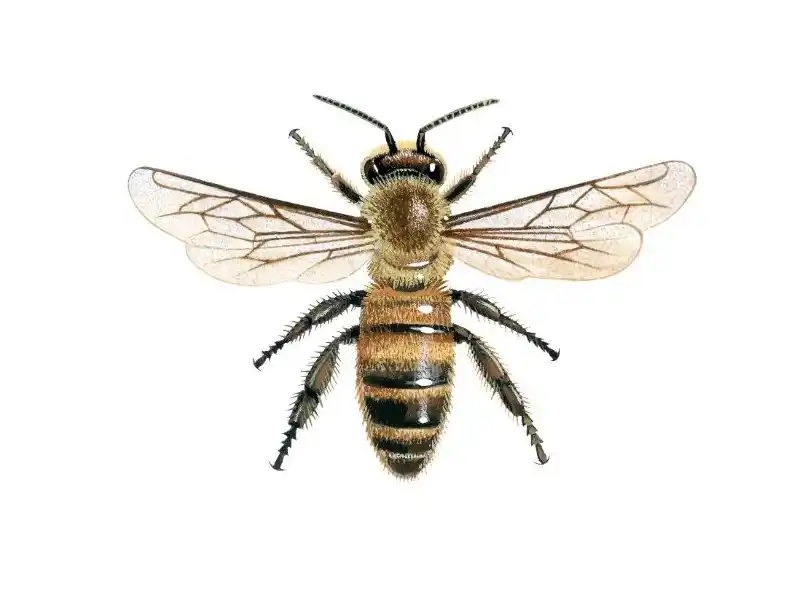
Beneficial insects are those that are beneficial to humans or agriculture. They help control the populations of other pests and play an important role in crop pollination. Common beneficial insects include bees, silkworms, ladybugs, mantises, earthworms, dung beetles, hoverflies, parasitic wasps, lacewings, and dragonflies. These insects are not only part of the ecosystem but also key components of many ecosystem functions and services. They are of great importance to maintaining ecological balance and developing agricultural production. In addition to these common beneficial insects, you are welcome to add your own in the comments section.
1. Bees
Honeybees are social insects, typically living in colonies consisting of a queen, worker bees, and drones. They feed on pollen and nectar and are important pollinators. Honeybees play a vital role in agricultural production because they help pollinate crops, promoting their growth and reproduction. Furthermore, honeybees produce products such as honey and beeswax, making a significant contribution to human health and economic development.
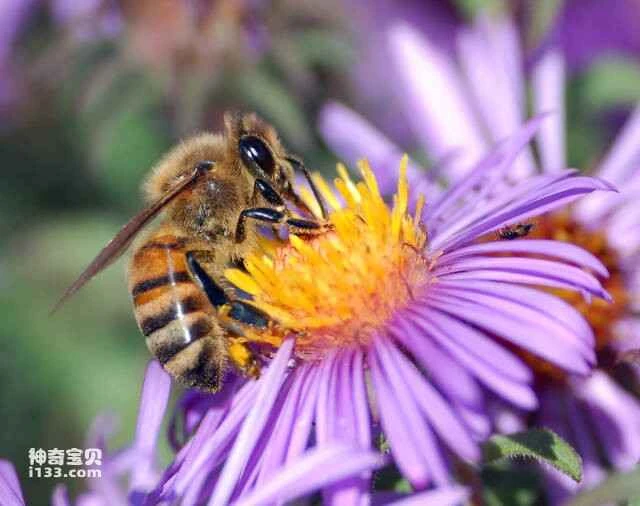
It is worth noting that the global bee population has declined sharply in recent years, likely due to a combination of factors including climate change, ecological degradation, and the overuse of pesticides. Therefore, protecting and maintaining bee populations is crucial for maintaining ecological balance and agricultural development.
2. Silkworms
The silkworm is an important economic insect; its larvae spin cocoons for silk production. Belonging to the family Sericulture, silkworms are mostly small, white or pale yellow insects with a slightly oval body. There are many types of silkworms, mainly divided into two categories: domesticated silkworms and wild silkworms. Domesticated silkworms are currently the most widely cultivated species, known for their strong adaptability, rapid growth, and high cocoon production. Wild silkworms, living in their natural environment, produce cocoons with a harder texture and higher commercial value.
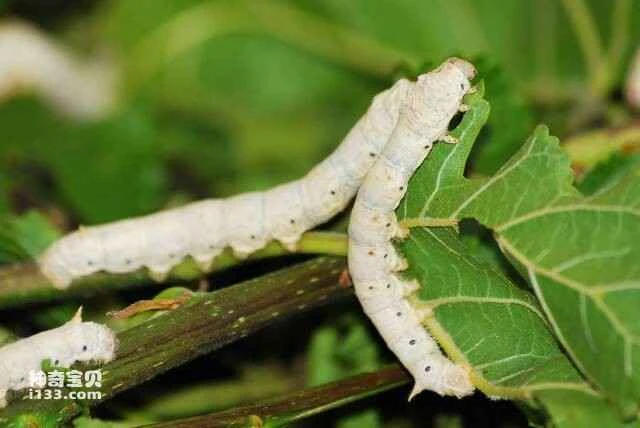
Silkworms have a short lifespan of only about a month. During this brief period, they continuously feed on mulberry leaves, grow into larvae of varying sizes, and then begin spinning cocoons. These cocoons can be processed into silk threads, which are further used to produce silk and other textiles. Besides their economic value, silkworms also contribute to the ecosystem. Mulberry trees are a food source for silkworms and also help prevent soil erosion, improve soil quality, and enhance the ecological environment.
3. Ladybug
Ladybugs are common beneficial insects belonging to the family Coccinellidae in the order Coleoptera. They are predominantly red or orange with black spots, and have a hemispherical back, making them quite adorable. Ladybugs feed on aphids, but also consume other small insects and mollusks. Therefore, ladybugs are widely considered a natural biological control agent and have significant value for agricultural production.
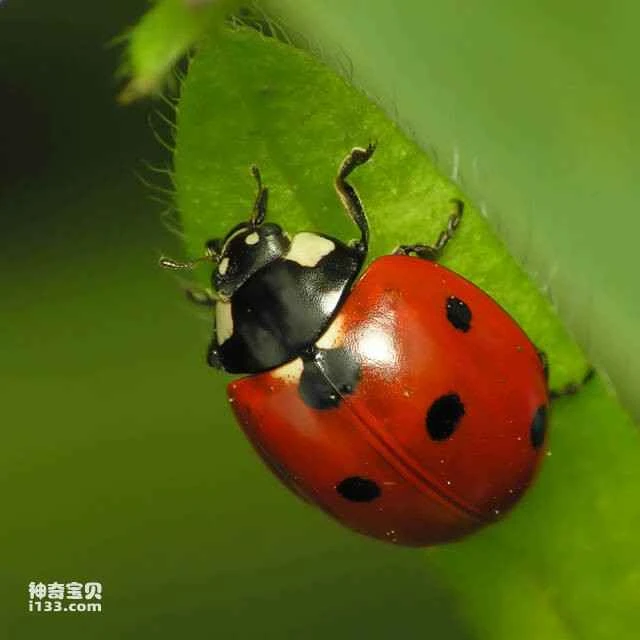
Ladybugs are typically active in summer and autumn, with adults living for about 2-3 months. They forage for food and shelter in grasslands, flower fields, forests, and orchards, where they also lay eggs. In short, ladybugs are a very popular beneficial insect, not only controlling pests but also serving as a natural tool for biological control, playing an important role in improving agricultural production quality and protecting the balance of the natural ecosystem.
4. Praying mantis
The praying mantis is a common carnivorous insect belonging to the Mantisidae family. They have elongated, flattened bodies, typically green, brown, or yellow in color, and possess two pairs of forelegs and hind legs, with sharp spines between the forelegs and hind legs. Praying mantises primarily feed on other insects such as locusts, mosquitoes, flies, and dragonflies, thus being widely considered one of nature's natural enemies and playing an important ecological role. Furthermore, praying mantises molt during their growth process, becoming stronger and healthier after each molt.
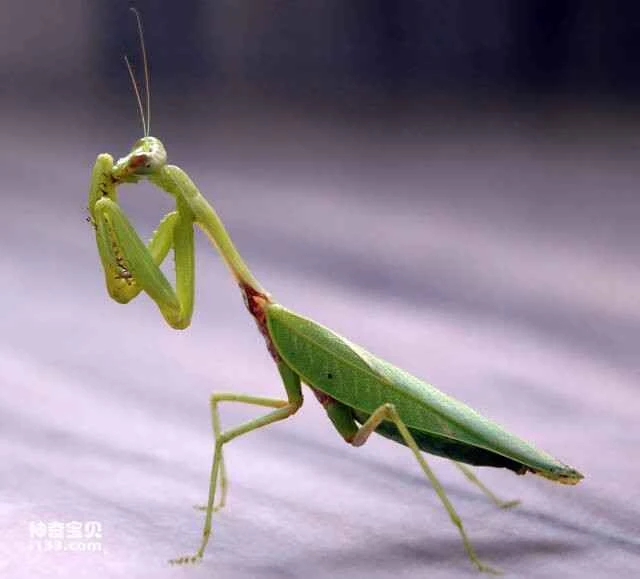
The mating process of mantises is also quite interesting. The male mantis is usually eaten by the female after mating, because the female needs to consume a lot of nutrients to incubate the eggs and reproduce. In short, the mantis is a magical and beautiful insect, playing an important ecological role in nature and also being a popular ornamental insect.
5. Earthworms
Earthworms are common invertebrates belonging to the phylum Annelida, class Oligochaeta, and order Alternaria. They have long, round bodies without distinct heads and tails, and typically live in the soil, feeding on organic matter. Throughout their lives, they continuously dig and improve the land. Earthworms play a significant role in soil improvement. By digging and digesting organic matter, they reduce soil density, improve soil aeration and water retention, increase soil fertility, and promote the growth and reproduction of microorganisms, providing a better growing environment for other plants.
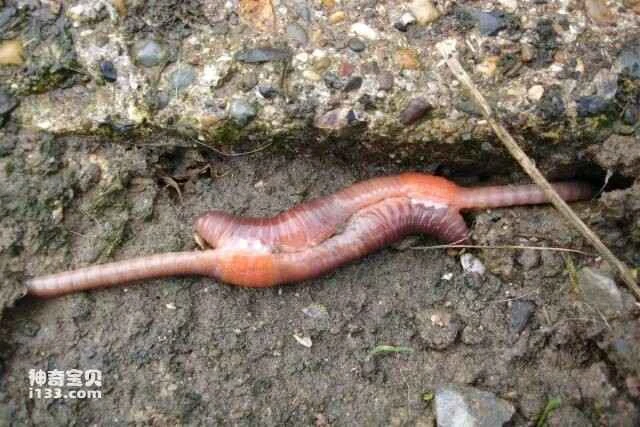
Besides improving soil quality, earthworms are a primary food source for some birds and reptiles. They are also widely used in recreational activities such as fishing; their slender bodies and relatively soft texture make them one of the most popular natural baits. In short, although earthworms may seem insignificant, they play a vital role in ecosystems and agricultural production, making them an indispensable part of the Earth's ecosystem.
6. Dung beetle
Dung beetles are common insects that inhabit tropical and temperate regions worldwide. They are brown or black, bean-shaped, and about 1-2 centimeters long. Dung beetles primarily feed on excrement, including feces and decaying plant matter. By consuming these organic materials, they transform them into fertilizer that is more easily absorbed by plants, breaking them down into small particles that help improve soil quality and promote plant growth. Therefore, dung beetles play an important environmental role in nature.
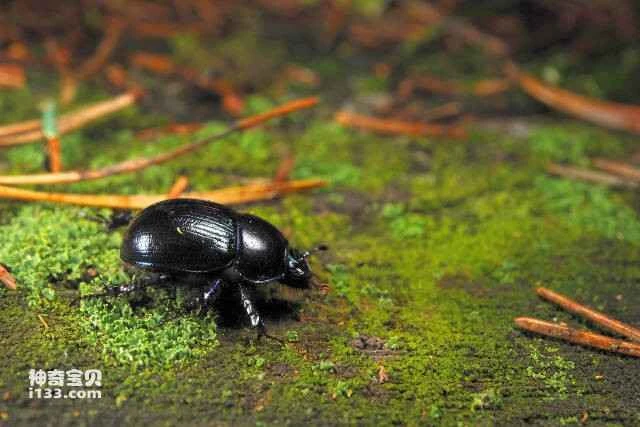
Furthermore, dung beetles are an important food source, widely used in the production of human food and animal feed. Rich in protein and nutrients, dung beetles can serve as an efficient and sustainable food source, which is significant in alleviating global food security issues. In short, although dung beetles may seem inconspicuous, they play an important role in both nature and human society.
7. Hoverfly
Hoverflies are common parasitic insects belonging to the family Hypnotidae in the order Diptera. They typically feed on the body sap of plant aphids and lay and hatch their eggs on their host plants. Hoverflies are of great importance to agriculture because they help control aphids and other plant pests, alleviating the conflict between pests and crops. Furthermore, hoverflies are widely used in biological control, serving as a natural insecticide that does not cause environmental pollution like chemical pesticides.
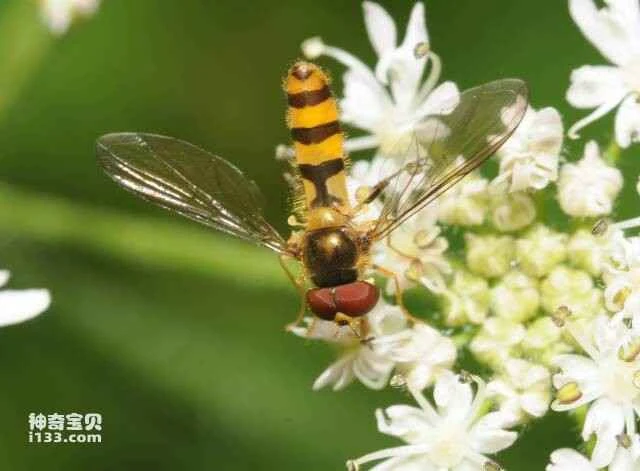
Hoverflies are typically active from spring to summer, and the lifespan of an adult usually does not exceed two weeks. During this time, they continuously lay and hatch eggs, ensuring their population continues to grow. In short, although hoverflies appear small, they play a vital role in agricultural production and ecosystems, and are an indispensable part of nature.
8. Parasitic wasps
Parasitic wasps are a type of insect that lives a parasitic life, primarily feeding by parasitizing other insects. They are typically small and diverse in appearance, but most parasitic wasps are wingless. Parasitic wasps play an important ecological role in nature because they can control the populations of other pests, which is of great significance for agricultural production and plant protection. For example, some parasitic wasps lay their eggs inside other insects, parasitizing the larvae or pupae, thus preventing these pests from continuing to grow and reproduce, thereby achieving pest control.
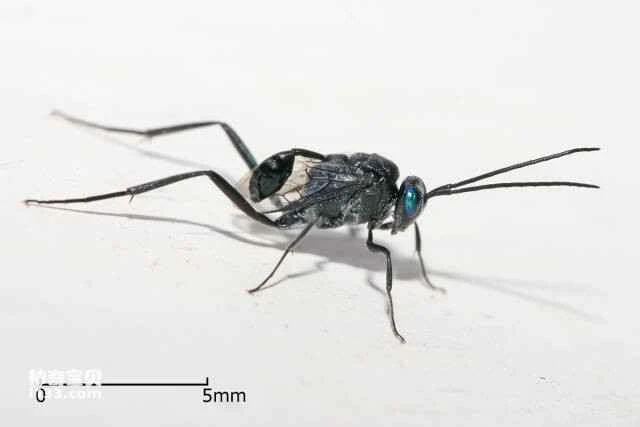
Meanwhile, parasitic wasps are also widely used in scientific research and medicine. Due to their short lifespan, large numbers, ease of acquisition and reproduction, they have become ideal model organisms for many researchers. In short, although parasitic wasps may look somewhat intimidating, they play an important role in nature and have broad applications in agricultural production, ecological balance, and scientific research.
9. Lacewing
Lacewings are insects belonging to the cicada family, also known as short-horned cicadas. They typically live in grasslands, fields, and forests, and are distributed worldwide. Lacewings are relatively small, only about 1 to 2 centimeters in length. They feed on plant sap, especially the sap of herbaceous plants. Lacewings do not cause serious damage to crops, but when their numbers are large, they can have some impact on fruit trees and other plants.
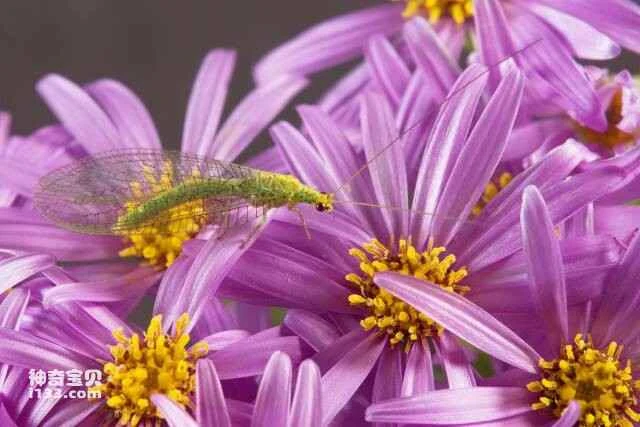
Lacewings begin to sing in spring or summer, emitting a "clucking" sound produced by the males vibrating their thorax muscles. Their calls play an important role in nature, attracting mates and deterring predators for self-defense. In short, while lacewings may seem inconspicuous, they play a vital role in nature and are significant to humans and other organisms.
10. Dragonfly
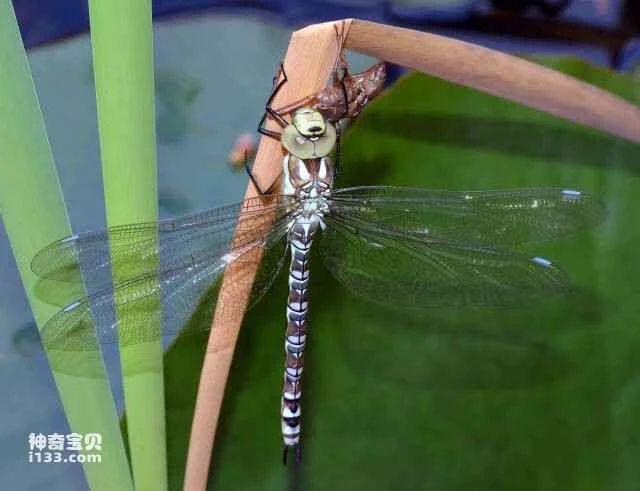
Dragonflies are common insects belonging to the family Odonataeidae in the order Diptera. They have long, flexible bodies, typically displaying vibrant colors and transparent wings, making them very beautiful when fluttering in the sunlight. Dragonflies primarily feed on other insects, such as mosquitoes, flies, and moths, playing a vital role in pest control in agriculture, horticulture, and forestry. Furthermore, dragonflies frequently pollinate plants while foraging for food, contributing significantly to plant growth and reproduction.
Dragonflies are excellent fliers, capable of flying for hours on end and effortlessly traversing upwards, downwards, forwards, and backwards. Their life cycle consists of four developmental stages: egg, larva, pupa, and adult. In short, dragonflies are truly magical and graceful insects, playing a vital role in the ecosystem and beloved for their beauty and daring flight.
Protecting beneficial insects is an important measure for maintaining ecological balance and improving the quality of agricultural production. Here are some methods for protecting beneficial insects:
1. The use of toxic pesticides is prohibited. Toxic pesticides not only harm beneficial insects but also damage ecosystems and lead to a decline in the populations of other organisms. Therefore, the use of toxic pesticides should be minimized, and pollution-free agricultural production methods such as biological and physical control should be adopted.
2. Increase vegetation cover. Vegetation can provide habitats and foraging grounds for beneficial insects. For example, cultivating a certain area of flower fields, forests, grasslands, etc., increases the habitat and foraging area for beneficial insects, which is conducive to their growth and reproduction.
3. Protect the ecological environment. Protecting the ecological environment can promote the growth and reproduction of beneficial insects. For example, maintaining soil fertility, using chemical fertilizers and pesticides rationally, and reducing deforestation and overgrazing.
4. Plant a variety of plants. Different beneficial insects prefer to feed on different kinds of plants, so planting a variety of plants can increase the habitat and foraging grounds of beneficial insects, and at the same time attract more different kinds of beneficial insects.
5. Protect and breed beneficial insects. Artificial protection and breeding of certain beneficial insects, such as bees, aphid wasps, and ants, is an effective method. These beneficial insects can play an important role in controlling pests in agricultural production.
In conclusion, protecting beneficial insects requires a multi-pronged approach, including establishing sustainable agricultural production methods and prioritizing ecological protection. Only under conditions of a healthy ecological environment can we maintain a stable population of beneficial insects and a stable ecological balance.