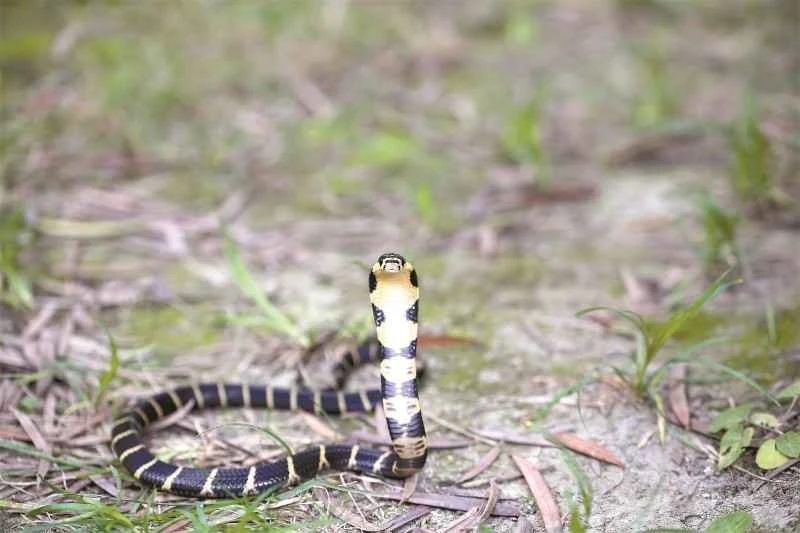
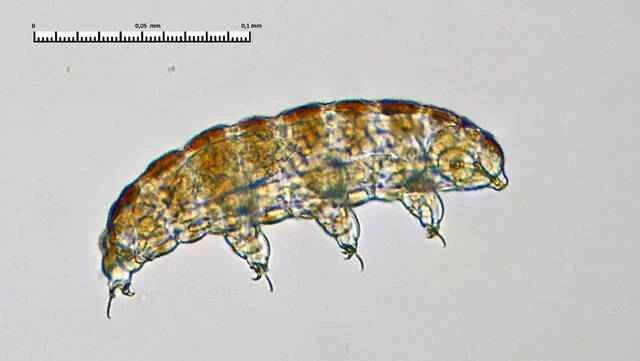
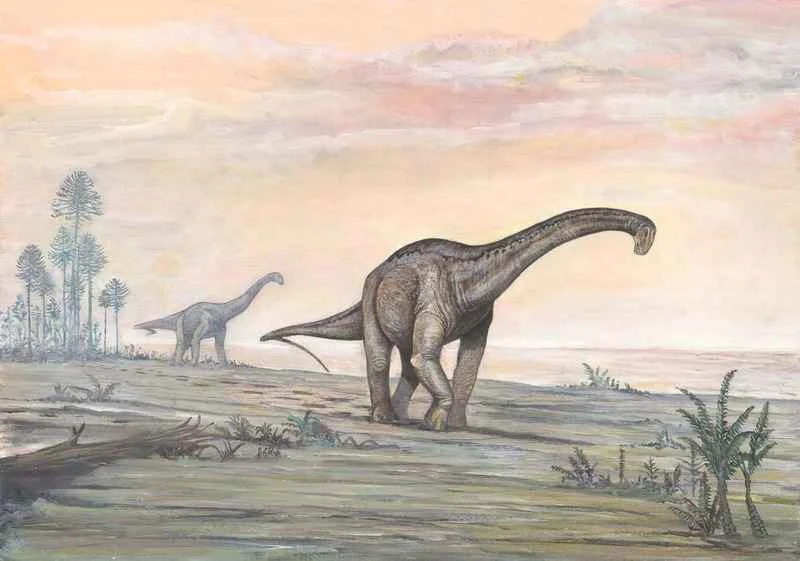
All different kinds of organisms on Earth share more or less common characteristics, and the common explanation for this phenomenon is that they all originated from a common ancestor. For example, all mammals have hair because animals such as sheep, lions, dolphins, humans, and bats evolved from a hairy animal species. Hair had already become an important characteristic when this common ancestor appeared. Similarly, sheep and lions breathe air with lungs instead of water with gills; similarly, pigeons, eagles, cobras, and vipers also breathe air with lungs. Therefore, all these animals must have evolved from an ancestor that breathed air with lungs. At the same time, since the number of animal species with lungs far exceeds the number of animal species with fur, and all fur-bearing animals have lungs, we can conclude that the animal with lungs appeared earlier than the first fur-bearing animal, and it is a more ancient ancestor of the animals mentioned above; one of its many descendants became the common ancestor of birds such as pigeons and eagles, another descendant became the common ancestor of snakes such as cobras and vipers, and yet another descendant became the common ancestor of mammals such as sheep, lions, dolphins, humans, and bats.
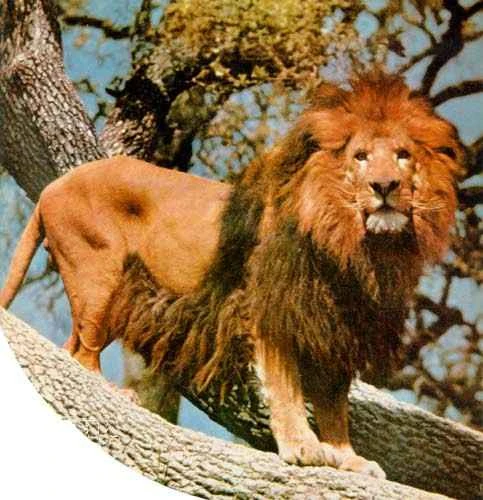
lion
Following this line of reasoning, we can discover that all life on Earth can be categorized and traced back to common ancestors; these ancestral organisms can be traced back to even more ancient ancestors; and finally, the earliest ancestor of all life can be traced back to a single organism that lived in the very, very distant past. Describing this process with a line diagram is like a large tree with a base originating from a main trunk, branching out upwards (of course, some intermediate branches failed to continue developing upwards). We call this a phylogenetic tree (also known as an evolutionary tree).
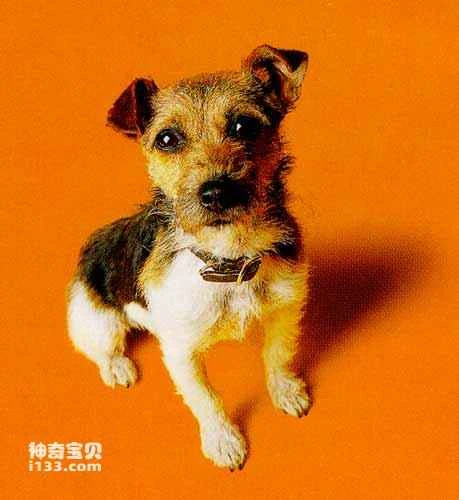
dog
We can all sense that the relationships between various organisms vary in closeness. For example, while both are animals, monkeys are more similar to humans than dogs; and while both are primates, chimpanzees are more human-like than monkeys (chimpanzees lack tails while monkeys do, which is proof of this). Based on this understanding, the 18th-century Swedish scientist Linnaeus pioneered a biological classification system, dividing organisms into a series of taxonomic ranks from highest to lowest according to the degree of similarity in their morphological structures. Through continuous refinement and development by later generations, this classification system is now basically divided into the following ranks from highest to lowest: Kingdom, Phylum, Class, Order, Family, Genus, and Species.
A Shih Tzu, a Poodle, a Scottish Collie, and a German Shepherd may look very different, but we know they are, in a sense, the same species. This is because they share very similar biological structures, especially common genetic material—genes. Recalling the metaphor of a "factory of life," we can figuratively say that the information recorded on the "magnetic tape" of the same species' "central control system" must reflect the same "design philosophy."
In scientific terms, a species is the most basic unit of biological classification. It refers to a collection of organisms that share certain morphological and physiological characteristics, possess a common gene pool, are distributed within a certain geographical range, and occupy the same ecological niche. Individuals of the same species can randomly interbreed and produce reproductive offspring; individuals of one species generally do not interbreed with individuals of other species, or if they do, they cannot produce reproductive offspring. A species is named using the binomial nomenclature system established by Linnaeus, which assigns each organism a Latin name using two words: the first word is the genus name, and the second word is the species name.
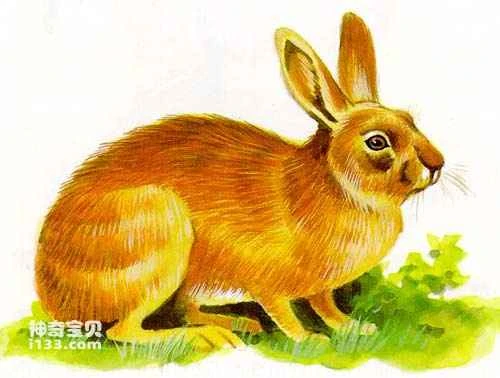
rabbit
Even among distantly related species, such as bats and whales, the similarities in their "design philosophy" often far outweigh their outward differences. Bats and whales are both mammals that evolved from a relatively distant common ancestor, and the "design philosophy" upon which they depend for formation and survival is largely the same. For example, the organizational structure of their respiratory, digestive, and excretory systems, the distribution of their nervous and circulatory systems, the methods of skin and bone formation, the ways they maintain a constant body temperature, and the types of protein molecules that make up their bodies—all these, along with many other aspects, show more similarities than differences between bats and whales. Therefore, these two animals can, in a sense, be considered the same type of animal despite their different appearances, although further in-depth research is needed to confirm this. As for carp and rabbits, even more in-depth research is required to see where they are similar; similarly, the similarities between carp and rabbits outweigh their differences.
Based on this "design philosophy" and the similarities and differences in morphological characteristics at different depths of research, we can divide organisms into hierarchical levels: for example, genera composed of many species, families composed of many genera, orders composed of many families, classes composed of many orders, phyla composed of many classes, and finally, kingdoms composed of many phyla. Between these basic classification levels, we can also insert slightly higher (superfamilies) and slightly lower (subfamilies, subfamilies), such as slightly higher superfamilies, slightly lower subfamilies, and so on. Thus, we have discovered that the diversity of life on Earth is not a chaotic mess; the similarities and differences among various organisms are expressed in an orderly manner at different levels.

roses
So, how do we compare bats and roses? These two creatures undoubtedly differ in their higher-level "design philosophy." Roses lack anything like the membranous wings of bats, bones, hearts, and the ability to emit ultrasonic waves to detect obstacles, etc. Undoubtedly, the difference between bats and roses represents a higher level of distinction in the existing world of life; we define this level as kingdoms. The widely accepted high-level biological classification system is the five-kingdom system, which divides all organisms into the Prokaryotes, Protists, Fungi, Plants, and Animals.