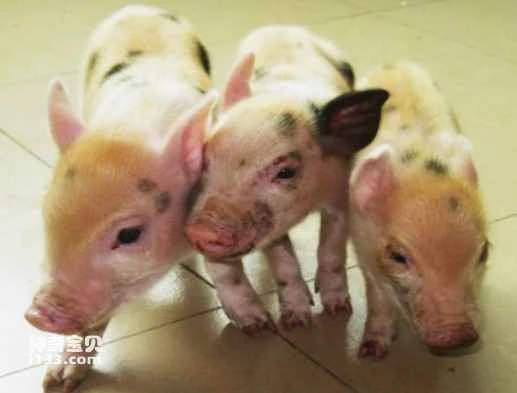
When we visit zoos, botanical gardens, and aquariums; when we stroll through forests, grasslands, and fields; when we boat on rivers, lakes, and seas, we are constantly experiencing the wonder and vastness of the living world. Flowers, trees, insects, fish, birds, and beasts—all creatures vie freely under the frosty sky.

Mount Everest
From the equator to the poles, from the ocean floor at a depth of over 11,000 meters to the summit of Mount Everest at an altitude of over 8,000 meters, life thrives everywhere on the Earth's crust, whether it be mountains, plains, deserts, farmlands, forests, grasslands, rivers, lakes, or seas. Even in the stratosphere, 10 kilometers above sea level, migratory flocks of birds and insects can be found soaring, and various single-celled microorganisms floating with the air currents are not surprising at all.

Paleozoological Museum of China
This 21-kilometer-thick layer of life on Earth's surface is called the biosphere.
In this vibrant biosphere, life—that is, living things—is not only abundant in number but also incredibly diverse. According to incomplete statistics, there are over 1.6 million species of organisms living today, including more than 400,000 plant species, over 1.1 million animal species, and at least 100,000 microorganisms. Scientists estimate that there may actually be as many as 8 to 10 million species living on Earth. This means that at least four-fifths of the species living on Earth today await further discovery and identification.
The diverse species and abundant number of organisms, along with their interrelationships, constitute the diversity of life on Earth.
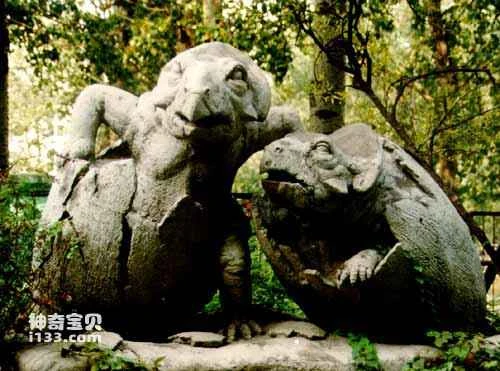
Dinosaurs at the Paleozoological Museum of China
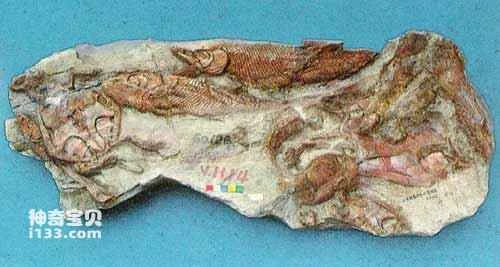
fish fossils
If we then visit the Paleozoological Museum of China, not far west of the Beijing Zoo, we will be presented with another profound, vast, and mysterious world. Enormous dinosaurs and a variety of bizarre ancient fish and prehistoric monsters tell us that, tracing back along the trajectory of time, the ancestors and distant relatives of modern life in countless bygone worlds have, for over 3 billion years, kept the Earth vibrant with life, like waves crashing against each other. Compared to over 3 billion years of life history, a human lifespan or a generation of modern life seems insignificant; similarly, compared to all the species that have lived on Earth over the past 3 billion years, modern life is but a drop in the ocean. Based on current research and analysis of fossils, scientists estimate that only about one in every 5,000 to 10,000 ancient species is fortunate enough to become a fossil and survive; considering the time it takes for new species to replace older ones, it is estimated that around 1 billion species have lived on Earth since the emergence of life!
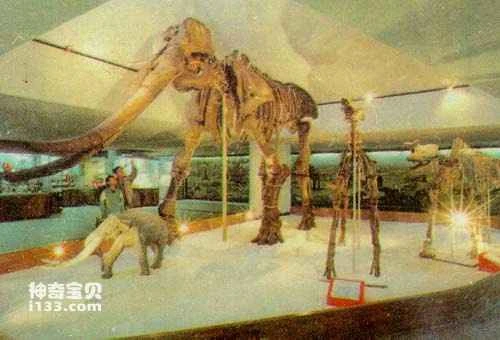
Ancient mammals at the Paleozoological Museum of China
This is an astronomical figure!
While marveling at the vast and diverse array of life forms and species on Earth, you might wonder: do these billions of organisms simply exist and perish without any connection, or are they intricately linked? If so, what is the most fundamental element that runs through all life cycles or connects all species? This question has been relentlessly explored and refined by biologists and paleontologists. In our paleontology museum, you will learn many answers and the latest developments regarding this question.