Thanks to paleontological research, humans have discovered a large number of carnivorous dinosaur fossils in Jurassic-Cretaceous strata in North America, China, Africa, and South America. These bipedal "apex predators" played a key role in ancient ecosystems—regulating the populations of herbivores and omnivores and maintaining the balance of the energy pyramid.

Table of contents
What common characteristics did carnivorous dinosaurs have? When did they live?
What did carnivorous dinosaurs eat?
Types of carnivorous dinosaurs (by habitat and feeding strategy)
List of carnivorous dinosaurs (with brief descriptions)
Detailed Explanation of Representative Species
Tyrannosaurus rex
Velociraptor
Allosaurus
Spinosaurus
Examples of the largest and smallest carnivorous dinosaurs
"Carnivorous Dinosaurs" in Jurassic Park/World and Common Misconceptions
Further Reading and Frequently Asked Questions (FAQ)
1) What common characteristics did carnivorous dinosaurs have? When did they live?
Common characteristics (summary)
Bipedal walking : The hind limbs are well-developed for running and pouncing; the forelimbs are "liberated" from the main walking movements and used for grasping, tearing or supporting.
Serrated, curved teeth : advantageous for cutting muscles and tendons; some groups have blade-shaped or conical teeth (corresponding to different prey).
The skull and neck are adapted for biting and tearing : the robust cervical vertebrae and powerful jaw muscles bring amazing biting force; some groups have a high degree of mobility between the skull plates, which is conducive to swallowing larger pieces of meat.
Hollow long bones : reduce weight and improve athletic performance (but not to the same degree across all groups).
"S" shaped neck : Elevates the head, expands the field of vision, and facilitates rapid attack.
Curved and sharp claws : The forelimbs and feet often have strong claws, which are good at grasping, controlling and tearing.
Time and stratigraphy (more commonly seen as a misunderstanding)
The Age of Dinosaurs = Mesozoic Era (approximately 252-66 million years ago ), including the Triassic, Jurassic, and Cretaceous periods.
Non-avian dinosaurs went extinct at the end of the Cretaceous period (about 66 million years ago); birds are the dinosaur lineage that has survived to this day .
The literature occasionally includes the claim that the "Age of Dinosaurs" extends to the Cenozoic Era, but this is not accurate under strict academic standards: only bird dinosaurs continued into the Cenozoic Era , while non-bird dinosaurs became extinct.
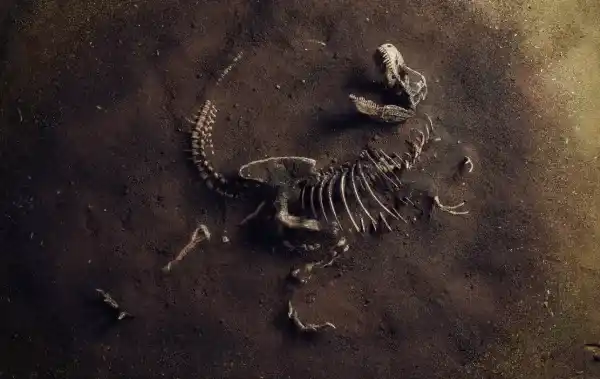
2) What did carnivorous dinosaurs eat?
Their diet is primarily carnivorous, encompassing both generalist predators (eating anything they see) and specialized hunters (preferring specific types of prey). Common foods include:
Other dinosaurs (especially small to medium-sized herbivores/omnivores, and may also have preyed on smaller carnivorous dinosaurs)
Small mammals, lizards, amphibians and other small vertebrates
Fish (such as spiny dinosaurs) exhibit clear adaptations to eat fish.
Carrion : Many carnivorous dinosaurs also scavenged carcasses, making them opportunistic.
Clues come from a combination of evidence including tooth marks, bone healing, fossilized stomach contents, coprolites, stable isotopes, and sedimentary environment.
3) Types of carnivorous dinosaurs
According to habitat
Terrestrial carnivorous dinosaurs : The vast majority of theropods belong to this category, such as Tyrannosaurus Rex, Allosaurus, and Velociraptor.
Semi-aquatic/hydrophilic types : such as spiny dinosaurs, with long and narrow skulls, conical teeth, and obvious adaptations for swimming and fishing.
Important correction : There were no "marine dinosaurs." The apex predators of the ancient oceans were mostly marine reptiles (not dinosaurs).
Ichthyosaurs (such as Ichthyosaurus), plesiosaurs/pliosaurs (such as Kronosaurus, a pliosaur-like plesiosaur in the genus Kronosaurus ), and mosasaurus (such as Mosasaurus, a giant marine lizard). They are not dinosaurs .
Based on feeding strategies (inferred from fossil evidence)
Primarily scavenging : Its slender jawbone makes it well-suited for feeding on soft tissues from corpses.
Cooperative hunting : They can work together to hunt large prey; evidence comes from isotopic burial, footprints, and evidence of group attacks on prey skeletons (the strength of evidence varies among different groups).
Solo hunter : A top predator with a large size and strong bite force that can hunt alone.
4) List of carnivorous dinosaurs (with brief descriptions)
Note: The following genera names have been reclassified historically; some are not strictly "carnivorous," but are traditionally included in discussions of carnivorous or "meat-based" theropods.
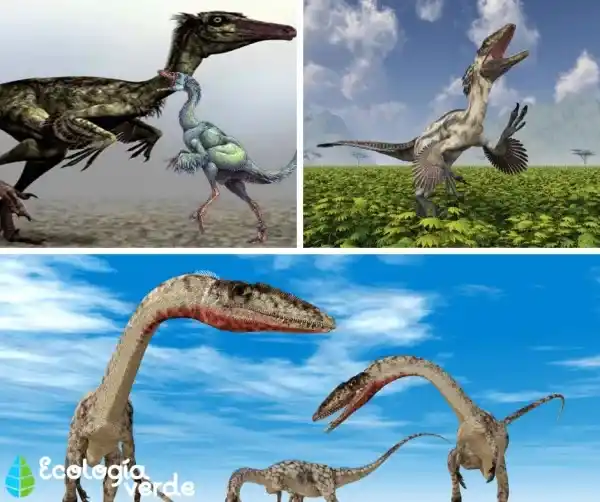
Dilophosaurus : An early large theropod from the Early Jurassic period, with a double crest on its head.
Carnotaurus : Short snout, horn, and extremely short forelimbs, making it an outstanding runner.
Ceratosaurus : with prominent nasal horns, strong jaws, and serrated teeth.
Velociraptor : Small and agile, with a well-developed sickle-shaped claw on its second toe; evidence suggests it had feathers.
Tyrannosaurus rex : A top predator in North America during the Late Cretaceous, with an astonishing bite force.
Allosaurus : A large predator commonly found in North America during the Late Jurassic period.
Albertosaurus : Belongs to the Tyrannosauridae family, the same as Tyrannosaurus Rex, but slightly smaller in size.
Spinosaurus : sail-like back, long snout, conical teeth, and ample evidence of feeding on fish.
Elaphrosaurus (Light Dragon) : Slender body, good at running.
Coelophysis : an early small theropod, famous for its numerous fossil beds.
Compsognathus : Small in size, likely preying on small vertebrates.
Gallimimus : Toothless beak, traditionally classified as a "carnivorous dinosaur," but more likely omnivorous/feeding on small animals and plants .
Oviraptor : Toothless beak, primarily feeds on small animals, eggs, and mollusks , and may be omnivorous .
Noasaurus : One of the representatives of small predators in the Southern Hemisphere.
Herrerasaurus and Staurikosaurus : Early theropod morphology of the Late Triassic period.
Segnosaurus : Historically classified as a carnivore, it is now generally considered to belong to the therizinosaurs (primarily herbivorous) . It is marked here as having an atypical diet to distinguish it.
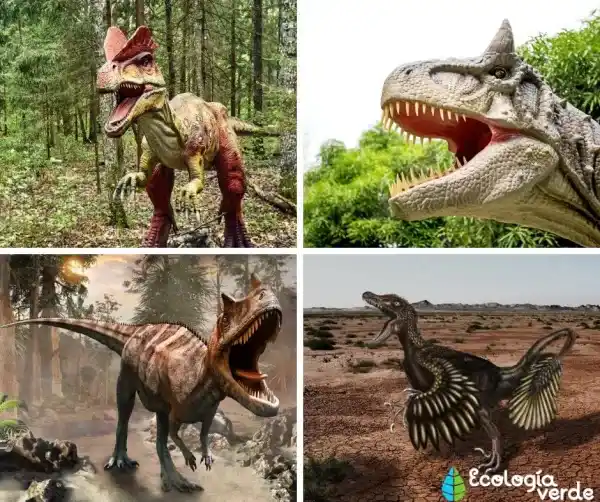
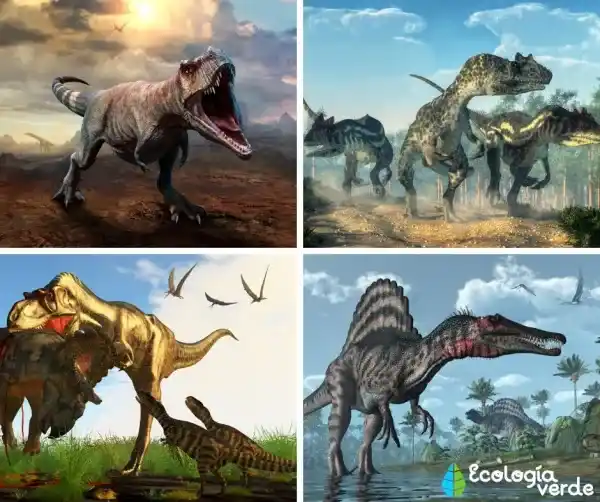
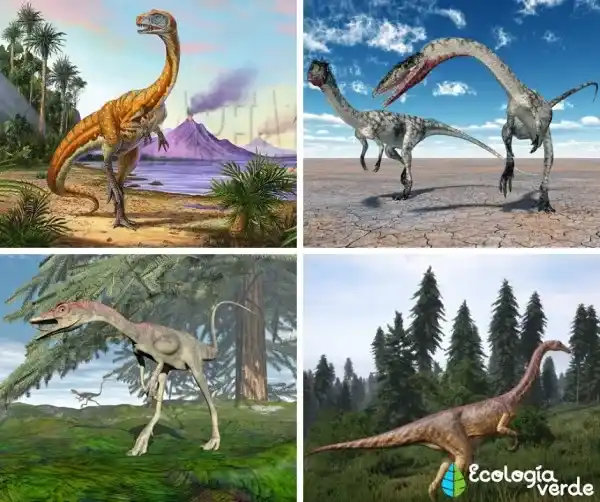
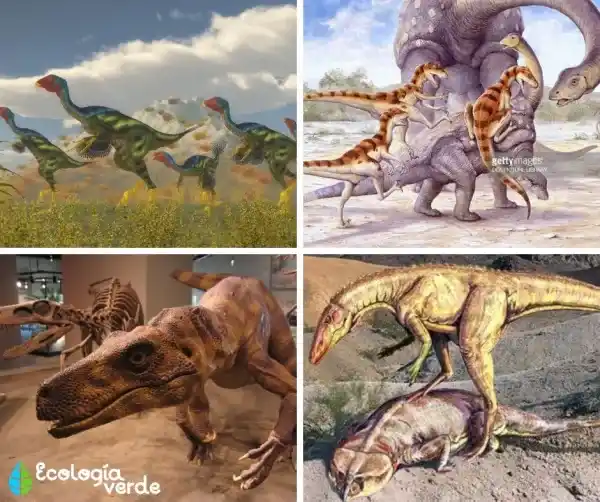
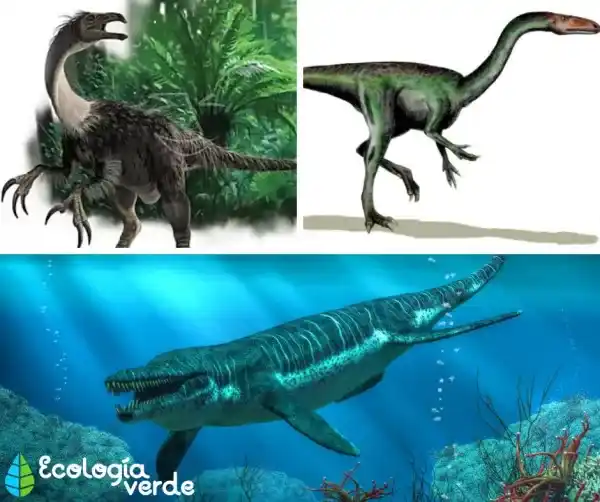
Kronosaurus is often mistakenly classified as a "marine carnivorous dinosaur" by the public, but it is actually a plesiosaur (marine reptile) and not a dinosaur.
5) Detailed explanation of representative species
Tyrannosaurus rex
Age and distribution : Late Cretaceous, mainly found in North America.
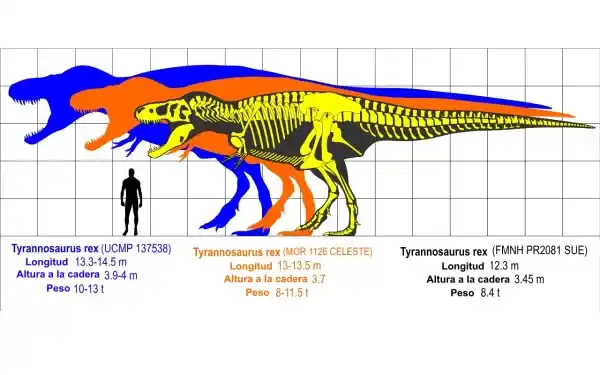
Size : Approximately 12–13 meters in length (individual variations exist), and weighing approximately 6–9 tons . The massive skull and thick teeth provide exceptional bite force; the robust hind limbs support high-speed sprints; the short forelimbs are not useless, and may play a role in situations such as getting up and securing prey.
Predation and Behavior : Considered an opportunistic apex predator —capable of both active hunting and scavenging. Tooth marks and bone stress models show that its attacks can tear ligaments and crush bones, facilitating the swallowing of large pieces of meat and bone.
Velociraptor
Age and distribution : Late Cretaceous, mainly found in Eurasia, including Mongolia.
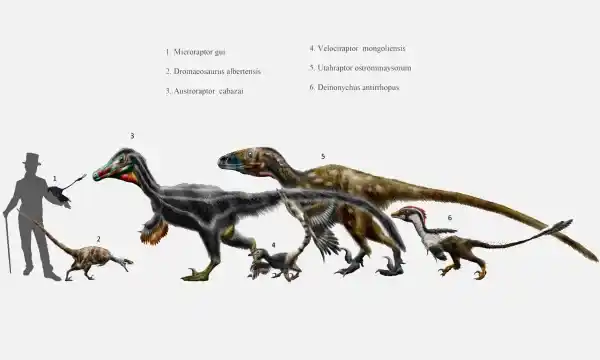
Size and weaponry : Approximately 2 meters in length and weighing 15–20 kilograms ; the second toe possesses a large, sickle-shaped claw , normally raised to protect the blade, used to pierce the prey's vitals during attacks. The forelimbs also have sharp claws. Fossil evidence indicates it was covered in feathers .
Sociality and group hunting : Whether there was "long-term group hunting" remains controversial, but there is buried evidence of multiple individuals and common prey; it can be inferred that they had a certain ability to hunt in a coordinated manner.
Allosaurus
Era and distribution : Late Jurassic North America and Portugal, etc.
Characteristics : Adult individuals have skulls that can reach 80–90 cm in length; a mouth full of serrated teeth; and powerful forelimbs and claws.
Possible diet : Primarily consisting of stegosaurs, sauropods , etc. Some studies propose the " axe-cutting " feeding hypothesis—relying on the swinging of the neck and skull to tear large pieces of tissue.
Spinosaurus
Age and distribution : Middle to Late Cretaceous, mainly in North Africa, with close relatives, Spinosaurus, also found in Europe and South America.
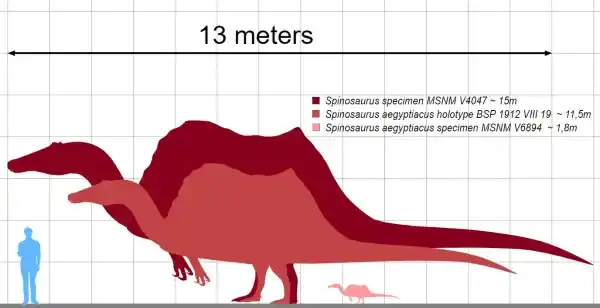
Key features : Body length estimated at 14–16 meters (varies among different reconstructions); dorsal sail composed of elongated neural spines; long snout, conical teeth , and skull canal structure adapted for fishing . Limbs and tail show semi-aquatic adaptations.
The function of the sail : it may be used for display, thermoregulation, or species identification; currently, multiple hypotheses exist.
6) Examples of the largest and smallest carnivorous dinosaurs
Large representatives (roughly sorted by body length; values may vary across different studies).
Spinosaurus (approximately 14–16 m, with a pronounced semi-aquatic tendency)
Tyrannosaurus rex (approximately 12–13 m)
Carcharodontosaurus and Giganotosaurus (both approximately 12–13 m, large predators in South America/Africa)
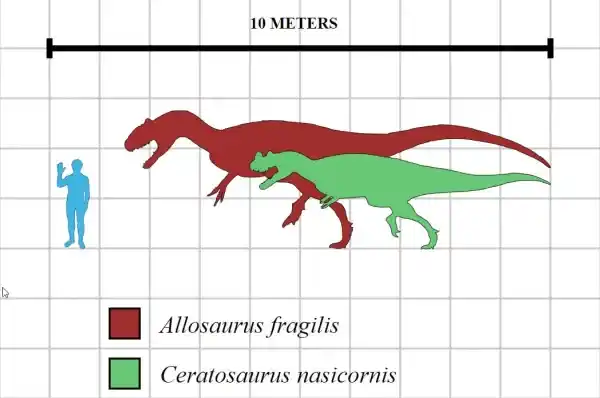
Allosaurus (c. 8–12 m, Late Jurassic)
Saurophaganax (approximately 10–11 m, a close relative of Allosaurus)
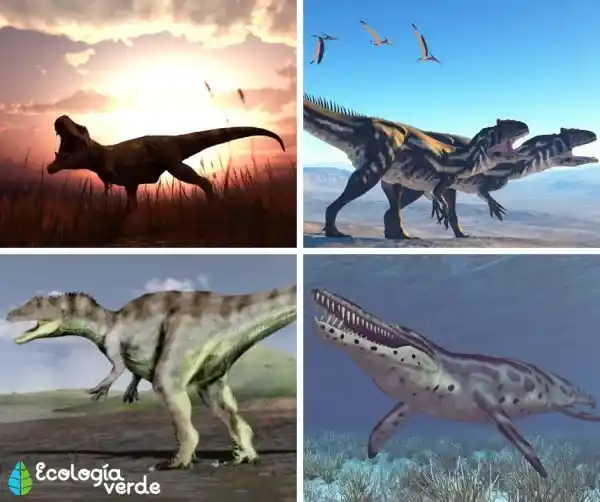
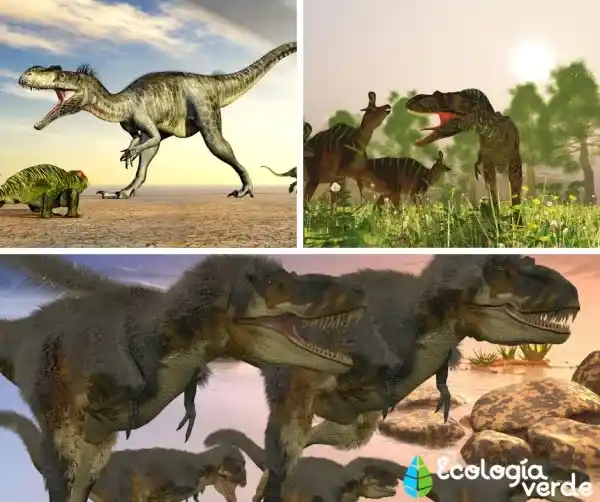
The list contains Kronosaurus , which should be classified as a marine reptile , not a dinosaur .
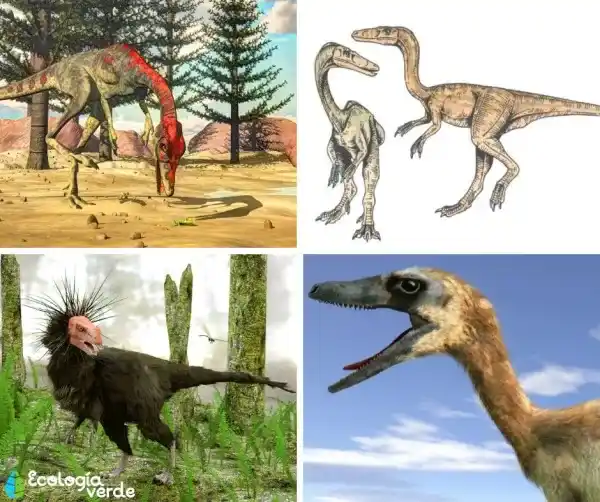
Small Representative
Compsognathus (approximately 0.7–1.4 m)
Segisaurus (approximately 1 m)
Ornitholestes (approximately 2 m)
Saurornithoides and Stenonychosaurus (approximately 2 m; the latter's genus name has been systematically reorganized; both are light predators closely related to dromaeosaurids/troodontids, with a diet that may be omnivorous)
Deinonychus (approximately 3 m)
Coelophysis (approximately 3 m)
7) The "Carnivorous Dinosaurs" in Jurassic Park/World and Common Misconceptions
List of common movie titles (with their actual attributes noted)
Tyrannosaurus rex, Velociraptor, Spinosaurus, Baryonyx, Suchomimus, Ceratosaurus, Metriacanthosaurus, Gallimimus (more likely to be omnivorous)
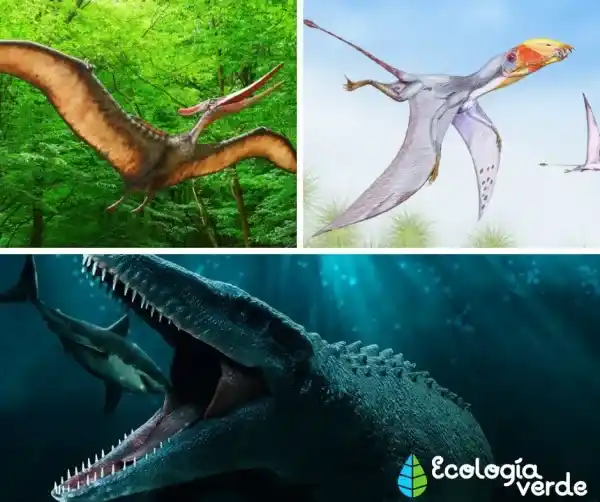
Pteranodon and Dimorphodon : Pterosaurs, flying reptiles, not dinosaurs.
Mosasaurus : A marine reptile, not a dinosaur.
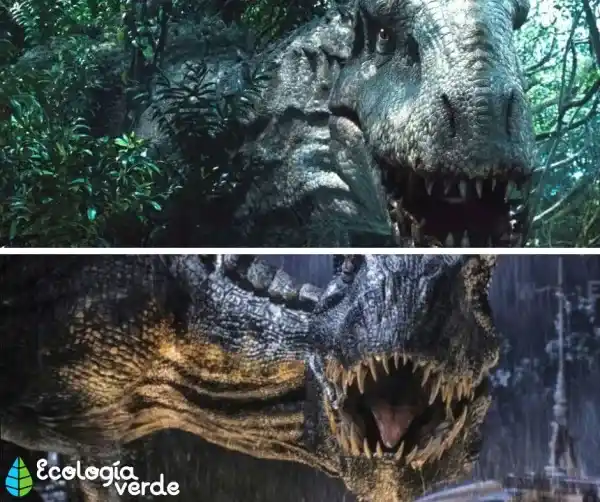
Indominus rex, Indoraptor : Fictional species from the film
8) Further Reading and FAQ
Q1: Did carnivorous dinosaurs always hunt in groups?
Not necessarily. Evidence suggests that both group cooperation and solitary apex predators exist. There are significant differences between different groups and in different environments.
Q2: Was Tyrannosaurus Rex a scavenger or a hunter?
Most scholars believe it to be an opportunist : it is capable of both active hunting and utilizing carrion resources.
Q3: Are there any "marine dinosaurs" among dinosaurs?
Strictly speaking, no. The top marine predators were mostly marine reptiles such as ichthyosaurs, plesiosaurs/pliosaurs, and mosasaurs ; they belonged to the same archosaur group as dinosaurs, but in a different phylogenetic position .
Q4: Did Velociraptor have feathers?
There is conclusive evidence that Velociraptor and its close relatives possessed feathers . Feathers may have initially served for insulation and display, and later evolved into flight capabilities in some lineages (ultimately perfected in birds).
Conclusion
Carnivorous dinosaurs were key "engineers" of Mesozoic terrestrial ecosystems. Through their morphological adaptations and predation strategies, we can not only understand the energy flow of ancient ecosystems but also glimpse the power of evolution to shape biological forms.
bibliography
Norman, D. (1992) *The Illustrated Encyclopedia of Dinosaurs: A Complete and Exciting Journey Through the World of Dinosaurs*. Susaeta Publishing, pp. 50-92.
Sanz, JL & Buscalioni, AD (1990), "Dinosaurs and Their Biological Environment: The Evolution of Carnivorous Dinosaurs," Proceedings of the Second Paleontology Course in Cuenca, Cuenca City Council, pp. 125-151.