In the wondrous world of dinosaurs lived a diverse array of species, each possessing astonishing appearances, unique survival strategies, and varied diets. Among them, one of the most numerous and diverse groups was the herbivorous dinosaur . Throughout the Jurassic period and the entire Mesozoic Era, they fed on a wide variety of leaves and plants, evolving astonishing physical structures adapted to different vegetation environments.
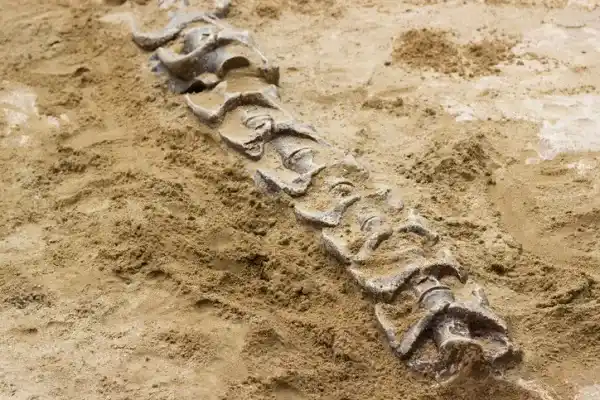
Thanks to paleontologists' research on dinosaur fossils, footprints, and even dinosaur eggs, we can not only learn about their names and appearances today, but also gain insight into their living habits and ecological roles.
This article will take you into the world of herbivorous dinosaurs, providing a comprehensive understanding of their characteristics, dietary habits, main types, and representative species , along with fun facts to help you better understand these prehistoric giants.
I. Main characteristics and lifespan of herbivorous dinosaurs
In order to survive in a world full of ferocious carnivorous dinosaurs, herbivorous dinosaurs evolved many special body structures and defense mechanisms:
Enormous size and weight : Weight varies greatly among different species, ranging from small herbivorous dinosaurs weighing about 0.5 tons to super behemoths weighing up to 123 tons. The larger the size, the lower the speed and agility, but the massive body can also intimidate predators.
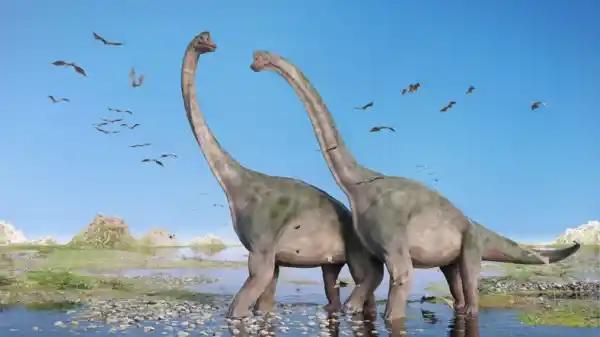
Neck structure : Most herbivorous dinosaurs had long necks, which allowed them to easily reach high leaves or low plants, maximizing their feeding range.
Teeth and chewing method : Their teeth are blunt and broad, suitable for tearing and crushing plants, but their lower jaws lack complex lateral movements, so some species will swallow leaves whole and then rely on their stomachs to digest them.
Enormous stomach and digestive capacity : They can ingest up to 200 kilograms of plants per day. Some species swallow small stones (gastroliths) to help grind plant fibers.
Era of life : Herbivorous dinosaurs lived during the Mesozoic Era (approximately 252 million to 66 million years ago), including the Triassic, Jurassic, and Cretaceous periods, a period known as the "Age of Dinosaurs."
II. Food Sources of Herbivorous Dinosaurs
Their recipes are extremely diverse, covering:
The tender leaves of tall trees (such as conifers and cycads).
low shrubs and ferns
Herbs and ground vegetation
Some of the harder plant organs, such as pine cones and hard leaves, etc.
Different dinosaurs developed unique feeding methods based on differences in neck length, mouth shape, and tooth structure. For example, long-necked dinosaurs could reach high leaves, while species with beaks were better suited to precisely picking fruits or buds.
III. Two main types of herbivorous dinosaurs
Sauropods
It walks on four legs and has a hip structure similar to that of a lizard.
Features: long neck, long tail, and giant body.
The teeth are mostly columnar or pencil-shaped, making them suitable for scraping leaves and swallowing them directly.
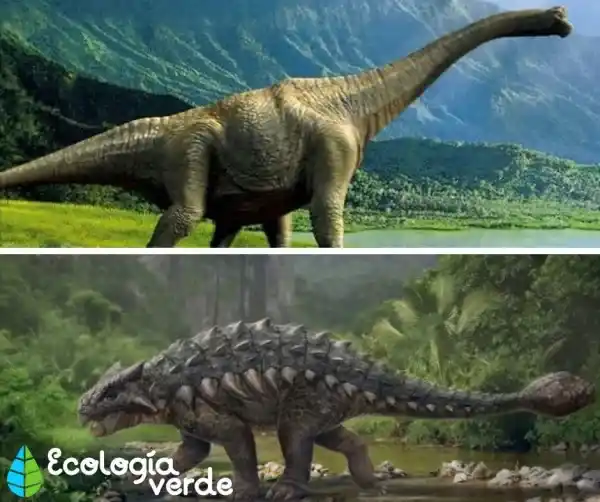
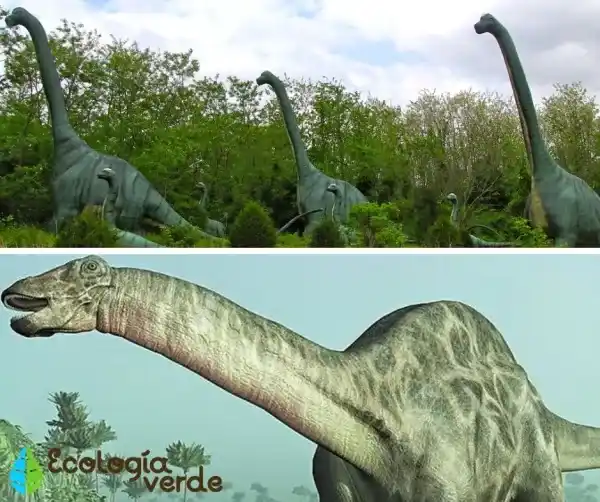
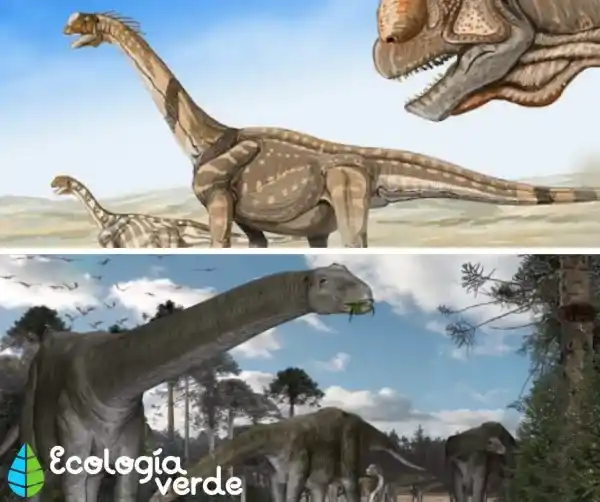
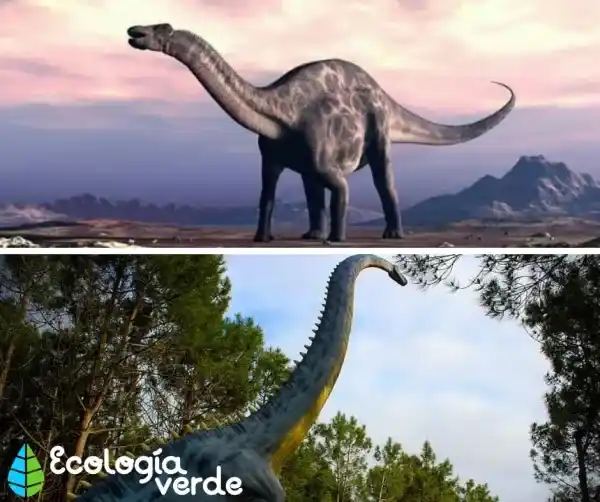
Examples include: Diplodocus, Brachiosaurus, Argentinosaurus, etc.
Ornitísquios (birds)
Its hip structure is similar to that of birds, and some can walk upright using their hind limbs.
They possess beak-like jawbones, and some even have scissor-like teeth, which facilitates precise picking and chewing.
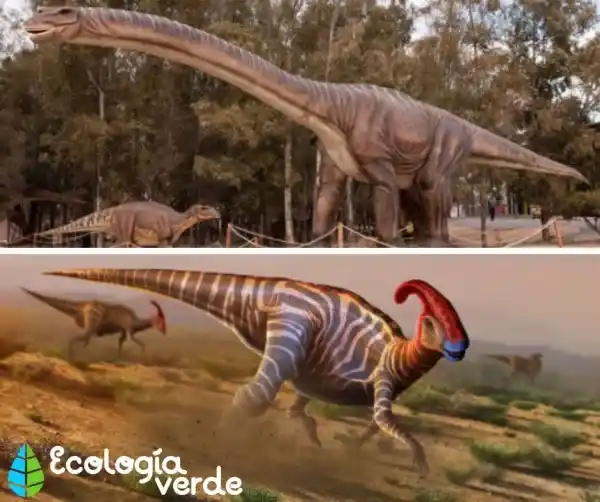
Examples include: Triceratops, Stegosaurus, and Parasaurolophus.
IV. Representative herbivorous dinosaurs and their characteristics
The following is a brief introduction to some famous herbivorous dinosaurs:
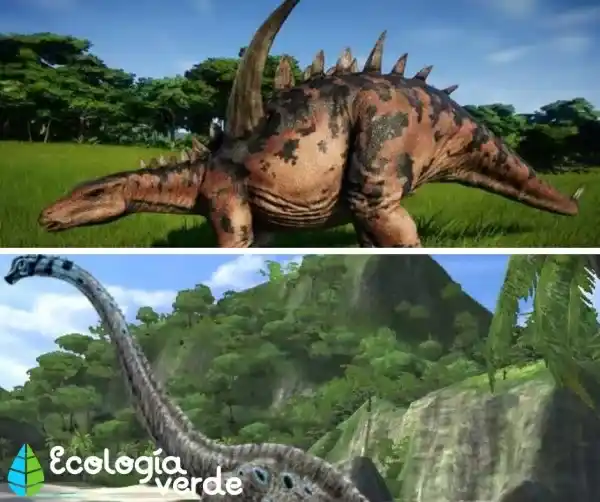
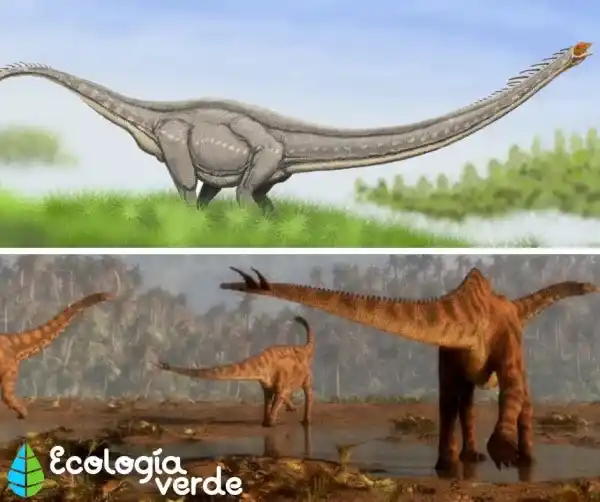
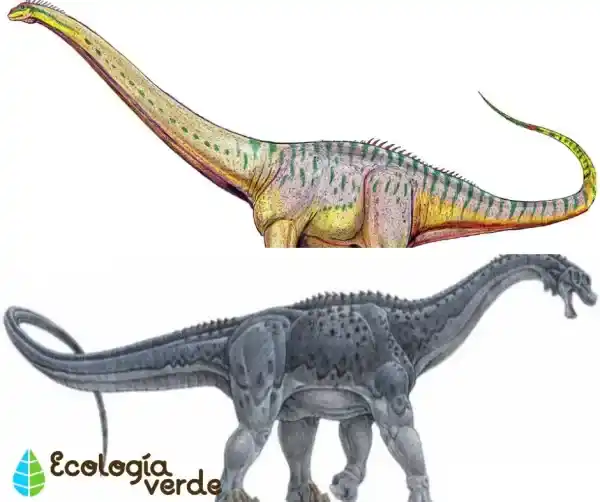
Diplodocus : Up to 36 meters long, with a whip-like tail and a neck that can reach high places to feed.
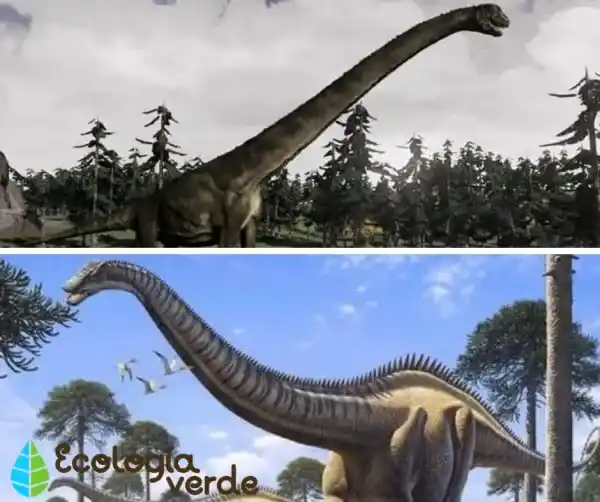
Brachiosaurus : Its forelimbs are longer than its hind limbs, allowing it to reach the leaves of tall trees.
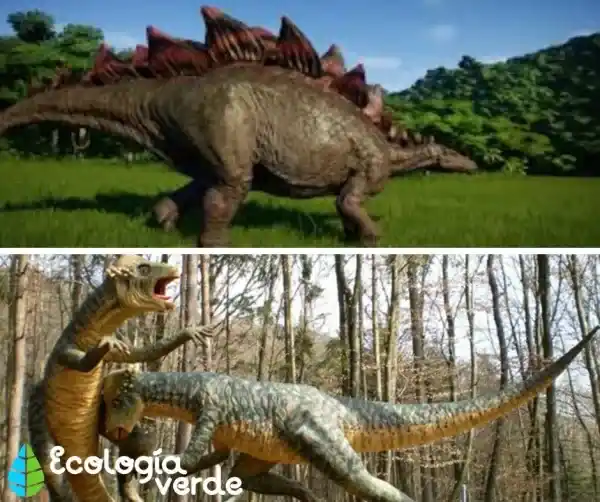
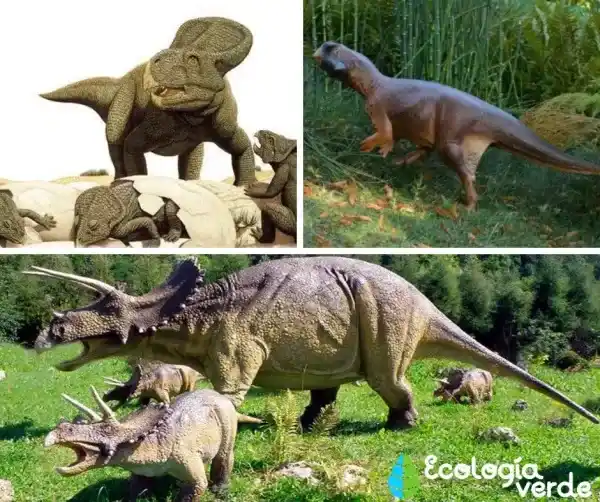
Stegosaurus : It has paired bony plates on its back, which can be used for both defense and temperature regulation.
Protoceratops : Small in size (about 2 meters), it lived in groups and mainly fed on low-growing plants.
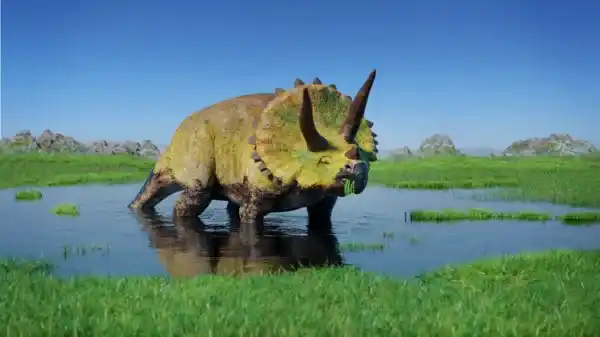
Triceratops : had three horns on its head, used for defense or to compete for mates.
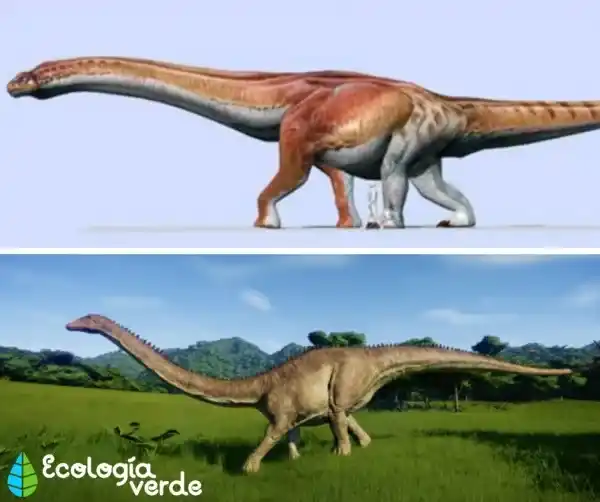
Patagotitan Mayorum : Approximately 37 meters in length, it is one of the largest known dinosaurs.
Brontosaurus : 21 meters long, with a long and powerful tail that can be used for defense.
Apatosaurus : Similar to Brontosaurus, it also relies on ingesting gastroliths to aid digestion.
V. Body Type Comparison
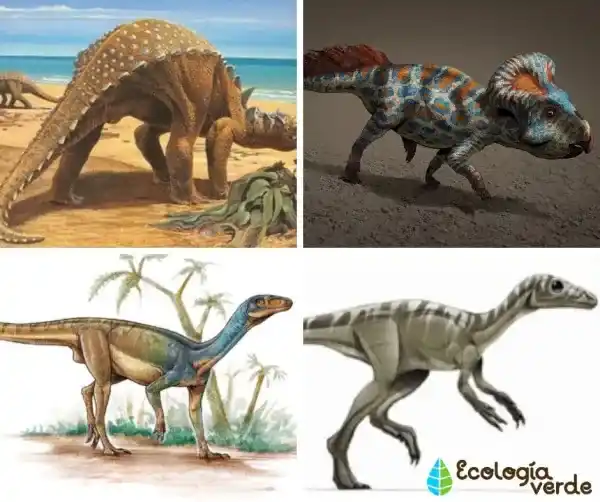
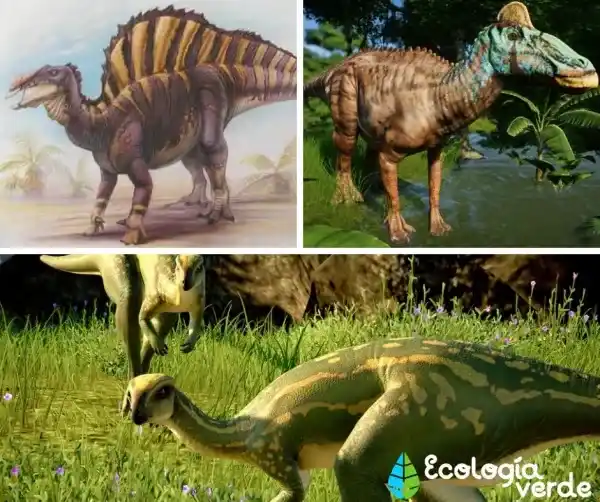
Largest herbivorous dinosaur : Amphicoelias (approximately 50 meters long)
The smallest herbivorous dinosaur : Lagosuchus (approximately 60 cm)
VI. Herbivorous Dinosaurs in Film and Television
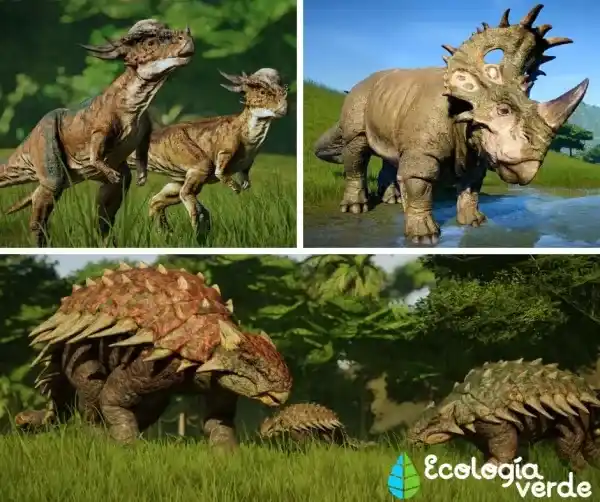
In "Jurassic Park" and "Jurassic World", audiences are familiar with herbivorous dinosaurs such as Brachiosaurus, Triceratops, Ankylosaurus, Stegosaurus, and Parasaurolophus. Their appearance allows the audience to directly experience the magnificence of prehistoric giants.
VII. Conclusion
Herbivorous dinosaurs were not only important members of Earth's prehistoric ecosystems, but also drove the evolution and distribution of plant communities. Their vast numbers and diverse characteristics provide rich research material for paleontology. By understanding these ancient creatures, we can not only appreciate the splendor of ancient life, but also reflect on the fragility and preciousness of modern ecosystems.
bibliography
Salgado, L. (2010) *Patagonian Cretaceous Sauropod Dinosaurs: Evolution and Paleontology*. Argentine Institute for Biodiversity and Environment.
Norman, D. (1992) *The Illustrated Encyclopedia of Dinosaurs: A Complete and Spectacular Journey Through the World of Dinosaurs*. Susaeta Publishing, pp. 50-92.