Bean weevils, especially those belonging to the family Curculionidae, exhibit some of the most fascinating mating behaviors in the insect world. One of the most striking features is the hundreds of tiny spines at the tip of the male bean weevil's genitals. This article will explore the importance of these spines in the mating process, their evolutionary advantages, and the complex world of insect reproduction they reveal.
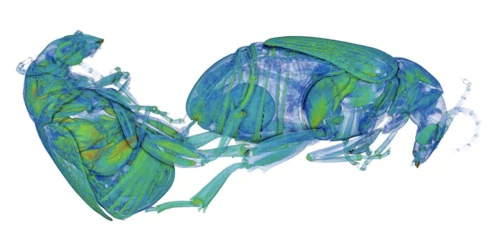
1. Structure of the male bean weevil's reproductive organs
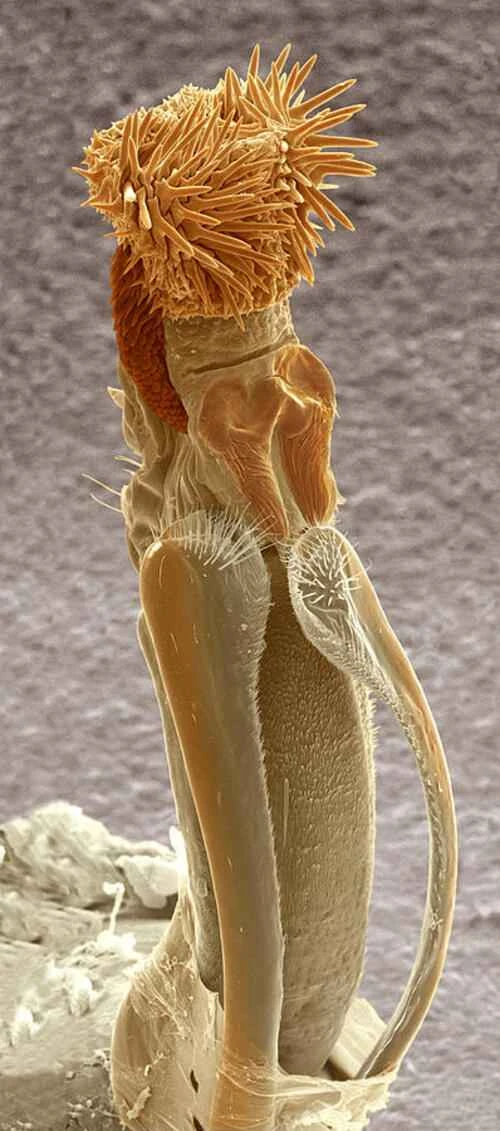
The male bean weevil's reproductive organs are not only designed for transferring sperm, but also have unique adaptations: the tip has hundreds of tiny spines.
Structure and function: These spines are believed to have multiple functions, including gripping the female during mating, ensuring a strong connection, and possibly helping to transfer sperm more effectively.
Species differences: Bean weevils of different species vary in the size and arrangement of these spines, which may affect mating success and species identification.
2. Mating process
The mating behavior of male bean weevils is a fascinating performance involving multiple steps:
Courtship rituals: Before mating, males perform complex courtship displays, including releasing pheromones and using body movements to attract females.
The interaction of spines: During mating, the spines on the male's genitals play a crucial role. They help the male attach to the female, reducing the likelihood of separation and thus increasing the chances of successful sperm transfer.
3. Evolutionary Advantage
The evolution of the spines on the male bean weevil's genitals provides several advantages that enhance reproductive success:
Sperm competition: In species where females mate with multiple males, these spines ensure that male sperm are preferentially used during fertilization, thereby enhancing their competitive advantage.
Prolonged mating time: The presence of spines may lead to a longer mating time, allowing more sperm to be transferred, thus increasing the male's chances of becoming the father of offspring.
4. Effects on female bean weevils
Although the spines provide an advantage for males, they also have a significant impact on female bean weevils:
Physical trauma: The use of thorns can cause physical harm to females during mating, resulting in potential adaptation costs. Some females may develop adaptations to mitigate these risks.
Mate selection: Female bean weevils may choose mates based on the characteristics of male genital spines, suggesting that sexual selection may have played a role in their evolution.
5. Conclusion
The mating behavior of male bean weevils, especially the spines on their genitals, provides fascinating insights into the complexities of insect reproduction. These adaptations not only enhance male mating success but also reflect the ongoing evolutionary struggle between the sexes.
As research continues, our understanding of these complex behaviors deepens, revealing the evolutionary pressures that shape insect mating strategies. The spiky genitalia of male bean weevils demonstrate the astonishing diversity of reproductive adaptations in nature.
Frequently Asked Questions
Question 1: Why do male bean weevils have thorns on their genitals?
Answer 1: These spines help to fix the male to the female during mating, ensuring effective sperm transfer and thus increasing reproductive success.
Question 2: How do the spine morphology vary among bean weevil species?
Answer 2: Different bean weevil species differ in the size and arrangement of their spines, which may affect mating success rates and species identification.
Question 3: What effect do these spines have on female bean weevils?
Answer 3: These spines may cause physical trauma to females during mating, leading to adaptation costs and affecting female mate selection.
By exploring the unique mating behavior of male bean weevils and the spines on their genitals, we have gained valuable insights into the complexity of insect reproduction and the evolutionary strategies that drive it.