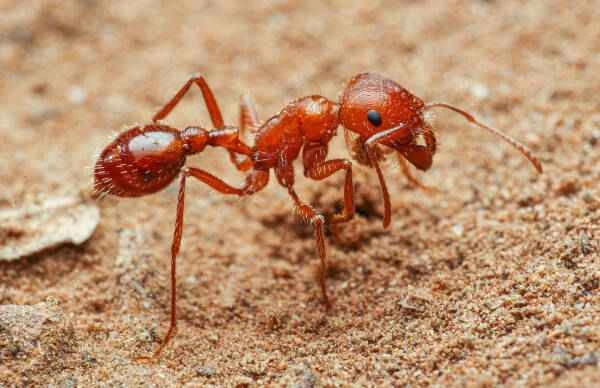
All living organisms possess a skeletal system that provides support, maintains shape, and protects internal organs. Skeletons can be divided into endoskeletons and exoskeletons based on their location. An exoskeleton is a hard outer shell for some animals, resembling a natural suit of armor. Do you know which animals have exoskeletons? This article will introduce you to six animals with exoskeletons and their distinctive characteristics, helping you gain a deeper understanding of these unique creatures.
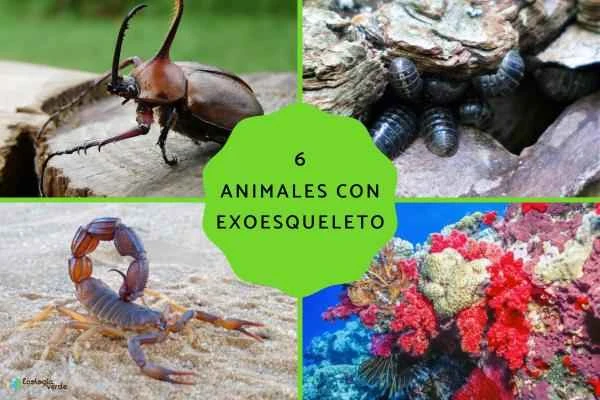
What is an exoskeleton?
Many invertebrates have a hard exoskeleton covering their bodies, which serves to protect, support, and reduce water loss. The exoskeleton is a continuous layer of keratin secreted by the epidermis, and has the following characteristics:
Located on the epidermis, it is a non-cellular structure.
It is mainly composed of chitin, which is hard and not easily bent.
It does not completely cover the body, with some soft areas to facilitate movement.
Animals are restricted in their growth, so they must molt to grow a new shell.
The chemical composition and hardness of an exoskeleton vary depending on the animal's developmental stage, environment, genetic factors, and seasonal changes. For example:
Insects in their larval stage have soft and elastic exoskeletons, which are suitable for frequent molting.
Adult insects harden (keratinize) their exoskeletons, forming sturdy plates (called sclerites) to protect their bodies.
In addition, the exoskeleton can exhibit a wide variety of colors and luster due to the presence of pigments or structural optical effects, such as the wet iridescence on the underside of some beetles.
Possessing common characteristics of exoskeletons
It has no vertebral column and no endoskeleton or cartilaginous skeleton.
It has a metamorphic development process.
Most of them are small animals.
It can adapt to various environments, including land, freshwater, ocean, and air.
The vast majority of them have multiple modes of movement.
It has a rich variety of species.
Introduction to 6 typical animals with exoskeletons
1. Beetle (Coleoptera)
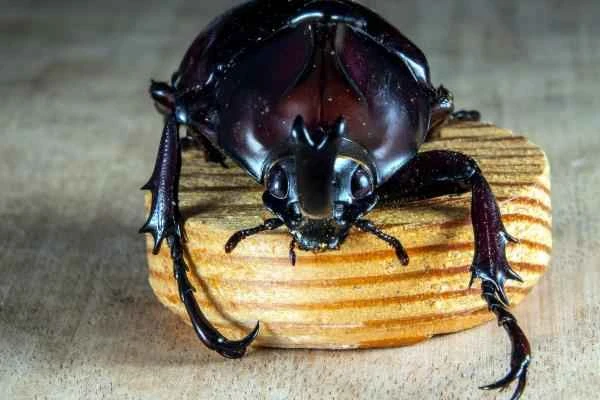
Beetles are one of the most diverse orders in the animal kingdom. They possess a hard exoskeleton that covers almost their entire body, with tightly fused plates providing excellent protection. Many beetles display vibrant iridescent colors, such as the South American green beetle and the Chinese scarab beetle. Some beetles use their bright colors for camouflage or to warn predators.
2. Crustaceans
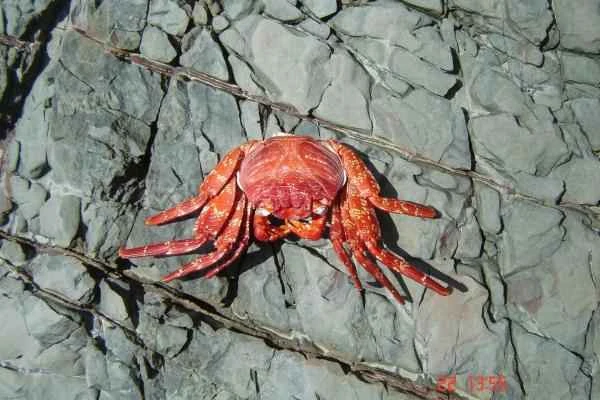
Animals such as crabs, lobsters, king crabs, and prawns possess a hard exoskeleton composed of chitin and calcium carbonate, covering the cephalothorax to form a robust shell. Their exoskeletons are connected by joints, allowing for flexible movement.
3. Coccidia (Isopoda, Oniscidea)
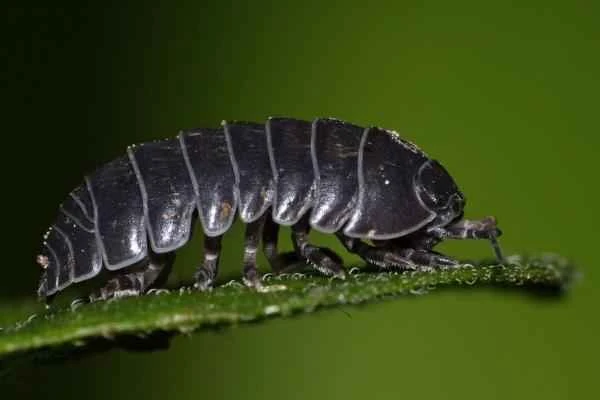
Coccidia have a hard, segmented exoskeleton with a unique folding structure. When threatened, they can curl up into a ball to protect their bodies, making them a rare type of isopod crustacean on land.
4. Diplopoda
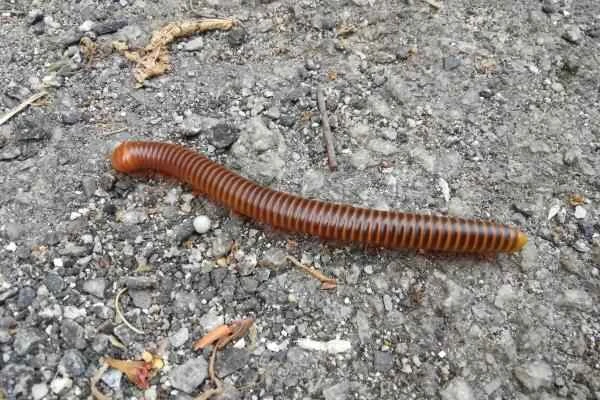
Millipedes have an elongated cylindrical body shape, composed of multiple segments and covered by a hard exoskeleton. The hardness and color of the exoskeleton vary among different families and genera of millipedes; some have bristles, while others have calcium salts embedded in their skeletal plates, providing extremely strong protection.
5. Scorpions
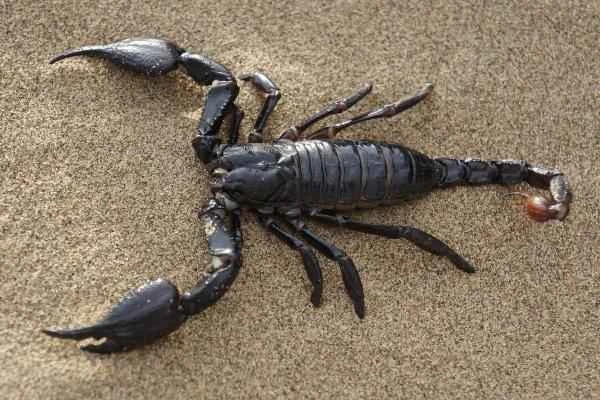
Scorpions possess a tough exoskeleton covering their entire body, and a deadly stinger at the end of their tail. Their cuticle can glow under ultraviolet light, a unique bioluminescence phenomenon.
6. Coral (Corallium)
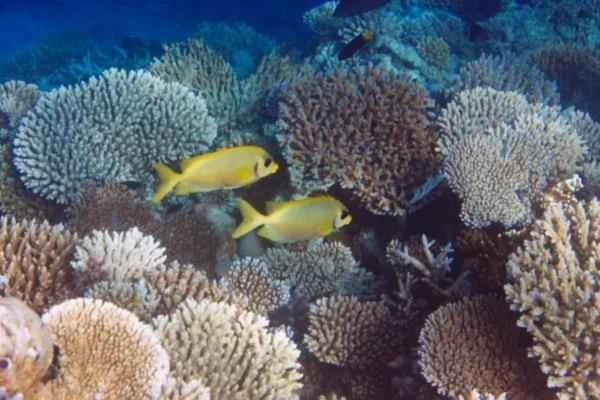
Corals are cnidarians that live in colonies. Their exoskeleton is made of calcium carbonate crystals, forming a coral reef. Each individual coral polyp secretes a hard coral skeleton called a "coral shell," which is an important part of the marine ecosystem.
Conclusion
Animals with exoskeletons are diverse, highly adaptable, and found in every corner of the earth. Their exoskeletons not only protect them but also add rich color and function to ecosystems due to their diverse structures and colors. If you are interested in these animals, please continue to follow our featured articles.
Recommended reading:
What are coral reefs and their ecological value?
Types and characteristics of crustaceans
Biology and classification of scorpions
For more fascinating content, please visit our Wildlife section.
References
De la Cruz-Lozano, J. (2005). “Entomology, Morphology and Physiology of Insects.” URL: https://www.bfa.fcnym.unlp.edu.ar/catalogo/doc_num.php?explnum_id=2992
Salazar-Escobar, JA & Villalobos-Moreno, A. (2021). "Some notes on chitin and iridodia in insects (arthropods: hexapods)".