In nature's food chain, certain animals are known as "animal killers" due to their lethal abilities and influence. These creatures not only conquer prey with sharp teeth, claws, and immense strength, but some also cause enormous damage through tiny pathogens. From the jungles of Africa to the rainforests of South America, and the vast oceans, they are ubiquitous, lurking in every corner. Today, we will unveil the mysteries of these most deadly creatures in nature, exploring why they are among the world's top ten animal killers, and their profound impact on ecosystems and humanity. This is a story about survival, predation, and evolution, where each species demonstrates its unique lethality. Prepare to embark on this thrilling journey to learn about these true apex predators.
1. Mosquitoes
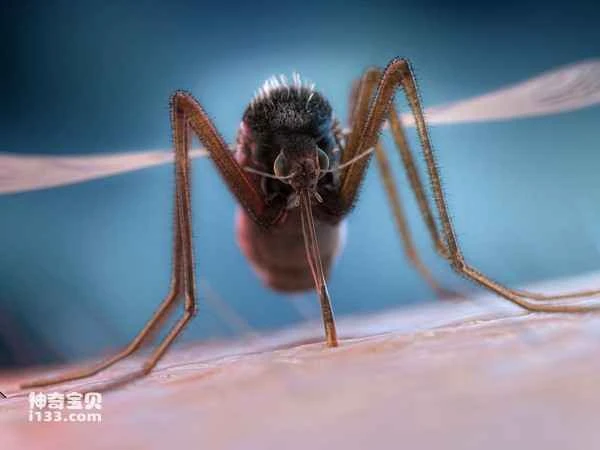
Mosquitoes are known as "animal killers" because they cause a large number of human deaths each year by transmitting deadly diseases. Major mosquito-borne diseases include malaria, dengue fever, yellow fever, Zika virus, and West Nile virus. These diseases not only cause high mortality rates but also have a significant impact on global public health and the economy.
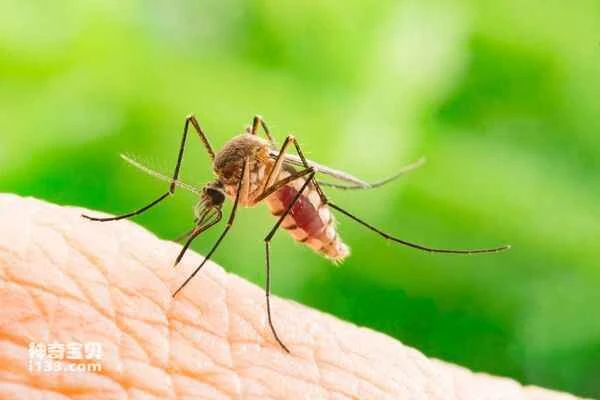
The World Health Organization (WHO) estimates that approximately 700,000 people die each year from mosquito-borne diseases, with malaria being the leading cause of death. The harm caused by mosquito-borne diseases can be effectively reduced through personal protection, environmental control, public health measures, and scientific research.
2. Indian cobra
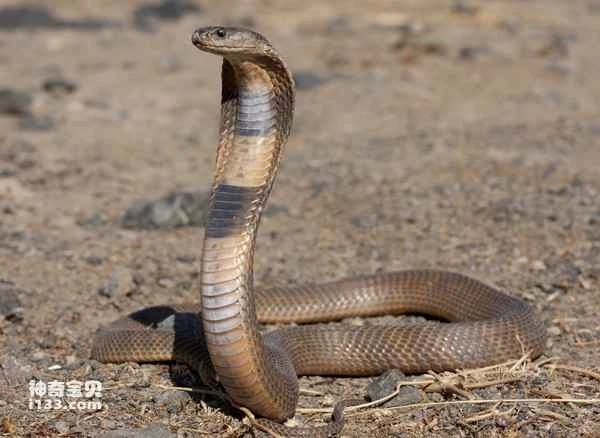
The Indian cobra is known as an "animal killer" primarily due to its highly venomous nature, widespread distribution, and aggressive behavior. Even small doses of Indian cobra venom can be fatal. A single bite can inject enough venom to kill an adult human within a short time.
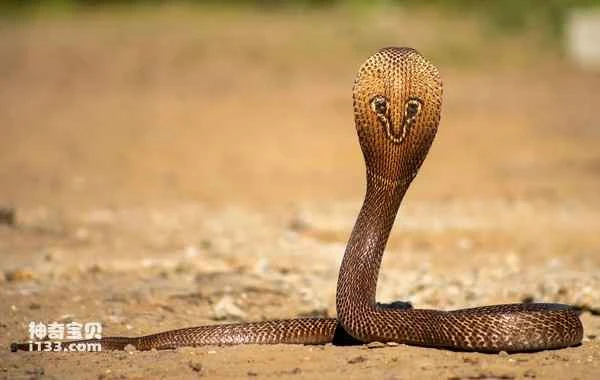
These characteristics make them a significant threat to humans and other animals, especially in areas with limited resources and inadequate medical facilities. Understanding and respecting these deadly creatures is crucial for reducing snakebite incidents and protecting the balance of ecosystems.
3. Australian box jellyfish
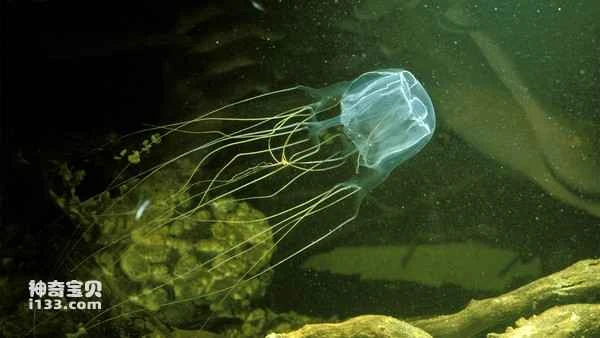
Australian box jellyfish are known as "animal killers" primarily due to their highly lethal venom, rapid lethality, and widespread distribution. The venom of the Australian box jellyfish contains a variety of deadly toxins; even small amounts are enough to kill within a short time. The venom of a single adult box jellyfish can kill up to 60 adults.
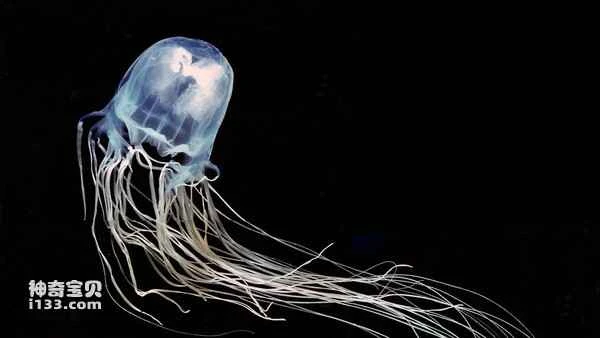
Severe poisoning can even lead to death within minutes. They pose a significant threat to humans and other marine life, with human deaths due to box jellyfish stings reported every year, particularly along the Australian coast. Due to the rapid lethality of their venom, the window for first aid and medical intervention is extremely short.
4. Man-eating shark
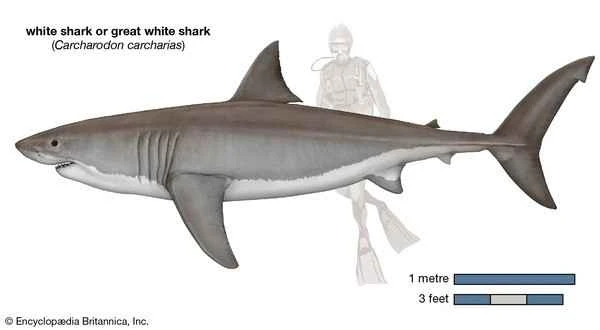
The man-eating shark is one of the most well-known and threatening sharks in the world. It is known as an "animal killer" primarily due to its hunting skills, enormous size, powerful bite, and the potential danger it poses to humans. Adult man-eating sharks typically reach 4.5 to 6 meters in length and can weigh over 1000 kilograms. This massive size makes it a apex predator in the ocean.
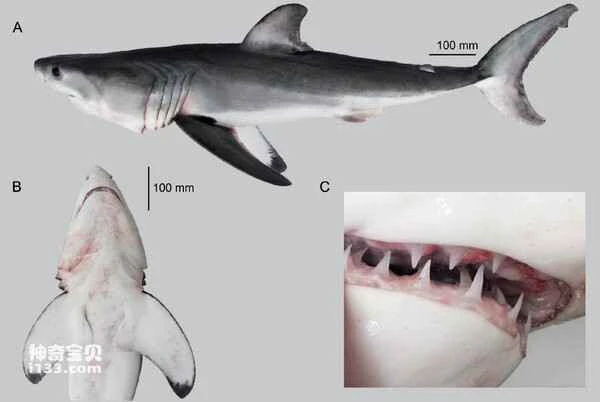
Man-eating sharks possess powerful muscles and tails, enabling them to swim rapidly and generate tremendous thrust, helping them quickly approach their prey and launch an attack. They are the shark species with the most recorded attacks on humans. Although most attacks are not intentionally directed at humans, the immense strength and bite force of man-eating sharks often result in serious injury or even death.
5. African lion
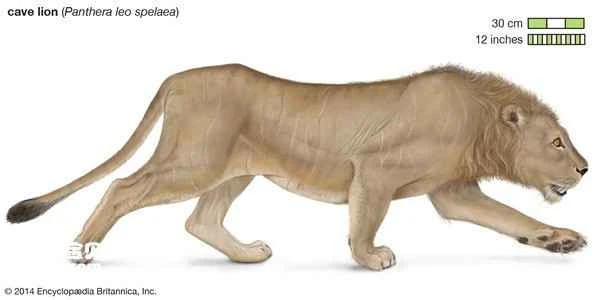
African lions are at the top of the food chain and have virtually no natural predators. Their existence is crucial for maintaining the balance and health of the ecosystem. Adult male lions typically weigh 150-250 kg, while female lions weigh 120-182 kg. Their teeth and claws are extremely sharp, adapted for tearing and crushing prey.
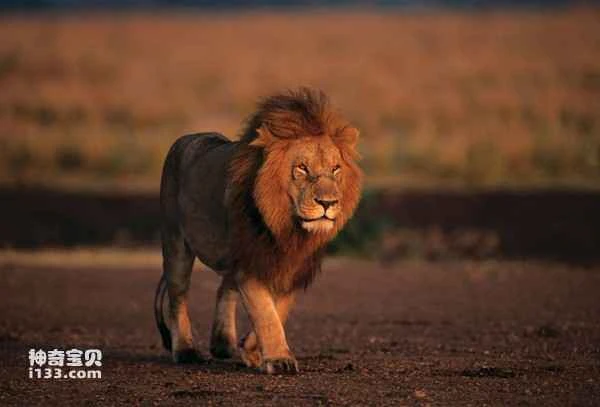
Lions are adept at ambushing and surrounding their prey, using speed and strength to quickly subdue them. They typically suffocate their prey by biting their throat or nose. There are numerous historical accounts of lion attacks on humans, such as the infamous "Tsavo Lion Attack," in which two lions killed a large number of workers near Tsavo National Park in Kenya.
6. Saltwater crocodile
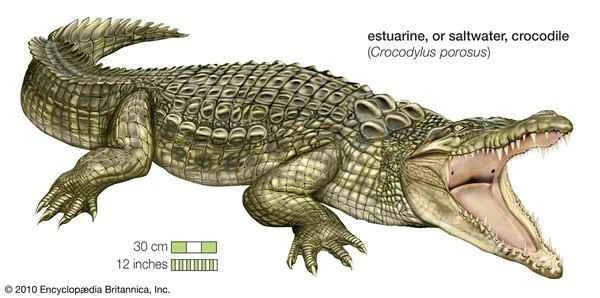
The saltwater crocodile is the largest living crocodile, with adults typically reaching 4.3 to 7 meters in length and weighing over 1,000 kilograms. The largest recorded individual approached 9 meters in length and weighed 2,000 kilograms. Saltwater crocodiles possess the strongest bite force of any animal, with measurements showing a force reaching 16,000 Newtons. This powerful bite allows them to easily crush bones and turtle shells.
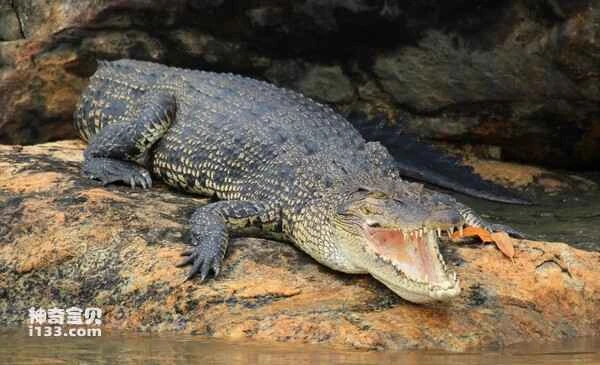
Saltwater crocodiles are relatively prone to attacking humans, especially near their habitats (such as Australia, Southeast Asia, and the Indian subcontinent). These attacks typically occur near water sources. Due to their immense strength and bite force, saltwater crocodile attacks often result in severe injuries or even death. Incidents of saltwater crocodiles attacking and killing humans are reported every year.
7. Elephant
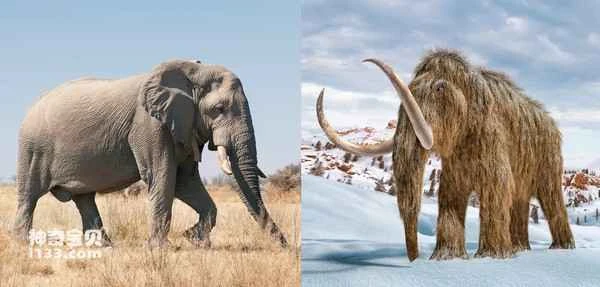
Elephants are the largest land mammals. African elephants can weigh 6,000 to 7,500 kilograms and stand 3 to 4 meters tall. Indian elephants are slightly smaller, but still enormous. Elephants are incredibly strong, capable of easily knocking down trees, tearing thick bark, piercing objects with their tusks, and even lifting or overturning cars.
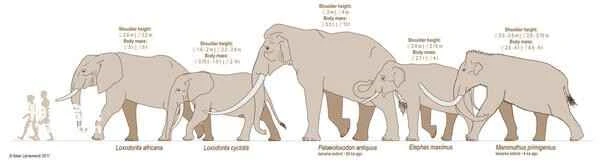
Elephants are known as "animal killers" primarily due to their enormous size and strength, as well as the aggression they can exhibit in certain situations. Although elephants are generally gentle herbivores, they can pose a threat to other animals and humans when they feel threatened, are protecting their territory, are protecting their calves, or are experiencing extreme stress.
8. Polar bear
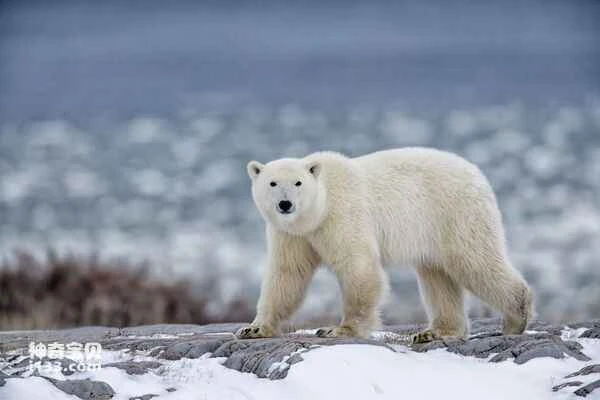
Polar bears are at the top of the Arctic food chain and have no natural predators. They primarily prey on seals and are important predators in maintaining the balance of the Arctic ecosystem. Adult polar bears can weigh 450-680 kg and exceed 2.5 meters in length. They possess sharp claws, powerful jaws, and their size and strength enable them to capture and subdue large prey. Polar bears are also excellent swimmers, capable of swimming for extended periods in the icy waters to track and capture prey.
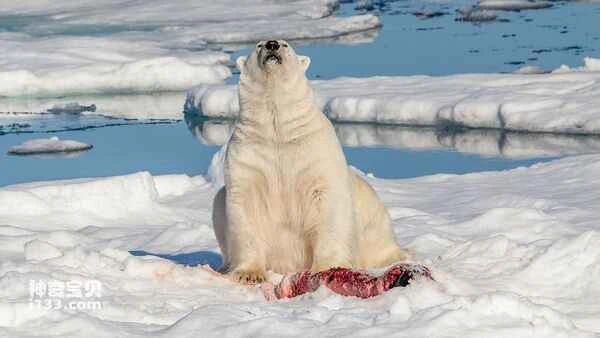
Although polar bears primarily prey on seals, they may attack humans when food is scarce or they feel threatened. Conflicts between humans and polar bears are relatively rare in the Arctic, but when they do occur, they often result in serious injury or even death.
9. African buffalo
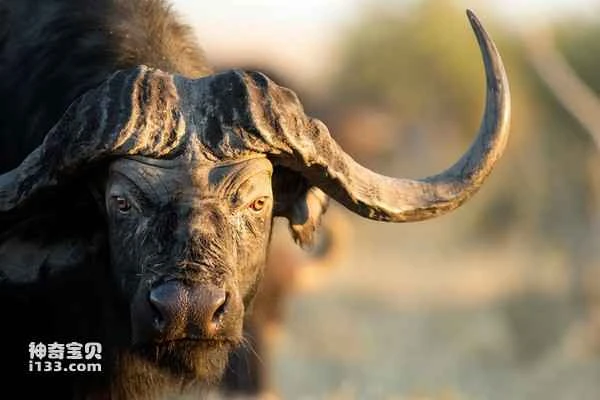
African buffalo, commonly known as Cape buffalo or African buffalo, is renowned for its enormous size, immense strength, and highly defensive nature. Despite being herbivores, their potential threat to other animals and humans has earned them the nickname "animal killers." Adult African buffalo can weigh 500 to 900 kilograms, reach a length of 2 to 3.4 meters, and a shoulder height of approximately 1.0 to 1.7 meters. Males are typically larger and stronger than females.
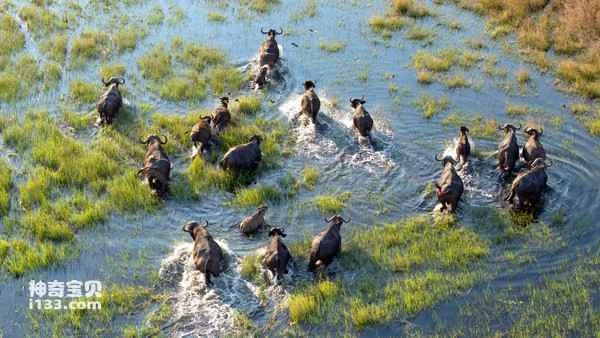
African buffalo are known for their highly defensive behavior, especially when threatened. They quickly assemble into herds, forming a formidable defensive formation to counterattack predators and intruders. African buffalo are among the deadliest animals on the African savanna. Their attacks are often swift and deadly, particularly when startled or feeling threatened.
10. Poison Dart Frog
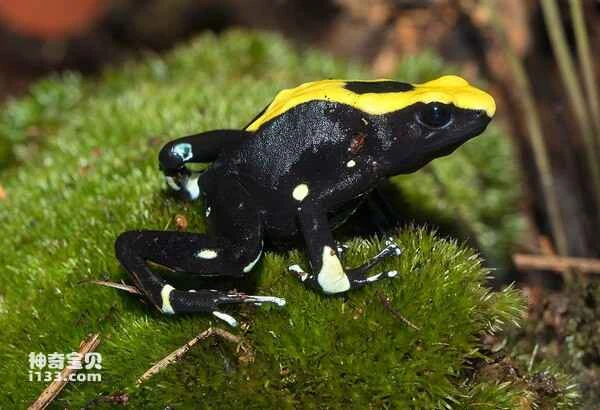
Poison dart frogs are known as "animal killers" primarily because their skin secretions contain potent toxins; even trace amounts are enough to cause poisoning symptoms. The toxins can affect the nervous system, leading to muscle paralysis, irregular heartbeat, difficulty breathing, and even death.
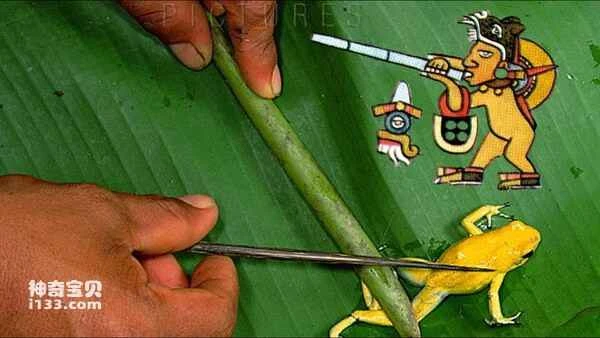
Although poison dart frogs do not actively attack humans, their toxins can enter the body through skin contact or wounds when handled or handled, causing toxic reactions. In some South American indigenous cultures, the toxins of poison dart frogs are used as arrow poison for hunting prey. The potency of the toxins makes this a highly effective hunting tool.