Due to human hunting and environmental destruction, many animals are facing extinction. However, over the years, humans have taken numerous measures to save these species, successfully reviving some once-extinct animals. Today, we'll introduce ten successfully revived extinct animals, including the Mauritius falcon, California vulture, crested ibis, Przewalski's horse, crested myna, elk, Lord Howe's Island stick insect, and kakapo. Let's learn more about these creatures that have returned to Earth!
Glyptodon
1. Mauritius Falcon (4 birds >> 400 birds)
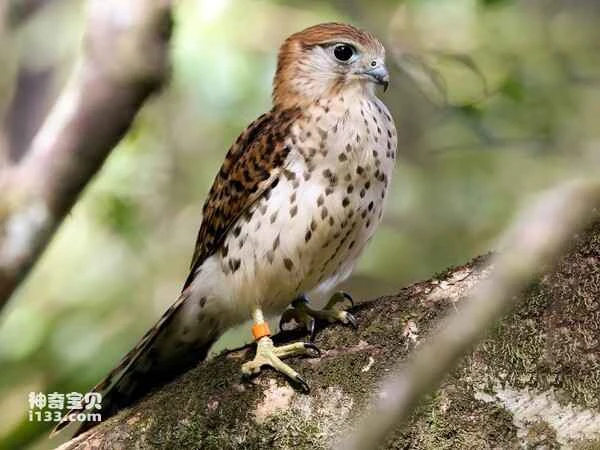
The Mauritian falcon is a resurrected extinct animal, primarily inhabiting the island of Mauritius in East Africa. Ornithologists noticed its declining numbers more than a century ago, estimating the population at only 350 to 650 individuals. Habitat destruction due to human encroachment and the presence of invasive predators such as domestic cats and weasels have further exacerbated its endangered status.
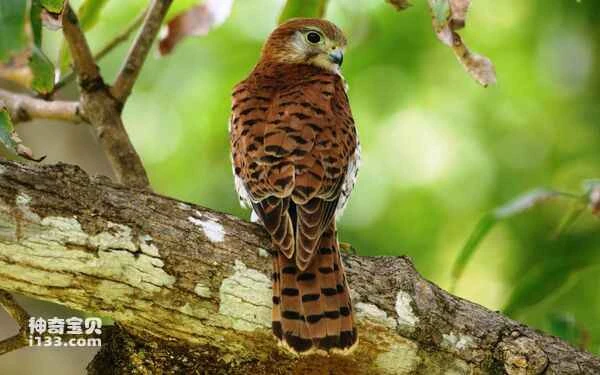
By 1972, the Mauritian falcon population had plummeted to just seven, making it one of the rarest bird species in the world. In 1974, this number further dropped to four. The local government took this issue very seriously and mobilized resources to address it; today, the population has recovered to approximately 400.
2. California vultures (6 birds >> 446 birds)
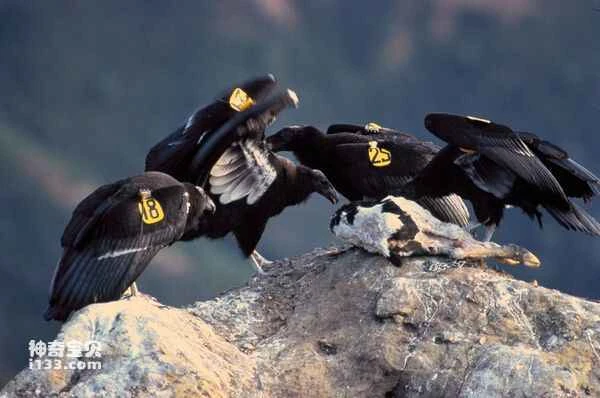
The California vulture is the largest land bird in North America. Although their habitat is very wide, after long flights they need to find suitable roosts, typically choosing cliffs, rocky outcrops, or caves in large trees as nesting sites. Every night, they return to these places to rest.
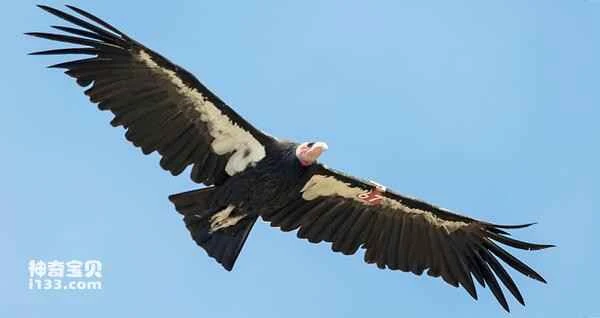
This species had a range extending from British Columbia, Canada to Baja California in the 19th century, but its numbers declined rapidly. By 1937, it had disappeared outside of California, and by 1987, the population had dwindled to just six individuals. By 2016, the wild population had recovered to 276, and the captive-bred population had reached 170.
3. Crested Ibis (7 birds >> over 7,000)
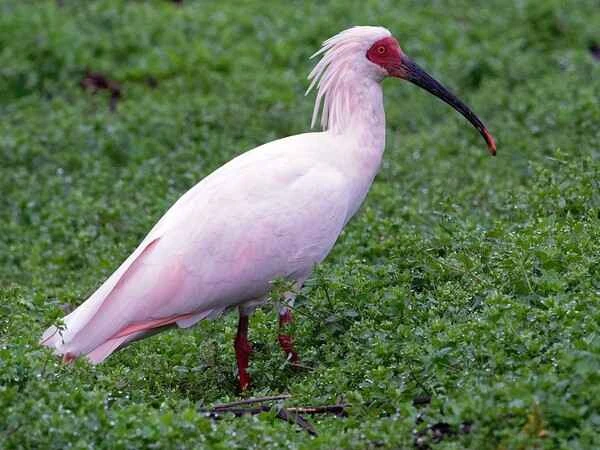
The crested ibis is undoubtedly a prime example of a successfully resurrected extinct animal. This bird was once widely distributed in eastern China, Japan, Russia, and North Korea, but its population declined sharply due to environmental degradation and other factors. Starting in the 1960s, the number of crested ibises plummeted. By the 1970s, scientists in China, Japan, and the Soviet Union had devoted considerable effort to searching for this bird, but to no avail, and it was once believed that the crested ibis was extinct.
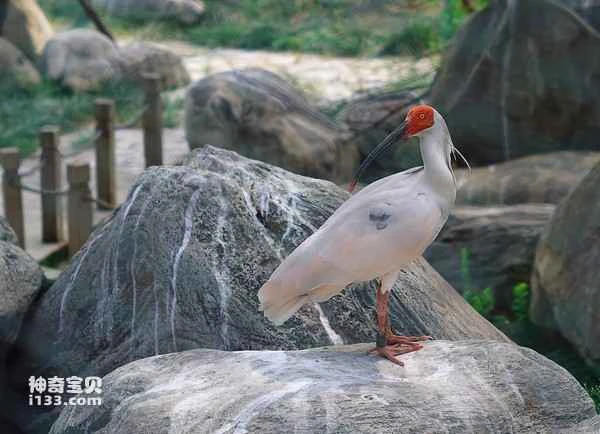
Until 1982, when the last seven crested ibises were discovered in Yangxian County, Hanzhong, in southern Shaanxi, China, a special reserve was subsequently established in the area. According to data from March 3, 2022, the crested ibis population has grown from seven in 1981 to over 7,000.
4. Przewalski's horses (12 horses >> 600 horses)
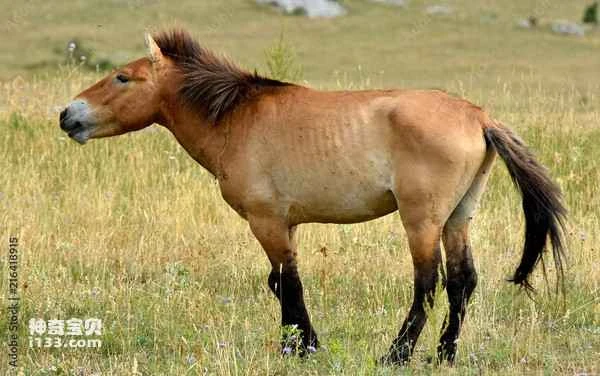
Which extinct animals have been successfully revived in China? Przewalski's horse is a prime example. By 1945, only 31 Przewalski's horses remained in captivity, and by the end of 1950, the species' numbers had plummeted to an all-time low of just 12. The last recorded sighting of wild horses in China was around 1957.
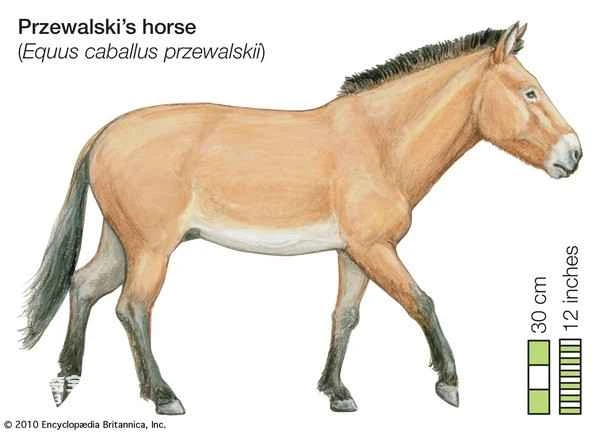
After a series of conservation measures, the Przewalski's horse population has improved significantly. As of November 2019, the total number of Przewalski's horses in Xinjiang and Gansu, China, reached 593. With the addition of several dozen horses kept in zoos in China, the total number has exceeded 600, accounting for almost one-third of the global Przewalski's horse population.
5. Crested Myna (15 birds >> over 1000 birds)
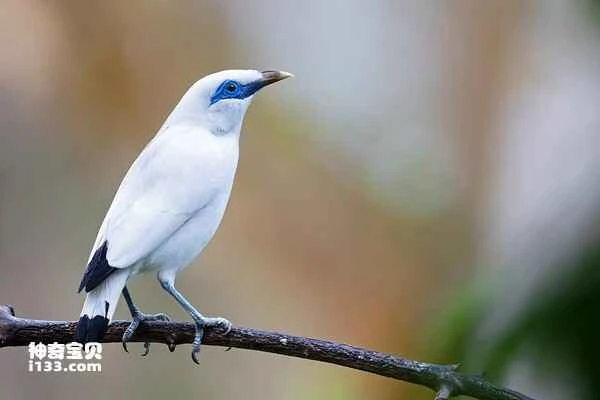
The crested myna is an extremely beautiful bird and one of the few extinct animals successfully saved. Due to its narrow distribution range and habitat destruction, the wild population is extremely small, making this species critically endangered among starlings and still listed as a critically endangered bird species globally.
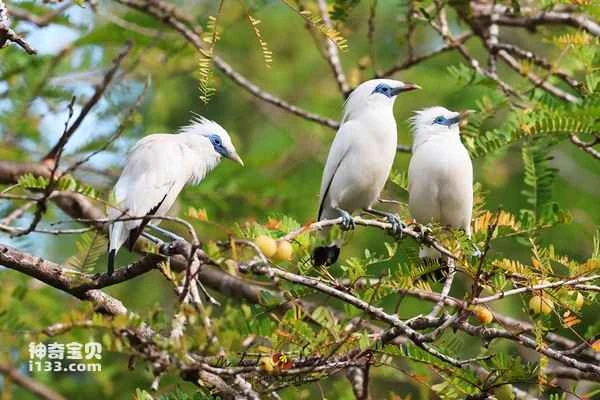
In 1990, their numbers plummeted to a critical shortage, estimated at only about 15 individuals. Today, the wild population has recovered to 115, while the captive population has reached 1,000. Furthermore, related reintroduction programs are underway.
6. Père David's deer (18 individuals >> tens of thousands)
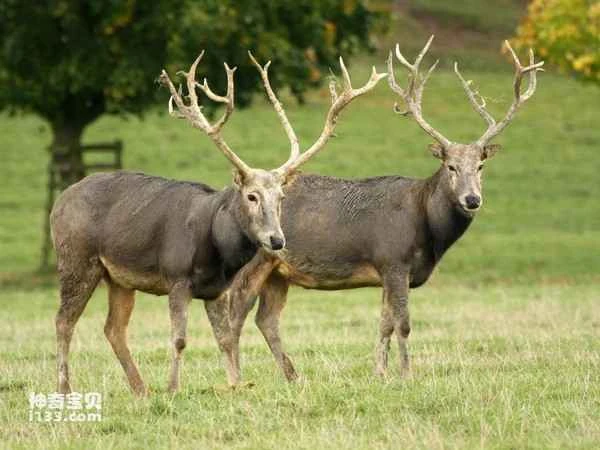
Many people may not be familiar with the Père David's deer, but they might know it by its other name, "four unlikes." This animal nearly faced extinction by the end of the Han Dynasty due to natural climate change and human factors. During the Yuan Dynasty, to meet the needs of the imperial hunting expeditions, the remaining Père David's deer were captured and sent to the royal hunting grounds for breeding.
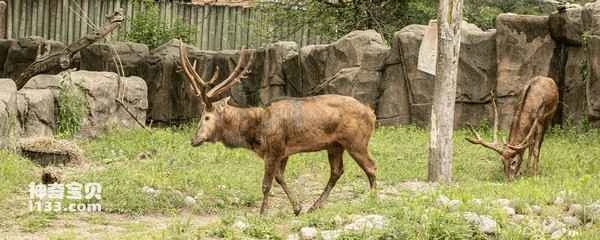
In 1900, the Eight-Nation Alliance invaded Beijing, leading to the extinction of the Père David's deer in its native habitat. Starting in 1898, the Duke of Bedford of Great Britain spent a large sum of money to purchase 18 Père David's deer from zoos in Paris, Berlin, Cologne, and Antwerp. These deer became the ancestors of all extant Père David's deer. By 2021, the population of the Père David's deer, a Class I protected animal in China, had exceeded 10,000.
7. Lord Howe Island Stick Insects (30 to 50 individuals and thousands of eggs awaiting hatching)
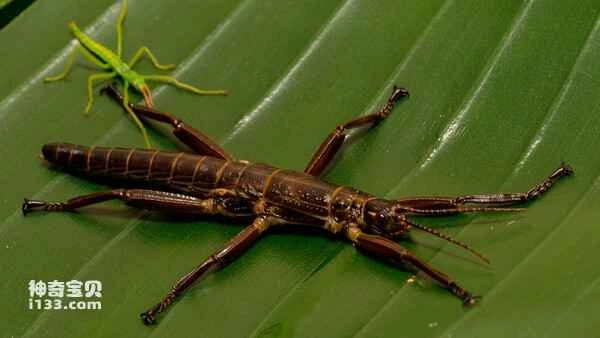
The stick insect of Lord Howe Island is a resurrected extinct animal. This large insect, found only in Australia, was thought to be extinct as early as the 1930s. However, surprisingly, fewer than 30 living individuals were discovered in a mysterious location in 2001, earning it the title of "the world's rarest insect."
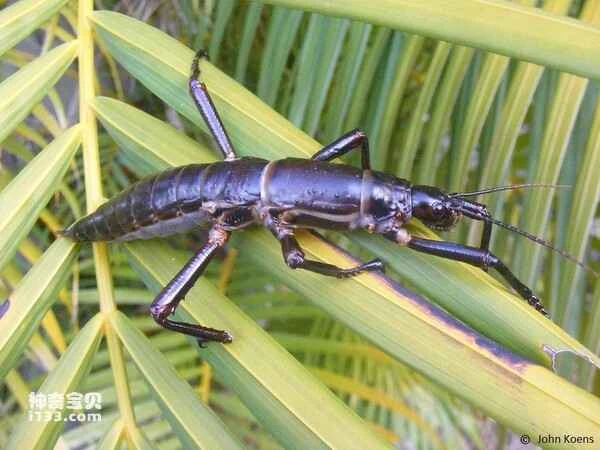
In 2003, staff from the New South Wales National Parks and Wildlife Service carefully collected two pairs of stick insects on the island; one pair was sent to Sydney, and the other to Melbourne for artificial breeding. By 2006, the number of Lord Howe Island stick insects in captivity had increased to 50, with thousands of eggs awaiting hatching.
8. Kakapo (50 birds >> 210 birds)
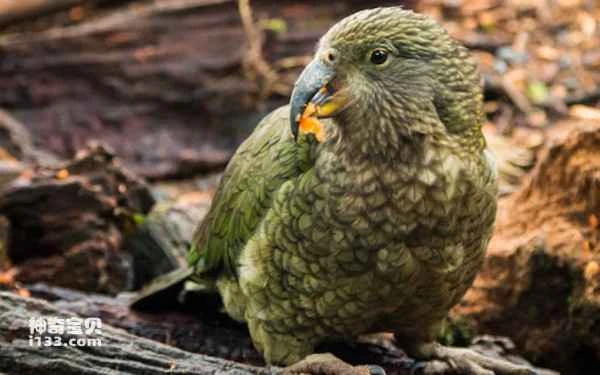
Among the successfully resurrected extinct animals, the kakapo is particularly famous. This bird, found only in New Zealand, is the world's only flightless parrot, and its large size makes it especially striking. They have unique breeding habits, practicing polygamy and using a mating mating system. Furthermore, the kakapo is one of the longest-lived birds, living up to 58 years. Due to hunting by humans and threats from invasive predators such as domestic cats and weasels, the kakapo population has declined dramatically.
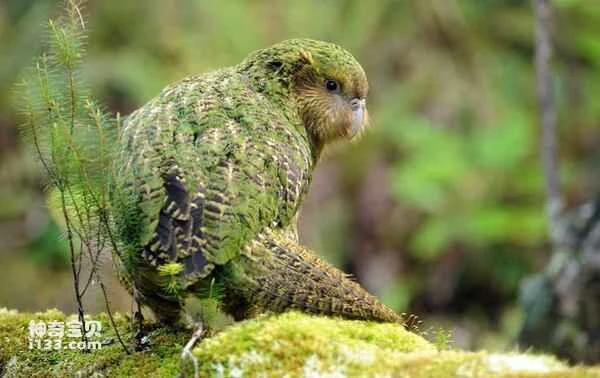
Sightings of kakapos virtually ceased after 1940, and by 1995, the population had dwindled to approximately 50 individuals. In recent years, the kakapo population has recovered, reaching approximately 210 in New Zealand as of November 2020. To protect them, all kakapos are fitted with radio trackers and are under close monitoring and management.
9. Yangtze alligator (120 >> 25,000)
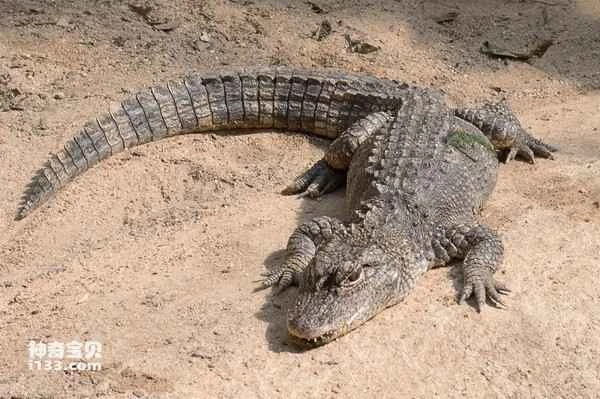
Among the ten extinct animals that have been resurrected, the Chinese alligator, endemic to China, is prominently listed. Historically, the Chinese alligator widely inhabited the Yellow River, Huai River, Yangtze River, and Qiantang River in eastern China. According to surveys conducted between 1998 and 2003, the wild population of Chinese alligators remained relatively stable at around 120 individuals, and was divided into at least 23 smaller, isolated groups.
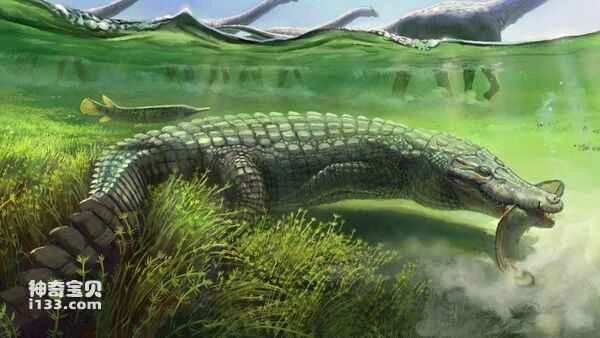
Today, the total wild population is less than 300 individuals, mainly concentrated in five counties in southern Anhui Province, forming the Yangtze Alligator National Nature Reserve. However, significant progress has been made in the artificial breeding of Yangtze alligators. Currently, at two breeding bases in Xuanzhou, Anhui and Changxing, Zhejiang, the number of artificially bred Yangtze alligators has reached approximately 25,000, with an annual breeding capacity of over 2,000.
10. Bald eagles (417 pairs >> 70,000)
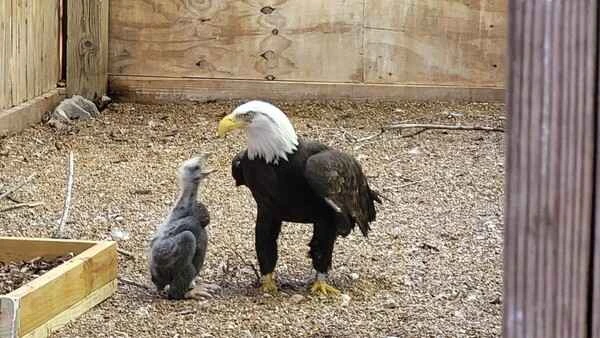
As the national bird of the United States, the bald eagle once faced the risk of extinction and is one of the animals that have been resurrected. When it was officially designated as the national bird in 1782, there were approximately 100,000 bald eagles in the continental United States, excluding Alaska. However, by 1963, only 417 pairs of bald eagles were still nesting in the continental United States.
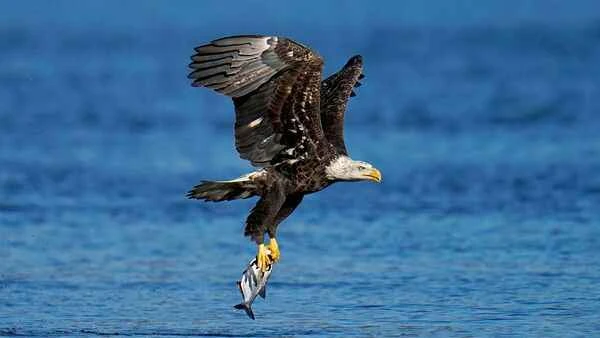
Since the 1970s, the U.S. government and related agencies have implemented a series of conservation measures, including artificial breeding, habitat protection, helping bald eagles return to the wild, strengthening law enforcement, and public awareness campaigns. Thanks to these efforts, by 2017, the bald eagle population had exceeded 70,000, successfully escaping endangered status.
The list of ten successfully resurrected extinct animals is primarily based on their endangered status, recovery progress, and popularity, and also takes into account relevant internet rankings and lists. If you have any questions, please feel free to comment or offer criticism at the end.