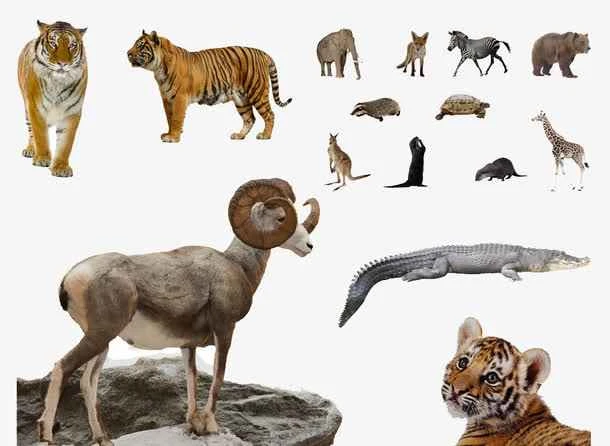
Nature is full of surprises, and one of the most fascinating phenomena is the rediscovery of animals once thought to be extinct. These species, often called "Lazarus species," seem to have returned from the brink of death, a breathtaking sight that sparks the curiosity of scientists and the public alike. This article will delve into these amazing rediscoveries, including examples, scientific insights, and the significance of their survival.
What is a Lazarus species?
The term "Lazarus species" comes from the biblical story of Lazarus, who rose from the dead. In biology, this term refers to species that were thought to be extinct but were later rediscovered—usually in the wild or in the fossil record.
Key characteristics of Lazarus species
Presumed extinct: These species have disappeared from the record for decades or even centuries.
Rediscovery: Usually found in remote or underexplored habitats.
Survival adaptations: Many Lazarus species possess unique characteristics that enable them to survive unnoticed.
Top 10 famous Lazarus species
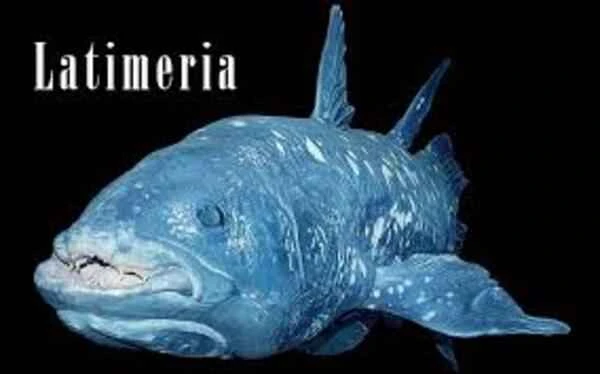
Coelacanth (Latimeria):
Rediscovered: 1938, in the waters near South Africa.
This ancient fish is believed to have been extinct for 66 million years and is one of the representatives of "living fossils".
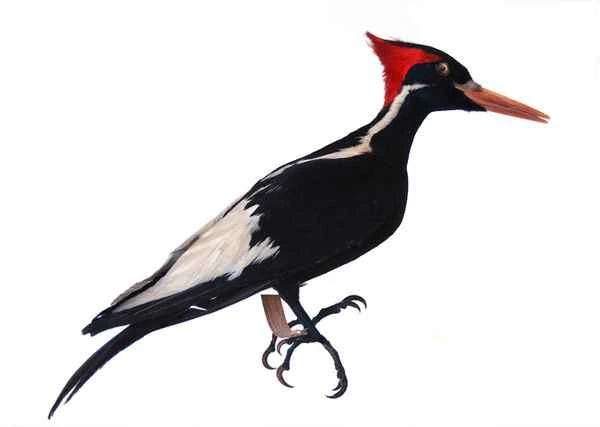
Ivory-billed Woodpecker (Campephilus principalis):
Status: Controversially rediscovered in the United States in 2004.
Known as the "Bird of God," its story is full of hope, despite the questionable sighting reports.
Southern Thangka (Porphyrio hochstetteri):
Rediscovered: New Zealand, 1948.
A large, flightless bird that was thought to have been extinct for 50 years.
Lao rock rat (Laonastes aenigmamus):
Rediscovered: Laos, 1996.
A rodent previously found only in fossils.
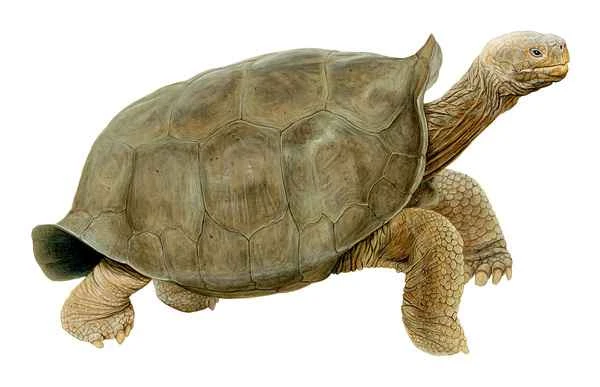
Fernandina giant tortoise (Chelonoidis phantasticus):
Rediscovered: In the Galapagos Islands in 2019.
This tortoise was thought to have been extinct for over 100 years, but its discovery during an expedition has brought hope for the recovery of its species.
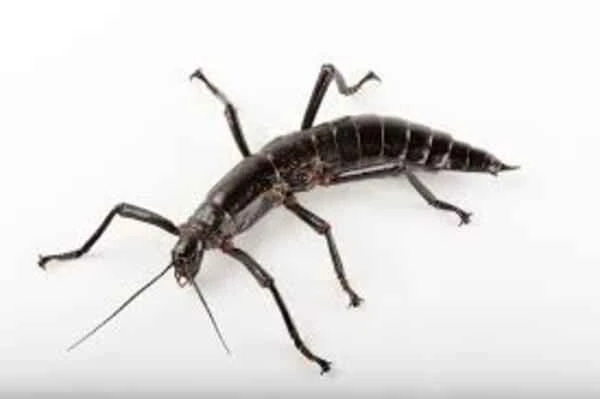
Lord Howe Island Stick Insect (Dryococelus australis):
Rediscovered: Bar Island rock pillars, 2001.
Known as the "tree lobster," it had been thought to be extinct since the 1920s.
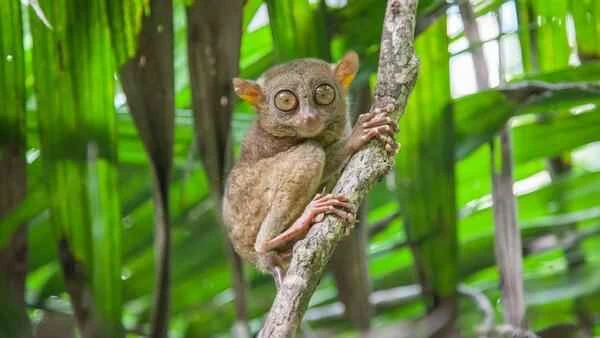
Pygmy tarsier (Tarsius pumilus):
Rediscovered: 2008, Indonesia.
A miniature primate that was thought to be extinct since the early 20th century.
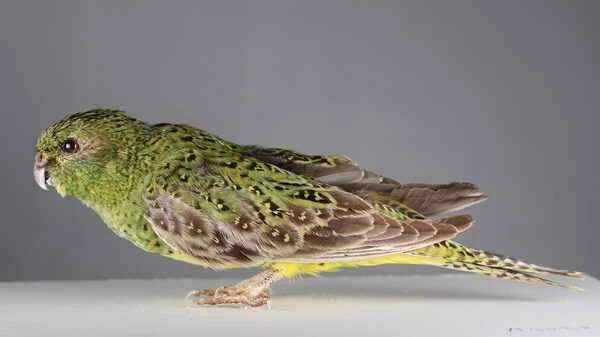
Night parrot (Pezoporus occidentalis):
Rediscovered: Australia, 2013.
One of the rarest birds in the world, it disappeared for over a century.
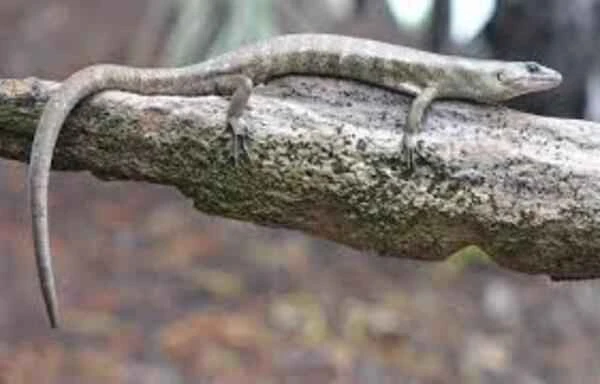
Fearful Lizard (Phoboscincus bocourti):
Rediscovered: New Caledonia, 2003.
A carnivorous lizard that was thought to have been extinct for 150 years.
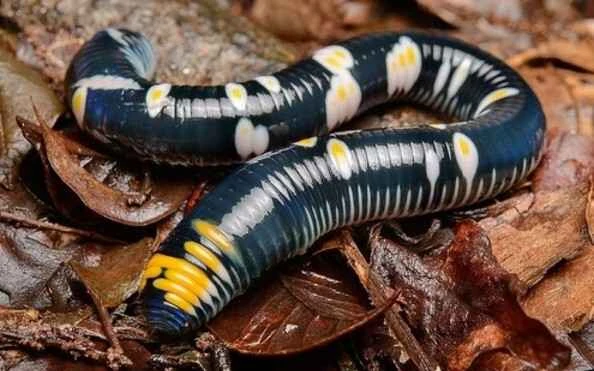
Palus giant earthworm (Driloleirus americanus):
Rediscovered: 2005, USA.
It is famous for its lily fragrance.


Why are some extinct animals rediscovered?
Remote habitats:
Many rediscovered species live in remote places, such as dense forests, deep seas, or isolated islands.
Misjudgment of extinction:
Early explorers or scientists may have prematurely declared certain species extinct due to insufficient data.
Technological advancements:
Advances in tracking technologies, such as camera traps, drones, and DNA analysis, have increased the chances of finding missing species.
Environmental changes:
Habitat restoration efforts can sometimes lead to the reappearance of certain species.
The significance of rediscovering extinct species
Impact on conservation efforts
The rediscovery of species serves as a reminder of nature's tenacious vitality and underscores the necessity of conservation efforts. These species often become iconic representations of broader habitat conservation projects.
Scientific value
The survival of Lazarus species provides us with important information about evolution, survival mechanisms, and ecological balance.
public awareness
These rediscovered stories have sparked public interest and highlighted the importance of protecting biodiversity.
Controversy surrounding the rediscovery of species
False sightings:
Some rediscovered cases, such as the ivory-beaked woodpecker, are highly controversial due to a lack of concrete evidence.
Negative impacts of human activities:
Once a species is rediscovered, excessive human attention can sometimes lead to further threats, such as habitat destruction or poaching.
Ethical issues:
Conservation resources are often prioritized for “popular” species rather than less appealing ones, sparking ethical debates.
How can technology help rediscover species?
Camera trap:
It is widely used to record elusive species in the wild.
Genetic testing:
To confirm the identity of the rediscovered species and assess their genetic diversity.
Satellite imaging:
Map previously inaccessible areas to help discover missing species.
Can extinct animals be "resurrected"?
Advances in cloning and genetic engineering have sparked discussions about “species resurrection.” Despite their exciting nature, these efforts remain highly controversial.
Case Study: An attempt to resurrect a mammoth using DNA technology.
Challenges: Lack of suitable habitats, ethical issues, and ecological risks.
Miracles of survivors in nature
The rediscovery of species, or Lazarus species, is powerful evidence of nature's tenacious vitality and underscores the urgency of conservation efforts. Their stories inspire us to protect existing biodiversity while maintaining hope for those species we have already lost. With technological advancements and a deeper understanding of the natural world, who knows what other "extinct" animals await our discovery?