Flying insects are fascinating for their unique characteristics, especially the large species. Whether hovering silently or buzzing, these insects play vital roles in ecosystems, sparking our keen interest in their evolution and biology. In this article, we will delve into the species, behaviors, habitats, and other aspects of these large flying insects.
Species of large flying insects
Dragonflies: Ancient aerial predators
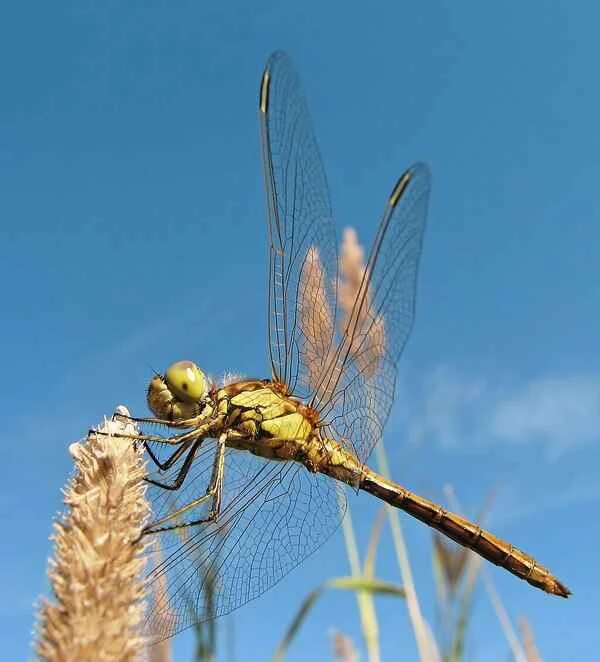
Large dragonflies (such as the giant dragonfly) are masters of flight, with wingspans reaching up to 13 centimeters (about 5 inches), and are adept at hunting in the air. Dragonflies have existed for over 300 million years, and their remarkable flying abilities remain unmatched to this day.
Moth: A Gentle Giant
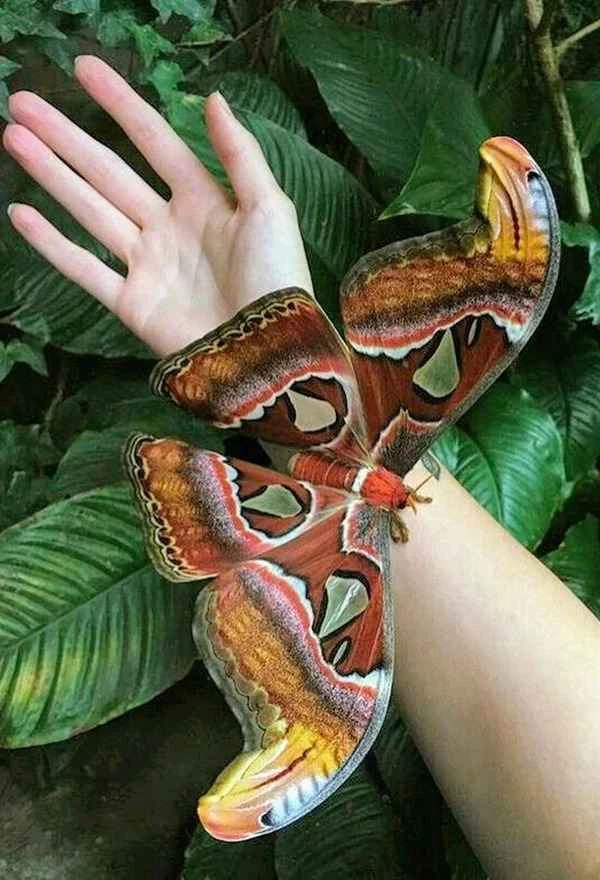
Some moths, such as the Atlas moth and the moon moth, can have wingspans of up to 25 centimeters (about 10 inches). These nocturnal insects are not only beautiful but also play an important role in pollination. Their hairy bodies and soft wing patterns conceal their amazing flying power and endurance.
Beetle: Armored Pilot
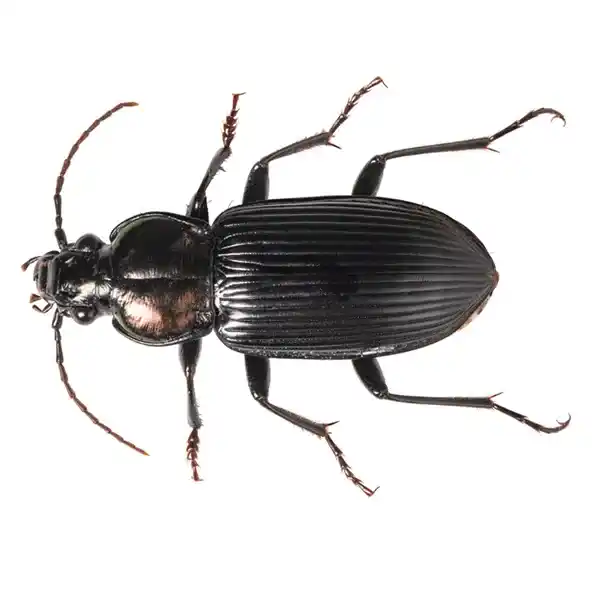
Large beetles (such as the Hercules beetle and the rhinoceros beetle) are impressive for their heavy, armored appearance, yet they can still take flight. Their wings are hidden under hard elytra, providing protection when they are not flying.
Wasps: Fearsome Flyers

The tarantula hawk wasp is a giant wasp whose intimidation and allure are equally astounding. They are renowned for hunting tarantulas, and their powerful wings and buzzing flight are unforgettable. Similarly, the cicada wasp dominates the skies with its large size and predatory prowess.
Butterfly: an elegant winged fairy

Large butterflies (such as the Swallowtail and Queen Alexandra) stand in stark contrast to other aggressive insects. Their vibrant wings serve as both a warning to predators and a tool for attracting mates, becoming symbols of beauty and survival.
Behavioral and ecological roles
The mission of pollinators
Large flying insects, especially butterflies and moths, play a crucial role in pollination. They maintain ecosystem diversity by spreading pollen over vast areas.
The power of predators
Dragonflies and certain wasps demonstrate the predatory power of large flying insects. They help control populations of smaller insects, thus maintaining ecological balance.
Collaborative group activities
Some large flying insects, such as locusts, are able to congregate in swarms that stretch for miles. This behavior is usually triggered by changes in the environment and demonstrates the amazing coordination abilities of insect species.
Habitat of large flying insects
Giants of the rainforest
Tropical rainforests are home to some of the largest and most diverse flying insects, including giant moths and brightly colored butterflies. These habitats provide ample resources for their growth and reproduction.
Survivors in the desert
Flying insects in the desert (such as large beetles and certain grasshoppers) demonstrate their unique adaptations to survive in arid climates.
"Intruders" in the City
Many large flying insects (such as midges or flying ants) thrive in urban environments. Their occasional appearances in human life often cause surprise or even fear.
Seasonality and lifestyle
Summer active period
Many large flying insects are most active during the warm summer months, awakening from their pupal or dormant state to begin foraging, reproducing, and moving about.
Night pilot
Moths rule the night sky, known for their quiet and purposeful flight, attracting light sources to find food and mates.
Human interaction with large flying insects
Common fears and misunderstandings
The buzzing of large flying insects (such as wasps or beetles) often evokes fear. However, in most cases, these creatures are harmless when not threatened.
Misidentification
Midges are often mistaken for giant mosquitoes, but they do not bite humans. Similarly, some large beetles are considered pests, but they are actually beneficial to the environment.
Challenges of Pest Control
Large flying insects can sometimes become pests, requiring sustainable control methods to minimize their impact on ecosystems.
Insights into science and history
Wing mechanism of large insects
Large insects, such as dragonflies, rely on specialized wing structures for flight, enabling them to hover, glide, and fly with precision. Scientists study these mechanisms, providing inspiration for robotics and aeronautics.
Prehistoric aerial behemoths
Fossil evidence suggests that ancient insects, such as the giant dragonfly, had wingspans of up to 70 centimeters (about 28 inches). These prehistoric behemoths thrived in oxygen-rich environments, providing important clues to Earth's evolutionary history.
Culture and other interesting facts
Myths and Folk Tales
In different cultures, large flying insects symbolize transformation, power, and even omens. For example, butterflies are often associated with rebirth and beauty.
The difference between gliding and flying
Some large insects (such as flying stick insects) prefer gliding rather than actual flight, demonstrating the diverse aerial adaptations in the insect world.
Large flying insects are not only amazing creatures but also an important part of ecosystems and a fascinating subject of research. By understanding their roles, habitats, and interactions with humans, we can better appreciate the complexity of these aerial behemoths and their contributions to the planet. Whether buzzing or gliding gently, large flying insects remind us of the diversity and wonder of the natural world.