The desert tree frog (Breviceps macrops) has become an ideal choice for exotic pet owners in recent years due to its unique appearance and relatively low maintenance requirements. This small amphibian, native to the desert regions of South Africa, is known for its adorable, plump body and signature squeak. This article will provide you with all the information you need about keeping a desert tree frog as a pet, including care tips, habitat setup, and diet. Whether you are a first-time pet owner or an experienced amphibian enthusiast, this guide will help you ensure your desert tree frog pet is healthy and happy.
What is the desert rain frog?
The desert tree frog is a small, digging amphibian mainly found in arid regions of South Africa and Namibia. It is known for its distinctive round, translucent skin and the unique squeak it makes when threatened.
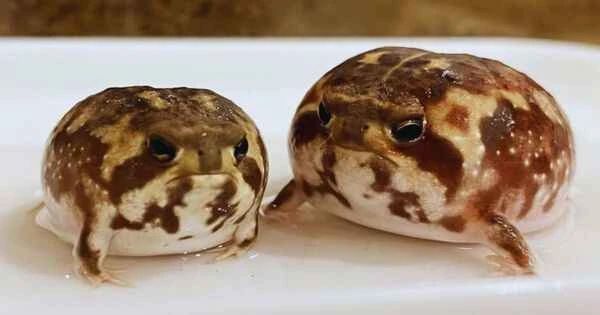
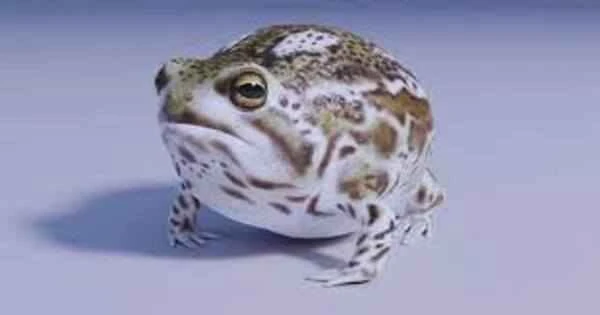
Appearance features
Size: Desert rain frogs are relatively small, usually about 2 inches (5 cm) long.
Color: Their skin is light-colored or light brown, which helps them blend into the sandy environment of the desert.
The most distinctive feature of the desert rain frog is its round, plump, and inflated appearance, almost like a miniature balloon.
Are desert rain frogs suitable as pets?
Desert tree frogs, as exotic amphibians, make an excellent pet choice. They are not only uniquely cute, but also relatively easy to care for compared to other types of frogs. Their small size and docile behavior make them ideal for pet owners living in apartments or small spaces.
Advantages of raising desert rain frogs
Low maintenance: Unlike many other pets, the desert tree frog does not require much daily attention. They are relatively independent and spend most of their time underground.
Low cost: They are relatively affordable pets in terms of food and habitat setup.
Quiet and peaceful: Desert rain frogs are quiet pets; they only occasionally make that squeaking sound, rather than continuously.
Disadvantages of keeping desert rain frogs
Frequent contact is not recommended: These frogs do not like to be touched, so it is best to observe them rather than have frequent contact.
Temperature sensitive: Although they live in desert environments, they still need a controlled environment to grow healthily.
Care of the desert rain frog
Raising desert rain frogs is relatively simple, but special attention needs to be paid to details such as their habitat, humidity requirements, and diet.
Habitat of pet frogs
Habitat size: A 10- to 20-gallon (approximately 37-75 liters) aquarium is sufficient to house one or two desert rain frogs. The aquarium should be well-ventilated and equipped with a secure lid to prevent them from escaping.
Substrate: Use a mixture of sand and soil to simulate their natural desert environment. The substrate should be deep enough for the frogs to burrow, which is crucial for their health.
Temperature: Maintain the temperature between 70-85°F (21-29°C). Heating lamps may be needed to maintain the required temperature, especially during the colder months.
Humidity: Desert tree frogs require moderate humidity. Although they live in the desert, they still need a certain level of humidity to retain moisture. You can mist the aquarium occasionally to maintain humidity, but do not let the substrate become too wet.
illumination
Desert tree frogs are nocturnal and therefore do not require much lighting. However, it is recommended to provide a regular light cycle of 12 hours of light and 12 hours of darkness per day to simulate their natural environment.
Diet of the desert rain frog
The desert tree frog is an insectivorous animal, primarily feeding on small insects such as crickets, mealworms, and fruit flies. Providing a balanced diet is essential to ensuring their health and vitality.
Feeding recommendations
Insects: Provide frogs with live insects of appropriate size and spray them with calcium powder supplements to help prevent metabolic bone disease.
Water source: Always provide them with fresh, dechlorinated water in a shallow dish for the frogs to drink from. The frogs will drink directly from the water source or absorb water through their skin.
Feeding frequency: Froglets can be fed daily, while adult frogs should be fed 2-3 times per week.
Behavior of the desert rain frog
Desert tree frogs are known for their unique behavior and docile nature. They spend most of their time hiding in burrows and are active at night.
Speaking
The squeaking sound made by the desert rain frog is one of its most distinctive behaviors, sounding like a small toy or a rubber rattle. This sound is usually made when the frog is threatened or disturbed.
Discovering Habits
These frogs love to dig, often creating small burrows in their substrate. Providing a sufficiently deep substrate is crucial, allowing them to dig nests and hide within them when feeling stressed or uncomfortable.
Common health problems of desert rain frogs
Like any pet, the desert tree frog can develop health problems if not properly cared for. Here are some common health issues:
Dehydration
Although desert rain frogs live in arid environments, they still need water. If the humidity is too low, they may experience dehydration symptoms, such as skin peeling or lethargy.
parasites
If their habitat is not clean, desert tree frogs can become infected with parasites such as mites or worms. Regularly cleaning the aquarium and purchasing food from reputable sources can help reduce this risk.
Infect
Skin infections can occur, especially if the frog has a skin injury or the aquarium is not clean. Keeping the habitat clean and maintaining adequate humidity can prevent infection.
Desert rain frog breeding
Breeding desert rain frogs in captivity is rare, but not impossible. If you are interested in breeding these frogs, you will need to provide them with a suitable breeding environment.
Breeding environment
Temperature and humidity: Slightly increasing humidity and temperature can trigger the breeding season. Provide frogs with a small, shallow dish of water so they can breed in it.
Frog larvae care: If breeding is successful, the eggs will hatch into tadpoles. Tadpoles need a separate aquarium with a gentle filter until they grow into adult frogs.
Is the desert rain frog endangered?
Currently, the desert tree frog is not considered an endangered species. However, habitat loss and the pet trade have put some pressure on their population. When purchasing a desert tree frog, it is recommended to choose a reputable breeder who keeps them ethically and legally and ensures they are not wild-caught.
Are desert rain frogs suitable as pets?
Desert tree frogs are unique and charming pets, relatively easy to care for, and ideal for pet owners interested in exotic animals. With their quirky appearance and docile temperament, they offer a delightful pet experience for those willing to provide proper care. However, because they have some specific needs, such as humidity control, burrowing space, and a particular diet, potential pet owners should ensure they can meet these requirements before deciding to keep a desert tree frog.
If you're interested in exotic pets and are looking for a low-maintenance yet charming amphibian, the desert rain frog would be an excellent choice.