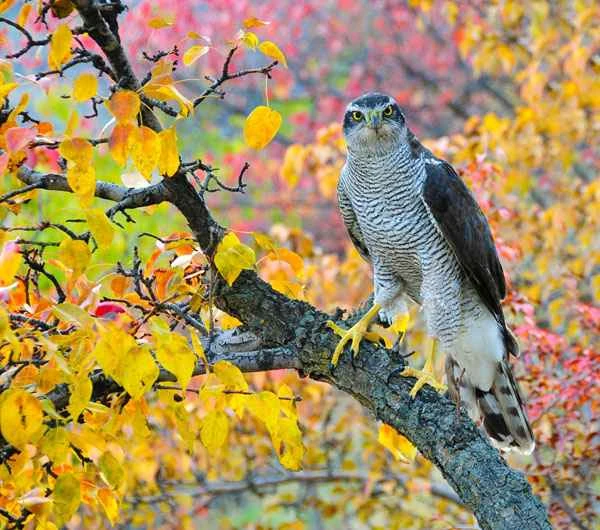
Survival in the wild is not easy. In order to find food or avoid predators, different species sometimes form mutualistic relationships. In biology, "symbiosis" refers to a long-term and close interaction between two organisms. Some of these relationships are mutually beneficial, while others are one-sided (symbiotic or parasitic).
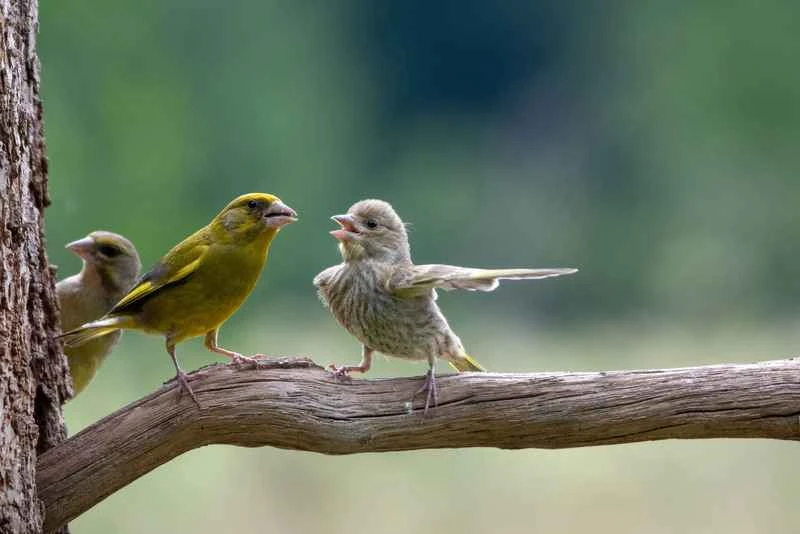
Here are ten unexpected examples of mutualistic symbiosis among wild animals, demonstrating how they can cooperate to survive together.
1. Water buffalo and cattle egret: the perfect "pest control duo"
On the African savanna, cattle egrets often perch on the backs of buffalo. These birds feed on insects, and when the buffalo move about in the grass, they disturb the insects hiding there, allowing the cattle egrets to catch them. At the same time, they also peck at fleas and ticks on the buffalo, relieving the buffalo's burden.
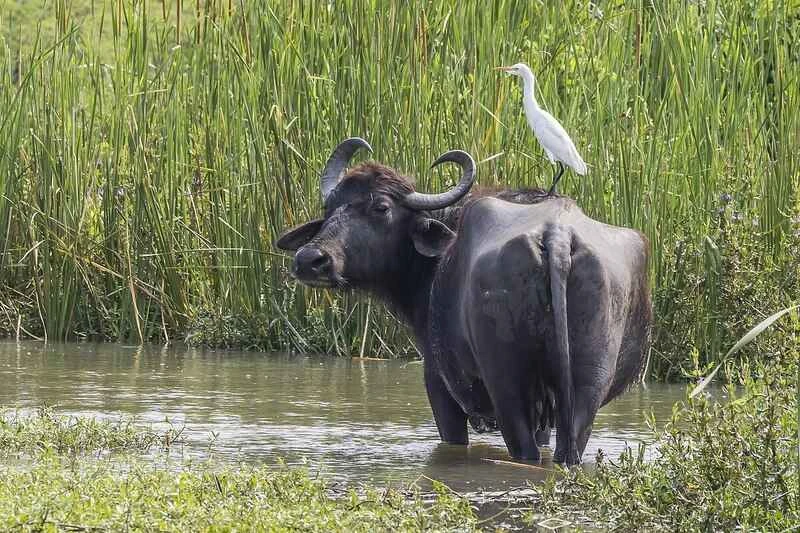
Even more remarkably, cattle egrets are extremely sensitive to danger and can issue timely warnings, helping buffalo detect the approach of predators early on.
2. Carrion beetles and mites: You get rid of pests, I'll hitch a ride.
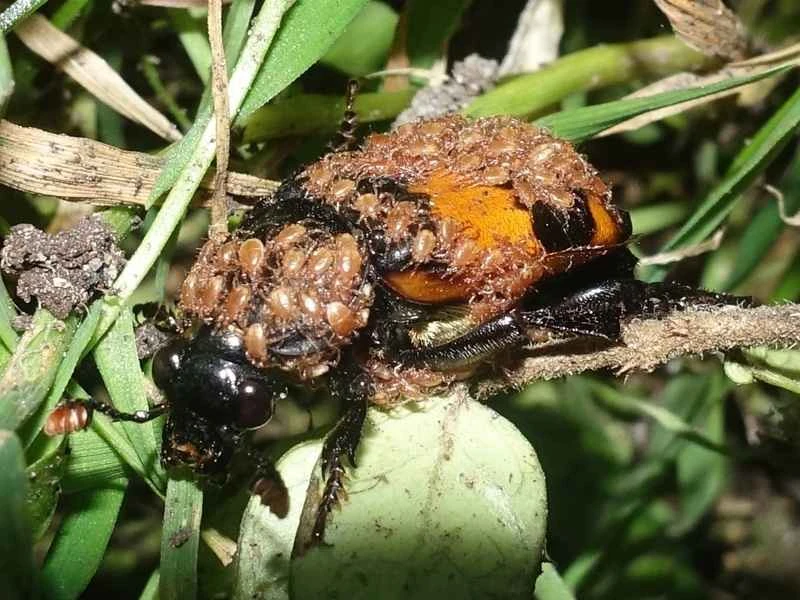
Carrion beetles feed exclusively on decaying flesh. They not only eat the carcasses themselves but also lay their eggs on them, allowing their larvae to enjoy the "food." However, the carcasses attract other insects that compete for the carcasses, and some rapidly developing larvae may even eat the beetle's offspring.
To solve this problem, carrion beetles often travel with mites. These mites clean up eggs and larvae of non-besses, reducing competition for the beetle offspring, while the beetles themselves gain food and transportation.
3. Ostrich and Zebra: One can see, the other can smell.
Both zebras and ostriches are herbivores and targets for predators. Zebras have excellent eyesight but a poor sense of smell; ostriches, on the other hand, have a keen sense of smell but limited vision.
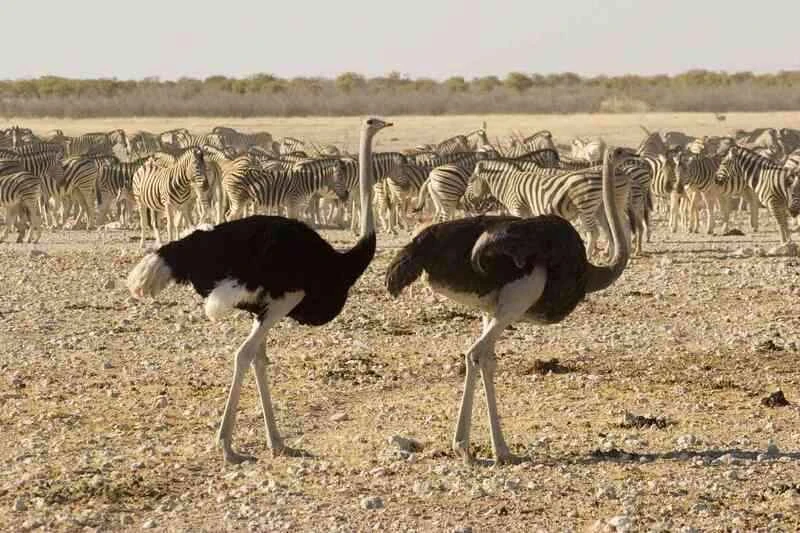
The two complement each other perfectly: the zebra is responsible for "seeing" and the ostrich is responsible for "smelling," working together to be vigilant and increase their chances of survival.
4. Columbian tarantula and buzzing frog: Building a "shared nest"
This seemingly unequal pairing actually has a hidden mechanism. Colombian wolf spiders and buzzing frogs often coexist in the same burrow. The wolf spider provides shelter and scraps for the frog, while the young frog feeds on insects such as ants, indirectly protecting the wolf spider's eggs from harm.
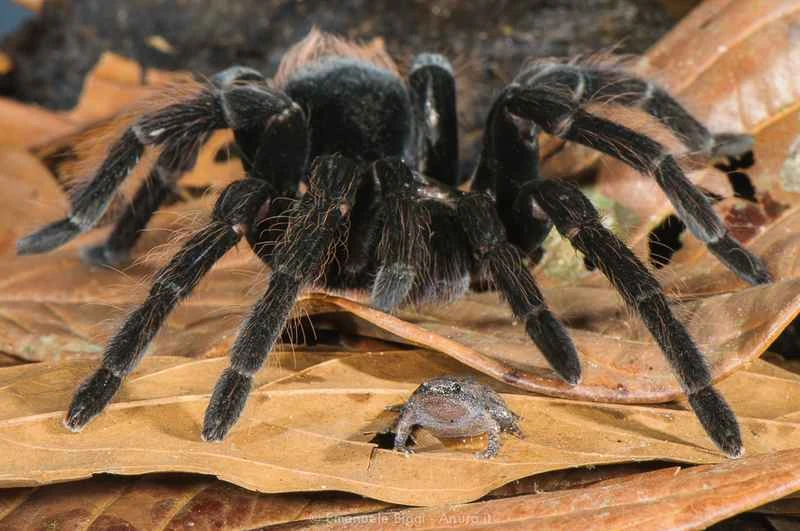
This mutually beneficial cooperation has enabled two seemingly antagonistic species to achieve true "peaceful coexistence."
5. Egyptian Crocodiles and Thousand-Toothed Birds: The Relationship Between Dentists and Patients?
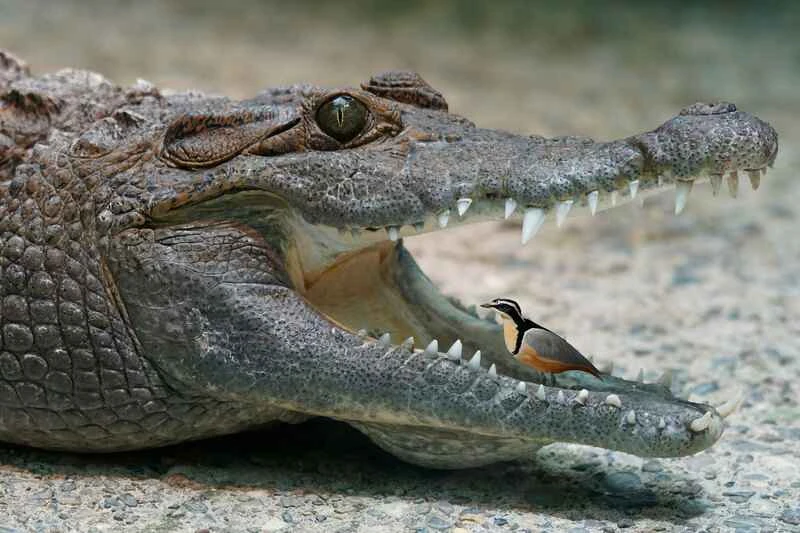
Can you imagine a small bird "working" inside a crocodile's gaping maw? That's exactly what toucans do. They fearlessly walk into the crocodile's mouth, pecking at scraps of meat and parasites.
The reason why crocodiles are willing to cooperate is because this "teeth cleaning" service is crucial to them—crocodiles' teeth are key tools for hunting, and keeping them clean can extend their lifespan.
6. Honey Badger and Honeyguide Bird: A Sweet Cooperation, No Agreement Required
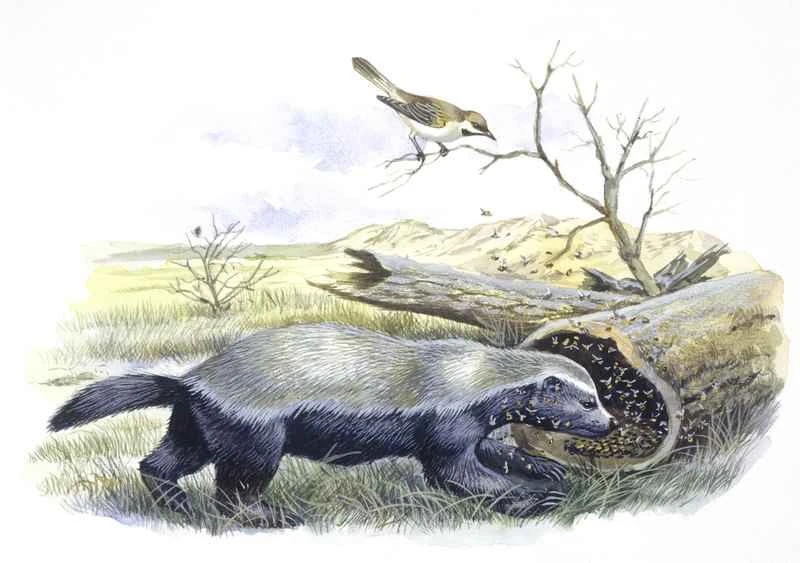
Honeyguides love honey but cannot open beehives on their own. Therefore, they guide honey badgers to the hives. The honey badgers then break in and collect the honey, and the two birds share the delicious meal.
This remarkable interspecies cooperation is a rare instance of tacit understanding between birds and mammals.
7. Pistol Shrimp and Goby: One hunts, the other keeps watch.
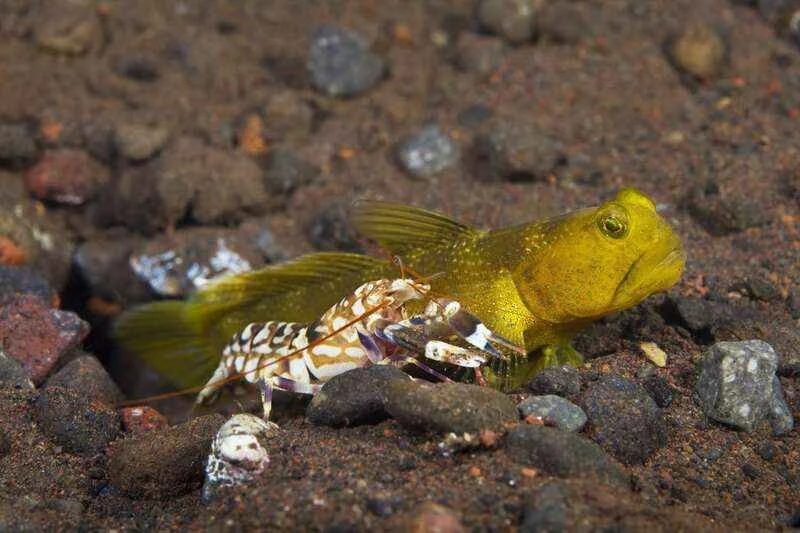
Pistol shrimp can generate a strong water current by rapidly closing their large claws to stun their prey, but they have extremely poor eyesight. Therefore, they cooperate with gobies.
Gobies possess excellent eyesight, acting as their "eyes," and maintain physical contact to signal danger. Pistol shrimp, on the other hand, provide safe burrows as shared refuge. This is a "sniper and scout" duo in the underwater world.
8. Clownfish and anemones: dancing together among tentacles
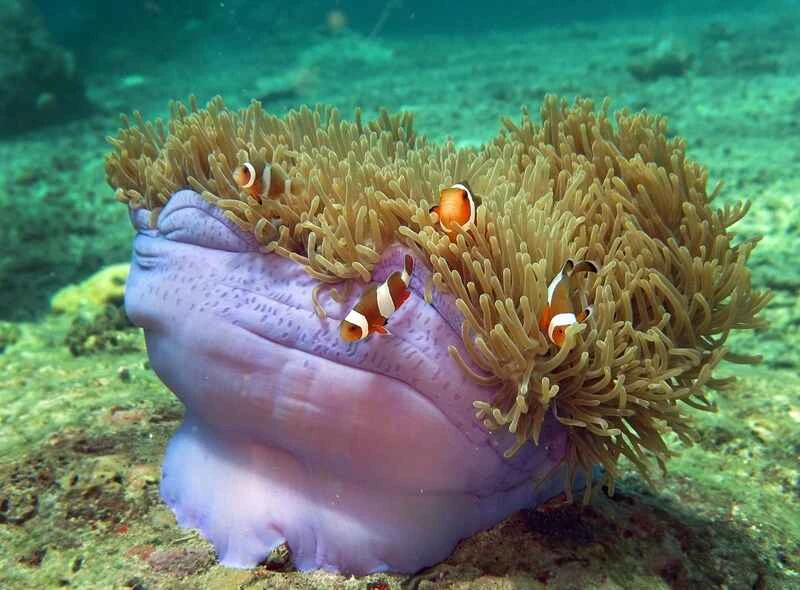
Clownfish live inside sea anemones, where the seemingly dangerous anemone tentacles are harmless. Clownfish secrete a special mucus to protect themselves from stinging cells.
In return, clownfish help sea anemones clean themselves of parasites, attract prey, and drive away the anemones' natural enemies, such as butterflyfish.
9. Coyotes and Badgers: Hunting Partners on the American Prairie
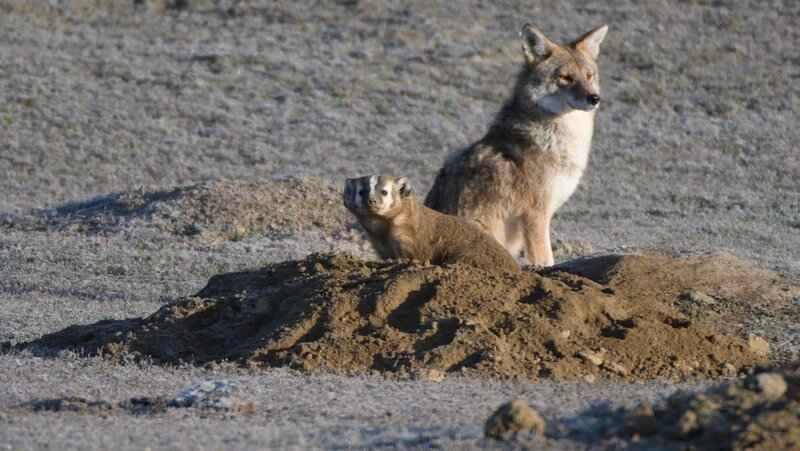
On the American prairie, coyotes and badgers occasionally form hunting partnerships. Coyotes are adept at chasing ground prey, but are helpless when their prey hides in underground burrows.
This is where badgers, skilled at digging, come in handy. They dig out prey and share the spoils with the coyotes, working seamlessly together.
10. Meerkats and Drongos: The True and False Alarm Sounds

In some parts of Africa, drongos and meerkats have established a remarkable symbiotic relationship. The drongo acts as a high-altitude watchdog, sounding an alarm when danger is detected, causing the meerkats to quickly flee, abandoning their prey.
But drongos aren't always so "honest." Sometimes they give false alarms to sneak in and eat food dropped by meerkats. This kind of opportunistic mutualistic relationship is quite common in nature.
Summary: The Wisdom of Cooperation in Nature
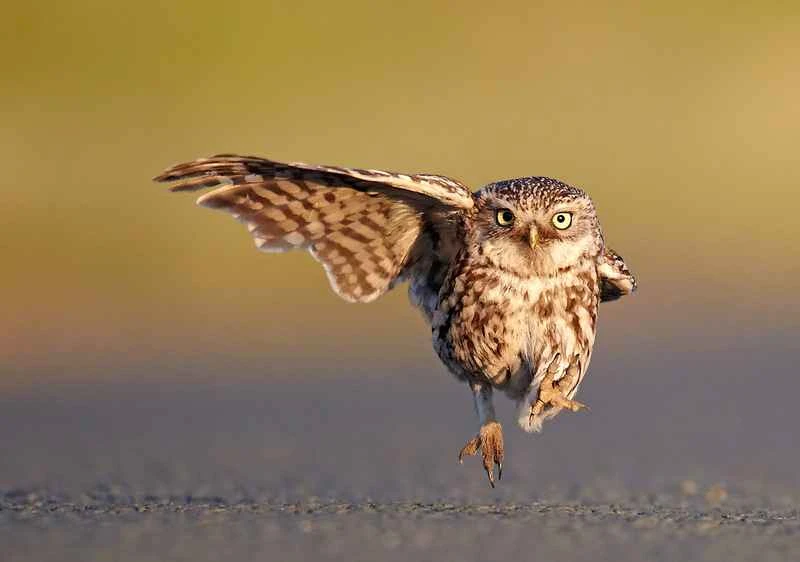
These interactions between animals demonstrate that cooperation in nature is far more prevalent and complex than we imagine. From cleaners to alarms, from hitchhikers to roommates, these symbiotic relationships illustrate how organisms use intelligence to adapt to their environment and cooperate for survival.