When you think of horses, you might first picture an elegant Arabian horse galloping across the desert, or a strong Clydesdale pulling a heavy load. Horses are among the most diverse and fascinating animals on Earth, with each breed possessing unique characteristics, history, and purpose. From racehorses to agriculture and leisure riding, the variety of horse breeds makes them suitable for a wide range of scenarios. This article will take you on an in-depth journey through ten horse breeds, exploring their characteristics, history, uses, and care methods to help you better understand the uniqueness of each breed.
What are horse breeds? Understanding the basic concepts
Before delving into the top ten horse breeds, we need to understand what a horse breed is. Simply put, a horse breed is a group of horses with similar appearance, temperament, and abilities, characteristics that are usually passed down through generations. Each breed of horse has its specific purpose; for example, some breeds excel in speed, some in strength, and others in endurance. The classification of horse breeds is based on these characteristics, and their lineage and bloodline play a crucial role in the development of the breed.
Why is it important to understand horse breeds?
Each breed of horse has its own history and specific strengths that make it suitable for certain tasks. For example, racehorses like Thoroughbreds are known for their speed, while horses like the Clydesdale are known for their strength and pull ability. Understanding the characteristics of different horse breeds is crucial, whether you enjoy racing, working on farms, or looking for a family pet horse.
Introduction to the Top Ten Horse Breeds
Next, we will delve into ten horse breeds that are popular for their history, characteristics, and uses, covering equestrian sports, agricultural work, recreational riding, and more.
1. Arabian horse
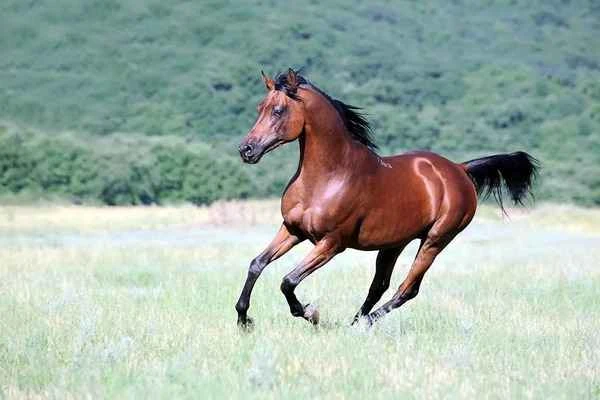
Arabian horse
The Arabian horse is one of the oldest and most influential horse breeds. It is renowned for its endurance, speed, and stamina. The Arabian horse has played a pivotal role in the development of horse breeds, and its elegant appearance and curved neck make it unique among all horse breeds.
Purpose: Endurance riding, long-distance racing, and as a foundation stallion for other breeds.
Appearance: Small to medium-sized, with a delicate head, shallow facial indentations, and a high-held tail.
Personality: Intelligent, energetic, and loyal.
2. Thoroughbred
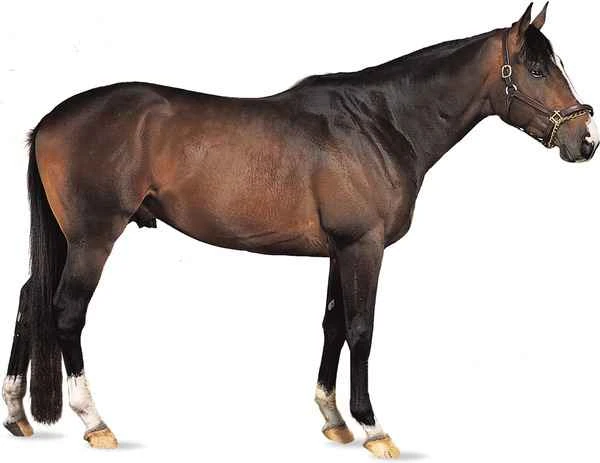
Thoroughbred
Thoroughbreds are synonymous with racehorses. They are renowned for their speed and agility and are bred specifically for racing. Besides racing, Thoroughbreds also excel in show jumping, polo, and dressage.
Uses: horse racing, jumping competitions, polo, equestrian sports.
Appearance: Tall, slender, athletic, long legs, deep chest.
Personality: Intelligent, sensitive, and highly stressed.
3. American Quarter Horse
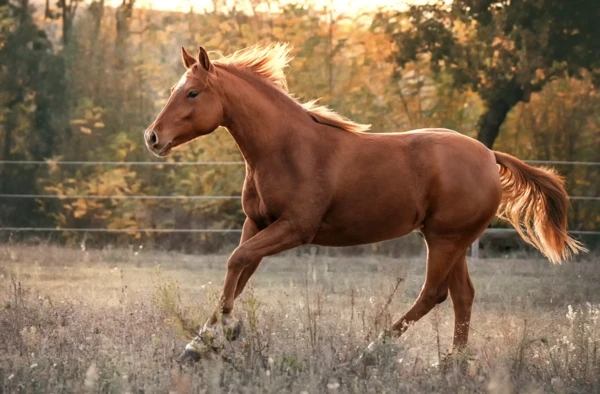
Quartermar, USA
The American Quarter Horse is one of the most popular and diverse breeds in the United States. Known for its short-distance acceleration and agility, it is suitable for Western riding, cowboy work, and competitive racing.
Uses: Western riding, pole vaulting, ranch work, rodeo.
Appearance: Compact, muscular, broad chest, and strong hindquarters.
Personality: Calm, intelligent, and friendly.
4. Clydesdale
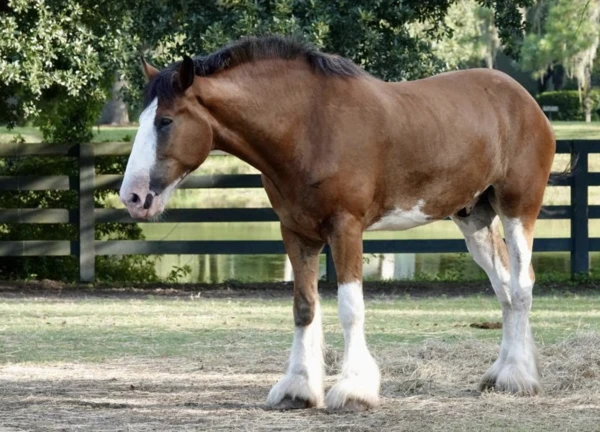
Clydesdale
The Clydesdale is a heavy-duty horse known for its strength and majestic appearance. Originally used for heavy farm work and pulling carts, this breed is now often seen in parades and carriage driving.
Uses: Heavy work, parades, carriage driving.
Appearance: Large in size, with long legs and prominent fur decoration (feathers).
Personality: Gentle, calm, and intelligent.
5. Andalusian Horse
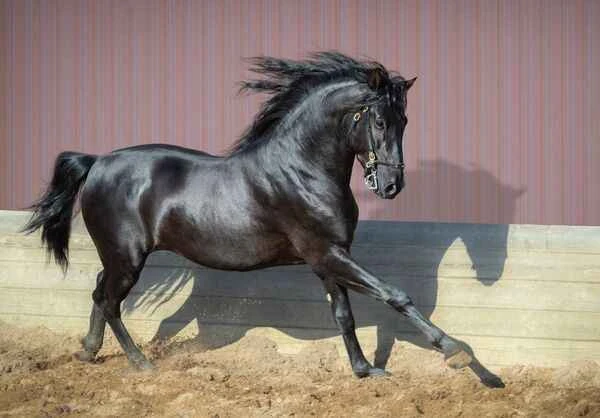
Andalusian horses
The Andalusian horse originated in Spain and is renowned for its beauty, elegance, and powerful physique. It is highly popular in dressage and other classic riding styles, and is admired for its graceful movements and natural riding talent.
Uses: Dressage, classic riding, and display.
Appearance: Medium to large, well-proportioned, with a long, thick mane and tail.
Personality: Intelligent, calm, and cooperative.
6. Warmblood horse
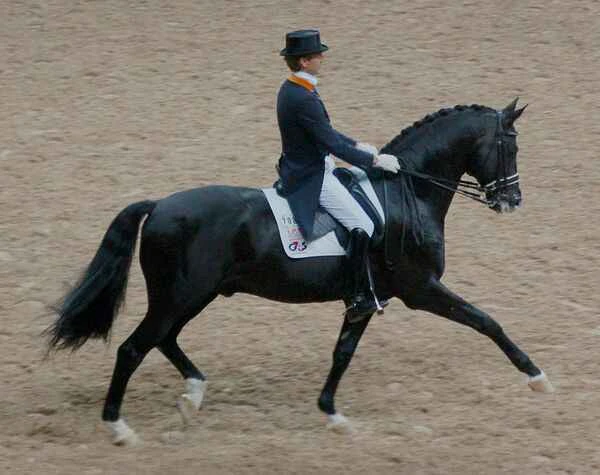
Warmblood horse
Warmbloods are not a single breed, but a category encompassing multiple horse breeds, primarily used for competitive riding and equestrian performances. Warmbloods are typically crossbred with cold-blooded horses and warm-blooded horses (such as Thoroughbreds), thus possessing both strength and agility.
Uses: Dressage, obstacle course, eventing.
Appearance: Tall, muscular, with a delicate head and long limbs.
Personality: Calm, steady, and easy to train.
7. Mongolian Horse
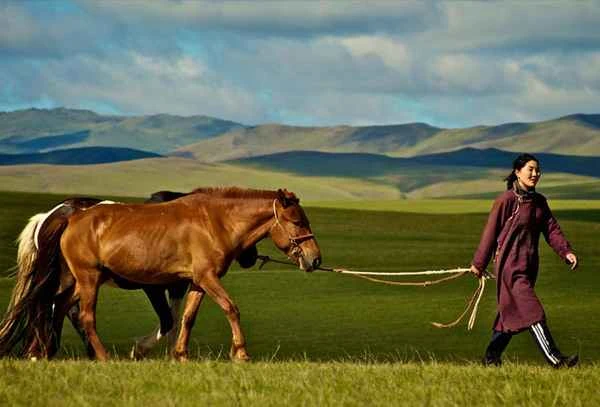
Mongolian horse
The Mongolian horse is a very resilient breed of horse originating from Mongolia. They are known for their endurance and ability to adapt to harsh environments, surviving in severe climatic conditions, and are commonly found on the Mongolian steppes and in nomadic cultures.
Uses: cycling, herding sheep, historical purposes.
Appearance: Small to medium-sized, sturdy build, thick fur adapted to cold climates.
Personality traits: Independent, resilient, and alert.
8. Friesian Horse
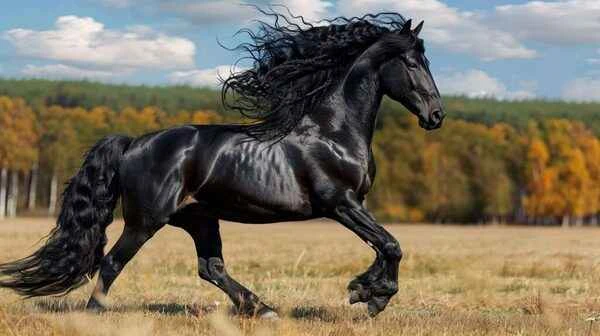
Frisian horse
Friesian horses are known for their striking black coats and graceful movements. They are often used for dressage and carriage driving, and are considered a breed that combines elegance and power, with long, flowing manes and a high-spirited gait.
Uses: Dressage, carriage driving, and display.
Appearance: Tall and elegant, with black fur and long, thick mane.
Personality: Gentle, intelligent, and eager to be pleased.
9. Shire Horse
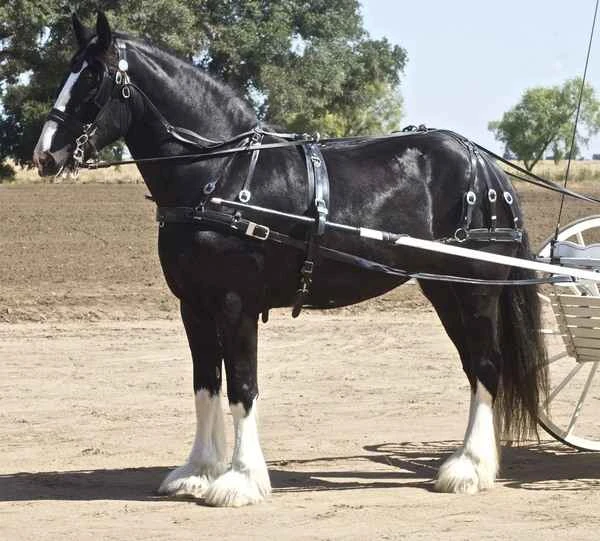
Sharma
The Shire horse is another type of heavy horse, large in size and powerful, originally used for heavy farm work and pulling carts. Today, they are mostly used for parades and carriage driving, and still perform some heavy work tasks.
Applications: Heavy work, parades, ceremonies.
Appearance: Huge and muscular with thick fur.
Personality: Gentle, patient, and calm.
10. Coban Horse
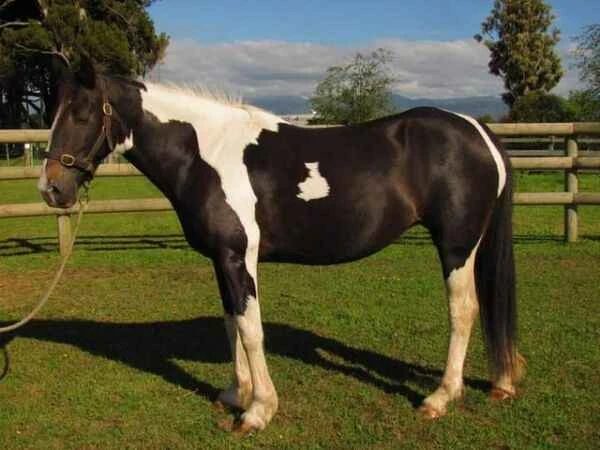
Co-op Horse
The Coban horse (or Talpan horse) is an ancient and rare breed originating from the Eurasian steppe. Known for their endurance and adaptability, they survived and thrived in harsh steppe environments, providing crucial support for early nomadic cultures.
Uses: cycling, herding sheep, historical purposes.
Appearance: Small, sturdy, with thick fur and a broad build.
Personality traits: resilient, intelligent, and independent.
Horse Care: How to Take Care of Your Horse
Whether you choose an Arabian or a Clydesdale, understanding each breed's nutritional needs, exercise requirements, and daily care is key to ensuring its health and well-being.
Feed your horses
Different breeds of horses have different dietary needs. For example, endurance breeds like Arabian horses may require a diet that can support long rides, while heavy horses like Clydesdale horses need a high-energy diet to maintain their size and strength.
Movement and Space
Most horses, regardless of breed, need sufficient space to move around. Horses like Thoroughbreds and Warmbloods typically require regular training and exercise to maintain optimal condition; while heavier horses like Shires require a lighter workload to avoid stress on their joints.
List of horse breeds
| Horse breeds | Main uses | body shape | Personality traits | Significant features |
|---|---|---|---|---|
| Arabian horse | Endurance cycling, basic varieties | Small to medium | Intelligent, energetic, loyal | A refined head, a shallow concave surface, and a high-held tail. |
| Thoroughbred | Horse racing, jumping, polo | Tall and slender | Intelligent, sensitive, nervous | Long legs, deep chest |
| Quartermar, USA | Western riding, ranch work, rodeo | Compact, muscular | Calm, intelligent, friendly | Broad chest, firm build |
| Clydesdale | Heavy work, parades, horse-drawn carriage driving | Huge, heavy | Gentle, calm, intelligent | Long legs, feather decorations |
| Andalusian horses | Dressage, classic riding techniques | Medium to large | Intelligent, calm, and cooperative | Long mane, elegant movements |
| Warmblood horse | Dressage, steeplechaser, eventing | Tall and muscular | Calm, composed, and easy to train | Athletic, steady personality |
| Mongolian horse | Cycling, sheep herding, historical uses | Small to medium | Resilient, independent, vigilant | Sturdy, thick-haired |
| Frisian horse | Dressage, carriage driving | Tall and elegant | docile, intelligent, and eager to please | Black fur, flowing mane |
| Sharma | Heavy work, ceremonies, parades | Huge and muscular | Patient and gentle | Huge size, thick hair |
| Co-op Horse | Cycling, sheep herding, historical uses | Small and sturdy | Resilient, intelligent, independent | Large, strong body, thick fur |
Summary: Exploring the diversity of horse breeds
From the stamina of Arabian horses to the power of Clydesdales, each breed possesses its own unique charm. Whether you prefer the speed of a thoroughbred or are drawn to the elegance of a Friesian, understanding the characteristics of each breed can help you choose the most suitable horse for your lifestyle. With proper care, training, and attention to the needs of each breed, the relationship between you and your horse will be more harmonious and healthy.
Hopefully, this article introducing ten horse breeds has given you a deeper understanding of these fascinating animals. Whether you're involved in competitive riding, agricultural work, or simply looking for a loyal companion, there's a breed for you. We hope you find your perfect horse!