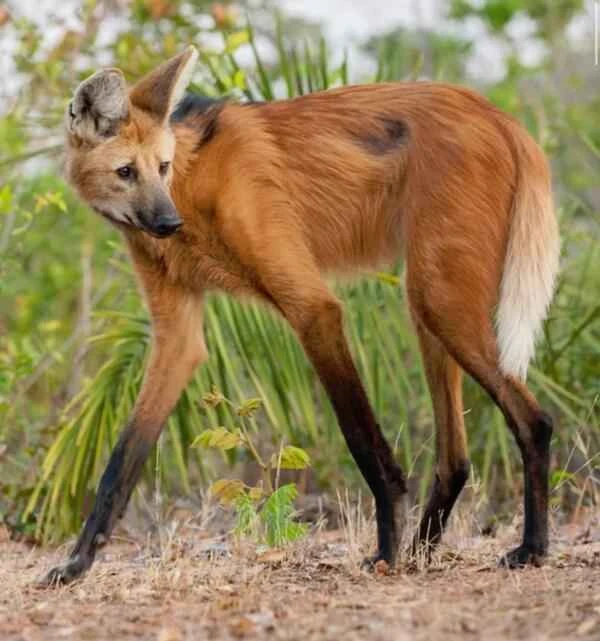
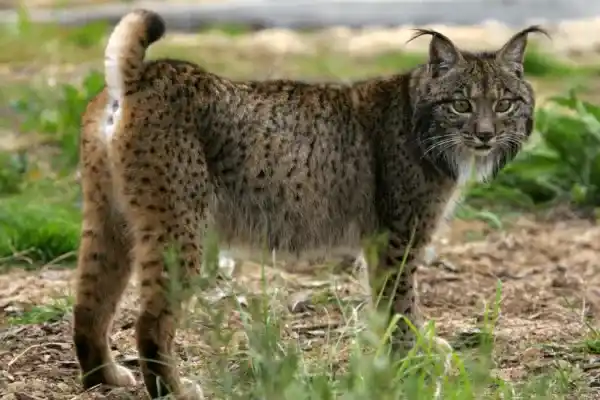
"Natural enemies" are animals in nature that prey on other animals and use them as their primary food source. These animals typically pose a serious threat to their prey, hence the name "natural enemies." Natural enemies are an important component of various ecosystems and are crucial for maintaining ecological balance. By controlling the populations of certain species, natural enemies help alleviate competitive pressures for resources within an ecosystem, while also contributing to the protection of ecosystem diversity and stability. Due to natural selection and evolution, many animals have adapted to coexisting with their natural enemies and are able to avoid predation through various strategies. For example, some animals can run or fly quickly to escape predator pursuit; while others rely on strategies such as camouflage, ambush, and poison to defend against predator attacks.
While almost all animals have natural predators, there are exceptions. A few animals, due to their lifestyle, size, or habitat, may have virtually no natural enemies, placing them at the top of the food chain. Do you know which animals have no natural enemies? Below is a list of ten animals that, apart from humans, have almost no natural enemies: killer whales, Andean condors, Siberian tigers, polar bears, lions, jaguars, Amazonian anacondas, Komodo dragons, elephants, and hippos. Let's take a look at the details.
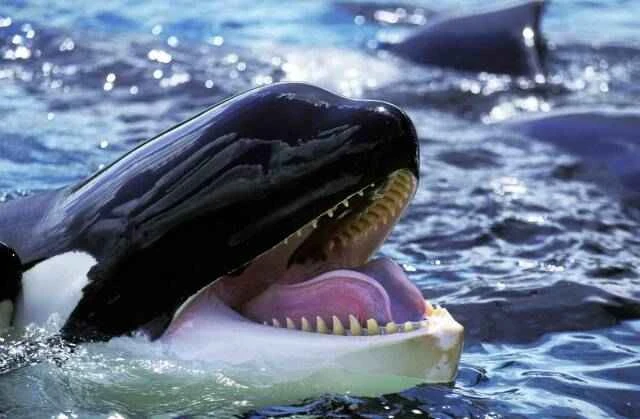
1. Killer whale
Orcas are large toothed whales, typically 8 to 10 meters long and weighing about 9 tons. They have a slightly rounded head with an indistinct beak; a high, erect, curved dorsal fin up to 1 meter long; and a black and white body. With a long, narrow mouth and sharp teeth, orcas are fierce predators, also known for their aggressive nature, preying on penguins, seals, and other animals, making them natural enemies of these species. Orcas also attack other whales, including great white sharks, truly reigning supreme at sea. At the top of the food chain, orcas have no natural predators other than humans. Orcas are highly social animals, living in family groups, some of the most stable in the animal kingdom. They exhibit complex social behaviors, hunting techniques, and vocal communication methods, all considered evidence of their own culture.
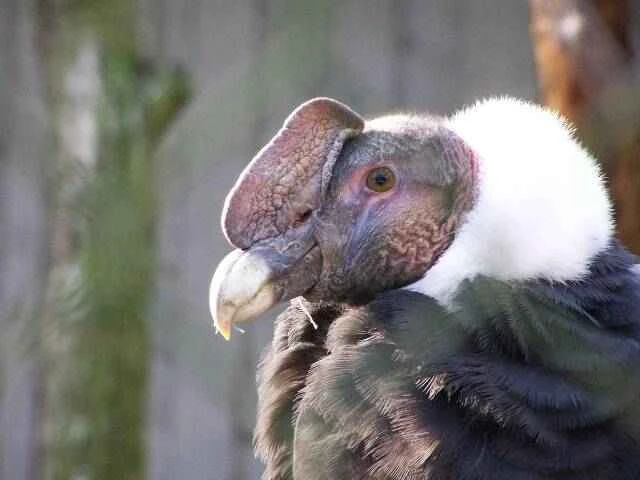
2. Andean condor
The Andean condor, also known as the Andean eagle or the South American condor, is the largest bird of prey in the world, reaching up to 130 cm in length and weighing up to 10 kg, with a wingspan exceeding 3 meters. Males have a fleshy wattle at the base of their beak and a bare, red face. These birds typically inhabit rocky cliffs at altitudes of 3000-5000 meters, primarily roaming vast grasslands and mountainous regions up to 5000 meters. Andean condors are adept soarers, easily taking flight using updrafts to silently survey ravines and rivers. They feed on the carcasses of any animal, particularly cattle and sheep. Healthy adult Andean condors have no natural predators, but large birds of prey and mammalian predators may prey on their eggs or chicks.
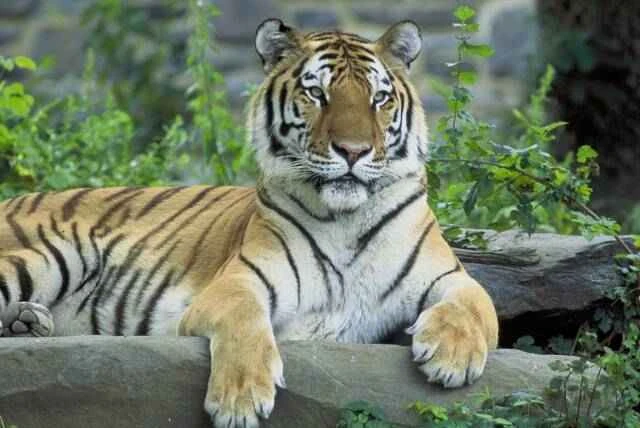
3. Siberian tiger
The Siberian tiger, also known as the Amur tiger, is a subspecies of tiger and the largest living carnivorous feline. Male Siberian tigers can reach approximately 3 meters in length, with a tail about 1 meter long, and weigh around 350 kilograms. Wild Siberian tigers have brownish-yellow fur in summer and pale yellow in winter. Their backs and sides typically have several narrow black stripes, two of which are close together and shaped like willow leaves. The Siberian tiger has a large, round head with several black horizontal stripes on its forehead, often connected in the middle to form a "王" (king) character, hence its reputation as the "King of the Jungle." As adults, the Siberian tiger is an apex predator, and no animal dares to prey on it in its territory. As the largest feline in the world, even wolves and bears fear them and dare not easily provoke them.

4. Polar bear
Polar bears, also known as white bears, are one of the largest land carnivores in the world. Their skin is black, but due to their translucent fur, they typically appear white or yellow. Polar bears are enormous and extremely ferocious. Their eyesight and hearing are comparable to humans, but their sense of smell is incredibly acute, seven times stronger than that of dogs. When running, polar bears can reach speeds of up to 60 kilometers per hour, which is 1.5 times faster than the world's fastest 100-meter sprinter. Due to rising global temperatures, the sea ice in the Arctic is gradually melting. This has led to the destruction of polar bears' habitat, and their habitat has already suffered to some extent. Therefore, in the near future, polar bears may face extinction. To protect this precious species, we need to take action and implement effective conservation measures.
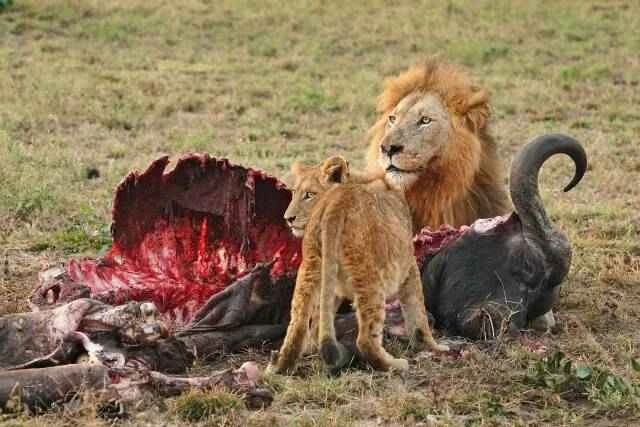
5. Lion
Lions are large felines found in Africa and Asia. In ancient China, they were called "Suanni." They are the largest living feline family and the only feline species exhibiting sexual dimorphism. Lions typically inhabit tropical savannas and grasslands, but can also be found in shrublands and dry forests. They frequently use ambush tactics to hunt other warm-blooded animals. At the top of the food chain, lions are also social animals with strong social behaviors. If we were to name a lion's greatest predator, humans would be considered its most significant enemy. Over the past few decades, human hunting has had a tremendous impact on lion populations; the vast majority of these hunts are unrelated to survival and are solely driven by an insatiable thirst for killing.
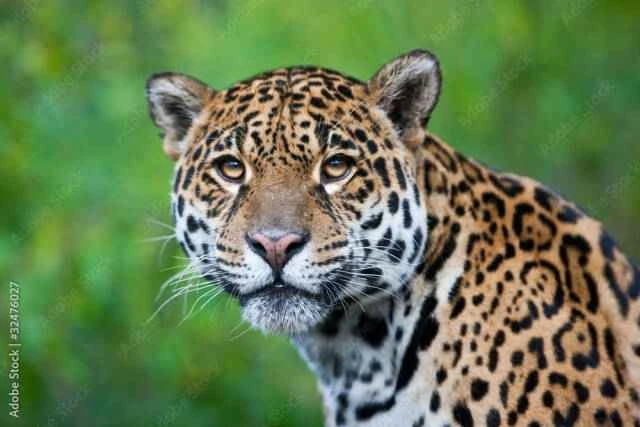
6. Jaguar
The jaguar, also known as the American tiger, is a large cat species native to Central and South America, and is currently one of the third largest living cat species. They typically weigh between 70 and 180 kilograms and have a bite force of up to 1250 pounds. Jaguars have stripes similar to those of a leopard, but their overall body shape is closer to that of a tiger. Among felines, the jaguar is the third largest after the lion and the tiger. As a apex predator, the jaguar has virtually no natural enemies, and its diet is extremely diverse, including fish, sloths, capybaras, deer, porcupines, wild boar, arapaima, anteaters, monkeys, freshwater turtles, and crocodiles. Occasionally, they will also prey on the large anaconda. Jaguars are highly adaptable animals, capable of living in various habitat types, including forests, swamps, mountains, and grasslands.

7. Amazonian anaconda
The Amazonian anaconda is a large snake native to South America, considered one of the largest boas in the world. They have massive bodies, comparable in size to an adult male. These snakes are ovoviviparous, giving birth to around seventy young at a time; however, many of the offspring are consumed by caimans. Anacondas typically inhabit swamps, shallow streams, and still rivers, making them one of the most aquatic giant snakes. They are mostly nocturnal, but sometimes bask in the sun during the day. Adult anacondas possess astonishingly formidable hunting abilities, with virtually no natural predators in their habitat, making them virtually impossible to kill under normal circumstances. Only jaguars, who often target anacondas during their most vulnerable moment—shedding their skin—can successfully ambush them; otherwise, escape is almost impossible.

8. Komodo Dragon
The Komodo dragon, also known as the Komodo monitor lizard, is a large animal belonging to the genus *Variegata* in the family Varanidae. It is one of the largest known extant lizard species. Komodo dragons are ferocious; adults prey on their own young and sometimes other adults. They are very fast and occasionally attack humans, but primarily feed on carrion. Each day, Komodo dragons leave their burrows to forage several kilometers away. Currently, on Komodo Island, Komodo dragons have no natural predators; this is their territory, and they are the dominant species. Even fierce buffalo will eventually die if attacked. Komodo dragons prefer to eat large animals such as wild boar, deer, monkeys, and snakes. Their diet also includes smaller members of their own species and young.
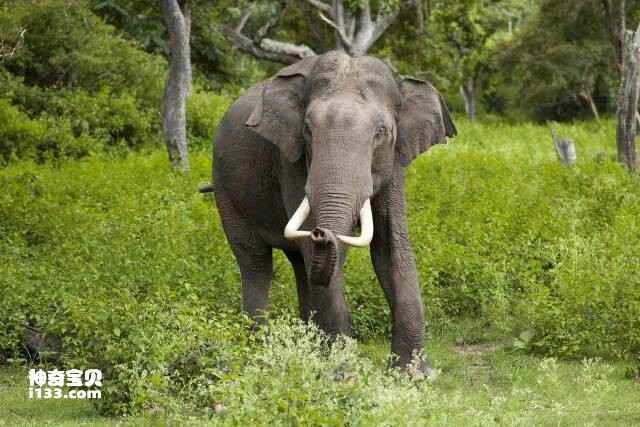
9. Elephant
Elephants are social animals, typically living in family units. The family is led by a female elephant, who directs the daily activities, routes, foraging locations, and resting places. Adult male elephants are primarily responsible for protecting the family and undertake fewer other tasks. Sometimes, several herds gather together to form large herds, some of which can reach hundreds of elephants. Elephants are characterized by their long, flexible, and muscular trunks and fan-shaped ears, which can bend and coil, serving as important tools for self-defense and foraging. Elephants are at the top of the food chain and generally have no natural predators. Only lions may attack elderly, solitary elephants, but in most cases, herds are not threatened by lions. Humans are the greatest natural enemy of elephants, posing a threat to their survival and habitat.
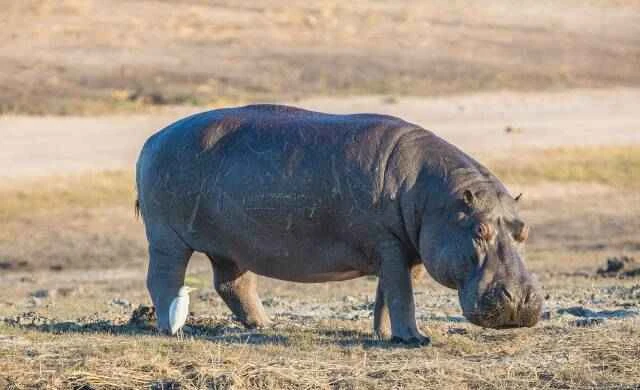
10. Hippopotamus
Hippos are large, omnivorous mammals, belonging to the freshwater species. They are enormous, reaching up to 4 meters in length, 1.5 meters in shoulder height, and weighing approximately 3 tons. Hippos are the second largest land mammal after elephants, with a clumsy and massive body, thick skin, usually bluish-black with brick-red spots. Except for some short hairs on their tails, their bodies are almost hairless. Hippos have virtually no natural predators in the water, as other animals dare not provoke them. Even their rival, crocodiles, are not considered natural enemies. On land, large felines such as lions and hyenas may be their predators. However, even on land, adult hippos are generally rarely attacked by animals like lions or hyenas unless food is extremely scarce.
The list of ten animals without natural predators is based on information such as their habitat and food chain position, and also references relevant internet rankings/lists. This list is for reference only and aims to help you understand which animals in nature have no natural predators. If you have any questions, please feel free to comment/criticize at the end.