Caring for horses is a rewarding task, but it requires time and effort. Whether you're a first-time horse owner or have years of experience, understanding a horse's needs—from nutrition and daily routines to emotional bonding—is crucial. This guide provides a comprehensive overview of essential horse care to ensure your horse lives a healthy and happy life.
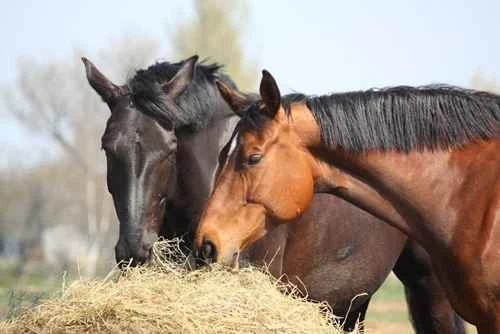
The horse is eating grass
Guidelines for Horse Nutrition and Dietary Management
A horse's health depends on proper nutrition. Horses are herbivores, their diet consisting mainly of grass, hay, and grains, but their nutritional needs extend far beyond these. Understanding a horse's nutritional requirements can help prevent health problems such as bloating, obesity, and malnutrition.
What foods should a horse's diet include?
Hay: High-quality hay should be a major part of a horse's diet. Most horses need to consume 1.5% to 2% of their body weight in feed daily. Common types of hay include hay hay (such as Timothy hay or steppe hay) and alfalfa, the latter being suitable for younger or more active horses.
Grains: Horses that require extra energy (such as racing horses) can eat grains, such as oats, barley, or commercial horse feed. However, grains should be fed in moderation, as too much can cause digestive problems.
Fresh water: Horses should have access to clean water at all times. Adult horses typically drink between 5 and 10 gallons of water per day, depending on their activity level, weather, and diet.
Supplements: Depending on their health needs, some horses may require supplements such as vitamins, minerals, or joint support supplements.
How often should horses be fed?
Horses are herbivores and ideally should have a continuous supply of food throughout the day. While many horses are fed two to three times a day, it's best to allow them free access to hay, as this aligns with their natural diet. Racing or working horses may require additional meals to provide sufficient energy.
What are the living habits of horses?
Understanding horses' natural behavior will help you care for them better. Horses are social animals; they are naturally alert and need to be constantly aware of their environment. Horses are also very social and enjoy the company of other horses, although they can also form emotional bonds with humans or other animals.
Grass eating and activity
Horses naturally require long periods of activity. In the wild, they are constantly eating and walking. As domesticated animals, it is important to provide them with sufficient space to move around, even in stables or enclosures. Regular exercise is crucial for the physical and mental health of horses.
Sleep mode
Unlike humans, horses do not require long, uninterrupted sleep. Horses typically need only 3-5 hours of sleep per day, and these sleep periods are fragmented. Horses usually nap standing up, using a unique leg locking mechanism to support their bodies, but they also lie down for deeper rapid eye movement (REM) sleep.
Social behavior
Horses are social animals, and they are healthier when accompanied by other horses. If you can only keep a horse alone, you need to spend time with it every day to reduce its loneliness.
The emotional bond between horses and humans
Horses are very sensitive animals, capable of forming strong emotional bonds with humans. The relationship between a horse and its rider goes beyond training or riding; it's a deep friendship built on mutual trust and respect. Many riders say that their relationship with their horses is like that with partners, not just that of animals.
Understanding Horses' Emotions
Horses primarily communicate through body language. By observing a horse's ears, tail, posture, and facial expressions, you can better understand its emotions. For example, a relaxed horse will typically have a gentle gaze, a lowered head, and a calm tail; while a fearful or anxious horse may raise its head, flatten its ears, or begin to stomp its feet.
Building Trust
Building trust with horses takes time and patience. You can strengthen this bond by grooming, feeding, and handling them gently. Horses are very sensitive to their owner's emotions, so maintaining a calm and decisive attitude helps reduce their anxiety and build a good relationship.
Symbolic meaning of horses in different cultures
Throughout history, horses have been imbued with significant symbolic meaning. They are typically associated with power, freedom, and elegance, frequently appearing in myths, legends, and works of art as symbols of deities, warriors, and nobility. Below are some examples of the symbolic meanings of horses in different cultures:
Ancient Greek and Roman Culture
Horses were highly revered in ancient Greek and Roman societies. The Greek sun god Helios was the god who drove the chariot, while in Roman times, horses symbolized strength and endurance, frequently appearing in military contexts and representing the superiority of cavalry.
Native American culture
For many Native American tribes, horses were considered sacred animals. They symbolized freedom, mobility, and the connection between the physical and spiritual worlds. Horses were essential to plains tribes, helping them hunt bison and travel long distances.
Symbols in modern culture
In modern society, horses still hold symbolic value. In literature and art, horses often symbolize power, elegance, and nobility. Furthermore, the modern concept of horsepower originates from horses, representing their vital role in transportation and labor.
Seven common misconceptions about horse care
Despite our extensive knowledge about horse care, some common misconceptions remain. Here are seven common mistakes in horse care to help you avoid them and provide better care.
1. Misconception: Horses only need to be fed once a day.
Fact: Horses are herbivores and ideally should have food available throughout the day. Feeding them only once or twice a day may cause digestive problems.
2. Misconception: Horses do not need to see a veterinarian regularly.
Fact: Horses need regular veterinary checkups to monitor their health, prevent disease, and receive necessary vaccinations.
3. Misconception: Horse hoofs don't need much care.
Fact: Horse hooves grow continuously and require regular trimming or horseshoeing to prevent problems such as lameness.
4. Misconception: Horses do not need to warm up before exercising.
Fact: Like humans, horses also need proper warm-up and cool-down to prevent sports injuries.
5. Misconception: Horses only need to drink water when they are thirsty.
Fact: Horses should always have access to clean water; dehydration can lead to serious health problems such as bloating.
6. Misconception: Horses cannot form deep emotional bonds with humans.
Fact: Horses are very intelligent animals and are capable of forming deep emotional connections with humans.
7. Misconception: Training horses only requires force and intimidation.
Fact: Positive reinforcement, patience, and respect are key to successful training. Using intimidation or coercion will damage the relationship and lead to behavioral problems.
Conclusion: Enjoy the pleasures of horse care
Caring for horses is a lifelong commitment that requires patience, knowledge, and love. By understanding their dietary needs, daily habits, emotional bonds, and cultural symbols, you will be able to provide the best care for your horse. Whether you are a novice horse owner or an experienced rider, your relationship with a horse will bring you endless companionship, joy, and unforgettable experiences.