What are some of the world's deadliest snakes? Which snakes are known for their aggression? When talking about the most dangerous snakes, many people first think of their venom, but are the most venomous snakes necessarily the most dangerous? Not necessarily. Some venomous snakes, despite possessing potent venom, are docile; while some less venomous snakes, due to their wide distribution and high aggression, can cause more harm to humans.
Therefore, this article will list the ten most dangerous snakes in the world and discuss which snakes are the most aggressive and cause the most serious injuries.
1. Black Mamba
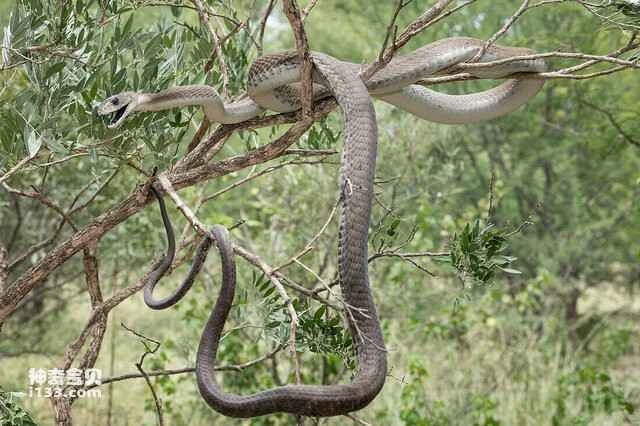
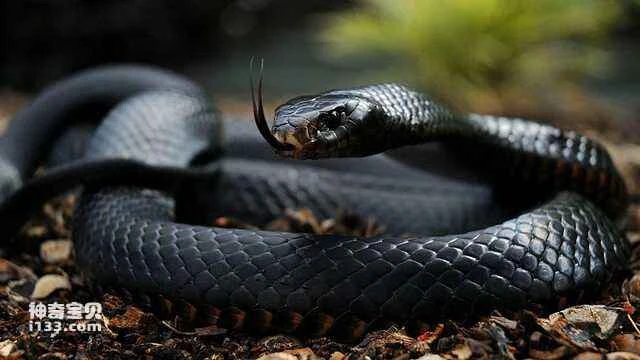
The black mamba, also known as the "black tree cobra," is the second most venomous land snake, possessing astonishing attack speeds, reaching up to 19 kilometers per hour. This snake is the largest of the mamba family and is known as the "African Grim Reaper."
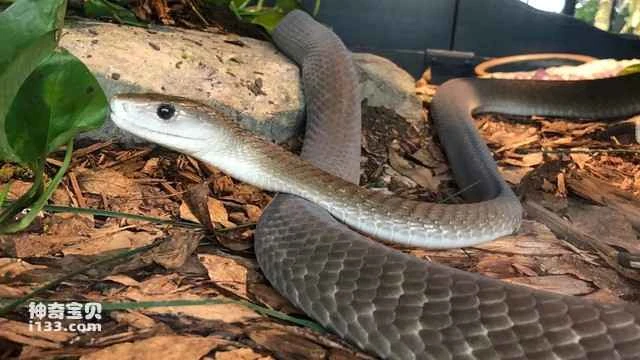
The black mamba has a slender body, typically exceeding 2 meters in length, with some reaching up to 4.5 meters. Its head is rectangular, and its body color is grayish-brown, gradually lightening from its back to its belly. Like other mambas, the black mamba inhabits trees but also forages on the ground, primarily preying on small mammals such as mice, but also hunting lizards and small birds.
2. Spotted viper
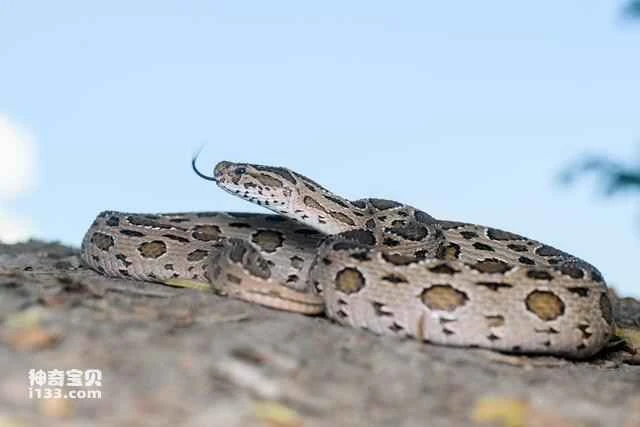
The round-spotted viper, mainly distributed in Thailand, is also known as the hundred-pace leopard and the Lu's viper. It is a venomous viper belonging to the family Viperidae and the genus Viper within the suborder Serpentes. The round-spotted viper is robust, typically reaching about 1 meter in length, with a large, triangular head that is narrower at the front and wider at the back.
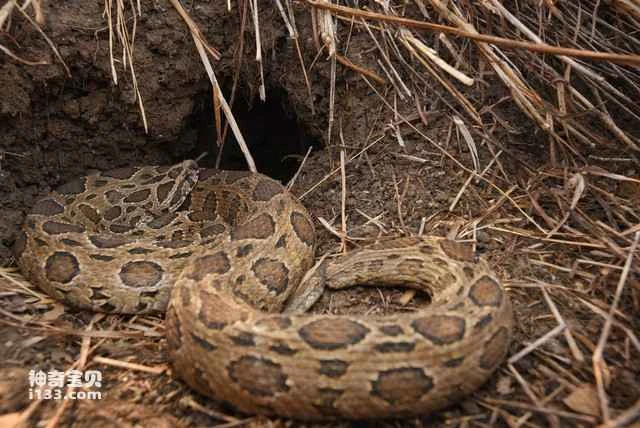
After being bitten by this snake, victims may face serious consequences such as coagulation disorders, limb swelling, and kidney failure. Symptoms include hematuria, hemolysis, and bleeding from the mouth and throughout the body. It can even lead to pulmonary hemorrhage and cerebral hemorrhage, with a relatively high mortality rate.
3. King Cobra
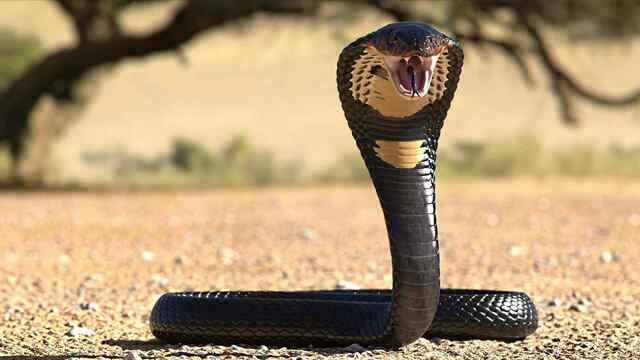
The king cobra, also known as the mountain cobra, is a distinct species belonging to the genus *Kingcobra*, despite its name containing "cobra." Compared to other cobras, the king cobra is more aggressive, reacts extremely quickly, and its potent venom can be fatal within minutes of ingestion, making it considered one of the most dangerous snakes in the world.

King cobras are commonly found in southwestern and southern China, preferring to inhabit grasslands, open slopes, and forests. Their primary prey consists of other snakes of their own species, so other snake species are rarely seen within their territory.
4. Saw-scaled viper
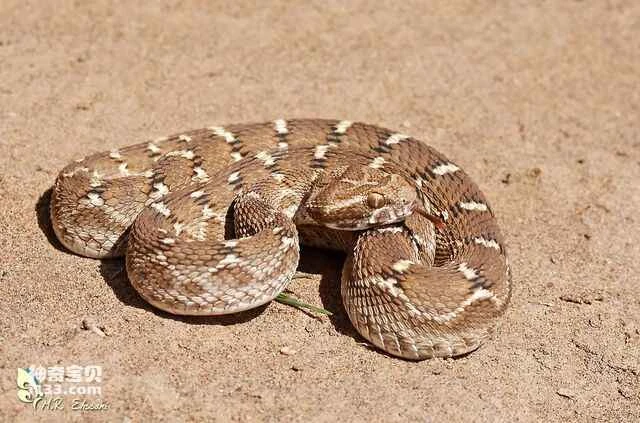
The saw-scaled viper, scientifically known as *Echis carinatus*, is a venomous snake belonging to the viper family. It is primarily distributed in desert and arid regions from North Africa to Sri Lanka. Considered one of the most venomous vipers, its bites are often fatal. Adult individuals typically do not exceed 60 centimeters (approximately 2 feet) in length.
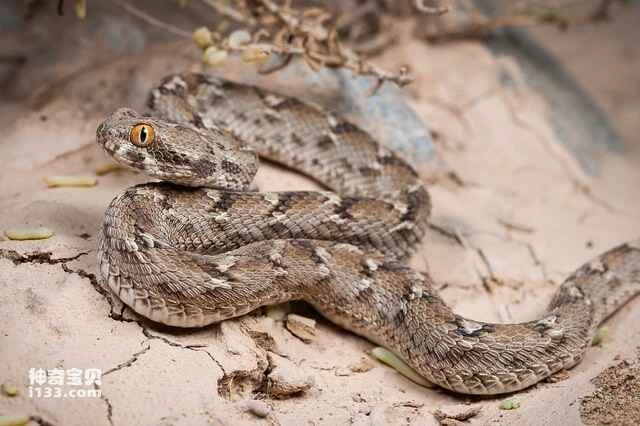
This snake is easily angered and highly aggressive, typically hiding under rocks or in the concealed habitat of rodents. Its body is usually sandy or gray, with white spots on its back and faint zigzag stripes on its sides. Its scales are relatively rough, and when threatened, they rub together, producing a hissing sound.
5. Golden Cobra
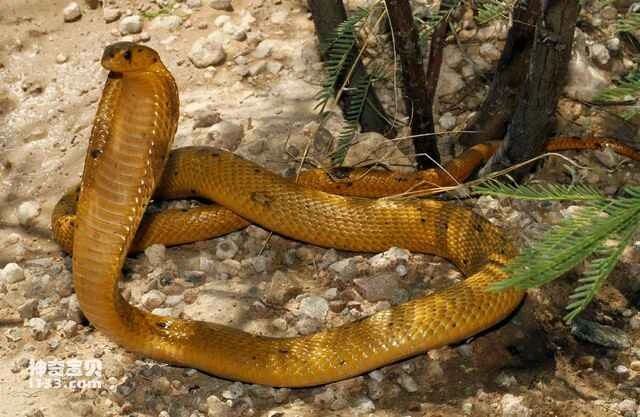
The golden cobra (scientific name: *Naja nivea*) belongs to the family Elapidae and the genus *Naja*. It typically ranges in length from 1.2 to 1.4 meters and possesses striking golden skin with black spots. Its head is oval-shaped, and it is one of the most common venomous snakes causing snakebites in Africa.

The golden cobra is mainly distributed in southern Africa, including South Africa, Namibia, Botswana, and Lesotho. They are active during the day and evening, primarily preying on small mammals, but also hunting frogs and lizards. According to Nigel Marvin's list of the ten deadliest snakes in South Africa, the golden cobra ranks second in venom, only after the black mamba.
6. Tiger Snake
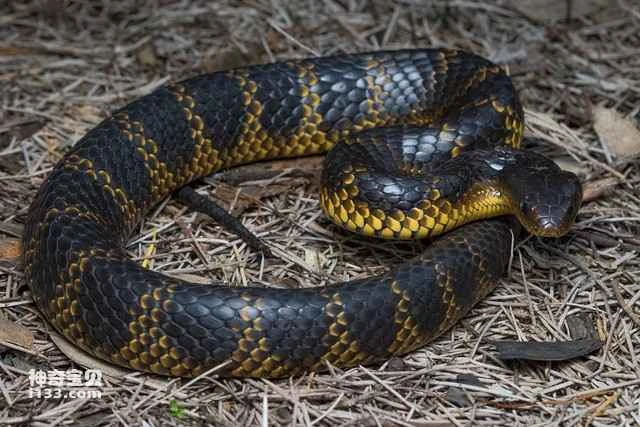
The tiger snake (scientific name: *Notechis scutatus*) belongs to the Elapidae family and is mainly distributed in Australia. Its venom contains coagulants and neurotoxins, often causing death. Before attacking, the tiger snake flattens its head and neck, a characteristic similar to that of the cobra.
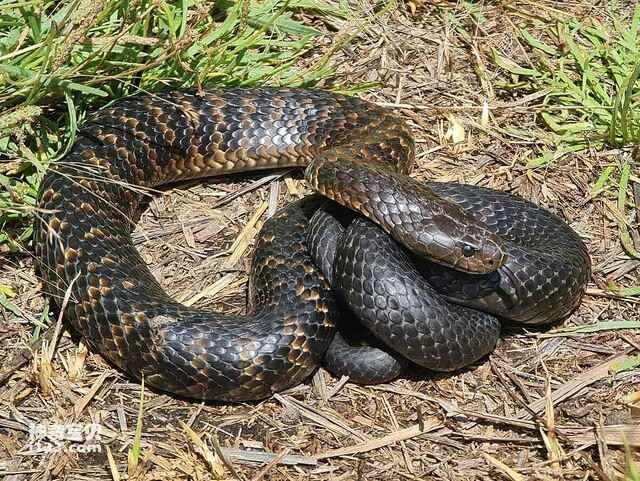
Tiger snakes are common in the swampy regions of southern Australia. They exhibit diverse coloration, often displaying brown and yellow stripes. Their average length is about 1.2 meters (4 feet), typically between 1.3 and 1.6 meters. They have a robust body, a large head, and are usually a light dark orange or tan color with yellowish-green, grey, or orange-brown rings. They inhabit the semi-arid regions of Australia and Tasmania. Tiger snakes are highly aggressive, contain potent venom, and are one of the leading causes of snakebite death in humans.
7. Banded krait
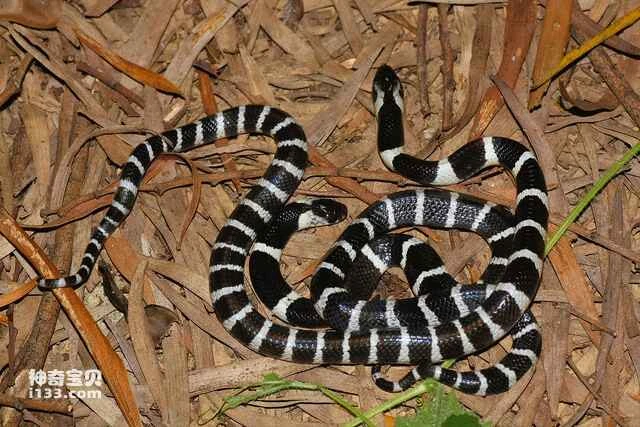
The banded krait is a reptile belonging to the genus *Bungarus* in the family Elapidae. It is commonly known as the money snake, silver-armored snake, or silver-wrapped iron snake. Its venom is extremely potent, and it is considered the fourth most venomous land snake. The banded krait has white and black alternating rings on its body, with the white rings being relatively narrow. It has a long, slender tail and is typically between 1 and 1.8 meters in length.
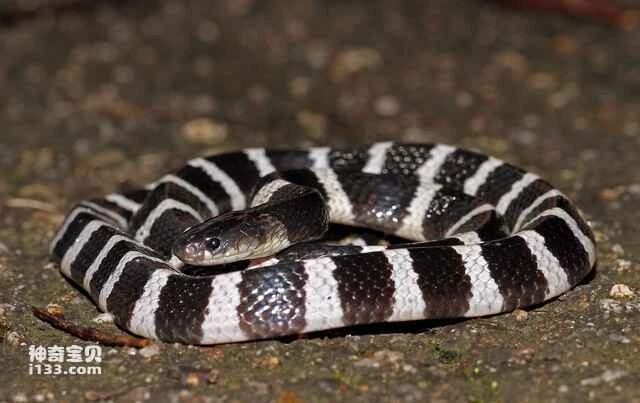
The banded krait is generally docile and rarely attacks humans unless provoked, but it may suddenly bite when laying eggs or when disturbed. It primarily feeds on loaches, eels, and frogs, but also consumes various fish, rodents, lizards, and other snakes.
8. Green Mamba
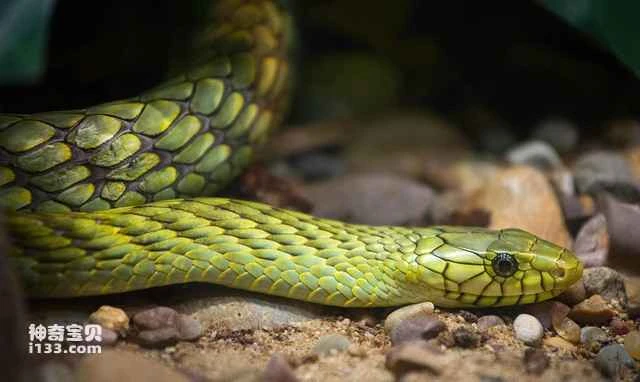
The green mamba is a snake native to Africa, belonging to the family Elapidae and the genus Mamba. It is considered one of the fastest snakes alive today, capable of speeds exceeding 11 kilometers per hour. The green mamba is bright green, with a very slender body and head, typically reaching a length of about 2 meters. It primarily inhabits the forests of eastern and southern Africa.
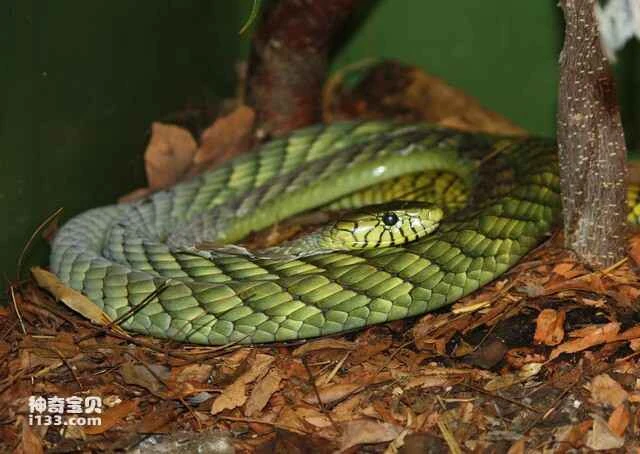
Their green appearance resembles that of noble bamboo, and this camouflage gives them excellent concealment, helping them avoid predators and increasing hunting efficiency.
9. Red tail bamboo leaf green
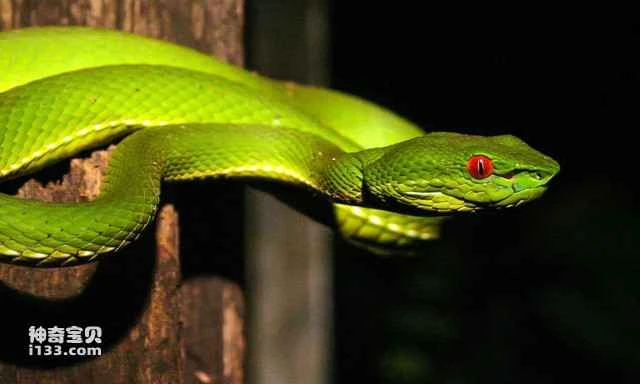
The red-tailed bamboo pit viper, also known as the white-lipped bamboo pit viper, bamboo pit viper, or green bamboo snake, is a venomous snake. The white-lipped bamboo pit viper has a triangular head, a slender neck that resembles a branding iron, a bright green back with indistinct black horizontal bands, and a yellowish-white belly. A prominent white stripe runs along one side from the neck to the tail.

The venom of this snake is hemotoxic; a bite causes intense pain, though systemic symptoms are relatively mild. Although the chances of death from a bamboo viper bite are low, many people are still bitten each year, causing them great suffering.
10. Rattlesnake
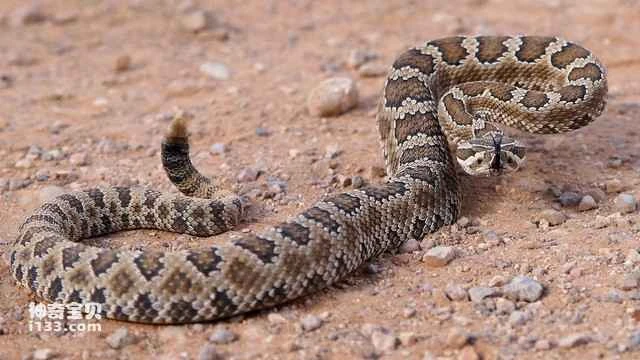
Rattlesnakes belong to the family Viperidae (Rattlesnake family) in the reptile kingdom. They are venomous snakes with tubular fangs, and their venom is primarily hemotoxic. They typically range in length from 1.5 to 2 meters. Their bodies are yellowish-green with diamond-shaped dark brown markings on their backs. The end of their tail has a series of horny rings, remnants left after multiple molts.
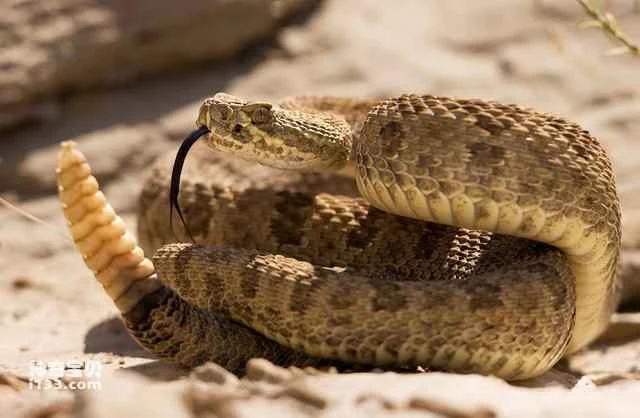
When threatened or moving quickly, rattlesnakes rapidly swing the rings on their tails, sometimes 40 to 60 times per second, producing a loud sound that deters enemies from approaching or causes them to flee, hence their name.