Herbivorous animals: the herbivorous giants of the ecosystem
Herbivores, often referred to as herbivores or grazing animals, are an indispensable part of the ecosystem. They primarily feed on plants, especially herbaceous plants, and play a vital ecological role. This article will detail the types of herbivores, their adaptations, their ecological functions, and their importance in ecological balance.
I. Main Types of Herbivores
Herbivores among mammals
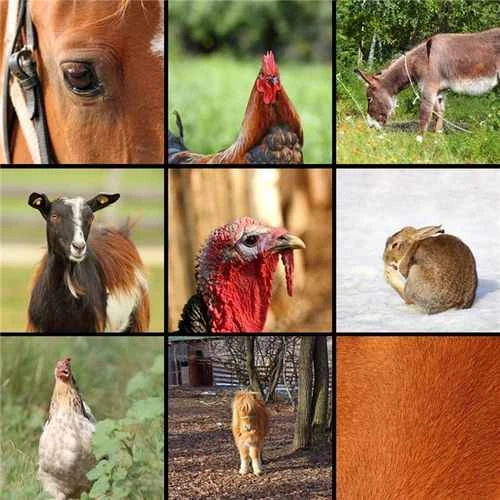
Cattle (such as dairy cows and beef cattle): Cattle are typical herbivores, primarily feeding on grasslands and hay. Their digestive system is well-suited to breaking down cellulose and further digesting food through rumination.
Horses : Horses primarily feed on grass and hay and have powerful grinding teeth that help them efficiently digest grasses.
Sheep : Similar to cattle, sheep are also typical herbivores and can adapt to a variety of grassland environments. They digest plants through constant chewing and rumination.
Deer (such as elk and white-tailed deer): Deer mainly feed on tender grass, leaves and fruits, and have adapted to a variety of forest and grassland environments.
Elephants : Elephants feed on a variety of plants, including grass, leaves, and bark. Their large size and strong tusks enable them to destroy vegetation and impact ecosystems.
Herbivores among birds
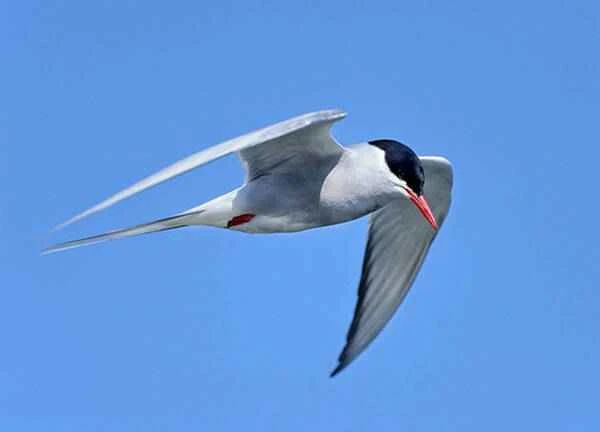
Pigeons : Pigeons feed on seeds and tender leaves of plants and can survive widely in urban and rural environments.
Cranes : Cranes feed on aquatic plants and wetland vegetation and are an important part of the wetland ecosystem.
Herbivores among insects
Grasshoppers : Grasshoppers are common herbivorous insects found in grasslands and meadows, with grass and plants as their main food source.
Caterpillars : The larval stage of many butterflies and moths is herbivorous, feeding on the leaves of various plants.
II. Adaptive Characteristics of Herbivores
Digestive system adaptation
Ruminants , such as cattle and sheep, have complex digestive systems, including four stomach chambers, used to break down cellulose and digest grasses. Their rumination allows them to re-chew their food and break it down further.
Monogastric animals , such as horses, have a large cecum and colon for fermenting and breaking down the cellulose in grasses. Although they do not ruminate, their digestive systems are adapted to process large amounts of plant material.
Mouthparts and teeth
Grinding teeth : Herbivores typically possess specialized grinding teeth for efficiently grinding plant fibers. Horses and cattle have highly developed grinding teeth, adapted to different types of grass.
Beak and mouth structure : Some birds, such as pigeons, have hard beaks used to peck at seeds and tender leaves of plants.
Behavior and Habits
Foraging behavior : Herbivores typically exhibit a wide range of foraging behaviors, adjusting their food sources according to seasonal and environmental changes. For example, elephants migrate in search of different plant resources.
Group living : Many herbivores live in groups to increase their chances of survival and improve their foraging efficiency.
III. The Role of Herbivores in the Ecosystem
Plant control
Herbivores help control plant growth by consuming large amounts of plants, especially grasses. They prevent certain plants from over-proliferating, thus maintaining ecological balance.
Soil fertility
Herbivore excrement is an important fertilizer for the soil. Its rich nutrients help improve soil fertility and promote plant growth.
Seed dispersal
Many herbivores consume plant seeds while foraging, then disperse the seeds to different locations. This helps the plants reproduce and distribute.
Ecological Engineer
Large herbivores such as elephants create new ecosystems by destroying vegetation and altering the environment. For example, elephants cut down trees to create forest clearings, which help the growth of certain plants and animals.
IV. Challenges faced by herbivores
Habitat loss
With urbanization and agricultural expansion, the habitat of herbivores is gradually decreasing. Habitat loss poses a serious threat to the survival of herbivores.
Climate change
Climate change is altering plant growth patterns, thus affecting the food sources of herbivores. Drought and extreme weather events also negatively impact the survival of herbivores.
Human activities
Human activities such as overgrazing, deforestation, and agriculture directly affect the food sources and habitats of herbivores.
The following is a table showing the classification of herbivores and representative animals:
| Animal categories | Representative animals | describe |
|---|---|---|
| mammal | ox | A typical herbivore, feeding mainly on grasslands and hay. |
| horse | They primarily feed on grass and hay, and possess a powerful teeth-grinding function. | |
| sheep | They primarily feed on grass and possess a complex digestive system and rumination behavior. | |
| deer | They feed on tender grass, leaves, and fruits, and are adapted to a variety of environments. | |
| elephant | They feed on various plants, including grass, leaves, and bark. | |
| birds | Pigeon | They feed on seeds and tender leaves of plants and are widely distributed in cities and rural areas. |
| crane | Feeding on aquatic plants and wetland vegetation, they are an important part of wetland ecosystems. | |
| insect | grasshopper | They feed on grass and plants and are widely distributed in grasslands and meadows. |
| caterpillar | The larvae of butterflies and moths mainly feed on plant leaves. | |
| Reptiles | Tortoise | They feed mainly on grass and tender leaves of plants and live in dry or warm environments. |
| fish | grass carp | They feed on aquatic plants and other vegetation, and mainly live in freshwater environments. |
| mammal | camel | They feed on grass, hay, and shrubs, and are adapted to arid environments. |
The table covers herbivores in different animal categories, including mammals, birds, insects, reptiles, and fish, showing their respective food sources and ecological adaptations.
Herbivores play a vital role in ecosystems. They not only maintain the balance of plant growth but also influence the entire ecosystem through the food chain. Understanding the adaptations of herbivores and their roles in ecosystems helps us better protect these important organisms and their habitats. At the same time, it is also necessary to pay attention to and address the challenges these animals face to ensure the health and stability of ecosystems.