The life cycle of cicadas: their metamorphosis from ancient times to the present.
2026-03-23 18:40:07··#1
The life cycle of cicadas: their metamorphosis from ancient times to the present.
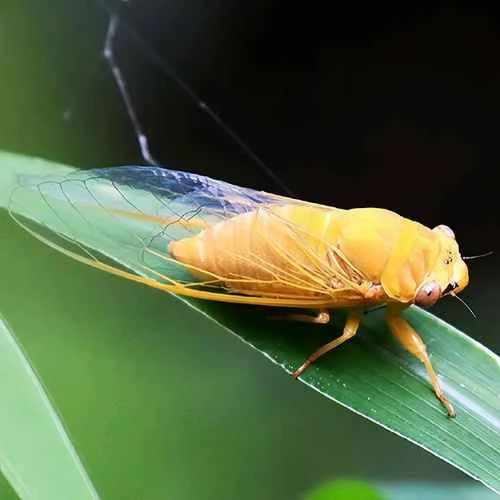
Cicadas, ancient insects, have existed on Earth for millions of years. They are known for their unique life cycle, loud calls, and complex evolutionary history. This article will take you on a deep dive into the life evolution of cicadas and how they have adapted to Earth's ever-changing environment.
I. The Origin of Cicadas
The origins of cicadas can be traced back to the Triassic period , approximately 200 million years ago. Early cicadas differed slightly in morphology and lifestyle from modern cicadas. According to the fossil record, the ancestors of cicadas belonged to the order Hemiptera , and these early insects gradually evolved unique singing systems and lifestyles, eventually developing into the cicadas we know today.
II. The Unique Life Cycle Evolution of Cicadas
Cicadas are known for their long underground life and short above-ground activity, and the evolution of this life cycle is closely related to their living environment.
Underground larval stage : Cicadas spend most of their life cycle underground, a characteristic likely intended to avoid predators on the surface. Cicada larvae feed on tree root sap underground and typically take 3 to 17 years to complete their development. This slow growth process has helped cicadas avoid many predators throughout their evolutionary history.
The evolution of periodic cicadas : Some cicada populations in North America have evolved periodic cicadas with life cycles of 13 or 17 years. This long life cycle helps them avoid predators, as predators cannot adapt to such irregular, large-scale cicada swarms.
Molting and adult stages : Once cicada larvae mature, they emerge from the ground to molt and become adults. Adult cicadas attract mates with their calls and reproduce rapidly. Their time on the ground is relatively short, typically only a few weeks. This brief period of ground activity reduces their risk of predation.
III. The Evolution of Cicada Song
Cicadas are best known for their calls, which have played a crucial role in their evolution. Cicada calls are used not only to attract mates but also to mark territory and scare away predators .
Evolution of vocal organs : The cicada's vocal organs are located in its abdomen, and it produces sound by rapidly contracting specialized muscles. These evolved vocal organs help cicadas produce high-frequency, penetrating sounds that can travel throughout vast forests or grasslands.
Sexual selection and vocalization : During evolution, the calls of male cicadas gradually became more complex and louder in order to better attract the attention of female cicadas. Male cicadas with louder, more rhythmically complex calls were more likely to reproduce successfully, thus driving the evolution of their vocal organs.
IV. Adaptive Evolution of Cicadas
Cicadas can adapt to a variety of environments, from humid tropical rainforests to arid deserts, demonstrating an amazing ability to adapt.
Drought resistance : In arid environments, cicada larvae can feed on the sap of deep tree roots to avoid dying from dehydration. Some cicada species have even evolved the ability to survive in extremely arid conditions, greatly increasing their chances of survival.
Concealment and disguise : Cicadas typically blend their exoskeletons into their habitat to avoid detection by predators. This camouflage ability has evolved over a long period, allowing cicadas to thrive in their natural environment.
Evolution under predator pressure : The cicada's main predators include birds, reptiles, amphibians, and insects. Over the course of evolution, cicadas have successfully evaded many predators by developing a hard exoskeleton, rapid flight capabilities, and an irregular diurnal activity pattern.
V. Modern Evolutionary Trends of Cicadas
Although cicadas have successfully adapted to various living environments over the past millions of years, modern climate change and increased human activities have posed new challenges to their survival.
The impacts of climate change : Global warming has caused changes in the life cycle of some cicada populations. For example, the hatching time of some periodic cicadas may be earlier, disrupting their reproductive cycle.
Habitat loss : With the acceleration of deforestation and urbanization, the habitats of many cicadas are gradually decreasing. This puts them under greater pressure to survive, especially for some rare cicada species, whose populations are declining sharply.
The impact of human activities : The use of pesticides and air pollution have also had a negative impact on cicadas. These chemicals not only kill cicadas directly, but also damage the trees and plants that cicadas depend on for survival.
VI. Conclusion: The life evolution of cicadas is a history of adaptation and challenge.
Cicadas, as ancient insects, have undergone a long and complex evolutionary process. Through their unique life cycle, the evolution of their vocal organs, and their ability to adapt to their environment, they have successfully survived on Earth for millions of years. However, modern climate change and human activities pose new threats to the future of cicadas. Understanding the evolutionary history of cicadas will help us better protect these unique creatures and their habitats.
The life cycle of cicadas is not only a history of biological evolution, but also reflects the interaction and adaptability between organisms and their environment in nature. Whether cicadas can continue to adapt to the human-dominated Earth's environment in the future will be an important issue we need to pay attention to.
Cicadas' food: What do they eat to survive?
Cicadas, known for their loud calls, spend most of their lifespan underground, though their adult stages live on the ground or in trees. Cicadas primarily feed on plant sap; however, their dietary needs differ at different life stages. This article will detail the food sources of cicadas and how they obtain nutrients.
I. Food Sources of Cicada Larvae
Cicadas spend most of their life cycle in the larval stage, especially periodic cicadas, which can last from 3 to 17 years . During the larval stage, cicadas mainly live underground and feed on the sap from plant roots.
plant root sap
Cicada larvae burrow into the roots of trees or other plants using their mouthparts, sucking out the sap as their primary source of nutrition. The sap from plant roots is rich in sugars and minerals, providing the cicada larvae with the nutrients they need to grow.
Tree root type
Cicada larvae prefer to feed on the sap of tree roots, especially deep-rooted plants such as oak , pine , and willow . These trees provide abundant sap, supporting the cicadas' long-term underground survival.
II. Food of adult cicadas
The adult cicada's life cycle is very short, usually lasting only a few weeks, during which its main tasks are reproduction and singing. However, even in the adult stage, cicadas still need to ingest certain nutrients to sustain life.
Tree sap
Adult cicadas use their piercing-sucking mouthparts to penetrate tree trunks or branches and suck out plant sap. Cicadas obtain sugar, water, and other essential nutrients in this way.
Tree species selection
Adult cicadas typically choose trees with tender branches or thin bark, such as willows , maples , and fruit trees , because these trees have abundant sap that is easy to extract.
Not eating solid food
It's worth noting that cicadas don't eat solid food like many other insects. Their mouthparts are specifically designed to suck out sap, so they can't ingest other forms of food.
III. Cicada's Feeding Methods
Cicadas have very unique mouthparts, adapted to their habit of sucking plant sap. Whether larvae or adults, cicadas rely on their special piercing-sucking mouthparts to obtain nutrients.
piercing-sucking mouthparts
Cicadas have needle-like mouthparts that they use to burrow into the outer layers of plants and extract sap. This process is similar to a mosquito sucking blood; the cicada pierces the vascular bundles inside the plant to extract sap.
Continuous use
Cicadas feed very slowly and continuously. The larvae feed on the sap of tree roots underground, while the adults stay on branches or trunks for long periods of time, continuously feeding on the sap.
IV. Cicada Food and Its Ecological Role
Cicadas' food not only provides them with the nutrients to sustain their lives, but also plays an important role in the ecosystem.
Promote plant root repair
When cicada larvae suck sap from plant roots, they may cause some damage, but the plant usually repairs itself by growing new roots. This process actually helps with root regeneration and branching.
cicada corpses as a source of nutrients
Adult cicadas die shortly after reproducing, and their decomposition produces organic matter in the soil, providing nutrients for plants. This is a mutually beneficial relationship between cicadas and the ecosystem.
V. Cicadas' Food and Survival Challenges
Although cicadas can obtain sufficient sap from trees, they also face some challenges in finding food.
Climate change
Global climate change is impacting tree growth in many regions. Extreme weather events, such as droughts, can reduce tree sap, thus affecting cicada survival.
Habitat loss
Urbanization and deforestation have deprived many cicadas of the trees and plants they depend on for survival. This threatens their food sources, especially causing a significant decline in the population size of certain cicada species.
in conclusion
Cicadas primarily feed on plant sap, relying on it for sap from trees and other plants throughout their larval and adult stages. Through their unique piercing-sucking mouthparts, cicadas can sustain sap intake for extended periods, enabling them to play a vital role in the ecosystem. However, climate change and habitat loss pose challenges to cicadas' food sources, impacting their survival and population size.
Understanding the feeding habits of cicadas can not only help us better understand this ancient insect, but also provide a basis for protecting their habitat and ecosystem.
The difference between cicadas and cicadas
Cicadas and cicadas are actually the same insect, biologically indistinguishable. They both belong to the family Cicadidae , just with different names. Here are some of the main reasons for their different names:
1. Regional differences
Cicada : This is a more formal name, usually used in academic fields or formal occasions, and mainly appears in books and academic materials in mainland China.
Cicada : This is a common name for cicadas in northern China, especially in Beijing and other places. It is more often used in spoken language and is named after its call, which sounds like "zhi liao zhi liao".
2. They have the same life cycle and morphological characteristics.
Whether called cicadas or crickets, their life cycle and morphological characteristics are exactly the same:
Larval stage : Cicada larvae live underground for several years, feeding on tree root sap.
Adult stage : Adult cicadas crawl out of the ground, molt into winged adults, begin to sing, suck plant sap, and reproduce.
3. Singing Habits
Both cicadas and crickets make sounds, but it's mainly the male cicadas that produce high-frequency sounds through a special sound-producing organ on their abdomen to attract females. Because this sound is similar to "zhiliao" (a type of cicada), people name them after the sound.
Summarize
"Cicada" and "zhiliao" are different names for the same insect. "Cicada" is the scientific name, while "zhiliao " is the common name. They refer to the same species and have no actual biological differences.
What animals eat cicadas? Unveiling the natural enemies of cicadas.
Cicadas are common summer insects, known for their loud chirping. Although they spend most of their time underground, adult cicadas become a delicious meal for many animals once they emerge from the ground. Cicadas are not only nutritious but also provide a significant amount of protein for many predators. So, which animals actually feed on cicadas?
I. Birds: The main predators of cicadas
Birds are one of the most common natural enemies of cicadas, and many species of birds feed on cicadas, especially during the season when cicadas are abundant.
magpie
Magpies are intelligent birds that search for cicadas in the trees and quickly prey on adult cicadas.
crow
Crows are not only intelligent, but also excellent predators. They can quickly catch cicadas in flight, and their powerful beaks can easily pierce the cicadas' hard shells.
Bluebird
Bluebirds prefer to feed on insects, and cicadas, as flying animals, are one of their main prey, especially when cicada populations increase significantly.
woodpecker
Woodpeckers are known for their tapping behavior on tree trunks. They can detect insects in trees through hearing, and cicadas are often their targets.
II. Mammals: Agile Predators
Many mammals also have predators that like to eat cicadas, especially some omnivores.
bat
Bats are nocturnal insect predators, and they prey on cicadas in flight. Adult cicadas are very easy targets for bats when they fly on summer nights.
squirrel
Squirrels primarily feed on plants, but they will occasionally catch cicadas, especially when the cicadas emerge from the ground to molt.
Raccoon
Raccoons are very agile carnivores. They use the nighttime hours to hunt cicadas, either under or in the trees, especially during periods when cicadas are abundant.
III. Reptiles: Predators Known for Their Patience
Some reptiles are also very good at catching cicadas, especially in the ground areas where cicadas are active.
lizard
Lizards are among the primary ground predators of cicadas. They patiently wait for the cicadas to fall to the ground before swiftly capturing them. The lizards' agility makes them effective cicada hunters.
snake
Some snakes, such as the black snake and the corn snake, also prey on cicadas, especially when the cicadas are on the ground. They use their keen senses to catch these unsuspecting insects.
IV. Insects: Cannibalistic Predators
Cicadas have many natural enemies, not only birds and mammals, but also some insects, including their own kind.
praying mantis
Praying mantises are renowned for their hunting skills; they use their forelimbs to swiftly seize flying cicadas and immediately devour them. The mantis's speed and strength make it a formidable opponent to the cicada.
spider
Large spider webs are deadly traps for cicadas. When a cicada accidentally flies into a spider web, it is quickly captured by the spider and becomes its meal.
assassin bugs
Assassin bugs are predators that feed on other insects. They use their long mouthparts to pierce the bodies of cicadas and suck out their bodily fluids.
V. Amphibians: Skilled Predators
Although amphibians do not prey on cicadas as extensively as birds or reptiles, they will still seize any opportunity to enjoy their deliciousness.
frog
Frogs primarily prey on flying insects. When adult cicadas fly near water sources, frogs will quickly catch them with their tongues.
toad
Toads often hide on the ground or under tree trunks, using their long tongues to catch cicadas, especially when the cicadas are molting or have just crawled out of the ground.
Cicadas have natural enemies in all kinds of animals.
Despite their hard exoskeletons and powerful flight capabilities, cicadas prey on a wide range of animals, including birds, mammals, reptiles, insects, and amphibians. They play a vital role in nature, serving as a key component of ecosystems and an important food source for many animals. During cicada swarming season, many predators seize the opportunity to feed primarily on cicadas to supplement their protein intake.
By understanding the natural enemies of cicadas, we can not only better understand the position of these insects in the food chain, but also recognize their importance to the survival of other species.