What animals do black bears eat? Revealing the carnivorous behavior of black bears.
2026-03-23 19:34:34··#1
What animals do black bears eat? Revealing the carnivorous behavior of black bears.
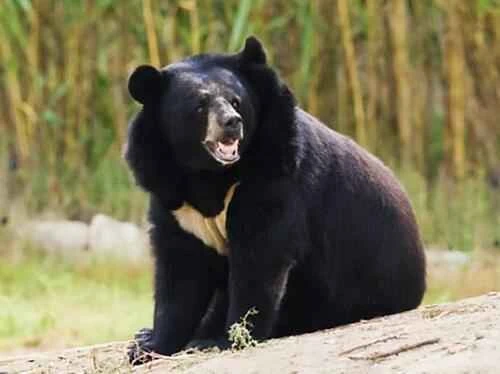
Black bears ( Ursus americanus ) are omnivores, primarily feeding on plant matter, but they also prey on other animals. This article will reveal which animals black bears eat and explain their carnivorous behavior and its importance in the wild.
I. Overview of the Black Bear's Diet
Black bears have a very diverse diet. Although they mostly eat plants (such as berries, nuts, and grass), they also prey on small mammals, birds, and fish. This flexible diet helps them adapt to a variety of ecosystems, including forests, mountains, and wetlands.
II. What animals do black bears eat?
Black bears typically exhibit carnivorous behavior similar to that of the following animals:
1. Small mammals
Black bears prey on a variety of small mammals, especially during seasons when food is scarce or plant resources are limited. Common prey includes:
Squirrels : Black bears prey on squirrels on the ground or in squirrel nests in trees.
Rabbits : Both wild and domestic rabbits are targets for black bears, especially when they can be easily approached.
Rats and voles : Small rodents are common prey for black bears and are easily found in forests or fields.
2. Birds and bird eggs
Black bears prey on birds that nest on the ground and their eggs, especially in spring or early summer when nests are vulnerable to attack.
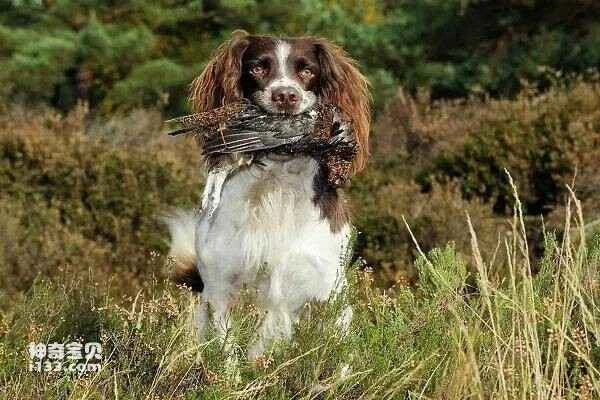
Ground birds : The nests of birds such as pheasants and partridges are often targets for black bears when they look for food.
Bird eggs : Bird eggs are rich in protein and are an important food source for black bears in the spring.
3. Fish
In some areas, especially near rivers or lakes, black bears prey on fish, particularly those that migrate seasonally.
Salmon : Black bears prey on these fish in large quantities during the salmon run, which is an important opportunity for them to accumulate fat.
4. Insects and larvae
Black bears also eat a variety of insects, especially during the warmer months when insects multiply in large numbers. They typically destroy decaying wood, turn over rocks or soil in search of insects and larvae.
Ants and termites : Black bears like to dig up ant nests, and ants and termites are a high-protein food source for them.
Beehives : They also destroy beehives and eat bees and bee pupae.
5. Rotten flesh
Black bears are opportunistic; they sometimes eat the carcasses of dead animals, especially when resources are scarce. Carrion provides a significant amount of calories and protein, although it is not as nutritious as fresh prey.
Deer, elk and other large animal carcasses : If black bears find the carcasses of large animals, they will usually eat them.
III. Black Bear Hunting Strategies
Although black bears hunt infrequently, they are effective predators, especially when food is scarce or when they need to quickly increase their calorie intake. Their immense strength and keen sense of smell help them locate and capture prey.
Keen sense of smell : Black bears have an excellent sense of smell and can detect the scent of prey or food from several kilometers away.
Speed and power : Despite their large size, black bears can run at amazing speeds over short distances to catch small mammals such as rabbits.
Opportunistic hunting : Black bears typically do not go to great lengths to chase prey; they prefer to hunt animals that are easily accessible or take advantage of seasonal opportunities, such as salmon migration, to obtain food.
IV. The impact of black bear carnivorous behavior on the ecosystem
Black bears play an important role in the ecosystem, especially in maintaining the balance of the food chain through predation and scavenging.
Controlling the population of small mammals : By preying on small mammals such as squirrels and voles, black bears help control the population of these animals and prevent them from over-reproducing and affecting vegetation.
Cleaning up carrion : Black bears' behavior of eating carrion helps clean up animal carcasses in the ecosystem and reduces the spread of disease.
V. Seasonal Carnivorous Habits of Black Bears
Black bears' dietary needs change with the seasons. Spring and autumn are their peak hunting seasons.
Spring : After hibernation, black bears need a lot of high-protein food to replenish their energy. Insects, bird eggs, and small mammals become important sources of protein.
Autumn : In preparation for hibernation, black bears seek out high-fat foods, with fish and large animal carcasses being their preferred targets.
in conclusion
Although black bears primarily feed on plants, their carnivorous behavior is an important component of their survival and adaptation to their ecological environment. By preying on small mammals, birds, fish, and insects, black bears can sustain themselves when food resources are scarce. As omnivores, the dietary flexibility of black bears gives them a significant advantage in adapting to different environments.
The threat of black bears: natural and human factors
Black bears ( Ursus americanus ) are the most common bear species in North America. Despite their relatively stable population, they still face multiple threats from both natural and human activities. These threats not only affect the survival and reproductive capacity of black bears but also have long-term impacts on the overall ecosystem of their habitat. This article will explore the major threats facing black bears and their survival challenges in the natural world and human society.
I. Habitat loss and fragmentation
Habitat loss is one of the greatest threats to black bears, especially as human activities expand into more forests, wetlands and mountains, causing their habitats to shrink and become fragmented.
Urbanization and agricultural expansion
Population growth and urbanization have led to the clearing of vast areas of forest, directly destroying black bear habitats. Agricultural expansion, road construction, and commercial development have all deprived black bears of their habitats and food sources.
Black bears may be forced to enter human communities to forage after their habitat is reduced, thus increasing conflict with humans.
Road and infrastructure construction
Infrastructure such as roads and railways has fragmented black bear habitats, causing habitat destruction . This not only restricts the black bears' range but also increases the risk of traffic accidents, making them more vulnerable to injury or death.
II. Conflict between humans and black bears
With increased human activity, conflict between humans and black bears has become a major threat to their survival. Black bears are forced to enter human settlements in search of food, leading to an escalation of tensions between humans and bears.
Waste and food resources
Black bears are attracted to human settlements in search of garbage, pet food, or other human food sources. In the process, they may enter yards, campsites, or even houses.
When conflicts arise between black bears and humans, they usually end with the bears being hunted and killed. To avoid conflict, many areas have implemented management measures to prevent black bears from accessing human food, but these measures are not always effective.
Hunting and accidental capture
Black bears are sometimes illegally hunted or accidentally caught in bear traps. Although hunting of black bears is strictly regulated in most parts of North America, poaching persists, particularly for the illegal demand for bear bile and other body parts.
Bear traps and misused hunting tools can also cause unintentional harm to black bears, especially when they are near human communities.
III. Climate Change
Climate change is altering the ecological environment of black bear habitats, directly impacting their food resources and survival strategies. Global warming is not only affecting black bears' foraging behavior but also disrupting their hibernation patterns.
food shortage
Climate change is causing abnormal flowering and fruiting times in plants, affecting the availability of berries, nuts, and other plant-based foods that black bears depend on. Food insufficiency can lead to malnutrition in black bears, especially females, impacting their reproductive success.
The effects of hibernation
Climate change may extend the active period of black bears and shorten their hibernation time. A shorter hibernation time means they need more food to maintain their energy reserves, but due to food scarcity, this extra energy demand is difficult to meet.
IV. Diseases and Parasites
With habitat fragmentation and increased contact between black bears and humans or other animals, diseases and parasites also pose potential threats to black bear populations.
Parasite transmission
Black bears are susceptible to various parasites, including internal and external parasites such as fleas, ticks, and roundworms. Parasites can weaken a black bear's health, reduce its immunity, and make it more vulnerable to other diseases.
Infectious diseases
Black bears are also susceptible to certain infectious diseases, such as rabies and canine distemper. These diseases can be transmitted to black bears through other wild animals or domestic pets.
V. Illegal trade and poaching
Despite strengthened legal protections for black bears, illegal trade and poaching persist. Particularly in Asian markets, bear bile is highly sought after as a traditional medicinal ingredient, leading to illegal hunting and poaching of bears.
Bear bile trade
Black bear gallbladders and their bile are used in some markets to manufacture traditional medicines, and poachers continue to profit from the black market despite measures that these countries may have taken to combat the illegal trade.
fur and other body parts
Besides bear bile, black bear fur, bones, and other body parts are also in demand on certain illegal markets, which further increases the risk of them being hunted.
VI. The Vulnerability of Ecosystems
Black bears play a vital role in the ecosystem. As omnivores, they help control the populations of small mammals, disperse seeds, and clean up carrion. A decline or imbalance in the black bear population can have ripple effects on the entire ecosystem.
Reduced seed dispersal
Black bears help maintain plant community diversity by eating fruit and spreading seeds. If black bear numbers decline, the spread of certain plant species may be affected, leading to changes in vegetation.
The reduction of carrion cleaners
Black bears, as opportunists, also scavenge carrion, thus clearing forests and other habitats. If black bear populations decline, carrion may decompose more slowly, impacting the health of the ecosystem.
The table below shows the distribution of black bears in different countries and their estimated population range:
nation
Estimated number of black bears
main habitat
USA
30,000 - 40,000
Alaska, the Rocky Mountains, the Appalachian Mountains, the Northern Forests, etc.
Canada
350,000 - 400,000
Extensive forests and mountains in British Columbia, Quebec, Ontario, and other regions
Mexico
3,000 - 5,000
Northern mountainous regions, such as Coahuila and Chihuahua.
Japan
10,000 - 15,000
Mountainous areas and forests of Honshu, Shikoku, Kyushu and other islands
China
5,000 - 6,000
Forests in Northeast China, such as Jilin, Heilongjiang, and Inner Mongolia
Russia
10,000 - 12,000
Forest areas of Eastern Siberia and the Far East
North Korea
Unknown
Mountainous and forested areas in northern Korea
South Korea
Very few
A small number are distributed in the mountainous areas of northern Korea.
The table shows the distribution of black bears in some countries in the Americas and Asia, with the largest black bear populations in Canada and the United States.
Black bears face multiple threats to their survival, including habitat loss, human conflict, climate change, disease transmission, and illegal trade. To protect black bears, stronger measures are needed, such as enhanced habitat protection, reduction of human-bear conflict, and a crackdown on illegal poaching. These measures will help black bears continue to thrive in North America's diverse ecosystems and ensure their vital role in the natural world continues.
If you encounter a black bear, staying calm and following these steps can increase your chances of escaping safely:
1. Stay calm and avoid panic.
Do not run : Black bears run very fast, and running away may trigger a chase.
Stay calm : Control your breathing, stand firmly and assess the situation to avoid panicking.
2. Identifying bear behavior
If a bear sees you but does not show any aggression, keep your distance and gradually retreat.
If a black bear exhibits defensive behavior (such as standing upright or growling), it may be because it is protecting its cubs or food.
3. Give black bears space
Slowly back away : When facing a black bear, maintain eye contact, but do not look directly into its eyes, and slowly back away.
Do not turn around : Turning your back to the black bear or running away increases the danger. Always face it directly.
Use obstacles : If there are trees, rocks or other obstacles, stand behind them.
4. Demonstrates large and powerful
Expand your size : If a black bear approaches you, spread your arms and hold up your backpack or coat to make yourself look bigger.
Make a loud sound : shout in a deep and firm voice, or clap your hands or make noise with objects.
5. Use bear spray
Bear spray : If you have bear spray, use it when a bear gets within 3-5 meters. Spray it into the bear's face to increase your chances of escape.
6. Avoid contact with bears
If a black bear attacks you, protect yourself:
Defensive attack (protecting cubs or food): Play dead as much as possible, cover your head and neck with your hands, and curl up your body to reduce the area of damage from the attack.
Predatory attack (the bear shows extreme interest in you): Behave more threateningly, retaliate, and attack the bear's head with stones, branches, or other objects.
7. Avoid approaching the cubs.
If you see bear cubs, stay away immediately, as the mother bear will protect them fiercely, and any approach may result in a dangerous defensive attack.
8. Ensure there is no food exposure.
When camping or hiking in the wild , ensure that no food or strongly scented items are exposed. Bears are typically attracted to food scents, so staying away from their food sources can reduce the likelihood of conflict.
9. Evacuation route planning
Slowly back away and find a path to a safe place, such as inside a car or building.
Avoid entering dense forests or areas where visibility is poor to prevent being ambushed by bears.
in conclusion
When encountering a black bear, the most important thing is to remain calm, not to run, and to reduce the bear's aggressive tendencies by slowly backing away and making yourself appear more threatening. If possible, use bear spray and try to avoid direct contact with the bear or getting close to bear cubs.