Birdsong is a beautiful natural sound, sometimes high-pitched, sometimes gentle, bringing great pleasure. Different bird species produce different calls, which are sometimes used to identify bird species. Bird songs can convey a lot of information, such as warning other birds of danger, attracting mates, or displaying aggression. Many people enjoy listening to birdsong in the morning, as it brings them inner peace and relaxation. It's worth mentioning that bird songs are also a good biological indicator; when surveying animal communities in the wild, listening to bird songs can provide preliminary inferences about the biodiversity and ecological environment of the area. Do you know which birds in the world have the most beautiful songs? This article introduces ten of the most beautiful-sounding birds: Lark, Thrush, Red-throated Robin, Nightingale, Canary, Leiothrix, Lyrebird, Flycatcher, Red-breasted Robin, and Yellow-browed Warbler. Let's take a look.
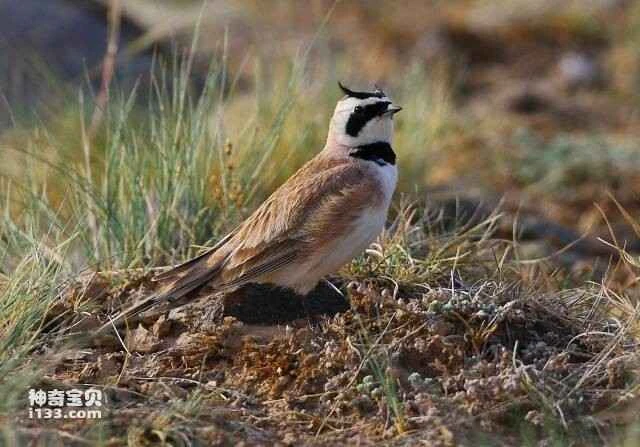
1. Lark
Traditionally, larks have been kept as pets in my country. In Beijing, larks are taught to imitate the sounds of other songbirds and animals. Beijingers have an old tradition of teaching larks 13 sounds in strict order (the "Thirteen Lark Songs"). A lark that can sing all 13 sounds in the correct sequence is highly valued, while any interruption in the song greatly diminishes its worth.
What sets larks apart from other birds is their abundance of vocal muscles—more vocalization muscles than most. Scientists have discovered that larks possess approximately two to five more pairs of vocal muscles than other birds, with some having as many as four to nine pairs. Furthermore, these vocal muscles can contract independently on both sides. This extra number of muscles results in a more powerful and nuanced vocalization than other birds, allowing larks to perform complex vocalizations with greater ease, making their voices more layered and expressive. It also gives their songs a more penetrating quality. Thus, the lark's beautiful voice is a gift from nature, a natural advantage, which explains why larks are among the most popular bird species.
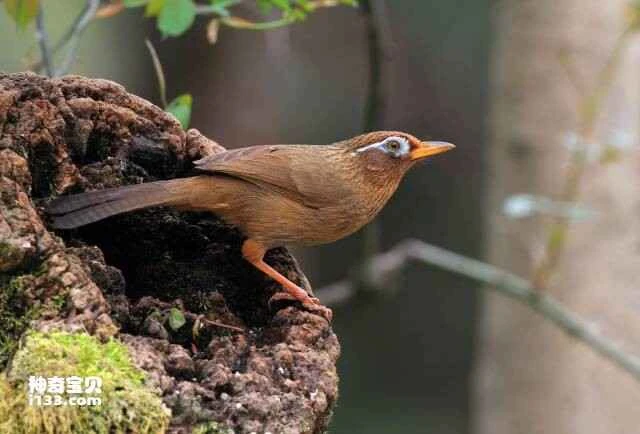
2. Eyebrow drawing
The song of the Chinese thrush is loud, melodious, and varied, earning it the titles of "Singer of the Forest" and "King of Babblers." It is a traditional caged bird in China. The thrush's beautiful song is endearing, making it one of China's prized birds exported overseas. The thrush is a skilled singer, almost constantly singing from dawn till dusk. Its melodious song is especially captivating during the breeding season, when the male's song becomes even more melodious, pleasant, and varied, with the ending note resembling "mo-gi-yiu-". Therefore, the ancients described its call as "Ruyi Ruyi" (meaning "as you wish, as you wish").
During the breeding season, male thrushes are particularly adept at singing, especially at dawn and dusk. Their calls are high-pitched, passionate, melodious, and sustained, possessing a rich rhythm and are very pleasing to the ear. When they sing quickly, their calls are vigorous and unrestrained, like pearls falling on a jade plate; when they sing slowly, they are like flowing clouds and water. Especially their long, continuous calls are truly breathtaking and awe-inspiring. Therefore, some call them "forest singers" or "bird singers."

3. Red-spotted chin
The Red-throated Robin, also known as the Siberian Robin, is one of the three robin sisters along with the Blue-throated Robin and the Blue Robin, and is a prized cage bird in China. The male has a red throat, while the female has a white throat. The male Red-throated Robin is beautifully plumaged and a skilled singer, typically calling from dawn to dusk and into the night. Its song is melodious, soft, and beautiful, making it very pleasant to listen to. It can mimic the calls of insects such as crickets, crickets, and other similar birds, and its song is particularly melodious during the breeding season, often singing at dawn, dusk, and even under the moonlight.
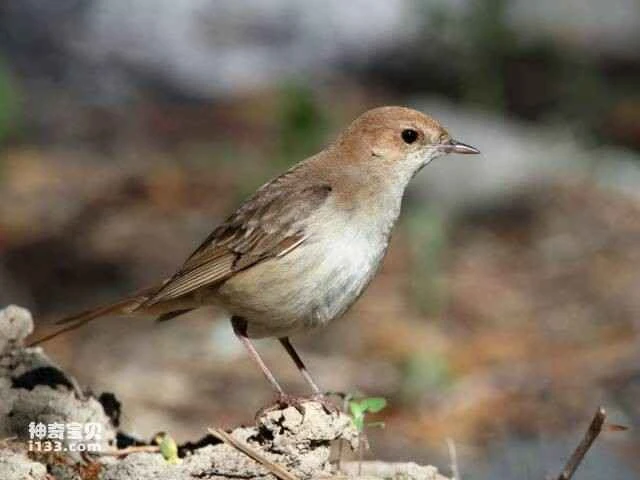
4. Nightingale
The nightingale, also known as the Xinjiang song robin, is a bird belonging to the genus *Bruguiera* in the order Passeriformes. Unlike other birds, the nightingale is one of the few that sings at night, hence its name. The nightingale has greyish-brown plumage, not particularly vibrant, but its song is exceptionally beautiful, with an extremely wide vocal range, making it a popular pet bird. Nightingales are skilled singers, especially during the breeding season, when they hide in bushes and sing incessantly, even at night, making them easy to locate by their calls. Because of their excellent singing, especially at night, and their loud, varied, and melodious song, only unpaired males sing regularly at night, likely to attract mates. Singing at dawn, an hour before sunrise, is considered important for defending the bird's territory.
5. Canary
The canary is a bird of the family Finchidae in the order Passeriformes, native to the Canary Islands in the Atlantic Ocean. According to research and historical records, over 500 years ago, the Canary Islands were abundant with golden canaries, a species of warbler. Local residents often captured them for pets, and they subsequently spread throughout the world. Because of its beautiful voice, clean and crisp plumage, and slender body with slightly high legs, it appeared very well-proportioned and gained popularity, gradually being domesticated and bred as an elegant family pet bird.
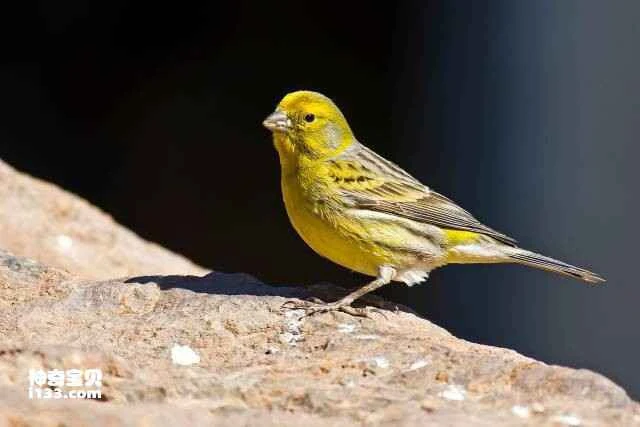
There are many varieties of canaries, with a wide range of plumage colors, including red, yellow, white, green, brown, and greyish-brown. The male canary's song is clear, bright, and melodious, and it can even imitate the calls of tits, swifts, yellow-breasted buntings, and thrushes. When singing, the throat area rises and moves up and down, and the sound is intermittent. Generally, you can distinguish between males and females by their voices; the male's song is more elegant and melodious, while the female's song is more monotonous.
One of my country's famous canary breeds is the Shandong variety, which has a spindle-shaped body and is primarily white or pale yellow in plumage. It is physically robust and has a high breeding rate. When singing, it opens its mouth wide, producing its voice mainly through the vibration of its throat, and can sing 8-10 turns continuously. Its voice is high-pitched, bright, and bold, characterized by its powerful, resonant, and powerful vocals, giving the listener a sense of overwhelming strength. Listening to it up close often leaves a lingering, unforgettable impression. The yellow-and-white canary is often referred to as the Shandong Yellow.

6. Lovebird
The Red-billed Leiothrix is a slender and graceful bird with a melodious, clear, varied, and beautiful song. Its plumage is stunning, making it a renowned ornamental cage bird both domestically and internationally. In captivity, this bird is very active, rarely remaining still, frequently hopping about. It only rests when singing enthusiastically or when the male and female are preening each other. The male's song is particularly beautiful during the breeding season, making it very popular and leading to significant annual export sales. Because this bird eats insects, it is beneficial to agriculture and should not be captured. For its proper use, artificial breeding and rearing are necessary to meet demand.
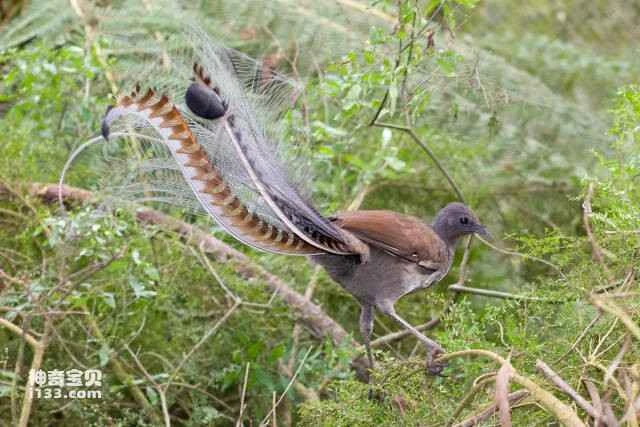
7. Lyrebird
The lyrebird gets its name from the shape of its tail feathers, which resemble a harp, when it displays its mate. It is one of the largest songbirds in the world, and the male lyrebird is renowned for its display during courtship and its highly imitative calls. Besides performing during courtship, lyrebirds also readily serve as the "band" for a type of bowerbird at its wedding. This bowerbird cannot sing, so the lyrebird is needed to accompany it for the "wedding ceremony." They truly are a model of cooperation among birds.
The lyrebird is not only beautiful and magnificent, but also a gifted singer and dancer. It can mimic the calls of various birds, as well as human sounds such as car horns, train exhaust, the sound of axes chopping wood, road construction machinery, and the shouts of a leader. With its melodious song and graceful, rhythmic dance, it is one of the most beloved and precious birds in Australia.

8. Travelling Thrush
The American Robin, also known as the Common Robin, has a complex and almost continuous song, especially the male. It is typically described as a cheerful hymn, composed of discrete units that are frequently repeated and strung together with brief pauses in between. They are usually among the first songbirds to sing at dawn or a few hours before, and their song ends at dusk. They typically sing high in the trees.
The traveling thrush also sings when a storm is approaching and again when the storm has passed. In addition to its songs, the species has numerous calls used to convey specific messages, such as when a ground predator is approaching or when its nest or another traveling thrush is directly threatened. Even during nesting season, when they primarily exhibit competitive and territorial behavior, they may still unite to drive away predators.
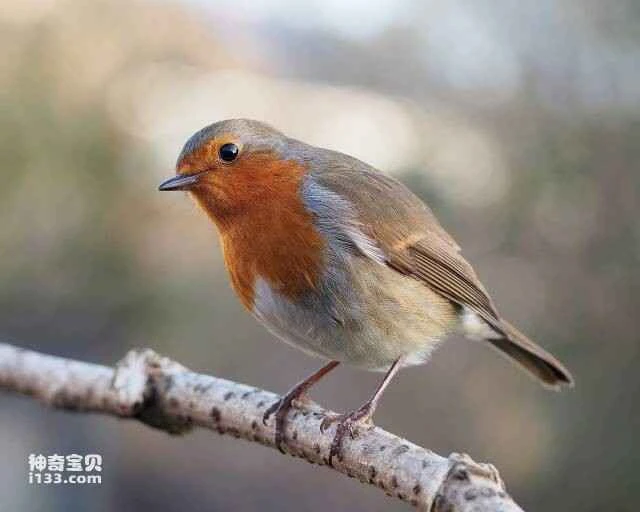
9. Red-breasted Robin
The European Red-breasted Robin, also known as the Stormbird, holds an important place in British and northwestern French folklore. It is considered the stormbird and a sacred animal of Thor. Legend has it that when Jesus was dying on the cross, a brown Red-breasted Robin flew to his side and sang in his ear to comfort him. His blood stained the Robin's breast, and thereafter all Red-breasted Robins bear the mark of Christ's blood.
The red-breasted robin's call is a warbling, flute-like melody, singing from dawn till dusk, and even at night, during the breeding season. It always flies during the day, being the first bird to crow at sunrise and the last to sing its "serenade." Its melodious and varied song is beloved by many.
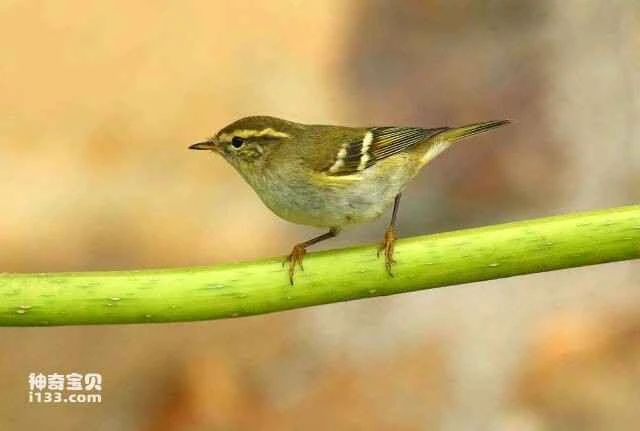
10. Yellow-browed Warbler
The Yellow-browed Warbler is a small insectivorous bird with a faint yellowish-green stripe running down the center of its head. It rarely lands, with peak activity at dawn and dusk. It feeds on various aphids and small insects on trees, especially near water. It often lands at the base of trees, then darts upwards, almost constantly moving, its movements light, agile, and nimble as it forages. This bird has a unique movement pattern: while in the trees, it often sways its body from side to side, constantly changing its angle to find food within a wider field of vision, using its two feet as a pivot point.
The Yellow-browed Warbler has two types of songs: one is a clear, soft call, usually a single "ju," three "ju-ju-yi," or four "ju-ju-yi-zhi" in unison. When restless, it emits a single "ju-," often heard alone, when startled, or during rain. When two or three are foraging in a tree, as they fly from one branch to another, they emit a four-note "ju-jue-yi-zhi" call, which serves as a call. When there are insects in the trees, it emits a four-note "ju-jue-yi-zhi" call, accompanied by body swaying, while searching for and pecking at them. The first sway is called "ju," the second "jue-yi," and the third "zhi," indicating a call triggered by food. This is frequently heard on cloudy days or after rain due to frequent foraging. The other type is a high-pitched warbling song, which is very pleasant to the ear.
The list of the top ten most beautiful bird calls is compiled from relevant websites. It ranks and recommends birds based on factors such as the length of their calls, their ability to mimic sounds, and their online popularity. This list is for reference only. If you have any questions, please feel free to comment at the end.