A country's currency is a global calling card. The reasons for featuring animals on currency are varied, but they are all related to the country's culture, history, tourism, and economic interests. Some animals serve as cultural and historical symbols, such as the panda and dragon in Chinese culture, which can be used as currency designs to reflect their cultural value. Others commemorate specific events or anniversaries by featuring animals on currency. For example, the Lake Beverly gold coin issued to celebrate the country's 150th anniversary features a beaver. Using animals on currency can also promote tourism resources. For instance, kangaroos and koalas are among Australia's famous tourist attractions. Using animals on currency can also raise awareness and conservation consciousness. Furthermore, the images of these animals can serve as brand identifiers for the country's exported goods. For example, lions and cheetahs are important economic resources for South Africa.
Below is an introduction to the animals featured on the currencies of various Asian countries. If you are interested, please remember to like this post. We will update this post with more animals featured on currencies from different regions based on the number of likes. Thank you!
1. China
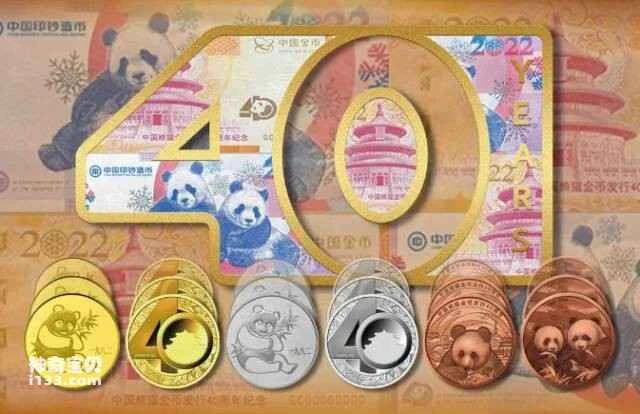
The animals featured on Chinese currency are primarily pandas and swans. Pandas are precious animals unique to China and enjoy a high reputation worldwide. Since 1982, China has been printing panda images on its currency to promote the importance of panda conservation and environmental protection. Currently, the People's Bank of China has issued multiple series of panda commemorative coins and gold and silver commemorative coins in various denominations.
In 2011, the People's Bank of China issued a set of commemorative coins called "Swan Lake," all featuring beautiful swan designs. This set includes six coins: 1 yuan, 5 jiao, 1 jiao, 5 fen, 1 fen, and a 1/10 ounce gold coin, each depicting a swan in a different pose. Furthermore, many other animals have appeared on Chinese currency throughout history. For example, Qing Dynasty dragon dollars and coiled dragon dollars featured dragon designs; and during the Republic of China period, banknotes were sometimes decorated with peacocks and qilin (mythical creatures).
2. United Arab Emirates
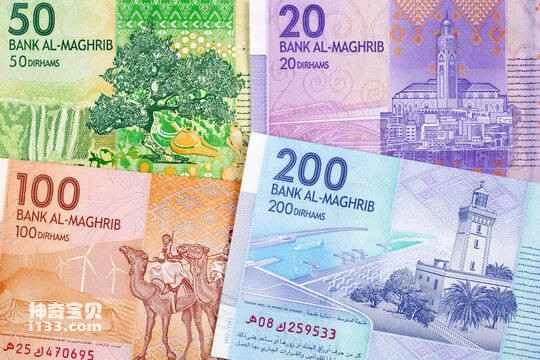
The currency of the United Arab Emirates is the Dirham, with the currency code AED. A camel is typically depicted on the currency, reflecting the camel's historical significance as a means of transportation and a symbol of wealth for Arabs. Additionally, some earlier Dirham coins have featured other animals, such as lions and eagles.

3. Georgia
The currency of Georgia is the lari, and its symbol is a horse. The obverse of the lari coin features the national coat of arms, including a cross, oak leaves, and an eight-pointed star symbolizing the sun, while the reverse depicts a galloping horse. This galloping horse is one of Georgia's national symbols, representing the courage and spirit of freedom of the Georgian people.
4. Cambodia
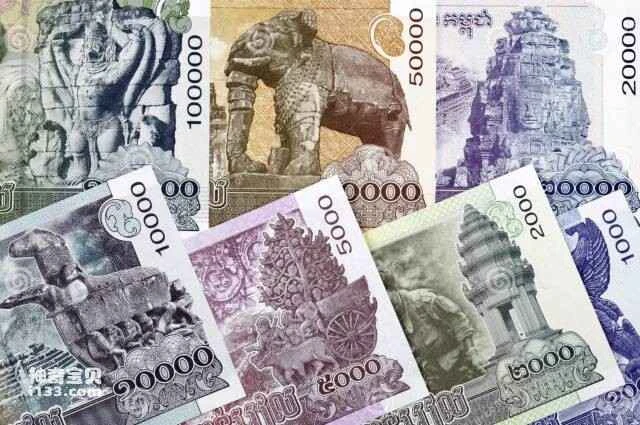
The animal featured on Cambodian currency is the royal white elephant. The country's currency is the riel, and the image of the royal white elephant is printed on both its coins and banknotes. This elephant is considered one of Cambodia's national symbols and holds an important place in the country's history and culture. The royal white elephant is regarded as a sacred animal in Cambodia, representing power, holiness, and good fortune. Therefore, it has become an important element on Cambodian currency.
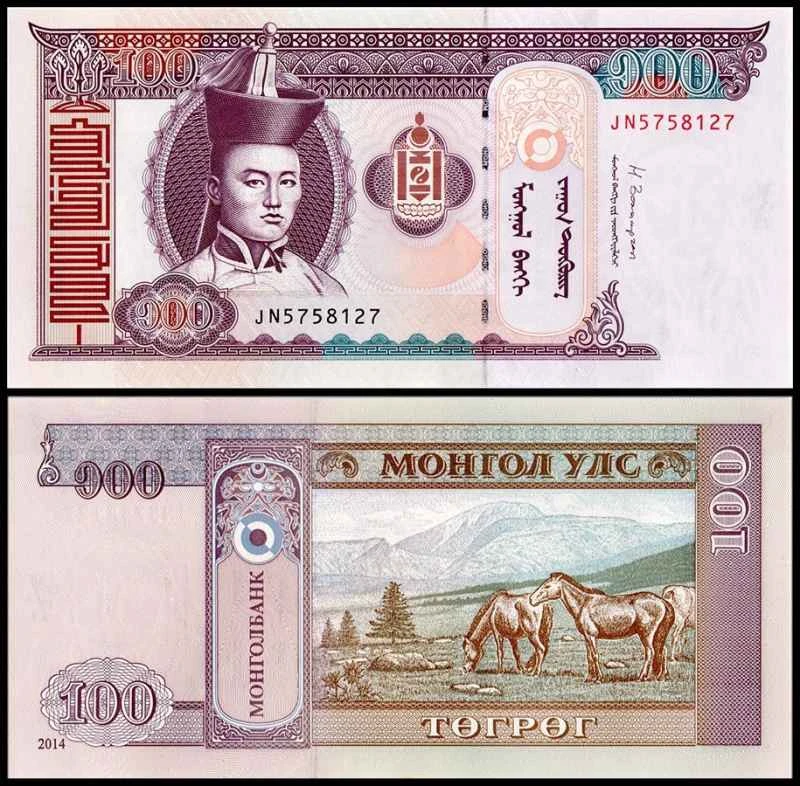
5. Mongolia
The animal depicted on Mongolian currency is the wild horse. The country's currency unit is the Tugrik, and both its coins and banknotes feature images of wild horses. Wild horses roam freely across the Mongolian steppes and are considered a symbol of the Mongolian national spirit and steppe culture. Furthermore, the wild horse was a very important animal in Mongolian history, serving not only as a primary piece of equipment for the Mongolian army but also as a traditional part of the Mongolian diet. Therefore, the wild horse has become a significant element on Mongolian currency.
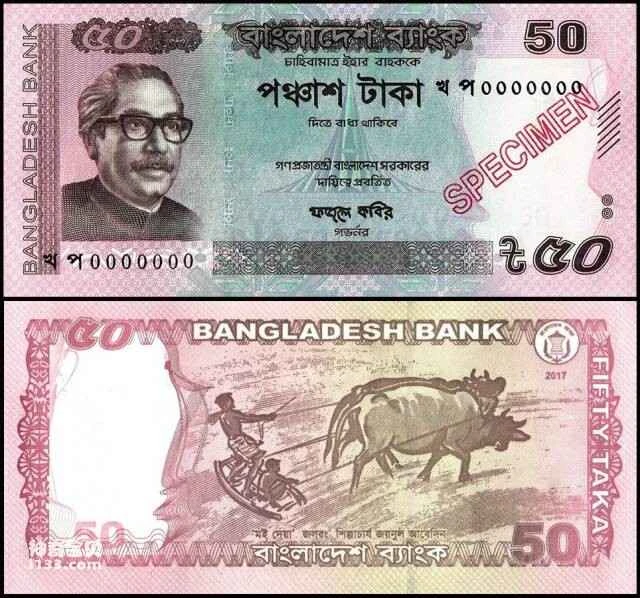
6. Bangladesh
Bangladesh's currency is the taka, and neither its coins nor banknotes feature animal images. However, some earlier versions of taka banknotes did feature images of the Bengal tiger. The Bengal tiger is Bangladesh's national animal and one of the world's endangered species. Their numbers have plummeted due to overhunting and habitat destruction, leading to their inclusion on the endangered species list. Although current taka banknotes do not feature animal images, the Bengal tiger remains a vital part of the country's culture and ecosystem.
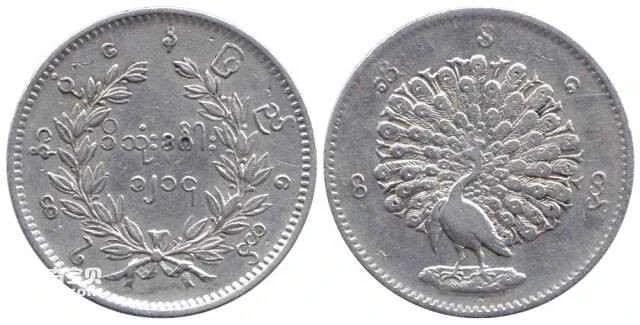
7. Myanmar
The currency of Myanmar is the kyat, and both its coins and banknotes feature animal designs. The obverse of the kyat coins features a peacock circling a rock, along with the national emblem and English text. The peacock, known as the "Royal Peacock," is Myanmar's national bird and a vital part of Burmese culture and history. Other animals, such as elephants, tigers, and crocodiles, are also depicted on kyat banknotes. These animals hold significant place in Burmese culture and wildlife.
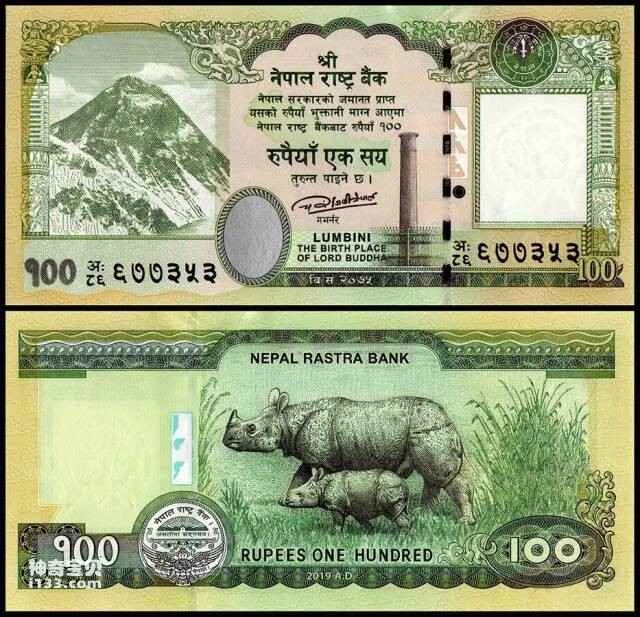
8. Nepal
Nepal's currency is the rupee, and both its coins and banknotes feature animal designs. The obverse of Nepalese coins features the King's portrait in the center, along with English and Nepali script. The reverse depicts various animals, such as deer, peacocks, and rhinoceroses. Rhinoceroses are considered sacred animals in Nepal and are widely distributed in the national parks of the country's south. Nepal is also home to the world's largest takin species—the wild yak—which is another important part of the country's wildlife. Therefore, the inclusion of these animals on Nepalese coins and banknotes reflects Nepal's rich natural and cultural heritage.
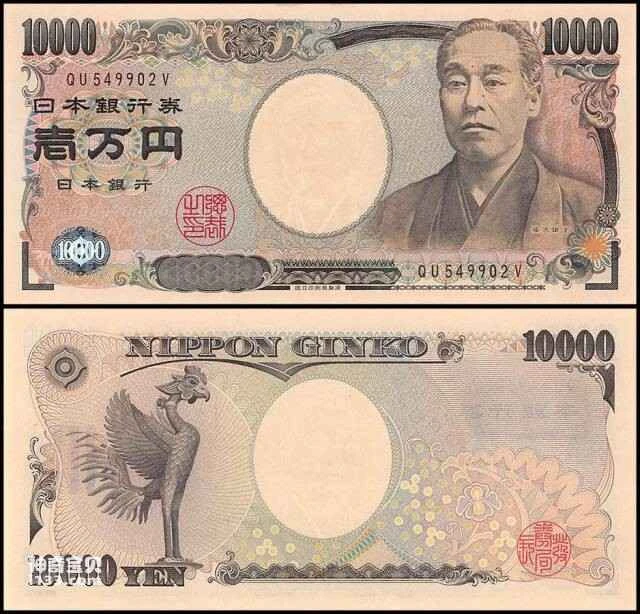
9. Japan
Japan's currency is the yen, and both its coins and banknotes feature animal designs. The obverse of yen coins features the Emperor's portrait, along with Japanese characters and the era name. The reverse depicts various animals, such as peacocks, deer, and giant pandas. Furthermore, yen banknotes also feature animal designs, including birds, horses, and Iwate goats. Deer are considered auspicious animals in Japan, widely distributed throughout the country, and frequently appear in Japanese culture and art. While giant pandas are not unique to Japan, Japan and my country have collaborated on panda conservation in recent years, viewing them as a symbol of friendly cooperation. Therefore, these animals are featured on Japanese currency to highlight Japanese culture and international goodwill.
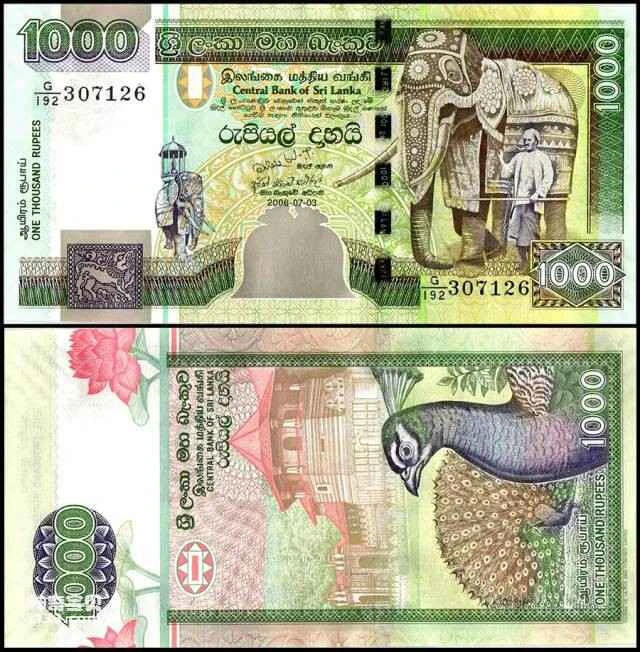
10. Sri Lanka
Sri Lanka's currency is the rupee, and both its coins and banknotes feature animal designs. The obverse of Sri Lankan coins features the King's portrait in the center, along with English and Ceylon script. The reverse depicts various animals, such as peacocks, elephants, and rhinoceroses. Sri Lanka is one of the world's most important peacock habitats, and the peacock is the country's national bird, considered a symbol of good fortune. Furthermore, Asian elephants are widely distributed in Sri Lanka, representing a significant part of the country's wildlife and frequently appearing in Sri Lankan culture and art. Therefore, the inclusion of these animals on Sri Lankan currency reflects the country's rich natural and cultural heritage.
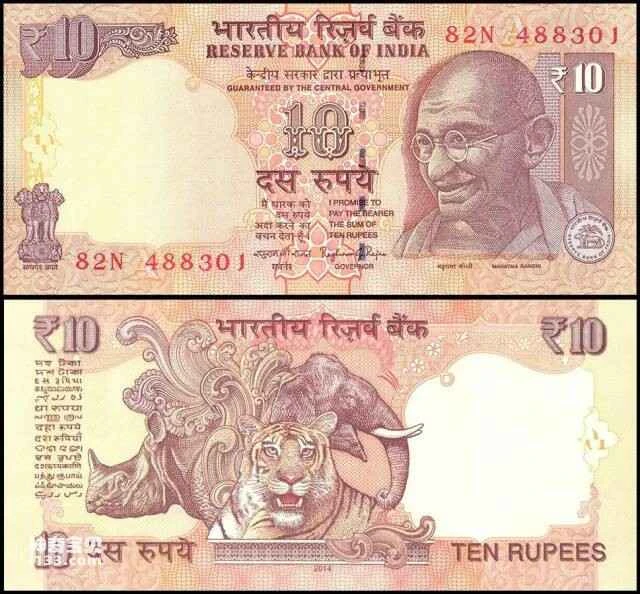
11. India
India's currency is the rupee, and both its coins and banknotes feature animal motifs. The obverse of Indian coins features an image of the national monument, Taji Mahar, along with English and Hindi text. The reverse depicts various animals, such as peacocks, tigers, and rhinoceroses. The peacock is India's national bird and a significant part of the country's culture and history. Furthermore, Bengal tigers and Indian rhinoceroses are widely distributed in India, playing a vital role in the conservation and management of India's wildlife. Therefore, the inclusion of these animals on Indian currency symbolizes India's natural and cultural heritage.
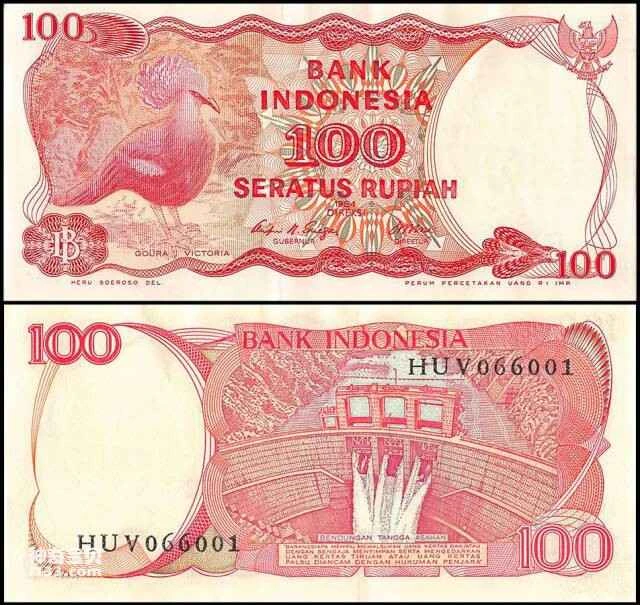
12. Indonesia
The currency of Indonesia is the Rupee, and both its coins and banknotes feature animal designs. The obverse of Indonesian coins features a portrait of a national hero along with Indonesian text. The reverse depicts various animals, such as eagles, dragons, and rhinoceroses. Indonesia's national bird is the Borneo Greenwing, which inhabits the country's forests and is considered one of Indonesia's natural symbols. Furthermore, Indonesia is home to a wide variety of wildlife, including koalas and Indonesian tigers, which play a vital role in the country's ecosystem conservation and cultural heritage. Therefore, these animals are featured on Indonesian currency to showcase the country's natural and cultural diversity.
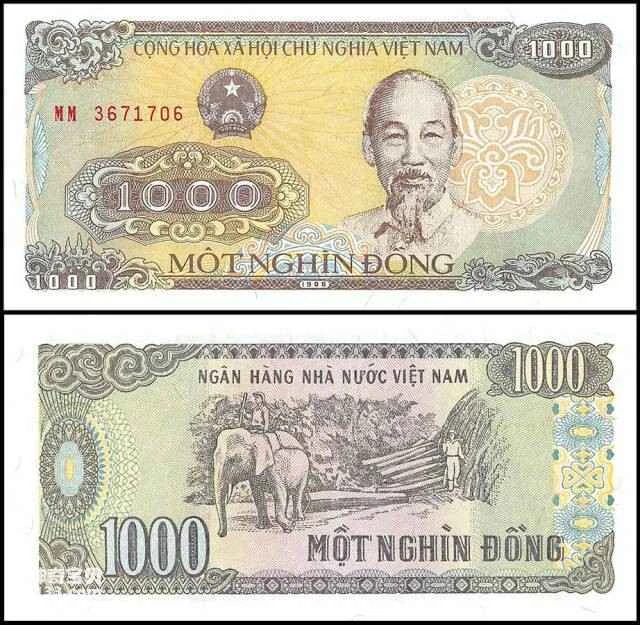
13. Vietnam
Vietnam's currency is the Vietnamese Dong, and both its coins and banknotes feature animal designs. The obverse of Vietnamese Dong coins features a portrait of Ho Chi Minh in the center, along with Vietnamese and English text. The reverse depicts various animals, such as fish, turtles, and birds. The cuckoo, Vietnam's national bird, inhabits the country's forests and is considered one of Vietnam's natural symbols. Furthermore, water buffalo and meerkats are widely distributed in Vietnam, playing a vital role in the country's ecosystem conservation and cultural heritage. Therefore, these animals are featured on Vietnamese currency to showcase the country's natural and cultural diversity.
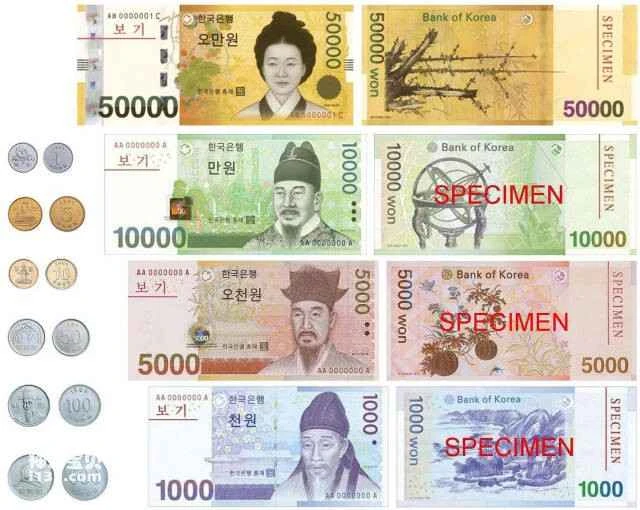
14. South Korea
The currency of South Korea is the won, and both its coins and banknotes feature animal designs. The national emblem and English text are printed on the obverse of won coins. The reverse of the coins depicts various animals, such as tigers, cranes, and rabbits. Tigers are considered auspicious animals in South Korea and frequently appear in Korean art and culture. Furthermore, won banknotes also feature animal designs, such as cranes, butterflies, and carp. These animals are very important in Korean culture and the natural environment, making them a significant element of South Korean currency.
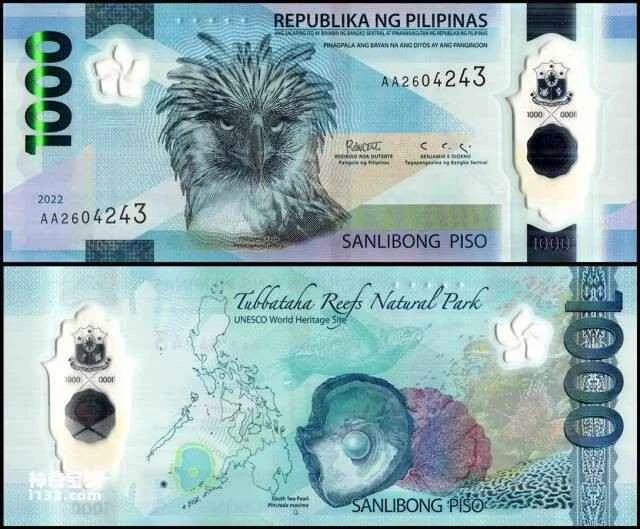
15. Philippines
The currency of the Philippines is the Philippine peso, and both its coins and banknotes feature animal designs. The obverse of the Philippine peso coin features the portrait of a national hero in the center, along with text in English and Filipino. The reverse of the coin depicts various animals, such as tigers, peacocks, and Asian buffalo. The national bird of the Philippines is the swallow, which inhabits the country's forests and is considered one of the symbols of Philippine nature. In addition, monkeys, crocodiles, and bats are widely distributed in the Philippines, playing an important role in the country's ecosystem conservation and cultural heritage. Therefore, the inclusion of these animals on Philippine currency reflects the country's natural and cultural diversity.
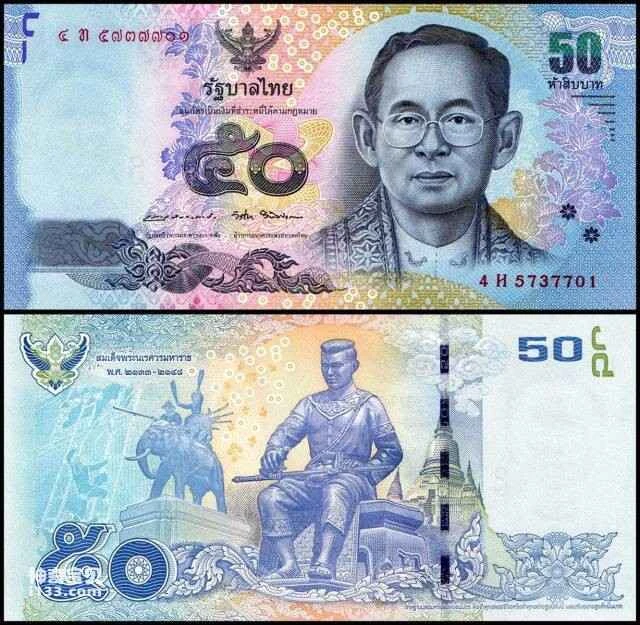
16. Thailand
The currency of Thailand is the Thai baht, and both its coins and banknotes feature animal designs. The obverse of baht coins features the King's portrait and Thai script. The reverse depicts various animals, such as elephants, tigers, and crocodiles. The national elephant of Thailand is the Asian elephant, which inhabits the country's forests and is considered one of Thailand's natural symbols. In addition, leopards and peacocks are widely distributed in Thailand, playing an important role in the country's ecosystem conservation and cultural heritage. Therefore, these animals are featured on Thai currency to showcase the country's natural and cultural diversity.

17. Singapore
Singapore's currency is the Singapore dollar, and both its coins and banknotes feature animal designs. The obverse of Singapore dollar coins features the Merlion, the national monument, along with English and Malay text. The reverse depicts various animals, such as peacocks, butterflies, and lobsters. Singapore's national bird is the Red-billed Leiothrix, which inhabits the country's forests and urban parks and is considered one of Singapore's natural symbols. Furthermore, butterflies, dragonflies, and mantises are widely distributed in Singapore, playing a vital role in the country's ecosystem conservation and cultural heritage. Therefore, these animals are featured on Singaporean currency to showcase the country's natural and cultural diversity.
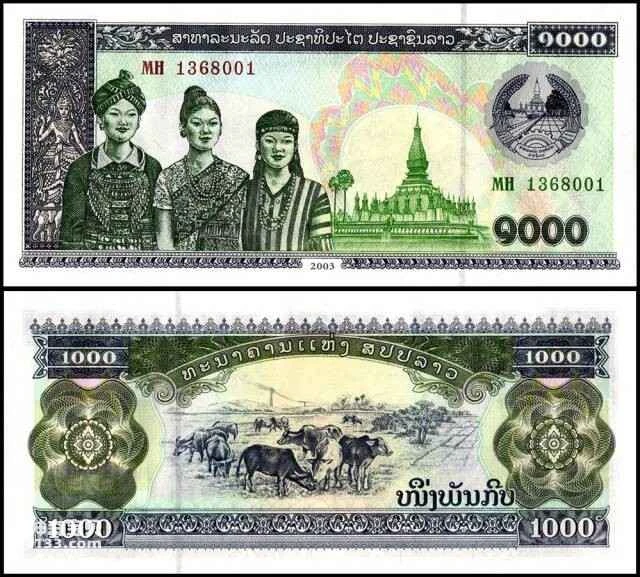
18. Laos
The animal depicted on Lao currency is the white elephant, the emblem of the country. This elephant holds an important place in Lao culture and religion, being considered a symbol of purity, wisdom, and strength. In addition, other animals hold special significance in Laos, such as water buffalo, birds, and snakes.
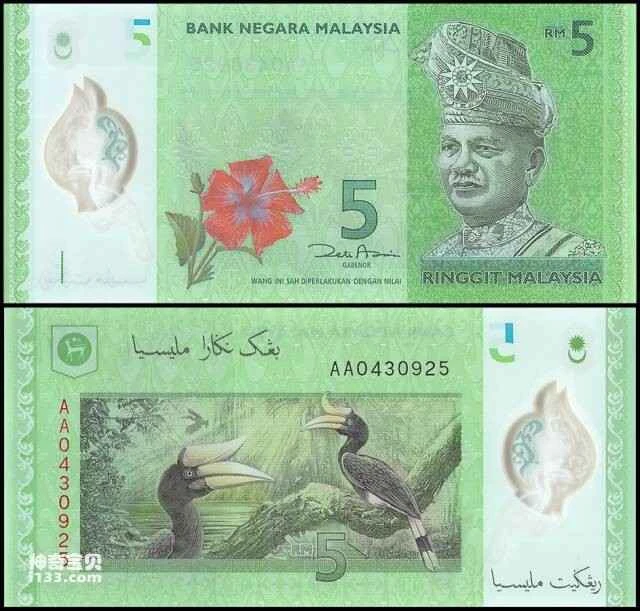
19. Malaysia
Malaysian currency features a variety of animals, the most famous being the Malayan hornbill, the national emblem. Known as "Badak Sumatera" in Malaysia, the Malayan hornbill is endemic to the region. In addition, the RM1 coin features a soaring eagle, symbolizing freedom and strength; the RM50 coin depicts an orca. Furthermore, Malaysian banknotes also feature many other animals such as elephants, monkeys, crocodiles, and birds.
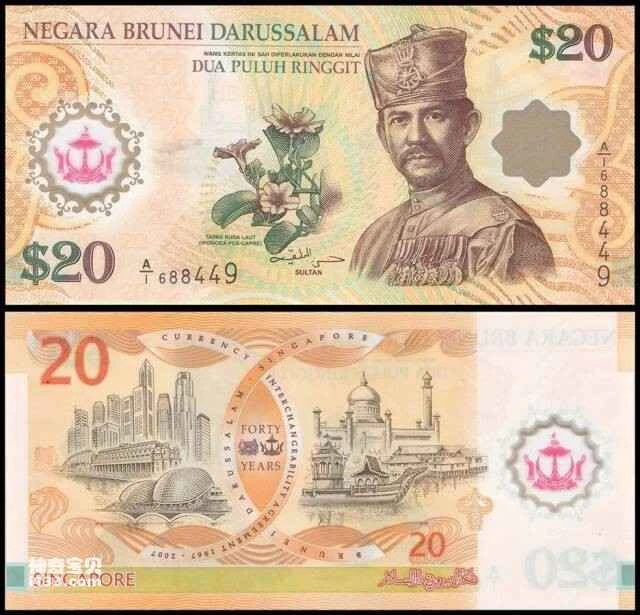
20. Brunei
Brunei's currency is the Brunei dollar, which features images of some of the country's endemic animals. The most famous is the bald eagle on the national emblem; this bird is very rare in Southeast Asia and considered a precious species. Additionally, the Brunei one-dollar coin features a monkey, and the 50-cent coin features a carp. Brunei's banknotes also feature many different kinds of animals, such as elephants, royal sharks, and killer whales, all representing Brunei's natural resources and cultural heritage.
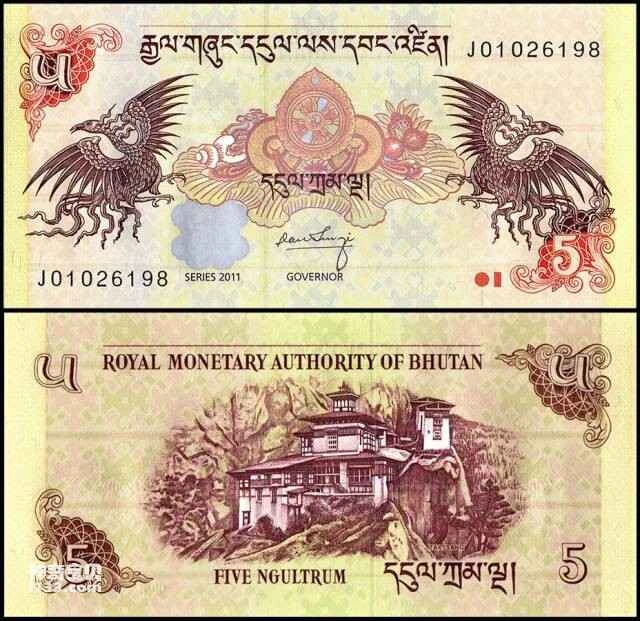
21. Bhutan
Bhutan's currency is the Ngultrum, which features images of some of the country's endemic animals. The most famous is the black-necked crane, depicted on the national emblem; this bird is considered sacred in Bhutan and even revered as the "bird of angels." Additionally, the 1 Ngultrum coin features a leopard, and the 5 Ngultrum coin features a tiger. Bhutanese banknotes also feature many other animals, such as the white-crested gibbon, goat, and wild elephant, all representing Bhutan's natural resources and cultural heritage.
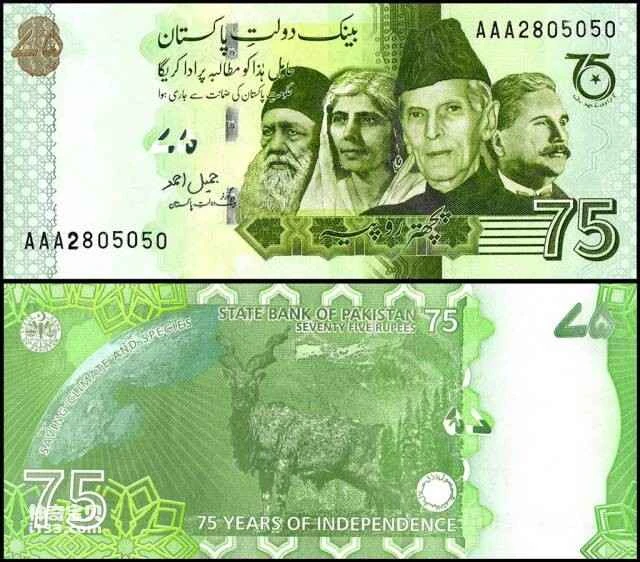
22. Pakistan
Pakistan's currency is the Pakistani rupee, which features various local animals. The most famous is the peacock on the national emblem, a bird considered a symbol of beauty and nobility in Pakistan. Additionally, the 1-rupee coin depicts a leopard, and the 2-rupee coin a deer. Pakistani banknotes also feature many different kinds of animals, such as zebras, goats, buffalo, and ostriches, representing Pakistan's natural resources and cultural heritage.
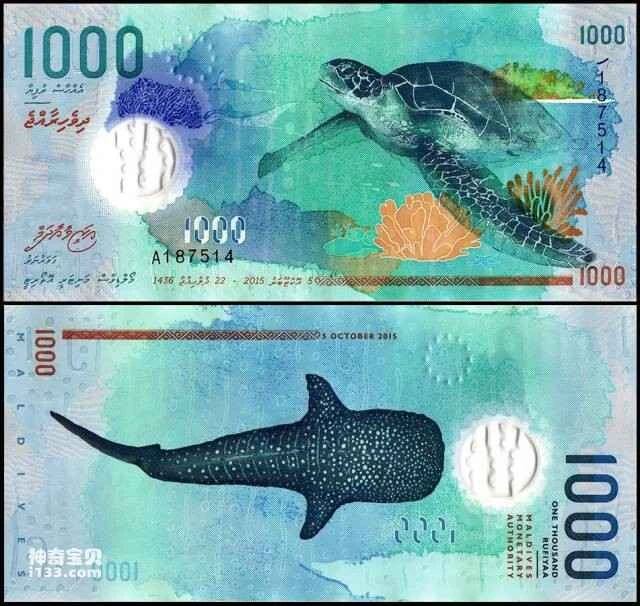
23. Maldives
The currency of the Maldives is the Rufiyaa, which features images of some of the country's endemic animals. The most famous is the dolphin on the national emblem; these mammals are very common in the waters surrounding the Maldives. Additionally, the 1 Rufiyaa coin features a red panda, while the 2 Rufiyaa coin features a palm bird. Maldivian banknotes also feature many different kinds of animals, such as sharks, turtles, buffalo, and bats, all representing the Maldives' natural resources and cultural heritage.
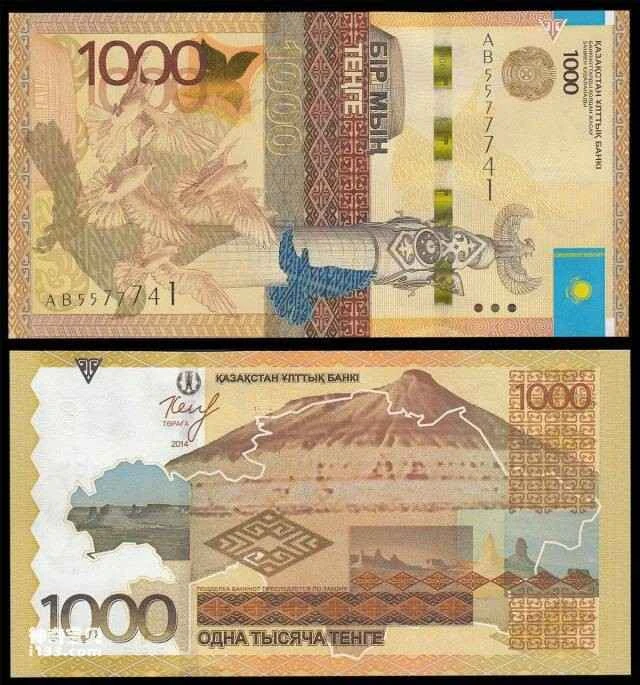
24. Kazakhstan
Kazakhstan's currency is the tenge, which features various local animals. The most famous is the swan on the national emblem, a waterbird considered a symbol of purity and elegance in Kazakhstan. Additionally, the 1, 2, 5, 10, 20, and 50 tenge coins feature the morin khuur (horsehead fiddle), while the 100 tenge coin depicts an antelope. Kazakhstan's banknotes also feature many different kinds of animals, such as cheetahs, wild horses, and tigers, representing Kazakhstan's natural resources and cultural heritage.
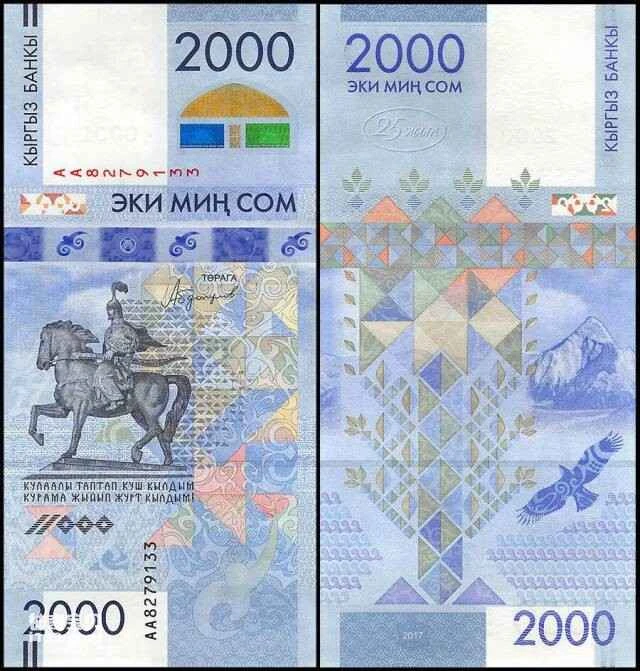
25. Kyrgyzstan
Kyrgyzstan's currency is the Som, which features various local animals. The most famous is the snow leopard on the national coat of arms; this feline is very rare in Central Asia and considered a precious species. Additionally, the 1-Som coin features a goat, and the 5-Som coin features a camel. Kyrgyz banknotes also feature many different kinds of animals, such as tigers, wild horses, and eagles, representing Kyrgyzstan's natural resources and cultural heritage.
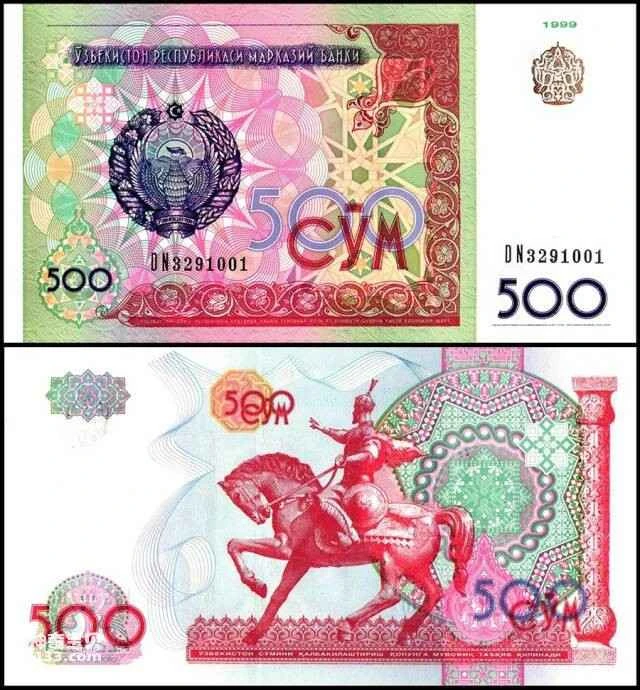
26. Uzbekistan
The currency of Uzbekistan is the som, which features various local animals. The most famous is the gray wolf on the national emblem; this ferocious beast is very common in Central Asia and is considered a symbol of wildness and power. Additionally, grouse are depicted on Uzbek coins of 1, 5, 10, 25, and 50 soms, while a wild horse is featured on the 100 som coin. Uzbek banknotes also feature many different kinds of animals, such as tigers, wild goats, and swans, representing Uzbekistan's natural resources and cultural heritage.
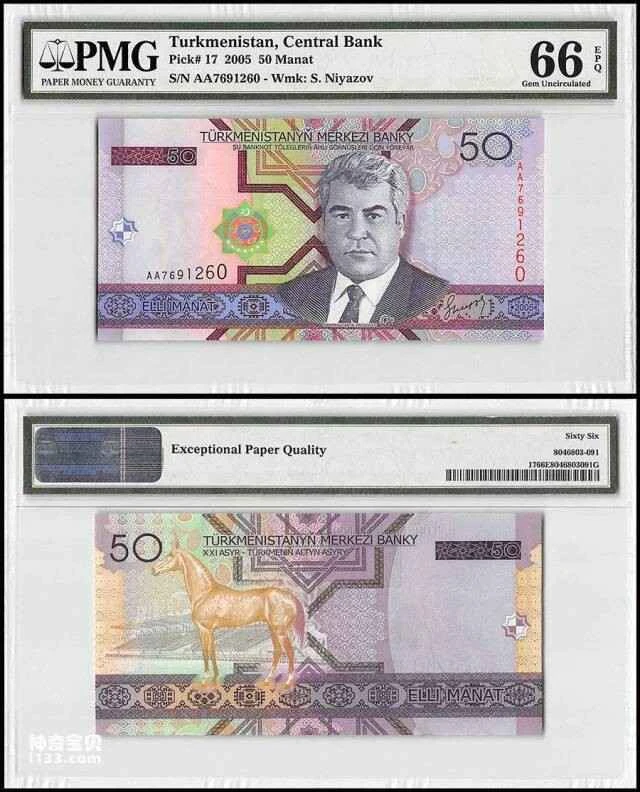
27. Turkmenistan
Turkmenistan's currency is the Manat, which features various local animals. The most famous is the Akhal-Teke horse, depicted on the national emblem. This horse is renowned in Central Asia and considered a swift, graceful, and noble animal. Additionally, 1, 2, 5, 10, 20, and 50 Manat coins feature a swan, while the 100 Manat coin depicts a lion. Turkmen banknotes also feature a variety of animals, such as tigers, wild horses, and fish, representing Turkmenistan's natural resources and cultural heritage.
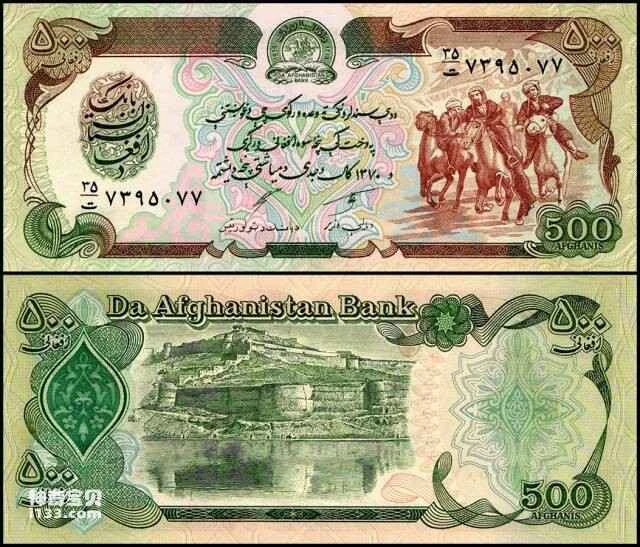
28. Afghanistan
Afghanistan's currency is the Afghani, which features images of local animals. However, due to political instability and a chaotic monetary situation, there is no standardized design. Previously, Afghan coins often featured animals related to local agriculture and animal husbandry, such as horses, sheep, and goats, while banknotes frequently depicted famous buildings and historical and cultural heritage sites.
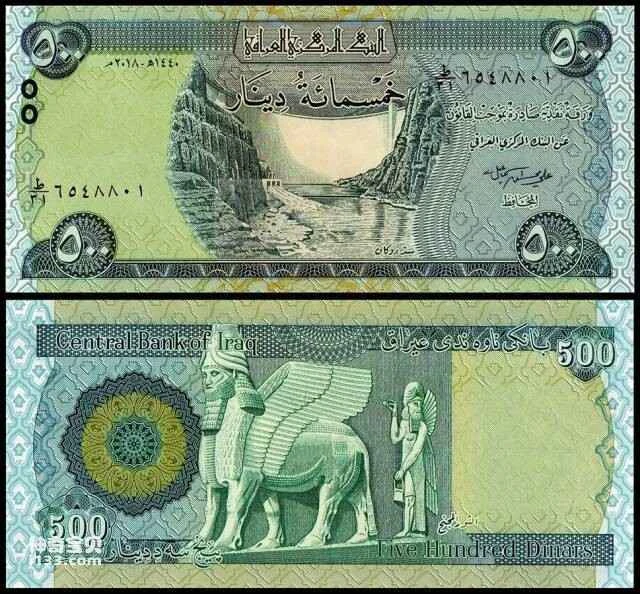
29. Iraq
Iraq's currency is the Iraqi Dinar, which features various local animals. The most famous is the eagle on the national emblem; this bird of prey is very common in the Middle East and is considered a symbol of courage, freedom, and strength. In addition, Iraqi coins and banknotes also feature many different kinds of animals, such as jackals, camels, and carp, representing Iraq's natural resources and cultural heritage. However, it's important to note that due to Iraq's relatively unstable political and security situation, the currency may undergo frequent design changes or even cease circulation at times.
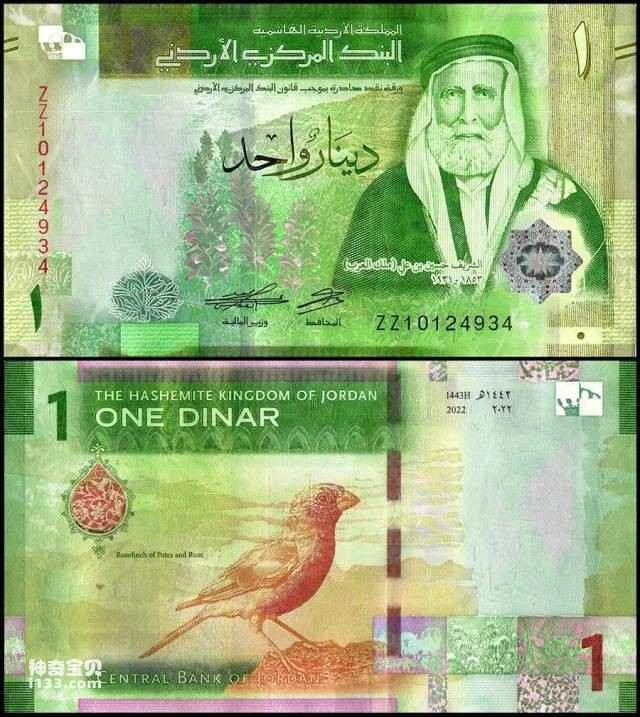
30. Jordan
Jordan's currency is the Jordanian Dinar, which features various local animals. The most famous is the eagle on the national emblem; this bird of prey is very common in the Middle East and is considered a symbol of courage, freedom, and strength. In addition, Jordanian coins and banknotes feature many different kinds of animals, such as lions, scorpions, and squirrels, representing Jordan's natural resources and cultural heritage. Furthermore, Jordan issues commemorative coins to mark historical or important events, and these coins often feature animals; for example, the coin commemorating the 25th anniversary of Jordan's opposition to the Washington Naval Treaty in 1995 features a golden pheasant.
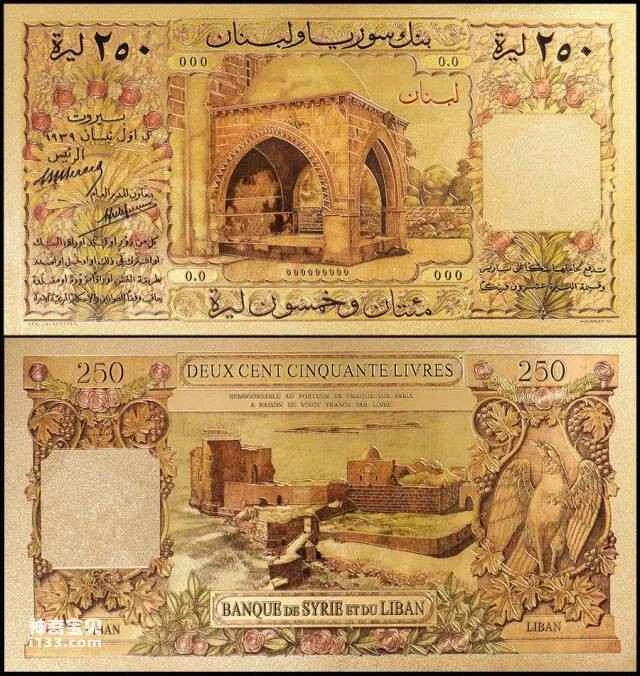
31. Lebanon
Lebanon's currency is the Lebanese Pound, which features various local animals. The most famous is the Phoenix, the mythical creature on the national emblem, which held significant importance in ancient Lebanese civilization and was considered a symbol of immortality and rebirth. In addition, Lebanese coins and banknotes feature many different kinds of animals, such as parrots, fish, and goats, representing Lebanon's natural resources and cultural heritage. Furthermore, Lebanon also issues commemorative coins to mark historical or significant events, often featuring animal designs; for example, the coin commemorating the 50th anniversary of the 2019 moon landing depicted the lunar module and an eagle.
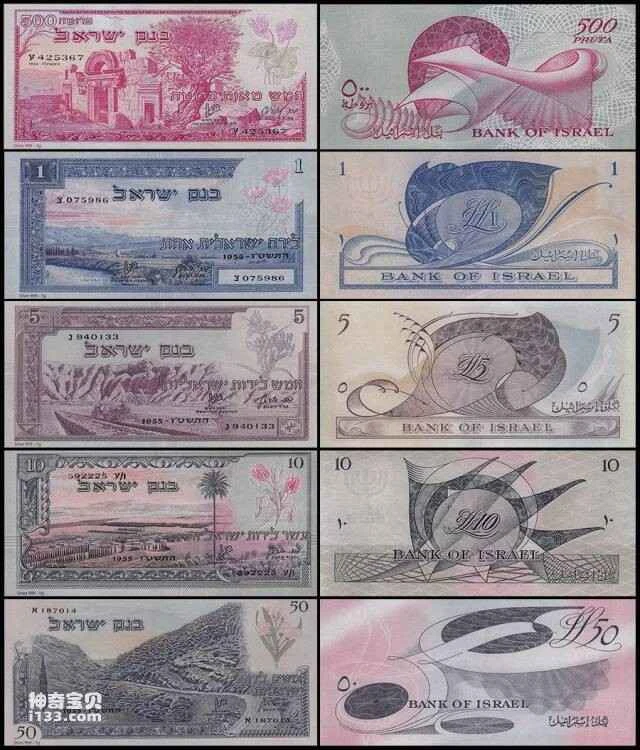
32. Israel
Israel's currency is the New Shekel, which features various local animals. The most famous is the Jewish lamp on the national emblem, a symbol of Jewish culture and spirituality. In addition, Israeli coins and banknotes feature many different kinds of animals, such as birds, fish, and turtles, representing Israel's natural resources and cultural heritage. Israel also issues commemorative coins to mark important historical events or figures, and these coins often feature animals; for example, the coin commemorating the 50th anniversary of the liberation of Jerusalem features a lion and a dove.
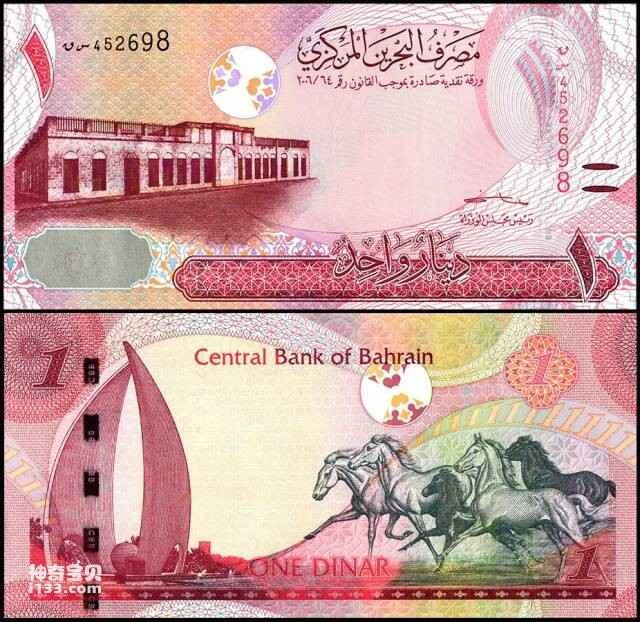
33. Bahrain
Bahrain's currency is the Bahraini Dinar, which features various local animals. The most famous are the two lions and a palm eagle on the national coat of arms, both symbolic animals of Bahrain. In addition, Bahrain's coins and banknotes also feature many different kinds of animals, such as camels, antelopes, and fish, representing Bahrain's natural resources and cultural heritage. Bahrain also issues commemorative coins to mark historical or important events, and these coins often feature animals; for example, the commemorative coin for the 2012 United Arab Emirates Summit featured a red-crowned crane and a steppe horse.
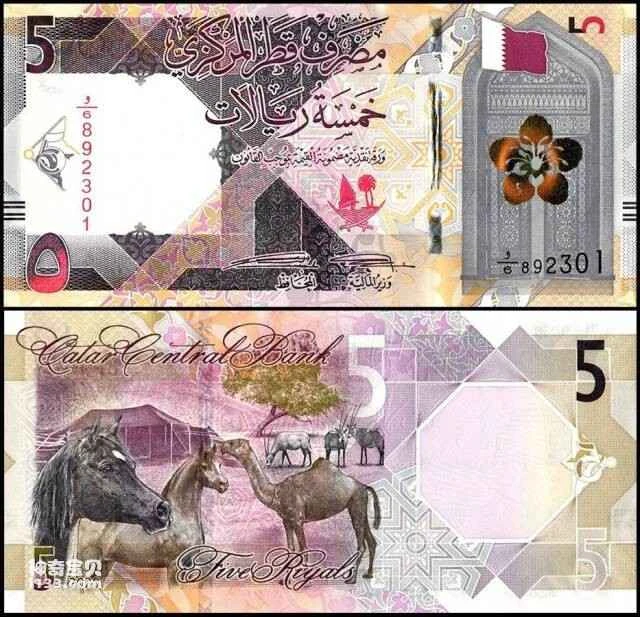
34. Qatar
The animal featured on Qatari currency is the falcon. In Qatari culture, the falcon is a revered bird, used as a symbol of hunting and sports. Therefore, the falcon is Qatar's national bird and appears on various national symbols, coats of arms, and currency. The Qatari currency is the riyal, and the falcon image is printed on some of the coins and banknotes to showcase Qatar's cultural characteristics and local traditions.
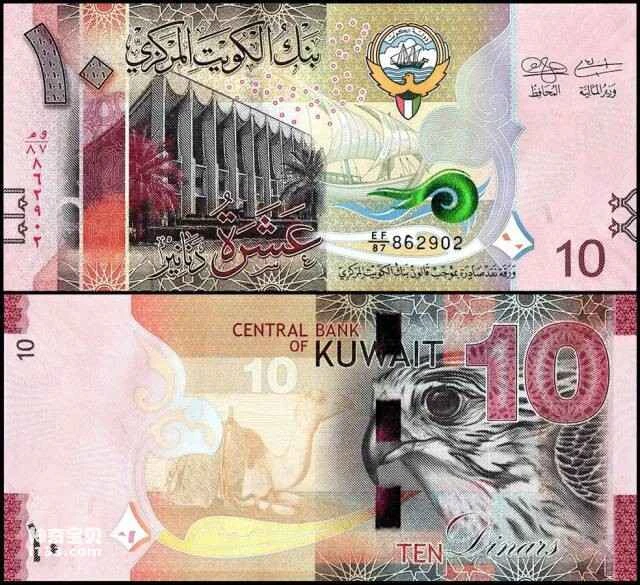
35. Kuwait
The camel is the animal featured on Kuwaiti currency. In Kuwaiti culture, the camel is an important domestic animal, adapted to the desert environment and providing meat, milk, wool, and transportation. Therefore, the camel has become one of Kuwait's symbols, appearing in various national emblems, coats of arms, and currency. The Kuwaiti currency is the dinar, and some coins and banknotes feature the image of a camel to showcase Kuwaiti culture and traditions.