For many, owning a pet is a joyful and companionable experience, but not all pets are suitable for every family. Some pets require extremely high maintenance costs and time, and even demand professional skills from their owners. Whether it's their demanding environmental requirements or complex dietary habits, these pets often deter many enthusiasts.

In this article, we will explore the world's ten most difficult pets to keep, delving into their unique needs and the challenges of caring for them. Owning these pets is not only an expression of love for animals, but also a symbol of responsibility and commitment.
1. Chameleon
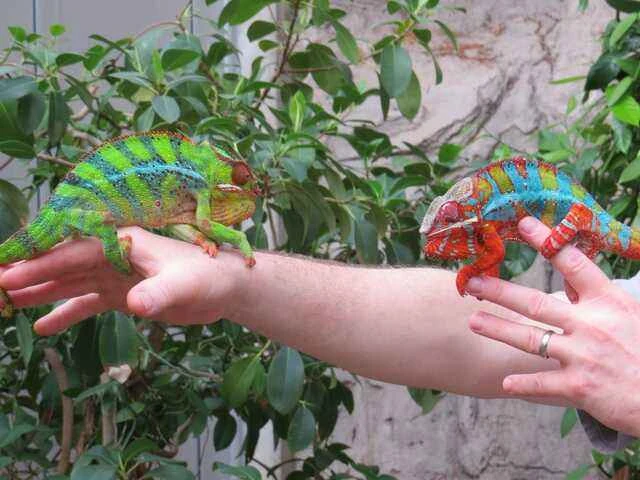
Chameleons, scientifically known as *Chameleonus chameleonus*, are reptiles belonging to the family Chameleonidae within the suborder Squamata. They primarily inhabit trees in the Eastern Hemisphere. Their most distinctive feature is their ability to change color. They have two or three toes that fuse together to form two pairs of zygodactyls, and they possess a long, slender tongue that can extend. Nowadays, more and more people are choosing to keep chameleons as pets because many people have a special fondness for this reptile.
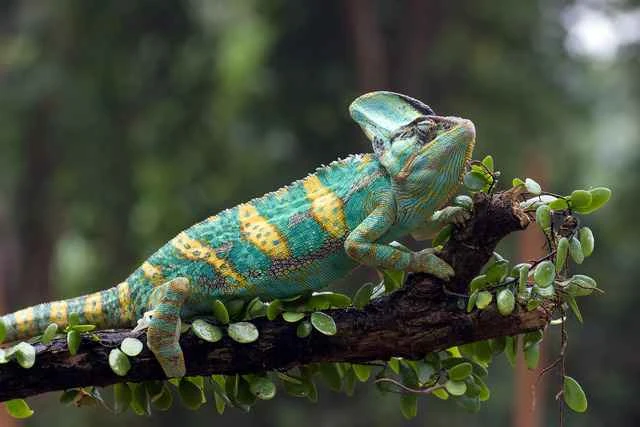
However, chameleons are relatively difficult to keep. Whether in summer or winter, they are prone to death if the temperature is not properly controlled. Generally, keeping chameleons requires a specialized enclosure with temperature regulation to provide them with the most suitable living environment.
2. Husky

The Siberian Husky, officially known as the Siberian Husky, is a popular pet worldwide. Originally, Huskies were bred by the Inut Chokchi people, nomadic tribes of Eastern Siberia, for tasks such as pulling sleds, large-scale hunting, village protection, reindeer herding, and guarding. Therefore, Huskies are among the most energetic dog breeds.

Regarding intelligence, Huskies rank around 45th, falling between 40 and 54, indicating moderate intelligence and obedience. Therefore, the intelligence of Huskies is not as worrying as some people believe.
3. Border Collie
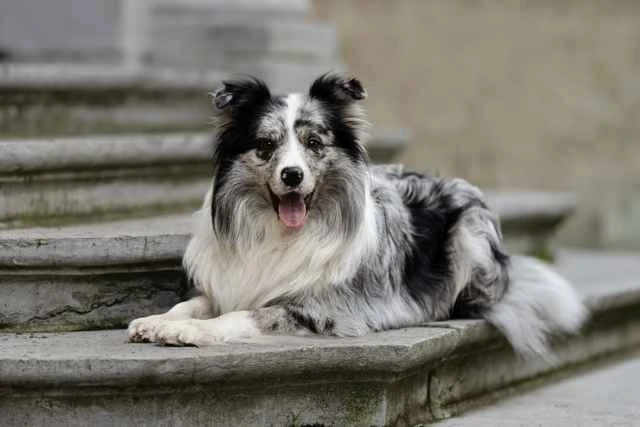
The Border Collie originated in the Scottish Borders and is a type of Collie. It possesses a strong herding instinct, is naturally intelligent and observant, and can accurately understand its owner's commands. It ranks first in the world for canine breed intelligence. Border Collies can adapt to harsh climates. Common coat colors include black and white, blue and white, and brown and white, as well as tricolor coats with black, blue, and brown as the main colors. Their characteristics include intelligence, strong learning ability, high comprehension, ease of training, gentleness, loyalty, and excellent obedience.

Border Collies are mainly found in the United Kingdom, the United States, Australia, and New Zealand.
4. Rabbit
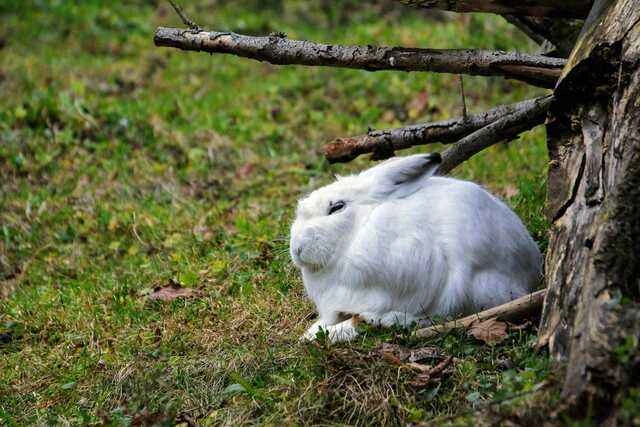
Rabbits are mammals, belonging to the order Lagomorpha, family Leporidae, and various genera. In biological classification, rabbits are members of the phylum Chordata, subphylum Vertebrata, class Mammalia, and order Lagomorpha. Rabbits are very timid creatures; sudden noises, strangers, or unfamiliar animals such as cats and dogs can easily frighten them.
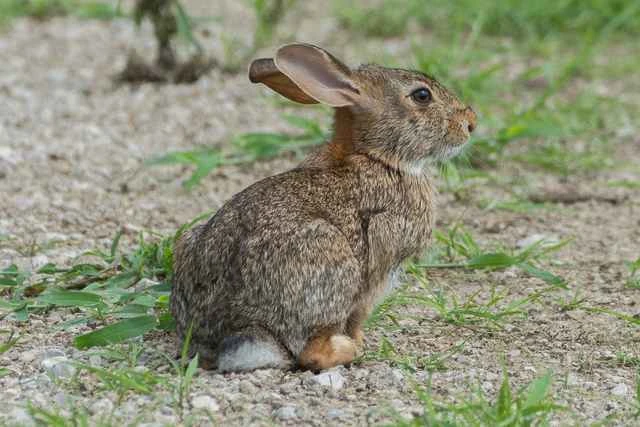
In addition, there are very few veterinary hospitals that specialize in treating rabbits, which makes many rabbit owners feel very worried and helpless when their pets get sick.
5. Seahorse
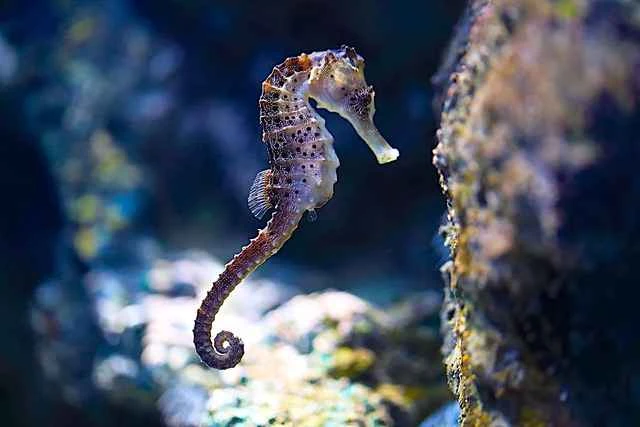
Seahorses are small marine creatures belonging to the family Syngnathidae in the order Syngnathiformes. They mainly live in warm seas and typically range in length from 5 to 30 centimeters. They are named "seahorses" because their heads are curved at nearly a right angle to their bodies, resembling a horse's head. Seahorses have long, tubular snouts, relatively small mouths, dorsal fins composed of rays, and unique, independently movable eyes.
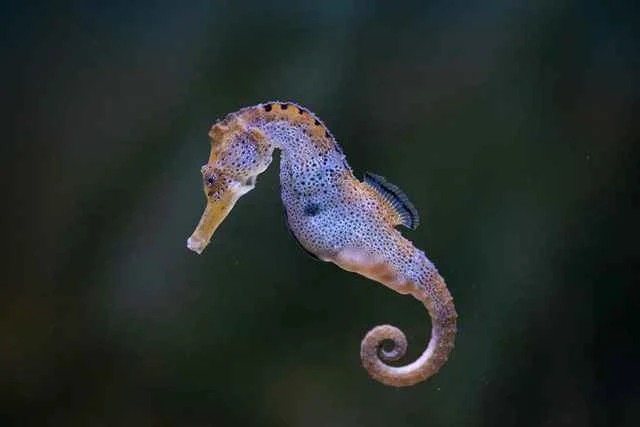
Due to seahorses' unique mouthparts and predatory habits, artificial feed cannot meet their needs; they generally require at least frozen brine shrimp or mysid shrimp for feeding. If you wish to raise seahorses long-term, you will need to hatch your own brine shrimp to ensure a sufficient supply of live food for them.
6. Black Shrimp
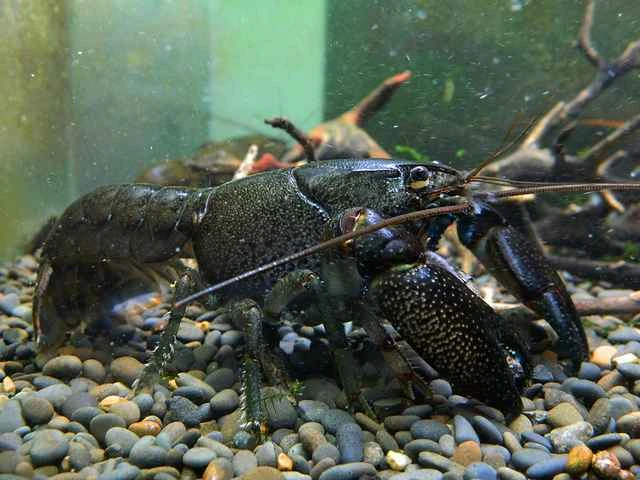
The black devil shrimp, native to southwestern Australia, has become a star in aquariums in recent years due to its black shell and bright red mandibles. Black devil shrimp dislike high temperatures, so in its native habitat, it digs burrows to avoid hot environments.
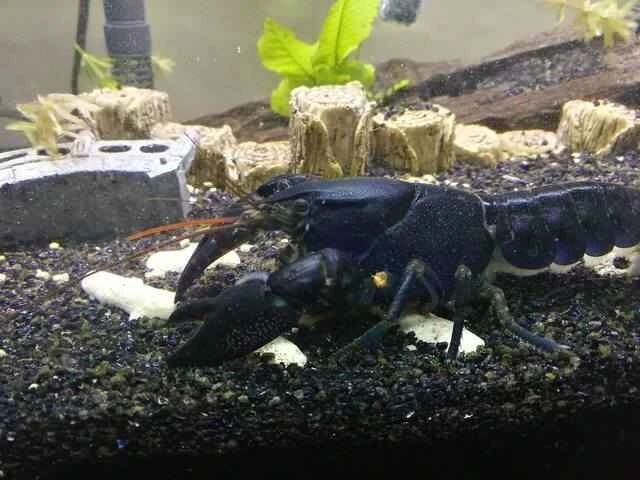
It has very strict requirements for water quality, and the most suitable water temperature for keeping it is 15 to 25 degrees Celsius. Keepers need to change the water frequently, but only two-thirds of the water should be changed each time to avoid drastic temperature changes, which the black shrimp will have difficulty adapting to and may easily lead to its death.
7. Sea anemone

Sea anemones are aquatic carnivorous animals belonging to the subclass Hexacoralca within the phylum Cnidaria. These simple creatures are not only edible but also commonly kept as pets. Although sea anemones resemble flowers in appearance, they are actually predatory. Many people enjoy keeping sea anemones in their bathtubs, but this is not easy.
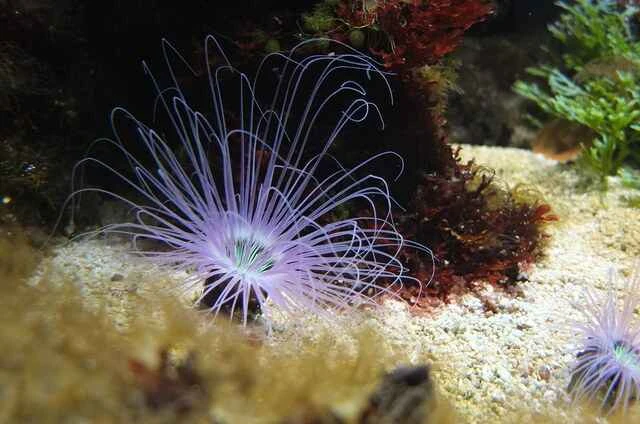
Besides maintaining stable protein levels, the intensity and wavelength of light must be precisely controlled; otherwise, sea anemones can easily die. Furthermore, before dying, sea anemones release toxins that can also kill other organisms in the aquarium.
8. Clown Frog
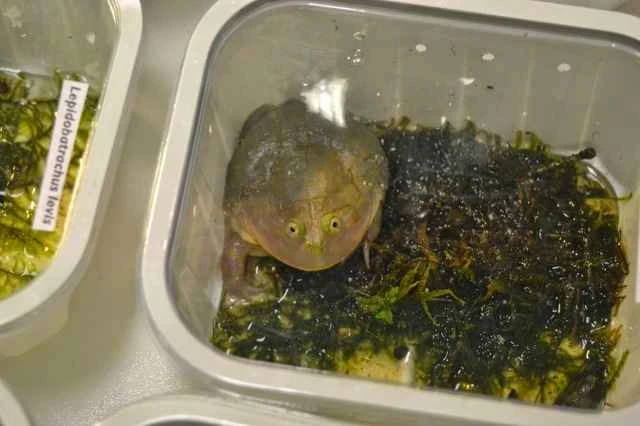
The clown frog, also known as the cat-eye pearl frog, belongs to the genus *Cat-eye* in the family Phyllostachys. It is a unique amphibian. Keeping clown frogs requires certain skills and is far more difficult than keeping cats or dogs. First, the water temperature must be maintained at around 28 degrees Celsius, and a filter and hiding places must be provided.
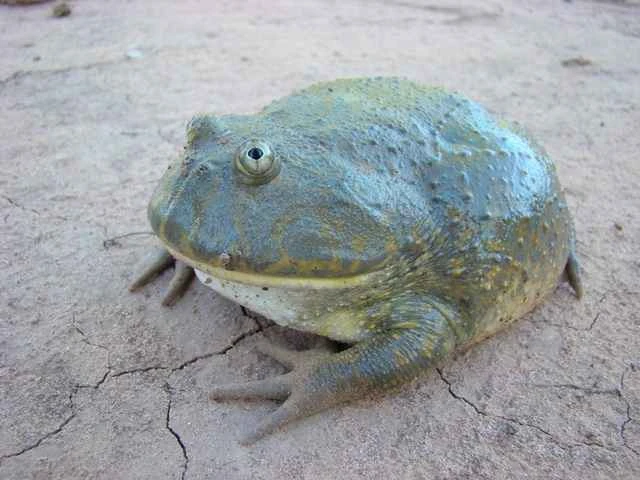
Although clown frogs have a strong digestive system, they should not be fed too much at once to avoid overeating and death. Their diet should be varied to prevent them from becoming picky eaters, so their food needs to be changed frequently. When clown frogs enter hibernation, thorough preparations should also be made.
9. Indian Star Tortoise
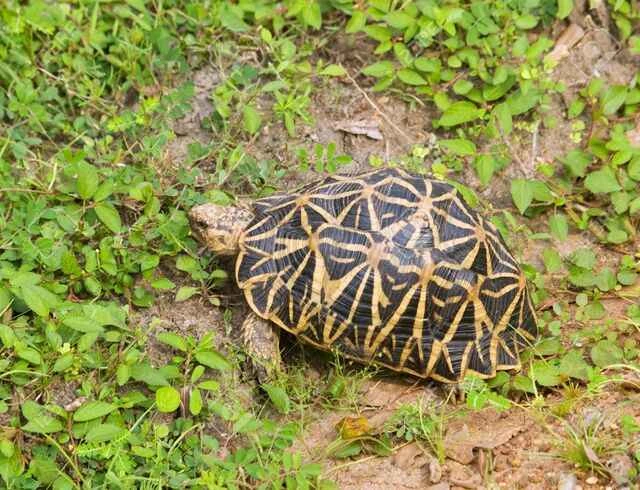
The Indian Star Tortoise, also known as the Indian Star Tortoise or Star Tortoise, is a reptile belonging to the genus *Gnaphalium* in the family Testudinidae. It is mainly distributed in India, Pakistan, Sri Lanka, Syria, and Iraq. A small number of Indian Star Tortoises were introduced to China in 1997. The Indian Star Tortoise has a deep black carapace with pale yellow radiating stripes on each scute, resembling stars in the night sky, making it very beautiful and beloved by tortoise enthusiasts.
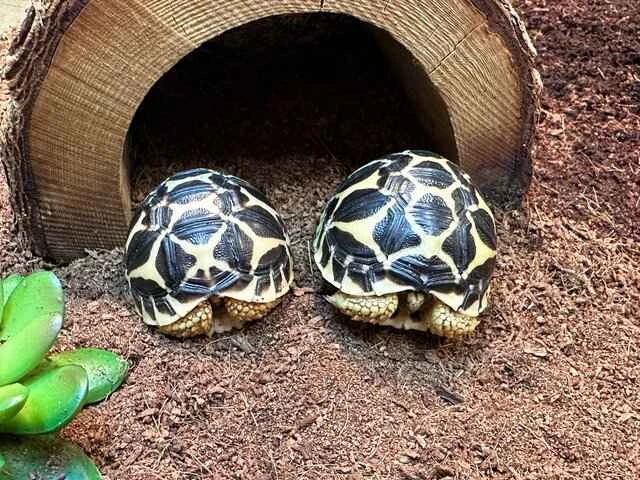
They prefer to inhabit flat grasslands and their diet includes fruits, prickly cacti, succulent plants, and thistles. In captivity, Indian star tortoises can live 30 to 50 years.
10. Desert Horned Toad Lizard
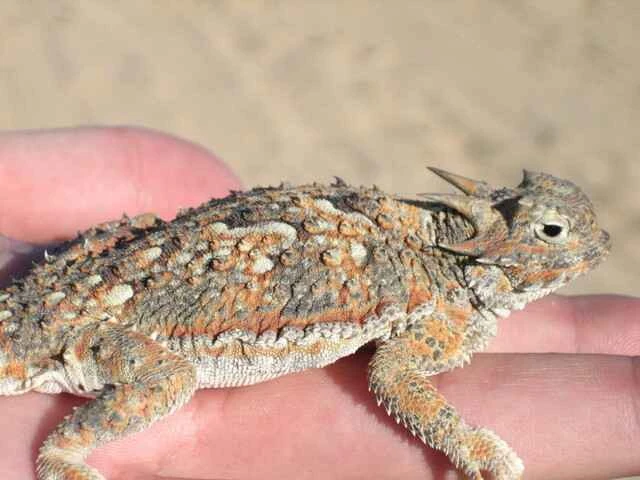
The horned lizard, also known as the coastal horned lizard, crowned horned lizard, or short-horned lizard, is widely distributed in the United States, Canada, and Mexico. Within these regions, there are six subspecies of horned lizards. As terrestrial lizards, they primarily inhabit rocky deserts. Adult horned lizards are about 7 to 13 centimeters long; although their appearance may seem rough, it is actually quite smooth. They have sharp spines on their head, back, and sides. When threatened, they can spray blood from their eyes for self-defense.
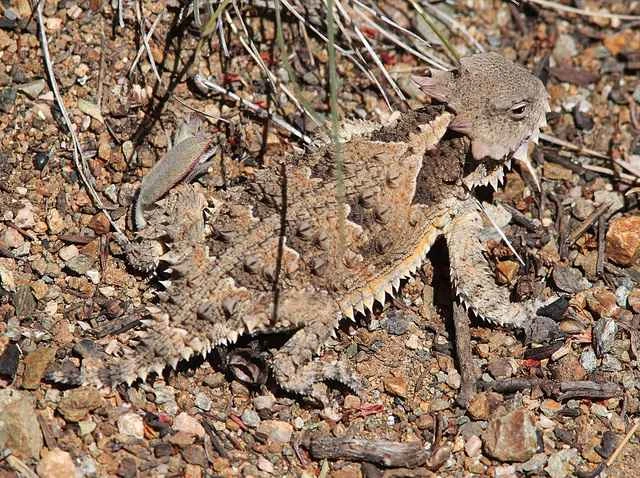
This lizard is easy to keep as a pet, but you can't give it water directly. You have to spray its mouth with water to entice it to drink. In addition, they need to eat a special kind of ant to regulate their body's pH level.
This ranking of the top ten most difficult pets to raise is primarily based on information such as the pet's living environment, care requirements, and difficulty of care, while also referencing relevant online rankings/lists. This list is for reference only and aims to help you understand the top ten most difficult pets to raise. If you have any questions, please feel free to comment/criticize at the end.