In the animal kingdom, mollusks are a unique group, second only to insects, and are one of the largest animal groups on Earth, comprising approximately 75,000 species. This large group possesses many unique abilities and characteristics. To showcase this colorful group, we will list the world's top ten most remarkable mollusks. These include the world's longest-living mollusk (the clam), the world's oldest mollusk (the nautilus), the world's most beautiful mollusk (the naked sea butterfly), the world's largest aquatic mollusk (the giant squid), and the world's ugliest mollusk (the shipworm). We hope that through this article, you will gain a deeper understanding of mollusks, especially the most famous ones, and be awestruck by their unique biological characteristics. Let's explore this wondrous biological world together.
1. The world's longest-living mollusk (Clam)
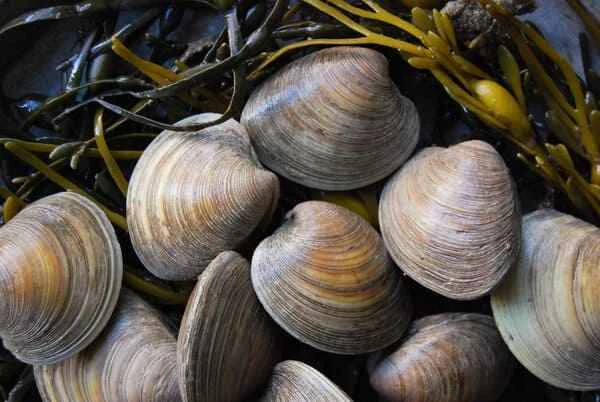
The Ming clam, a type of mollusk belonging to the cycloid family, enjoys the reputation of being the world's oldest living mollusk. It is named "Ming" because its existence spans the Ming Dynasty in Chinese history. This creature lives on the seabed off Iceland, and the lines on its shell reveal it to be over 507 years old, equivalent to more than half a millennium.
It is worth noting that the shells of the clam only grow in the summer, requiring warm, food-rich seawater. Each year, under these conditions, a new ridge forms on the clam's shell, approximately 0.1 millimeters thick. The thickness of each ridge depends on the environmental conditions at that time, thus revealing the marine ecological environment and climate changes of that year. This makes the clam an important reference for understanding past marine environmental and climate changes.
2. The world's oldest mollusk (nautilus)
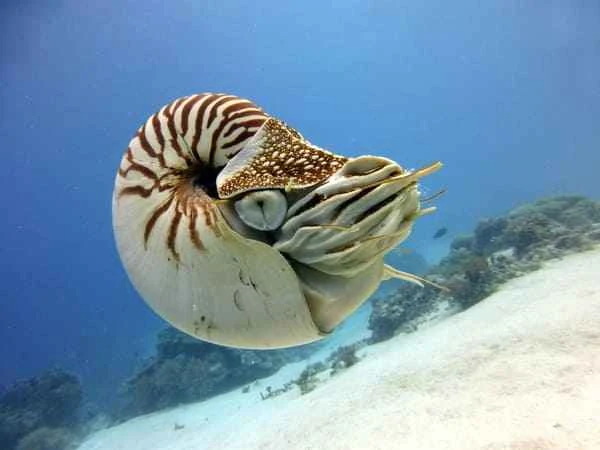
Nautiluses, ancient marine inhabitants, are among the oldest mollusks in the world. They have evolved on Earth for hundreds of millions of years with little change in morphology and habits, leading them to be often referred to as "living fossils" of the ocean. Due to their unique historical position and biological characteristics, nautiluses occupy an important place in biological evolution and paleontological research.
Nautiluses possess a smooth, curly, pearl-like shell, which can reach 26.8 centimeters in size in larger individuals; however, the shell length of a typical adult nautilus does not exceed 20 centimeters. In the distant Ordovician oceans, nautiluses were apex predators, reaching an astonishing length of 11 meters. They primarily preyed on trilobites and sea scorpions to sustain themselves.
3. The most beautiful mollusk in the world (naked sea butterfly)
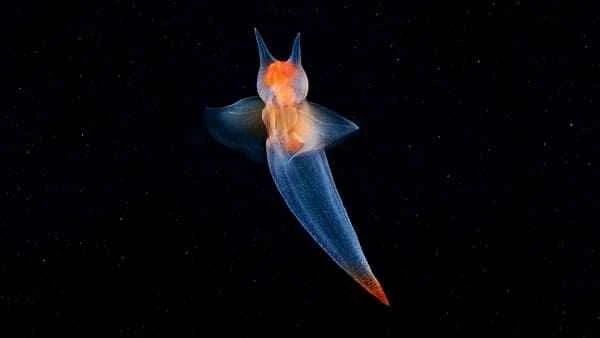
Naked sea butterflies, belonging to the family Gynostemidae, are creatures of the cold, deep sea, living at depths of 350 meters in the Arctic and Southern Oceans. They are hailed as some of the most beautiful mollusks in the world. These tiny creatures are approximately two to three centimeters long and belong to the planktonic mollusc type. Uniquely, they are hermaphroditic and primarily inhabit the ice layers beneath the surface of cold seas such as the Arctic and Antarctic.
The naked sea butterfly has a completely transparent body and is praised as a "sea angel" or "ice sprite." The reason it is called a "sea angel" is likely related to a pair of wing-like organs on its body. When it spreads these wings and swims in the seawater, the wings resemble the feathers of an angel, dancing gracefully in the water and creating a magnificent picture of an underwater angel.
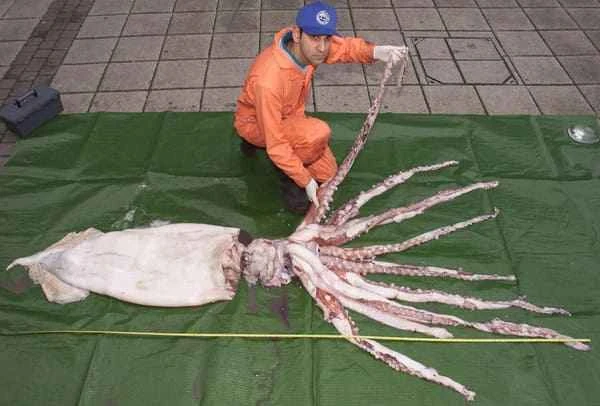
4. The world's largest aquatic mollusk (giant squid)
The giant squid is a creature that typically inhabits deep-sea areas and is considered the largest aquatic mollusc on Earth. Juvenile giant squid are typically 8 to 10 meters long, but adults can reach an astonishing 20 meters. Notably, the giant squid possesses remarkably large eyes, approximately 35 centimeters in diameter; furthermore, its suckers are over 8 centimeters in diameter.
Giant squid choose to live in the deep sea and generally rest during the day. However, at night, they swim to shallower waters to find food, mainly fish. In the dark waters, they use their superb hunting skills to catch their prey.
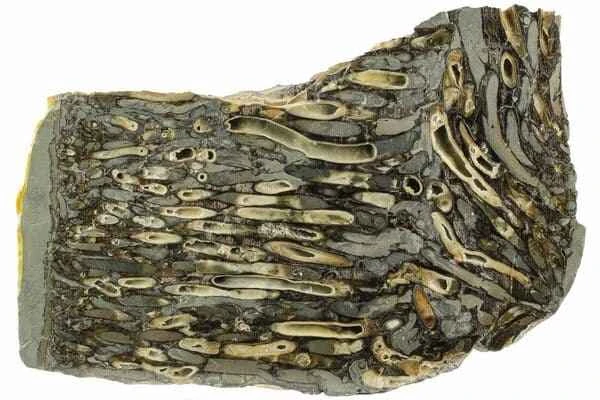
5. The ugliest mollusk in the world (ship borer)
Shipworms are considered among the ugliest mollusks in the world. In the marine environment, besides being susceptible to erosion by marine life and microorganisms, the greatest threat to wooden ships comes from shipworms. Shipworms are marine creatures adept at burrowing into wood. Once attached to wood, they can excavate cone-shaped tunnels inside, thus penetrating the interior. These tunnels have only a small opening connecting to the outside. If the external environment becomes unfavorable or the shipworm is attacked by other marine life, it quickly burrows into the internal tunnels and secretes calcareous material to seal the opening, thus resisting the invasion of other organisms.
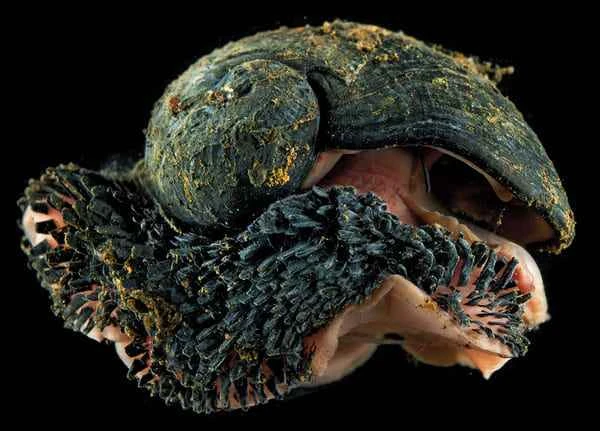
6. The world's hardest mollusk (scaly-footed snail)
The scaly-foot snail, known as the hardest-bodied mollusc in the world, lives near hydrothermal vents in the deep Indian Ocean. Its shell is covered with large amounts of iron disulfide and magnetic pyrite, these metallic elements primarily originating from the mineral-rich vents. This hard shell provides the scaly-foot snail with armor-like protection, effectively defending against predators while also inflicting damage on any creature that attacks it. The scaly-foot snail has two smooth, tapering tentacles on its head; it lacks eyes and a specific copulatory organ.
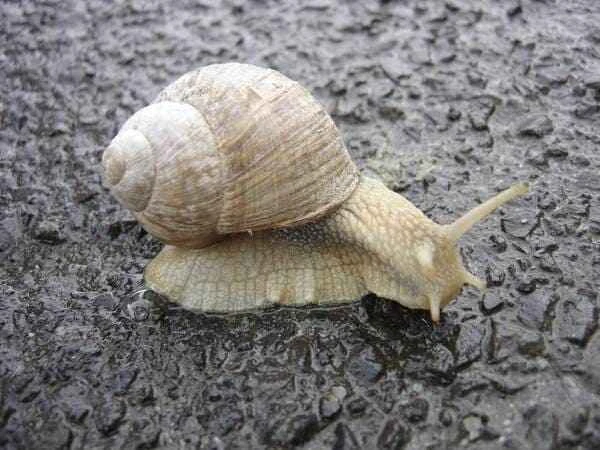
7. The mollusc with the most teeth in the world (snail)
As an invertebrate, snails attract our attention with their unique characteristics. They are known as the molluscs with the most teeth in the world, with a single snail possessing up to 25,600 teeth. The snail's body includes various parts such as eyes, mouth, foot, shell, and tentacles. The spiral shell on their backs is unique and varied, differing in shape, color, and size, including pagoda-shaped, top-shaped, cone-shaped, spherical, and pipe-shaped shells, among others.
As terrestrial shelled mollusks, snails have lived on Earth for hundreds of millions of years. There is a remarkable diversity of snail species, with approximately 25,000 species found worldwide, including thousands in China alone, demonstrating their abundance and wide distribution.
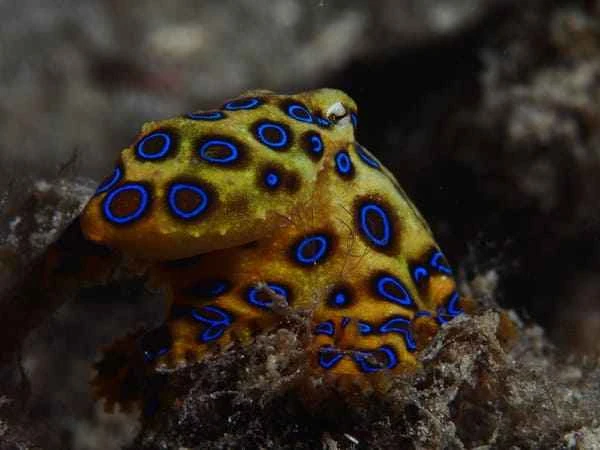
8. The world's most venomous mollusk (blue-ringed octopus)
The blue-ringed octopus, known as the world's most venomous mollusc, harbors a potent toxin capable of killing 26 adults within half an hour. This tiny creature is only about the size of a tennis ball, and even with its tentacles fully extended, it only reaches a length of 200 millimeters. Like most octopuses, the blue-ringed octopus primarily preys on small shrimp, crabs, and small fish.
They have a unique hunting method, waiting for the right moment to attack their prey. They paralyze their prey by biting and injecting venom, then tear it into small pieces with their beaks to eat, or bite through the exoskeleton of shellfish and suck out the juices directly. Blue-ringed octopuses are mainly distributed in the waters of Australia, New Guinea, Indonesia, and the Philippines.
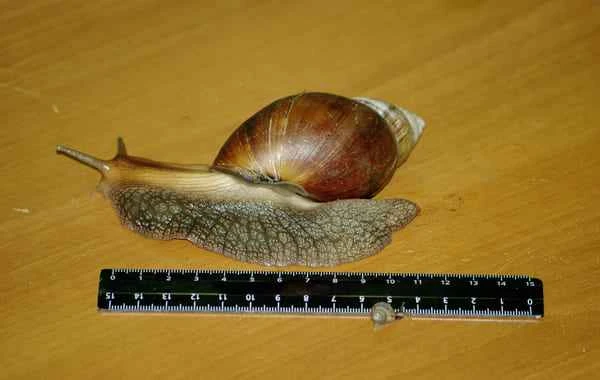
9. The world's largest land mollusk (Giant African snail)
The giant African snail is a medium to large-sized terrestrial snail and the largest terrestrial mollusc in the world. This snail has a very large shell, typically 7-8 cm in length, but can reach up to 20 cm, and weigh up to 32 grams. Their shell is a narrow, elongated cone shape, with a length-to-width ratio of approximately 2:1. The giant African snail's shell is slightly thick, smooth, and elongated oval in shape.
With a wide range of food sources, they consume various plants including crops, trees, fruit trees, vegetables, and flowers. In situations of food scarcity, they may even eat paper or the carcasses of their own kind. Surprisingly, the giant African snail can even gnaw on and digest cement. Due to their diverse diet, they pose a potential destructive risk to over 500 types of crops.
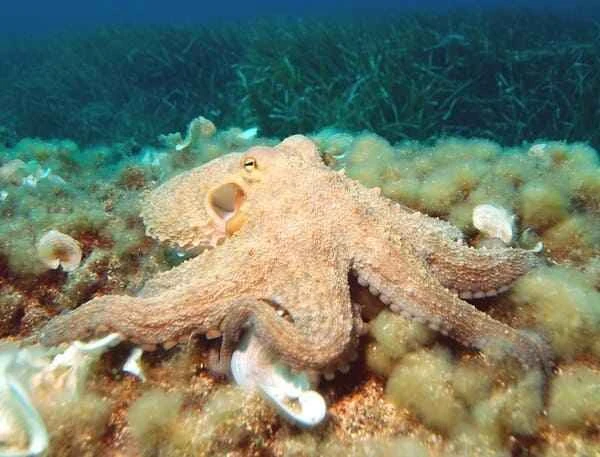
10. The world's most intelligent mollusk (octopus)
Octopuses are hailed as the world's most intelligent mollusks. Their bodies are shaped like short, oval pouches, lacking fins, and the boundary between their head and trunk is not clearly defined. The head and trunk of an octopus typically range from 7 to 9.5 centimeters in length, and the head is equipped with large compound eyes and eight retractable tentacles.
Octopuses are believed to possess "conceptual thinking," enabling them to solve complex problems independently, and it is precisely this ability that allows them to walk on two legs. Their large eyes are the only similarity between octopuses and humans. However, they differ significantly from humans in other ways: octopuses have three hearts, two memory systems, a brain containing 500 million neurons, and highly sensitive chemical and tactile receptors. This unique neural structure endows them with cognitive abilities surpassing those of most animals.
The list of the world's top ten mollusks is primarily based on their size, appearance, abilities, and other relevant information, while also referencing other online rankings. This list is for reference only and aims to help you understand which mollusks hold the world's most remarkable achievements. If you have any questions, please feel free to comment or offer corrections at the end.