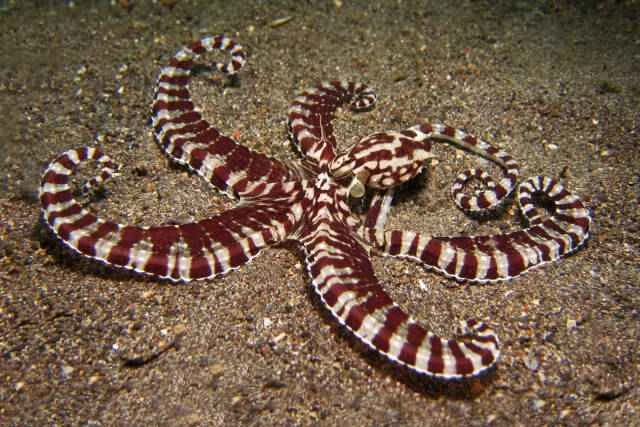
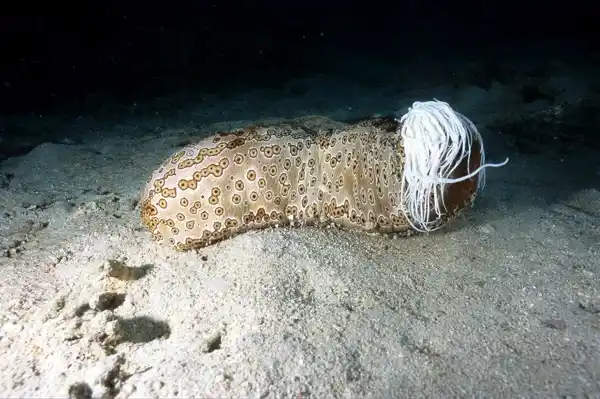
Borneo, the world's third-largest island, is renowned for its rich biodiversity, boasting unique wildlife and vast rainforests. Borneo's diverse ecosystems and endemic species offer a fascinating glimpse into the natural world. This article will delve into some of the most notable characteristics of Borneo's wildlife.
Rich biodiversity
The rainforests of Borneo are among the oldest on Earth, estimated to be over 140 million years old. This ancient ecosystem is home to an amazing array of species, including:
15,000 plant species: Many of these plants are endemic to Borneo, providing important habitats and resources for a wide range of organisms.
420 bird species: Notable species include the Borneo brushhead bird and the hornbill, which together make up the island’s rich bird diversity.
220 mammal species: This island is home to some of the world’s most extraordinary mammals, from magnificent Bornean orangutans to mysterious clouded leopards.
Borneo orangutans

Bornean orangutans are among the island's most iconic inhabitants. These endangered apes are known for their reddish-brown fur and remarkable intelligence. They spend most of their time in the trees, swinging from branch to branch using their long arms. Conservation efforts are crucial for their survival, as their habitat has been severely damaged by logging and agricultural expansion.
Proboscis monkey
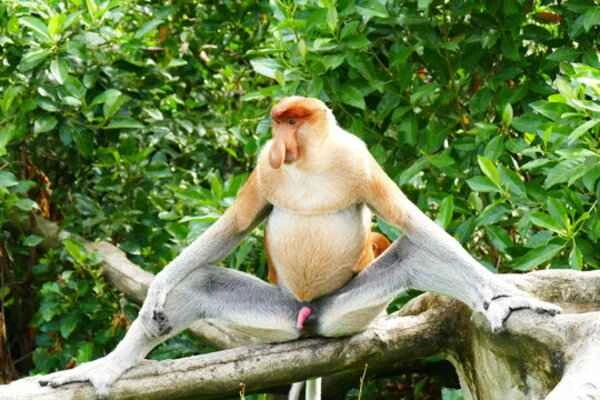
Proboscis monkeys, known for their distinctive large noses, are native to Borneo and are typically found near rivers and mangroves. They are social animals, living in groups led by a dominant male and communicating through a variety of vocalizations. Their diet consists primarily of leaves and fruits, and they play an important role as seed dispersers in their habitat.
Diverse marine life
Borneo's coastal waters teem with marine life. The coral reefs surrounding the islands are home to a variety of fish, turtles, and even rare dugongs. Sipadan Island, in particular, is renowned for its exceptional dive sites and rich biodiversity, attracting diving enthusiasts from around the world.
Borneo pygmy elephant
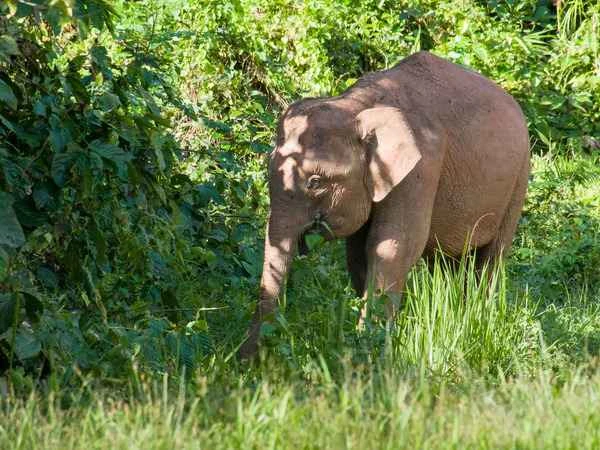
The Bornean pygmy elephant is the smallest subspecies of Asian elephant, unique to this island. These docile giants are known for their small size and round ears. Conservation efforts are crucial for their survival, as habitat loss and fragmentation severely threaten their populations.
Unique flora
The rainforests of Borneo are home to some extraordinary plant species, including:
Ficus macrocarpa: This parasitic plant produces the world's largest single flower, which can reach three feet in diameter. It attracts pollinators, such as carrion flies, with its foul odor.
Winged Trees: These tall trees dominate Borneo's forests and are vital to maintaining the ecosystem, providing habitat for countless species.
endangered species
Borneo is a haven for some endangered species, including:
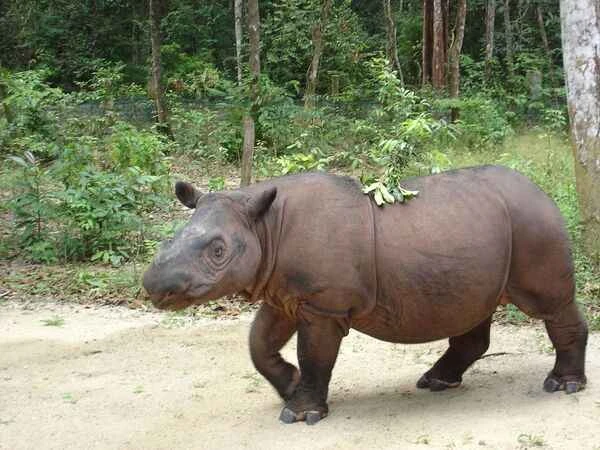
Sumatran rhinoceros: This small rhinoceros faces serious threats from poaching and habitat loss.
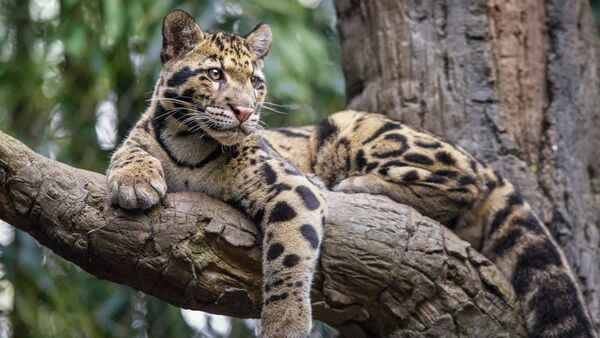
Bornean clouded leopard: Known for its beautiful fur and mysterious nature, this large cat is a top predator in the ecosystem and plays an important role in maintaining ecological balance.
Nocturnal wildlife
Borneo's nights reveal a hidden world of life. Many species, such as the slow loris, various bats, and the Malayan civet, are nocturnal. Guided night tours offer the opportunity to observe these elusive animals in their natural habitats, highlighting the importance of nocturnal ecosystems.
Conservation work
Many organizations are dedicated to protecting Borneo's wildlife and ecosystems. Conservation efforts include:
Reserves: Establish national parks and wildlife reserves to protect critical habitats.
Reforestation projects: Efforts to restore degraded areas help increase biodiversity and support local wildlife.
Community involvement: Engaging local communities in conservation efforts and promoting sustainable practices can help mitigate human-wildlife conflict.
Indigenous culture and wildlife
Borneo is home to several indigenous groups, including the Iban, Dayak, and Kadazan-Dusun. These communities have deep ties to the land and its wildlife, and often employ traditional ecological knowledge to promote sustainable living. Their cultural practices and beliefs frequently emphasize the importance of environmental protection for future generations.
Borneo's wildlife is a testament to the planet's rich biodiversity and a stark reminder of the urgent need for conservation. With its unique species, stunning landscapes, and vibrant culture, Borneo is not only a vital region for wildlife conservation but also a source of inspiration for global conservation initiatives. Protecting Borneo is not just about saving individual species; it's about protecting an entire ecosystem that is crucial to the health of our planet.