In the insect world, some species have developed unique and often unsettling reproductive strategies, including laying eggs under human skin. While this might sound like something out of a horror movie, it's a reality for some insects. Let's explore this phenomenon, focusing on the types of insects involved, their life cycles, and their potential impact on humans.
Insect types
Wormflies : Perhaps the most notorious of skin parasites, wormflies lay their eggs on the skin of mammals, including humans. The larvae burrow into the skin, potentially causing painful wounds.
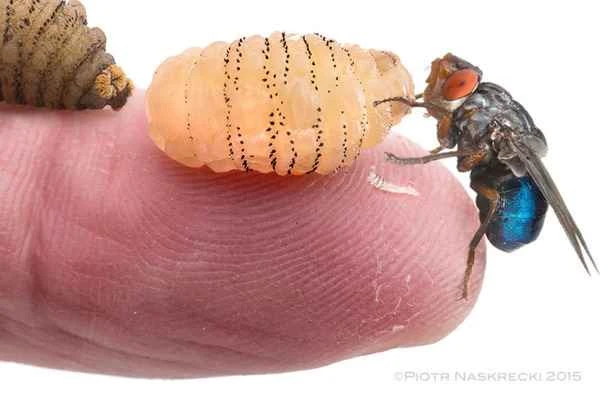
Fleas : Although fleas do not lay their eggs directly under the skin, their larvae sometimes burrow into the skin, causing irritation and potentially leading to secondary infections.

Lice : While head lice are primarily known for laying eggs (eggs) in the hair, they can cause intense itching and discomfort, mimicking the feeling of insects under the skin.

Snail worms : These larvae can invade open wounds and lay eggs nearby. As they grow, they can cause serious tissue damage if not treated promptly.
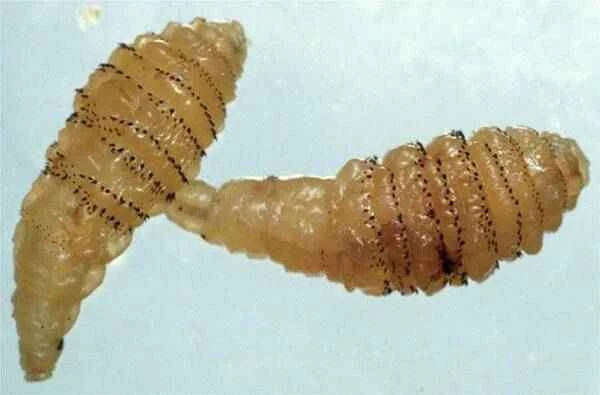
life cycle
The life cycle of these insects typically involves laying eggs on or near a host. Once the eggs hatch, the larvae penetrate the skin to feed and grow. The duration of this process can vary, but many larvae eventually leave the host to pupate and continue their life cycle.
Impact on humanity
The effects on human health range from mild irritation to serious infection. Common symptoms include:
Itching and inflammation : The body reacts to the presence of larvae, causing redness and swelling.
Pain and discomfort : As the larvae penetrate deeper, it may cause significant pain.
Infection : Open wounds caused by larvae may become infected if not treated properly.
Prevention and treatment
Preventive measures include avoiding contact with infected animals and maintaining good hygiene. If infection is suspected, seek medical help immediately. Treatment typically involves removing the larvae, cleaning the affected area, and, if necessary, using antibiotics to prevent infection.
While insects burrowing under the skin may seem like a nightmare, understanding these insects can help demystify the problem. Raising awareness, taking preventative measures, and seeking timely treatment are key to mitigating their impact on human health. Always consult a healthcare professional for proper diagnosis and care.