Tayassu peccary, commonly known as wild boar, is a unique animal primarily found in the Americas. These fascinating creatures demonstrate remarkable adaptability, enabling them to survive in a wide variety of habitats, from forests to deserts.
Wild boar classification
The Suidae family of wild boars includes several genera and species. The main classifications are as follows:
Sus: This genus includes the common domestic pig (Sus scrofa) and its wild relatives, such as the wild boar (Sus scrofa).
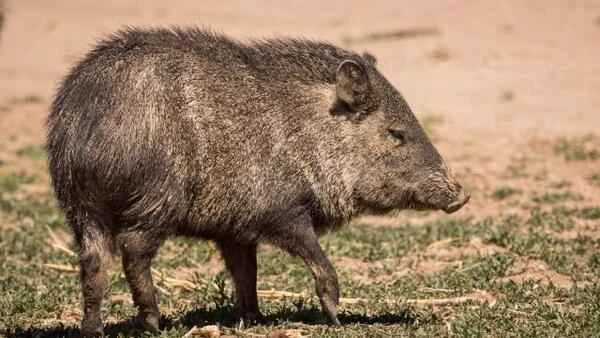
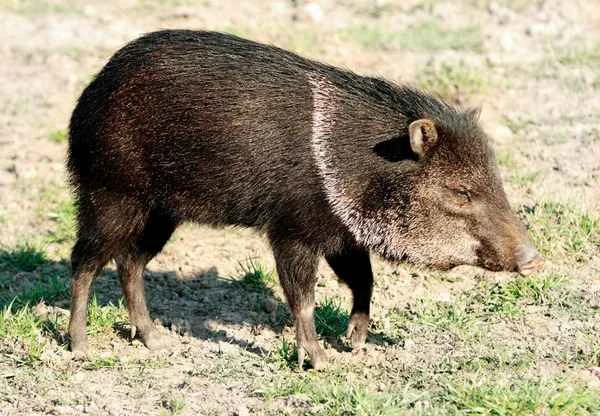
Tayassu: This genus includes hog badgers, including Tayassu peccary (wild boar), Tayassu tajacu (neck-banded hog), and Pecari angulatus (white-lipped hog).
Detailed description of the hog badger
Tayassu peccary (wild boar)
Appearance: Medium-sized, with coarse fur and a short snout.
Habitat: Primarily distributed in shrublands and forests in the southwestern United States, Mexico, and Central America.
Behavior: Highly social, usually living in small groups, searching for fruits and roots.
Tayassu tajacu (Neck-banded Pig)
Appearance: Similar to a wild boar, but slightly larger in size, with a distinct white collar.
Habitat: Adapted to a variety of habitats, including tropical rainforests and semi-arid regions.
Behavior: As social animals, they usually form large groups to forage.
Pecari angulatus (White-lipped Pig)
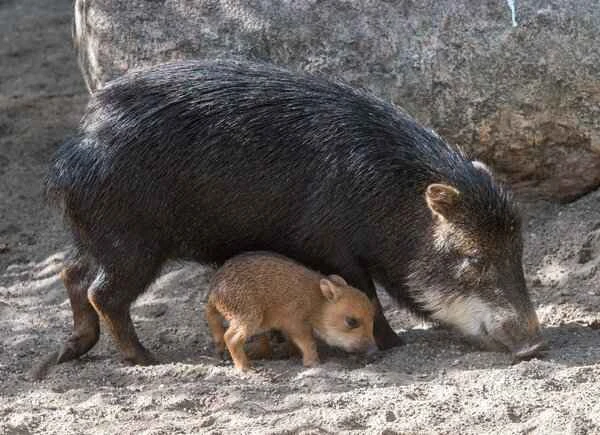
Appearance: Larger than the other two, with obvious white stripes on the lips.
Habitat: Commonly found in the dense forests and grasslands of Central and South America.
Behavior: Highly social, usually appearing in groups of up to 100 individuals.
Wild Boar and its Role
Sus scrofa (wild boar)
Appearance: Robust build, long snout, prominent fangs, and varied colors.
Habitat: Adapted to a variety of environments, from forests to grasslands.
Behavior: Omnivorous, usually foraging alone or in small groups.
The current state of wild boar conservation
Although Tayassu peccary and other wild boars are not currently considered endangered species, they face threats from habitat loss and hunting. Conservation efforts are crucial to maintaining their populations and supporting the ecosystems they depend on.
Wild boar families, including Tayassu peccary and its relatives, play a vital role in ecosystems. Understanding their classification and behavior enhances our awareness of biodiversity and underscores the importance of protecting these outstanding animals.
Will wild boars attack humans? Understand the risks.
General Behavior <br/>Wild boars (Sus scrofa) are generally shy and tend to avoid humans. However, they can become aggressive if they feel threatened or approached, especially sows with piglets.
Attacks typically occur under the following circumstances:
Startled: Getting too close might frighten them.
Protecting piglets: Sows provide special protection for their piglets.
Enraged: Any attempt to chase or provoke them may result in an attack.
Risk factors
Feeding: People feeding wild boars or leaving food may attract them, increasing opportunities for contact.
Habitat encroachment: As urbanization expands into wild boar habitats, contact becomes more frequent.
Preventive measures
To reduce risk, it is important to:
Maintain a safe distance from wild boars.
Avoid feeding them or leaving food scraps in their habitat.
Be vigilant in rural or forested areas and respect their space.
While wild boars can be dangerous in certain situations, they generally prefer to avoid humans. Understanding their behavior and taking preventative measures can help ensure the safety of both humans and wildlife.
Crisis facing wild boars
Habitat loss <br />One of the biggest threats to wild boars (Sus scrofa) is habitat destruction caused by urban development, agriculture, and deforestation. This loss reduces their natural habitat and food sources.
Hunting pressure <br />Wild boars are frequently hunted for exercise and meat. Overhunting can lead to population decline, especially in areas where hunting regulations are weak or not enforced.
Human-wildlife conflict <br />Conflicts are increasing as humans expand into wild boar habitats. Wild boars can damage crops and property, leading to retaliatory killings or culling, further threatening their numbers.
Disease <br />Wild boars can be carriers of diseases that affect both wildlife and livestock. Outbreaks of diseases such as African swine fever have raised concerns about their impact on agriculture and ecosystems.
Invasive Species <br />In some areas, wild boars have become an invasive species, disrupting local ecosystems and competing for resources with native species. This can lead to ecological imbalance.
The combination of habitat loss, hunting, human conflict, disease, and invasive species poses a multifaceted crisis for wild boars. Conservation efforts are crucial to ensuring their survival and maintaining ecological balance.