Horse riding is an exciting and fun activity, but it also presents some unique challenges. For beginners, understanding how to approach the sport safely is key to ensuring a positive experience. Whether you're a beginner or have some experience, mastering the basics—such as how to approach a horse, choosing the right equipment, and understanding basic riding techniques—will help you fully enjoy riding. This article provides a comprehensive guide to equestrian sports, covering the history of equestrian culture, introductory lessons for beginners, essential equipment, how to choose the right horse, and the physical effects of equestrianism.
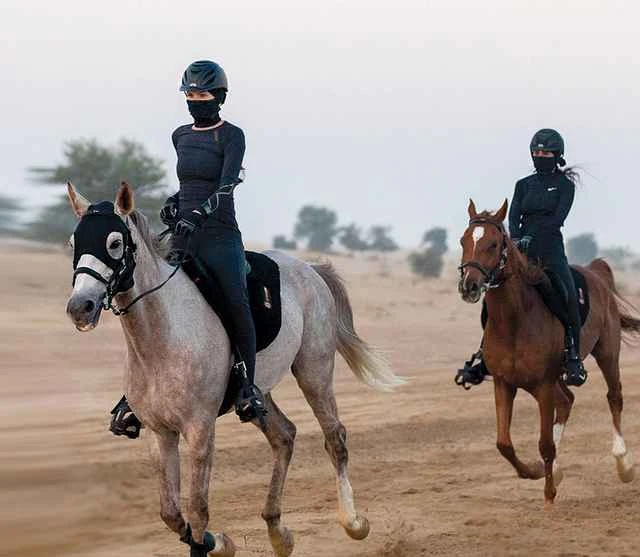
equestrian sports
The History and Development of Equestrian Culture
Ancient origins of equestrian sports
Equestrian sports can be traced back thousands of years. Early human societies used horses for hunting, transportation, and warfare, uses that eventually evolved into organized competitive activities. Ancient civilizations like ancient Greece and Rome were among the first to formalize equestrian activities, holding events such as chariot races and horse competitions.
In ancient Egypt, horses were seen as symbols of nobility and power, and were frequently depicted in works of art. These civilizations laid the foundation for the equestrian sport we know today.
Equestrianism in the Middle Ages and Renaissance
During the Middle Ages, horses became increasingly important in the lives of knights, who frequently participated in equestrian competitions. These competitions not only tested the knights' riding and combat skills but also served as public performances for the nobility. With the advent of the Renaissance, equestrianism gradually came to be regarded as an art form, and **equestrian dressage** began to gain popularity as a leisure activity.
In the 19th and 20th centuries, modern equestrian sports such as show jumping, eventing, and polo gradually emerged. Today, the International Equestrian Federation (FEI) is the global governing body for these sports, responsible for setting competition rules and ensuring the welfare of athletes and horses.
Horse riding guide for beginners
1. How to safely approach horses
For beginners, properly approaching a horse is the first step in learning to ride. Horses are natural predators and are easily frightened by sudden movements, resulting in unstable reactions. Here is the correct way to approach a horse:
Approach horses from the front or side: Horses have a wide field of vision, but it's best to approach from the front or side so they can see you. Avoid sneaking up behind them, as this can easily frighten them.
Let the horse know you are approaching: When approaching a horse, you can talk to it softly or say its name to let it know you are getting close.
Stay calm: Horses are very sensitive to emotions, so it is very important to keep them calm and relaxed. Any sudden movement can make a horse nervous.
Extend your hand for the horse to sniff: When approaching a horse, gently extend your hand and let it sniff the back of your hand. This is one way for horses to interact with humans.
Do not approach horses that are emotionally unstable: If a horse seems agitated or nervous, it is best to wait until it calms down before approaching it.
2. A beginner's guide to horseback riding
For complete beginners, the best way is to enroll in a horseback riding lesson. Instruction from a professional instructor will help you properly master the basic skills of riding. You will learn the following:
How to mount a horse: Proper mounting is the foundation of horseback riding. It not only ensures your safety but also reduces discomfort for the horse.
Basic riding posture: Maintaining the correct riding posture is crucial for control and comfort. Keeping your back straight, heels down, and legs naturally close to the horse will enhance the riding experience.
How to communicate with horses: Through the coordination of reins, legs, and body, you will learn how to make horses walk, run, stop, and perform other basic movements.
Essential Equestrian Gear Checklist: Safety Equipment You Need
Beginners need to prepare appropriate equipment, not only for comfort but also for safety. Here is a list of essential equipment for horseback riding:
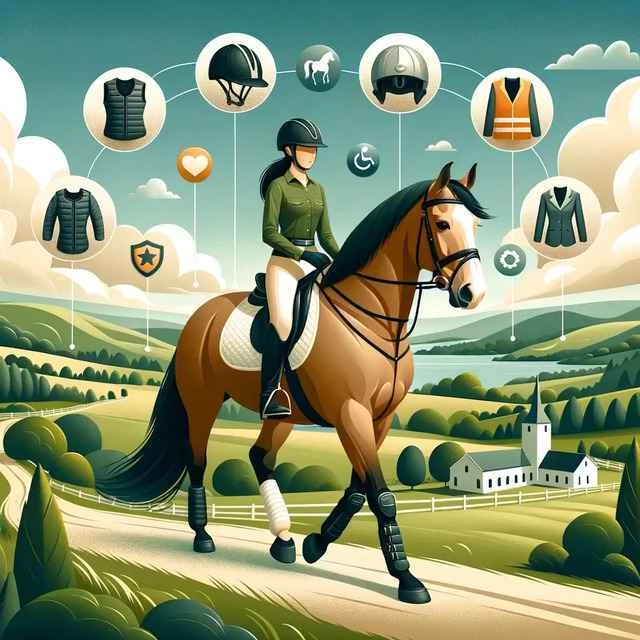
Equestrian Equipment List
1. Riding helmet
The most important piece of safety equipment when riding a horse is a riding helmet. Whether you are a beginner or an experienced rider, always wearing a proper helmet can protect you and reduce the risk of head injury in the event of a fall. The helmet should fit well, be comfortable, and meet international safety standards.
2. Riding boots
A pair of sturdy riding boots with an appropriate heel height will protect your feet and ankles and ensure your feet don't slip out of the stirrups. Riding boots also provide extra support to prevent discomfort from long rides.
3. Cycling gloves
Cycling gloves help you better control the reins and prevent calluses on your hands. They also provide comfort, especially during long rides or in bad weather.
4. Riding breeches
For comfort and ease of use, wear riding breeches or riding tights. These close-fitting breeches reduce friction and help you maintain a good grip on the saddle. They are typically made of elastic fabric for flexibility.
5. Protective vest
If you plan to participate in high-risk activities such as jumping or triathlon, it is recommended to wear a protective vest. It can protect your torso in the event of a fall, especially during cross-country riding or jumping, where the risk of injury is higher.
How to choose the right horse
Choosing the right horse is crucial for beginners. The horse you choose should match your skill level, size, and riding needs. Here are some tips for selecting the right horse:
1. Consider your skill level
For beginners, choosing a calm, well-trained, and easy-to-control horse is crucial. An overly active or experienced horse can overwhelm a beginner. A steady, responsive horse can help build confidence and gradually improve skills.
2. The age and temperament of the horses
Young horses (4-6 years old): These horses are usually more active and require experienced riders to manage their energy.
Older horses (7 years and older): Older horses are usually more experienced and have a more stable temperament, making them very suitable for beginners.
3. Size and breed of horses
When choosing a horse, you should also consider its size and breed. Your size should match the horse's size for a more comfortable ride. Some recommended horse breeds for beginners include:
American quarter horse: They are gentle and adaptable, making them ideal for beginners.
Irish horse: This gentle and friendly horse is perfect for beginners.
Arabian horses: Arabian horses are intelligent and adaptable, making them suitable for both beginners and experienced riders.
Health Benefits of Equestrian Sports
Horse riding is not only a fun activity, but it also offers numerous physical and mental health benefits. Here are some of the main health benefits of equestrian sports:
1. Physical training
Horse riding is a full-body workout that strengthens your core muscles, legs, and back. It also improves coordination and flexibility, especially the ability to maintain balance while riding.
2. Cardiovascular health
Horse riding can raise your heart rate, especially when running or brisk walking. It's a low-impact aerobic exercise that helps improve strength and endurance.
3. Mental health benefits
Interacting with horses can help reduce stress and anxiety. Many riders report experiencing a sense of calm when connecting with their horses. Horseback riding can also help improve focus and concentration, and many riders feel peaceful and relaxed.
The allure and skill of equestrian performances
Equestrian sports not only test the rider's skills but are also full of artistry. Whether it's equestrian dance, show jumping, or eventing, equestrian performances combine elegance, precision, and power.
1. Equestrian Dance: The Artistic Expression of Horses
Equestrian dance is a form of equestrian performance, often referred to simply as "equestrian dance." In this sport, riders and horses perform a series of complex tasks through meticulously designed movements. These movements, combined with music, require precise and harmonious coordination between the rider and the horse.
2. Obstacle Course: A Precision Challenge
In show jumping, riders and horses navigate a series of obstacles, with the goal of clearing all obstacles in the shortest possible time. Show jumping tests not only the rider's time management skills but also the horse's agility and strength.
3. Eventing: A test of multiple skills
Eventing combines equestrian dancing, cross-country racing, and show jumping, making it the most challenging equestrian sport. Riders not only need to master a variety of skills but also adapt to changing environments.
In conclusion: Enjoy the fun of equestrian sports safely.
Equestrian sports are not only an excellent form of physical training, but also a way to build a deep bond with your horse. Whether you're a beginner or an experienced rider, safety is always paramount. By following the advice in this article—such as learning how to approach a horse, investing in appropriate equipment, and taking professional lessons—you will be able to enjoy equestrian sports safely and happily.