Tunneling bees are a type of social insect, also known as leafcutter bees, and are famous for their unique habits and behaviors. Below is a detailed introduction to tunneling bees and their habits:
1. Physical characteristics:
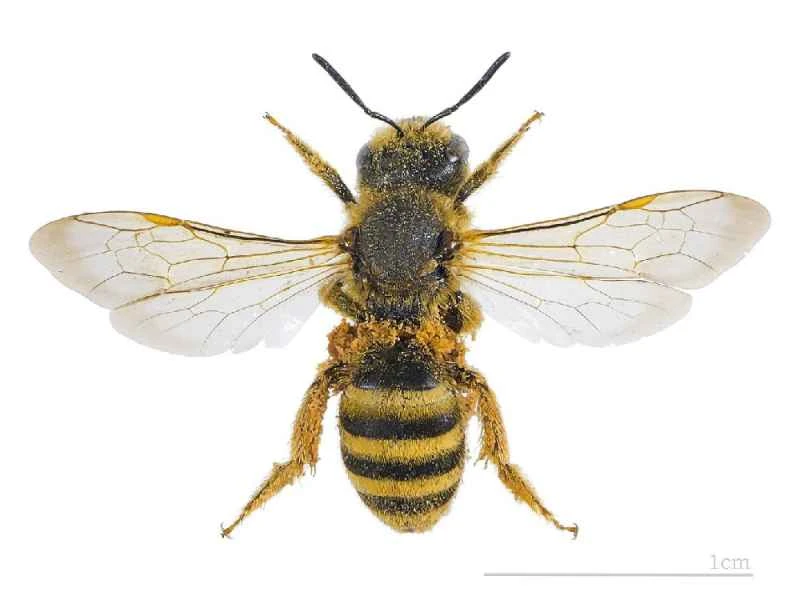
Size : Tunnel bees are usually slightly larger than honeybees, with a fuller body and a body length of about 6-15 mm.
Appearance : The body of the tunnel bee is black or metallic in appearance and covered with noticeable hairs. Their abdomen is covered with fine hairs, giving them a softer look.
2. Living habits:
Nest building : Tunneling wasps are renowned nest builders. They use plant leaves and petals, cutting them into small pieces, to construct their nests. These leaves are used to divide the nest cells, providing living space for the larvae.
Diet : Adult tunnel bees mainly feed on pollen and nectar, but not all species feed on nectar; some tunnel bee species mainly feed on pollen.
Reproduction : Tunnel bees are typically solitary bees, with each female working independently and building her own nest. The female mixes pollen and nectar to create a special food to feed the larvae, and continuously lays eggs in the nest.
Pupation into adult : The larvae of the tunnel wasp are fed with pollen and nectar in the nest, and after a period of time they pupate and eventually become adults. They then open the nest and fly out.
3. Ecological role:
Pollination : Tunneling bees play an important ecological role in the process of feeding on nectar and pollinating plants, contributing to plant reproduction and the balance of the ecosystem.
Ecological balance : Through its nest building, foraging, and reproduction behaviors, tunnel bees interact with other organisms to maintain the balance of the ecological environment.
Tunneling wasps, as important pollinators, play a vital role in plant reproduction and ecosystem balance. Their unique nest-building methods and ecological habits make them distinctive in the insect world. I hope this information is helpful. Please feel free to contact me if you have any further questions or need more information.