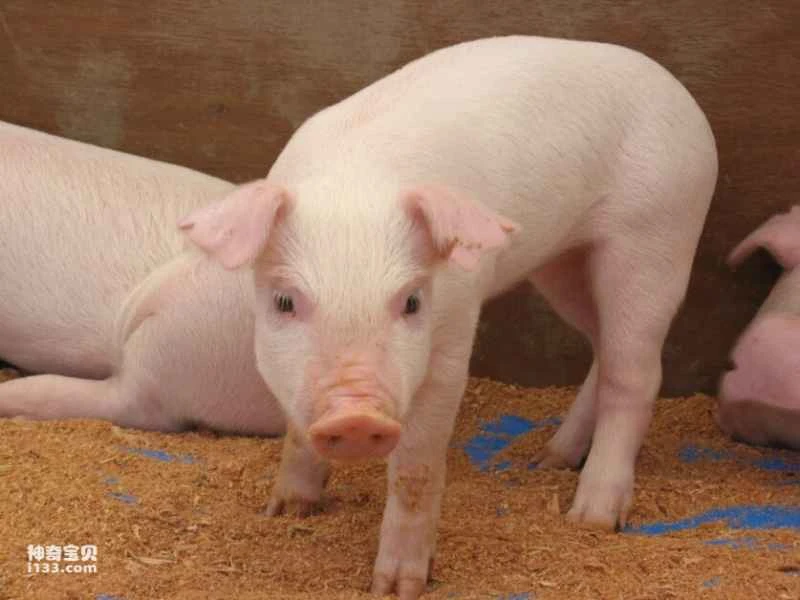
Pigs are common mammals belonging to the order Artiodactyla and the family Suidae, and are mainly distributed throughout the world. The following is a detailed introduction to pigs and their living habits:
1. Physical characteristics:
Size : Pigs vary greatly in size, ranging from small dwarf breeds to large wild boar species. They are usually 1-2 meters long and can weigh several hundred kilograms.
Skin and hair : Pigs have thick, wrinkled skin, usually covered with short, coarse hair in a variety of colors. Some breeds of pigs may also have spots or stripes.
Head : Pigs have relatively large heads, broad snouts, and strong bite force. They usually have a pair of ears on their heads.
2. Living habits:
Diet : Pigs are omnivorous animals, and their diet includes plant-based foods (such as roots, leaves, fruits, etc.) and animal-based foods (such as insects, small animals, etc.).
Social structure : In the wild, pigs often live in groups, usually consisting of sows and piglets, sometimes with a alpha male. In domestic environments, pigs can also live alone.
Habitat : Pigs have a wide range of habitats, including forests, grasslands, farmland and other environments. Pigs will smear mud on mud and water to help cool themselves and keep clean.
Reproduction : Sows usually give birth in the spring, with a large number of piglets per litter. The piglets grow up by being nursed by the sow after birth.
Intelligence : Pigs are very intelligent and curious animals that can utilize resources in their environment and exhibit learning abilities similar to those of animals such as dogs.
3. Relationship with humans:
Economic significance : Pigs are one of the most important livestock animals for humans, used for meat, leather, and medicinal products. Pig farming has significant economic importance globally.
Cultural significance : Pigs have different symbolic meanings in different cultures. In some places, pigs are regarded as a symbol of luck, prosperity or wealth.
Conservation and breeding : Due to their economic value and importance, pigs are widely raised, and many organizations are dedicated to protecting wild pig populations from overhunting and habitat destruction.
In summary, pigs, as important domestic animals, occupy a significant position in agriculture and culture due to their omnivorous diet, social structure, reproductive capacity, and relationship with humans. Hopefully, this introduction has helped you gain a deeper understanding of these interesting and versatile animals. If you have any further questions or need more information, please feel free to let me know.