In nature, many animals play dead, an effective defense strategy widely found in mammals, birds, reptiles, fish, and insects. So, do you know which animals are masters of playing dead? We've compiled a list of the 10 most adept animals at this around the world, including: opossums, hognose snakes, rabbits, ladybugs, camouflage snapper, spiders, and lynxes. Let's take a look!
1. Opossum (in a state of feigned death, secreting a putrid odor)
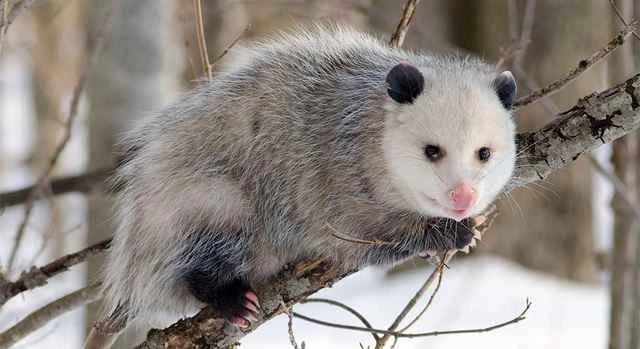
The most adept animal at playing dead is the opossum. When cornered by predators, it will suddenly collapse and enter a state of suspended animation—closing its eyes, slightly opening its mouth, sticking out its tongue, inflating its abdomen, and drooping its tail in a curl, remaining completely still. To make this scene even more realistic, North American opossums will also tremble slightly, slow their breathing and heartbeat, and lower their body temperature when they collapse.
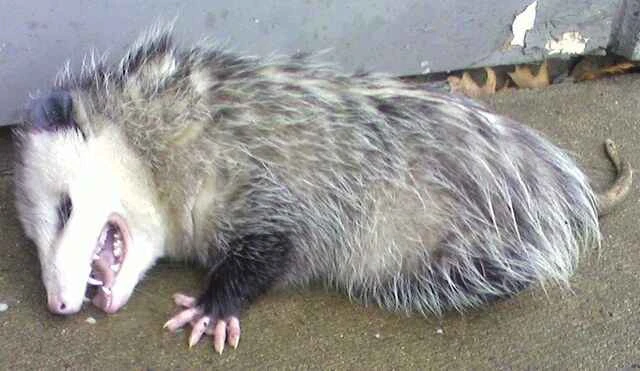
At the same time, glands near their anus secrete a strong, putrid odor and emit a yellowish-green mucus resembling that of a rotting corpse. Without close observation, one might easily mistake it for having been dead for several days, as the stench of decay permeates the air. After a few minutes to several hours, the opossum will regain consciousness and begin to move again.
2. Hognose snake (exudes a putrid odor while feigning death).
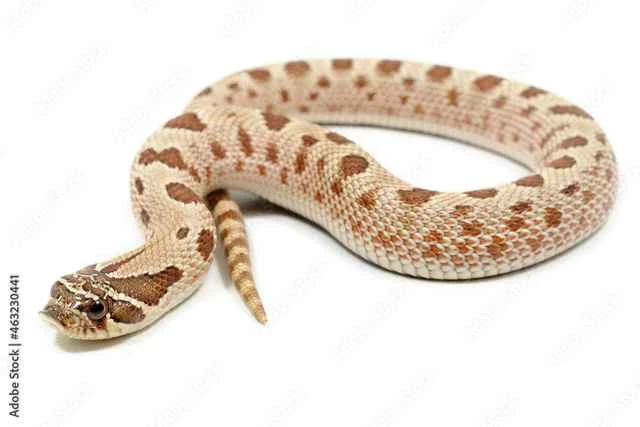
The famous pet hognose snake also possesses a remarkable skill in playing dead, much like the opossum. When threatened, the hognose snake first tries to scare away its predator by bluffing. It opens its neck ribs and makes a hissing sound similar to a snake, as if it were a cobra. But if this intimidation fails, the hognose snake quickly enters a state of suspended animation: it rolls its belly up, opens its mouth wide, flicks its tongue, and may even ooze blood.
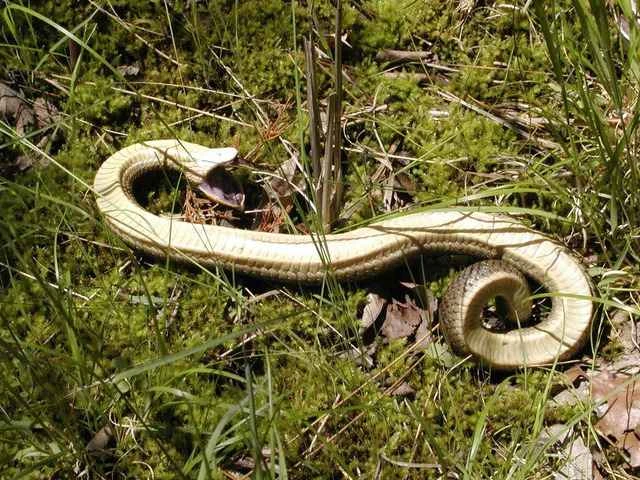
Like opossums, hognose snakes release an unpleasant odor as a form of self-defense, effectively repelling predators. Interestingly, if you roll it over, a hognose snake will usually immediately roll back over, maintaining a belly-up position.
3. Rabbit (in a state of rigidity with respiratory arrest)

Which animals are good at playing dead? I believe many people, like me, would first think of rabbits. As a docile herbivore, rabbits often face predators larger or similar in size, so playing dead has become a very effective survival strategy for them.

When rabbits are in a passive supine position, their feigned death mechanism is often activated. They will suddenly fall to the ground, quickly become motionless, close their eyes, and become completely stiff. They will not respond to being patted, and their heartbeat may even stop briefly, making them appear as if they are truly dead.
4. Ladybug (pretending to be dead while actually going into shock)
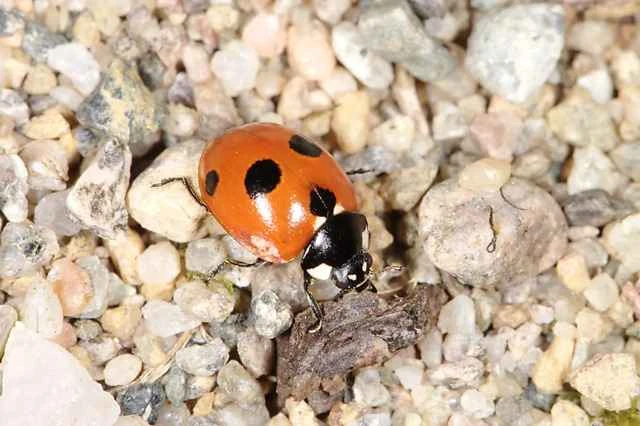
Many animals can skillfully feign death, and insects are particularly adept at this. For example, when ladybugs sense a threat or are stimulated, they quickly enter a state of shock, their bodies stiffening and becoming completely still, as if they were dead. This state helps them evade predators and reduce the risk of being captured. Once the danger has passed, the ladybug recovers and resumes its normal activities.
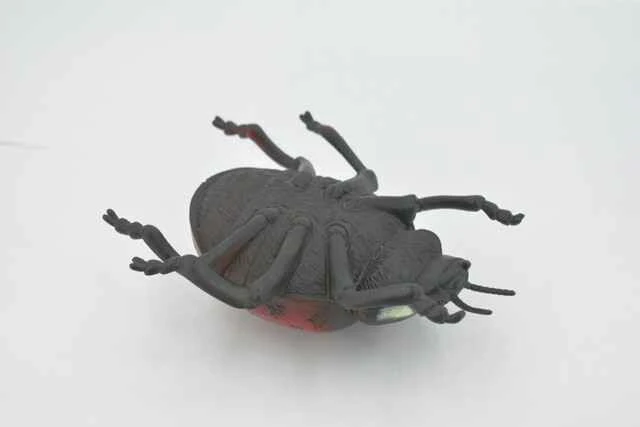
However, scientific research shows that ladybugs' "feigned death" is actually a passive reaction, more like a "fainting." When we pinch them, the stimulation causes the ladybug's nervous system to experience a shock response.
5. Camouflage sea bream (plays dead to hunt)
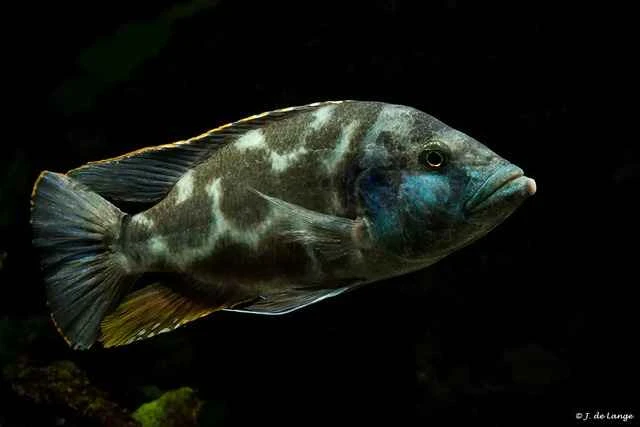
The camouflage cichlid, scientifically known as *Lycoptes leuciscus*, differs from other animals that feign death; its method isn't to evade predators, but rather to capture prey. Living in Lake Malawi in Africa, the camouflage cichlid possesses a unique and beautiful appearance.
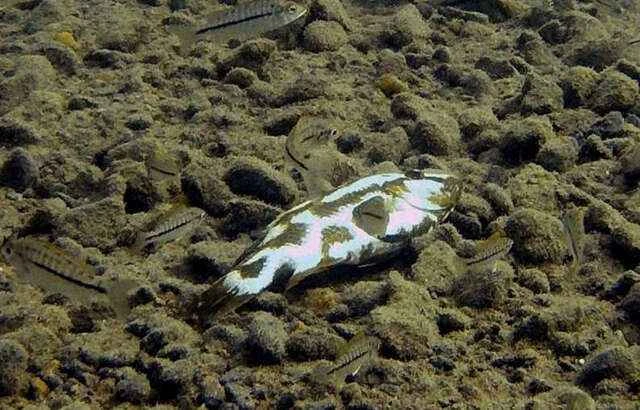
They use their patterns and colors to mimic rotting corpses, sinking to the bottom of the lake and lying motionless on their sides, cleverly misleading the surrounding small fish into thinking they are carrion. When the small fish approach, they suddenly open their mouths and quickly devour their prey.
6. Spiders (courtship strategies)
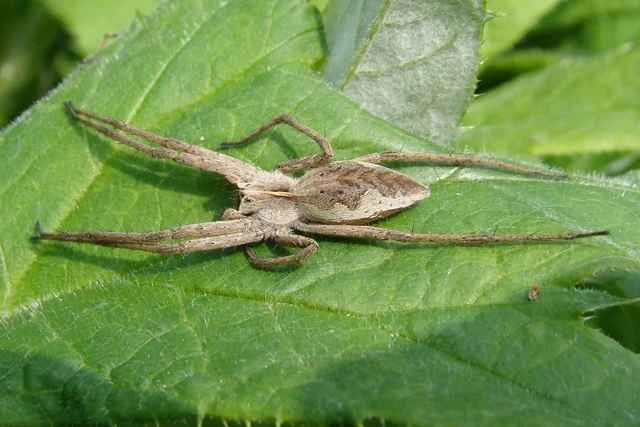
Spiders are a type of animal that uses the strategy of feigning death to protect themselves, a common survival tactic. However, one type of spider, the robber spider, feigns death specifically for mating. During courtship, the male robber spider presents an insect wrapped in silk as a gift to attract the female. The female robber spider is known for feigning death and then devouring the male suitor.
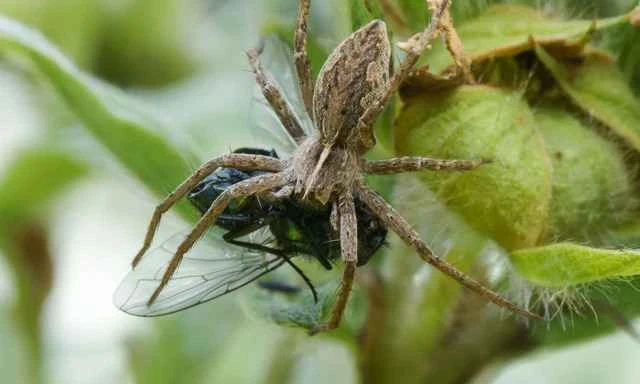
If the female robber spider is large enough, she might even steal the food brought by the male without mating. In this case, the male robber spider will feign death, letting the female drag him away along with the food. While the female is focused on eating, the male will carefully "revive" and try to mate again, increasing the chances of a successful mating.
7. Lynx (the only feline that plays dead)
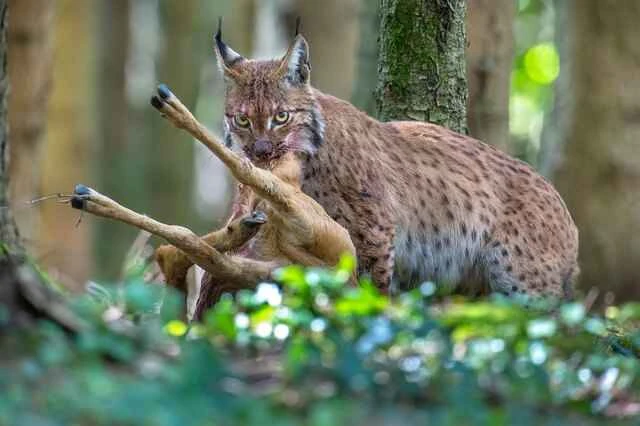
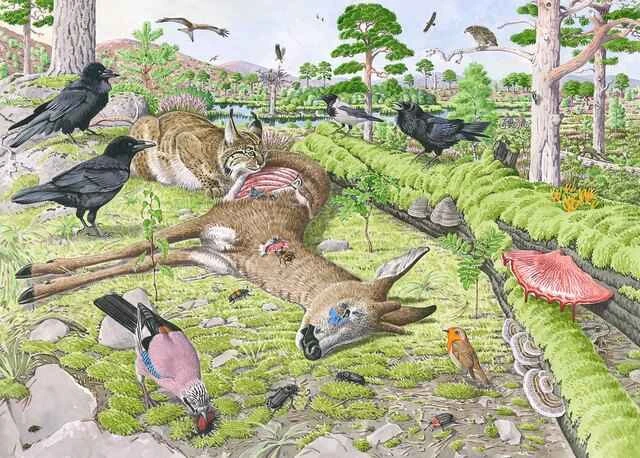
Lynxes resemble felines in appearance but are much larger, belonging to the medium-sized predator family. Their habitat overlaps to some extent with that of large felines such as tigers, leopards, and snow leopards. Lynxes are alert and cautious, and when threatened, they typically climb trees quickly to escape. Among the lynx species, the smaller Canada lynx possesses a unique survival skill—feigning death.
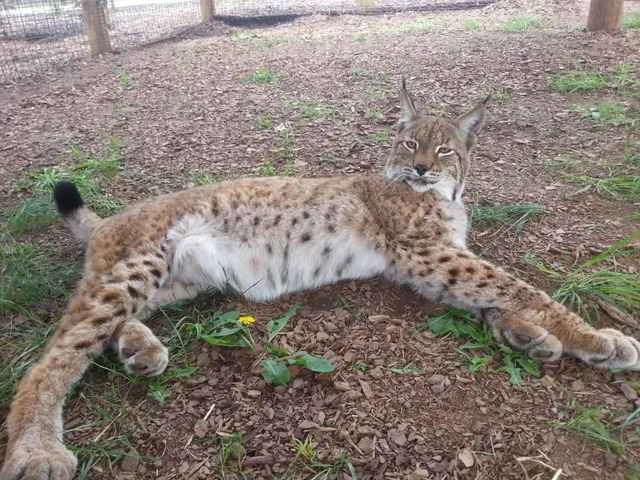
Their camouflage method is simple: lie still on the ground, completely motionless. This method is especially effective against large cats like tigers and leopards, as their hunting behavior often depends on the activity of their prey. However, if faced with a hungry leopard or tiger, lynxes will not remain in a state of feigned death indefinitely. If the predator gets too close and begins sniffing, they will retaliate in time to protect themselves.
8. Hamster (body is cold, no breathing or heartbeat)
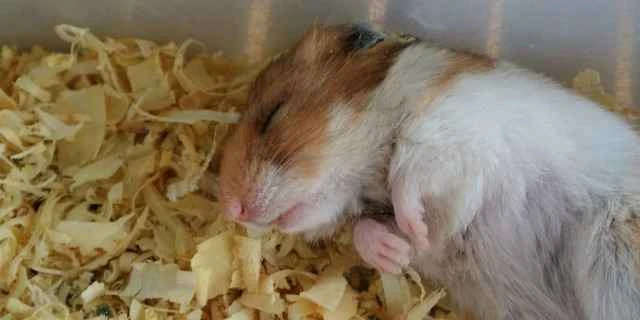
Hamsters are loved not only for their adorable appearance, but also for a very practical survival skill – playing dead. As extremely timid animals, hamsters often face threats from predators such as cats, foxes, and birds in the wild. To avoid predation, they instinctively take various evasive measures, and playing dead is one of their most important tricks.

When they sense danger, hamsters will make themselves appear dead. They will freeze their bodies, stop breathing and their heartbeat, lie on their backs with their limbs stiff, half-close their eyes, and become unresponsive to any sound, touch, or even pain, appearing completely lifeless. This technique has helped them avoid many predators in the wild.
9. Shark (feign death for 15 minutes)
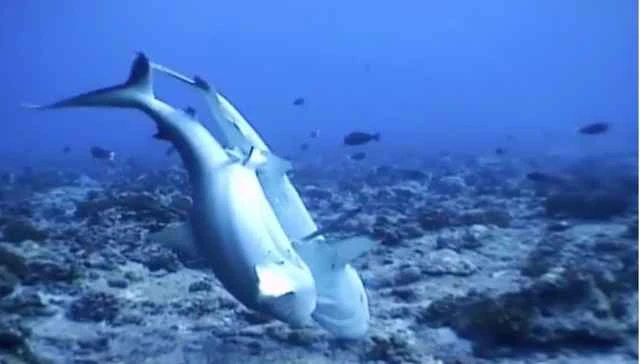
In nature, playing dead is usually a survival strategy used by weaker animals to escape predators. Lacking strong attack power and excellent escape abilities, they can only survive by feigning death. However, as one of the top predators in the ocean, sharks also possess the ability to "play dead." If a shark is turned over and the skin around its nose is stimulated, it may be triggered into a state of stillness that lasts for about 15 minutes.
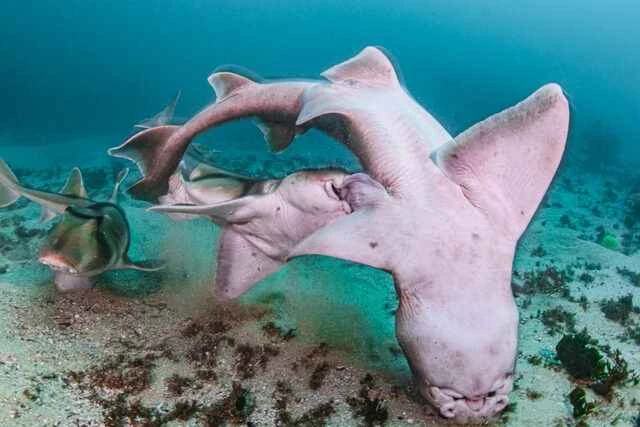
However, scientists have different opinions on the reasons for this behavior. Some studies suggest that this rigid stillness is not due to fear, but is related to reproductive behavior. Research shows that after obtaining a mating opportunity, male sharks will flip the female shark's body to induce this stillness, thereby making the mating process smoother and more efficient.
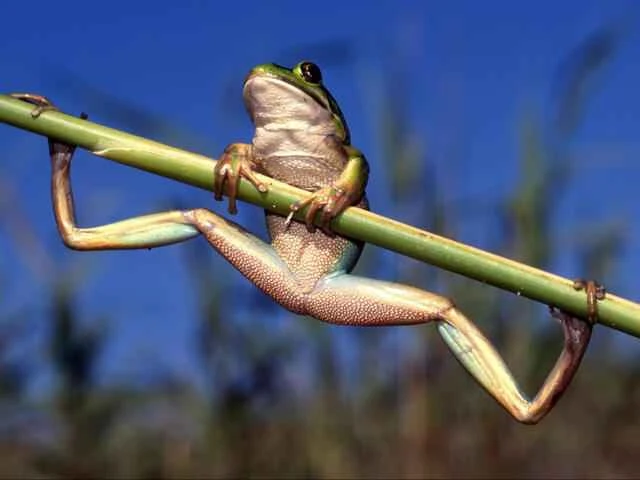
10. Frog (belly up, motionless)
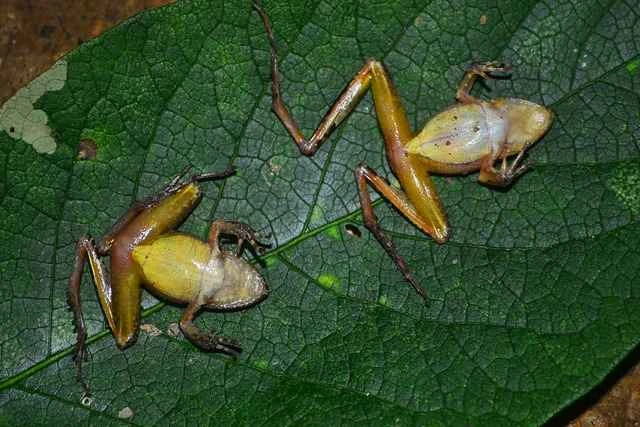
Frogs are also masters of playing dead, especially the bell toad from Asia and Eurasia, who excel at this skill. When threatened, the bell toad arches its back, twists its limbs, and displays yellow or orange warning colors under its feet to alert predators that its skin is highly venomous and to deter them from approaching.
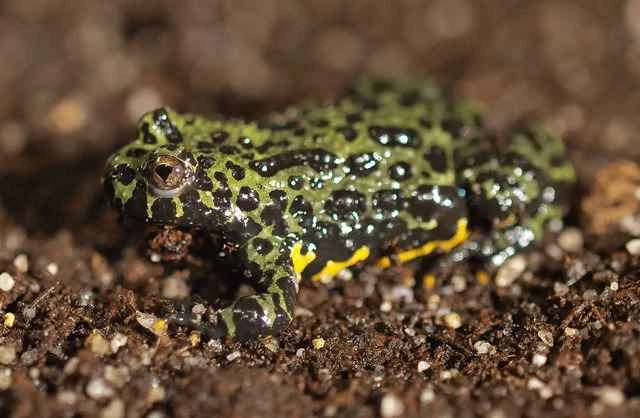
Besides the bell toad, the squiggly toad is also included in the long list of animals that feign death due to its exaggerated performance. In addition, some European frogs have learned to disguise themselves as males to deceive males attempting to mate with them in order to avoid mating. If this resistance strategy fails, their last resort is to play dead to escape predicament.
This article lists the 10 animals in the world most adept at feigning death. The animals' feigning death skills and popularity were considered, and relevant internet rankings and lists were referenced. This list is for entertainment purposes only; comments and corrections are welcome at the end of the article!