The banana spider is one of the world's most fascinating and misunderstood spiders. Due to its venom and association with banana plantations, it is often perceived as extremely dangerous. However, the banana spider's reputation is often greater than its actual threat. This article will delve into the world of banana spiders, introduce relevant species, and dispel some common myths about this deeply misunderstood spider.
Table of contents
What is a banana spider?
Scientific name and related species
External features and size
Toxicity: How dangerous are banana spiders?
Habitat and distribution area
Behavior, Hunting and Reproduction
Myth and Reality: Debunking Common Misconceptions about Banana Spiders
Banana spider bites: symptoms and treatment
Prevention and control of banana spiders
Frequently Asked Questions (FAQ)
1. What is a banana spider?
The name "banana spider" often refers to two different spiders: the Brazilian wandering spider ( Phoneutria ) and the golden hunter spider ( Cupiennius salei ). Both spiders are large, venomous, and commonly associated with banana plantations, but they differ in characteristics and behavior.
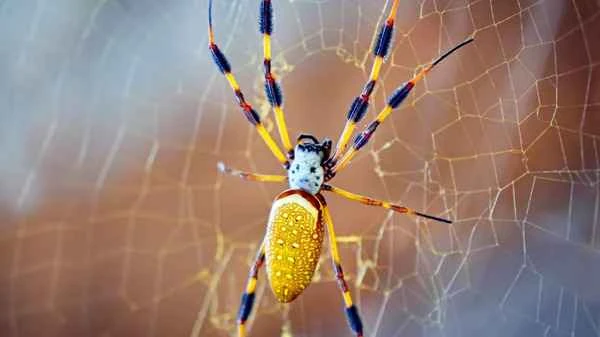
1.1. Brazilian wandering spider (Phoneutria)
The Brazilian wandering spider, also known as the banana spider , is considered one of the most venomous spiders in the world. They are mainly distributed in tropical South America, especially Brazil. Brazilian wandering spiders are nocturnal and typically roam the ground rather than weaving webs like other spiders, thus allowing them to have a wide range of activity.
1.2. Golden Hunter Spider (Cupiennius salei)
The golden hunter spider, also known as the golden hunter spider , gets its name from its distinctive golden-yellow or golden-brown color. Although this spider belongs to the same "wandering spider" family as the Brazilian wandering spider, it is less venomous and poses far less of a threat to humans.
2. Scientific name and related species
The banana spider is not a single species, but rather a term used to refer to several different spiders. Below are the scientific names of these species and brief descriptions of related species:
| Common Names | Scientific name | Danger | body shape | Habitat |
|---|---|---|---|---|
| Brazilian wandering spider | Phoneutria | high | Maximum 6 inches (15 cm) | Tropical South America |
| Golden Hunter Spider | Cupiennius salei | Low | 3-4 inches (7-10 cm) | Central and South America, family environment |
| Southern Black Widow | Latrodectus mactans | high | 1.5 inches (4 cm) | North America, the dark places |
| Brown hermit spider | Loxosceles reclusa | high | 1-2 inches (2.5-5 cm) | North America, the dark places |
| Tarantula | Various species | Low to medium | 4-10 inches (10-25 cm) | Different habitats around the world, arid regions |
3. External features and size
Banana spiders are generally known for their large size and distinctive features. Below is a detailed comparison of their key characteristics, such as size and lifespan:
| Spider type | Body type (leg span) | life | Number of legs | toxicity |
|---|---|---|---|---|
| Brazilian wandering spider | Maximum 6 inches (15 cm) | 1-2 years | 8 legs | High (neurotoxic) |
| Golden Hunter Spider | 3-4 inches (7-10 cm) | 1-2 years | 8 legs | Low (mild) |
| Southern Black Widow | 1.5 inches (4 cm) | 1-3 years | 8 legs | High (neurotoxic) |
| Brown hermit spider | 1-2 inches (2.5-5 cm) | 1-2 years | 8 legs | High (necrosis) |
| Tarantula | 4-10 inches (10-25 cm) | 10-30 years | 8 legs | Low (very little danger) |
4. Toxicity: How dangerous are banana spiders?
The Brazilian wandering spider has one of the most potent venoms in the world. Its venom is a neurotoxin that affects the nervous system, causing severe pain, paralysis, and even difficulty breathing. However, with advancements in modern medicine and the availability of antivenom, fatal cases are now extremely rare.
Brazilian wandering spider : Highly venomous, it can cause paralysis and respiratory distress, but the mortality rate is extremely low with timely treatment.
Golden hunter spider : Low toxicity, usually does not cause harm to humans.
Southern Black Widow : Highly toxic, but can be effectively controlled with treatment.
Brown hermit spider : Highly venomous; bites can cause skin necrosis, requiring emergency treatment in severe cases.
5. Habitat and Distribution Area
Banana spiders are typically found in tropical regions, particularly in South America , Brazil , and areas associated with banana plantations . They are also commonly found in home environments, especially in dark, secluded places.
| Spider type | main habitat | Common distribution areas |
|---|---|---|
| Brazilian wandering spider | Ground, tree trunks, dark corners | Tropical rainforest, banana plantation, family |
| Golden Hunter Spider | Hidden places in the home, in the forest | Central and South America, family environment |
| Southern Black Widow | Dark, undisturbed place | Basements, warehouses, garages, etc. in North America |
| Brown hermit spider | Dark, hidden places | Basements, attics, etc. in North America |
| Tarantula | dry, warm climate | Different habitats around the world, arid regions |
6. Behavior, Hunting and Reproduction
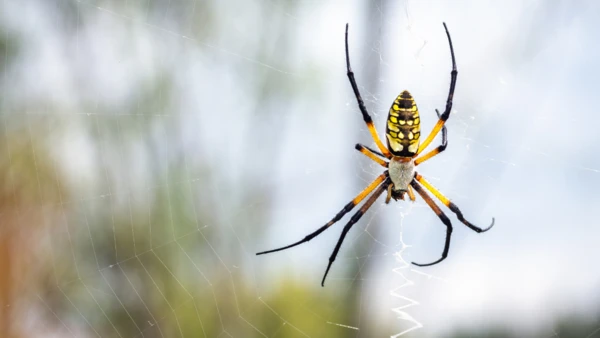
Both the Brazilian wandering spider and the golden hunter spider are nomadic spiders, meaning they do not weave webs but actively hunt prey.
6.1. Brazilian wandering spider
Brazilian wandering spiders are known for their aggressive behavior , especially when threatened. They are typically active at night, preying on small animals such as insects, small vertebrates, and even other spiders.
Reproduction : Females typically lay 100-200 eggs, which hatch into baby spiders.
Behavior : Primarily nocturnal, they are territorial and use speed to catch prey.
6.2. Golden Hunter Spider
Golden hunter spiders prey on smaller animals and prefer ambush over pursuit. They typically hide in dark places during the day.
Reproduction : Similar to the Brazilian wandering spider, the golden hunter spider also lays its eggs in an egg sac, and the hatched spiderlings will begin to live independently.
Behavior : They are not aggressive and generally do not approach humans unless threatened.
7. Myth and Reality: Debunking Common Misconceptions about Banana Spiders
Many myths surround banana spiders, especially the Brazilian wandering spider. Let's clarify some common misconceptions:
| misunderstanding | fact |
|---|---|
| Banana spiders will actively attack humans. | Banana spiders generally avoid contact with humans and will only defend themselves when threatened. |
| All banana spiders are deadly venomous. | Only the Brazilian wandering spider has strong venom; other species, such as the golden hunter spider, have lower venom content. |
| Banana spiders only live in banana plantations | Although associated with banana plantations, their habitats include a variety of tropical and subtropical environments. |
| Being bitten by a banana spider will definitely result in death. | If treated promptly, the chance of death is very low; modern medicine can effectively control the damage. |
8. Banana spider bite: symptoms and treatment
If bitten by a banana spider, especially a Brazilian wandering spider, immediate action should be taken. Common symptoms include severe pain , localized swelling , and muscle weakness .
Treatment
Wash the wound immediately with soap and water, and avoid squeezing it.
Applying a cold compress can relieve pain and swelling.
Seek medical attention promptly, especially if you experience difficulty breathing or severe pain .
9. Prevention and control of banana spiders
If you live in an area where banana spiders are common, here are some effective preventative measures:
Seal cracks : Ensure that cracks in windows, doors, and walls are sealed.
Keep your home clean : Spiders prefer dark, cluttered environments.
Use pest control : If you have spider problems in your home, consider hiring a professional pest control service.
10. Frequently Asked Questions (FAQ)
1. Are banana spiders poisonous?
Yes, Brazilian wandering spiders are venomous, but the risk of death is extremely low if treated promptly.
2. Where can banana spiders be found?
Banana spiders are mainly distributed in tropical South America, especially Brazil, and they sometimes enter homes.
3. What should I do if I get bitten by a banana spider?
Clean the wound, apply a cold compress, and seek medical help, especially if symptoms worsen, particularly from a Brazilian wandering spider bite.
4. Do banana spiders actively attack humans?
Banana spiders typically do not come into contact with humans and will only attack when they feel threatened.
Conclusion
Banana spiders, whether Brazilian wandering spiders or golden hunter spiders , are fascinating creatures that play vital roles in the ecosystem. While they possess some venom, their threat to humans is far less than commonly believed. With proper knowledge and precautions, we can safely coexist with these awe-inspiring spiders.