Elephant seals are found in the waters surrounding Antarctic islands. They breed on land and prefer to live in groups. Every year during the breeding season in August and September, groups of elephant seals come ashore to claim territory and find mates, turning the beaches into a paradise for them.
Polygamy
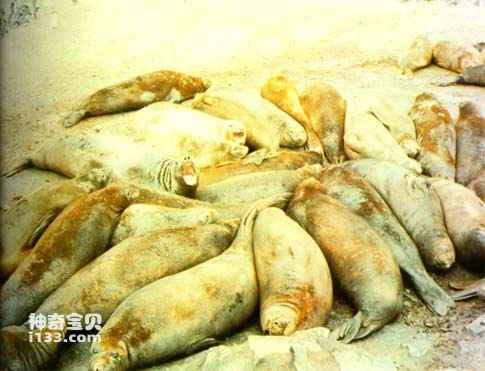
Elephant seals often breed in hereditary territories. One such territories is the west coast beach not far from China's Great Wall Station in Antarctica, where over 300 elephant seals breed annually. To claim territory, male elephant seals frequently engage in brutal battles; the victor becomes king, acquiring numerous mates, while the loser leaves disappointed to seek other opportunities. On the beach, one can witness a male elephant seal guarding dozens, even hundreds, of female elephant seals day and night—all his prized mates—constantly on guard against any potential intruders. When rivals meet, they fight tooth and nail, their fur raging, their roars deafening, their jaws agape as they tear at each other until they are covered in wounds, their skin torn and bleeding profusely.
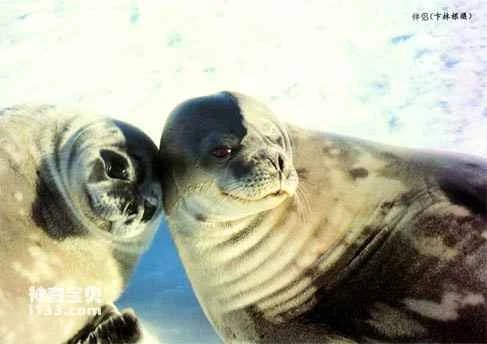
Male elephant seals are fierce, while females are gentle. Once a female is possessed by a male, she obediently follows him, lying docilely beside him. If a female elephant seal misbehaves and is discovered by her mate, she will be severely punished. Therefore, a male elephant seal is often surrounded by dozens, or even hundreds, of female elephant seals. Fights can also occur between elephant seal couples because pregnant females may refuse to mate again.
Once the breeding season is over, male elephant seals go out to sea to hunt and relax, leaving the responsibility of raising offspring entirely to the female elephant seals.
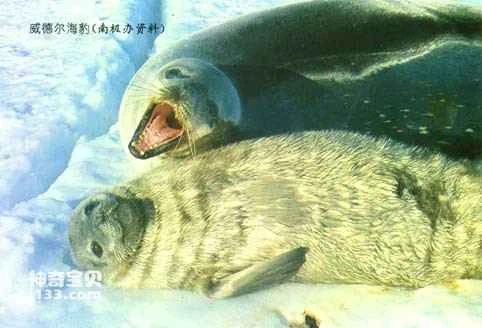
gentle partner
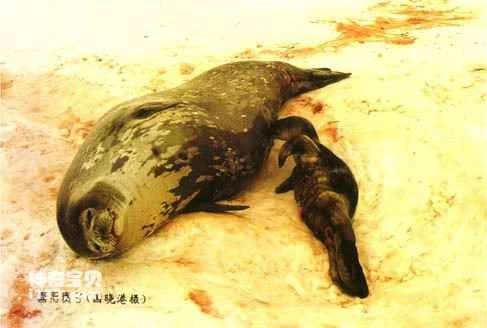
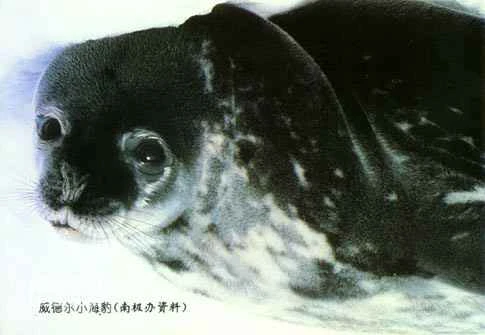
The birth of a baby seal