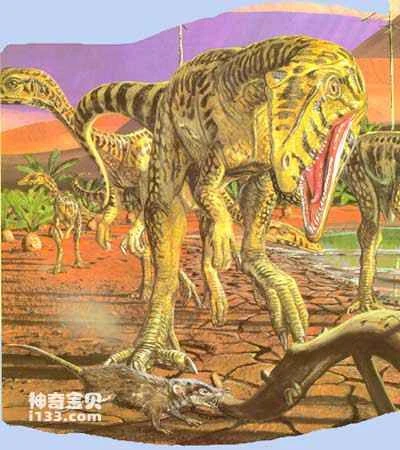
Dinosaurs were a group of giant reptiles that once existed on Earth, living during the Mesozoic and Late Periods, approximately 230 million to 65 million years ago. Dinosaurs are generally considered to be enormous, powerful animals that ruled the Earth for 160 million years until their sudden extinction. Dinosaurs ranged in size from tiny creatures the size of sparrows to colossal beings exceeding 30 meters in length, such as Brontosaurus and Abelisaurus. So, what are the ten strongest dinosaurs? Here are some considered the ten strongest dinosaurs, listed in no particular order:
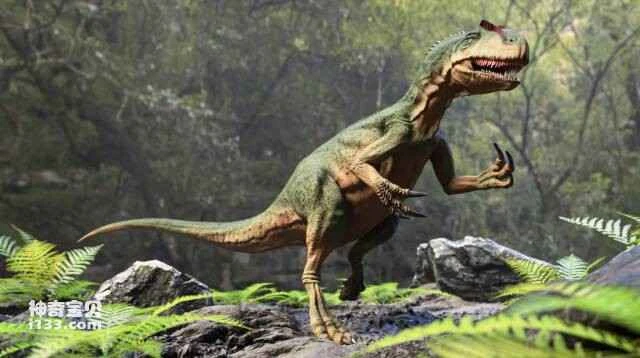
1. Allosaurus
Allosaurus is one of the most famous large carnivorous dinosaurs, occupying the top of the food chain in the Late Jurassic terrestrial ecosystem. It was described and named by the great 20th-century American paleontologist Osnier Marsh in 1877. They are also the most numerous and widespread predators found in the Late Jurassic. Adult Allosaurus could reach 9 meters in length, with a few individuals believed to have reached 12 meters. While not as imposing as Tyrannosaurus Rex, Allosaurus had a more proportionate body and more developed forelimbs, making it appear more agile. Furthermore, the number of Allosaurus specimens far exceeds that of Tyrannosaurus Rex, making it one of the most thoroughly studied dinosaurs by paleontologists. Due to the sheer number of fossils unearthed, Allosaurus has become a landmark fossil species of the Morrison Formation.
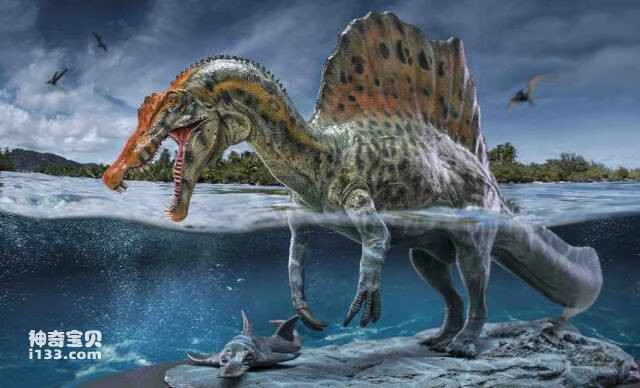
2. Spinosaurus
Spinosaurus lived during the Late Jurassic period, approximately 150 to 130 million years ago, primarily distributed in what is now North America and Europe. Its most distinctive feature was a row of large, hard bony plates along its back, resembling leaves in shape. These plates served to protect the body and may have also been tools for regulating body temperature or deterring predators. The Spinosaurus also had a row of sharp spines on its tail for defense. It had a low-slung body and robust limbs, adapted for terrestrial movement. Its jaws were equipped with serrated teeth for chewing. Adult Spinosaurus reached approximately 9 meters in length and weighed up to 2.5 tons. It is the largest known carnivorous dinosaur, possessing long, sharp vertebral spines and possibly also the ability to swim.
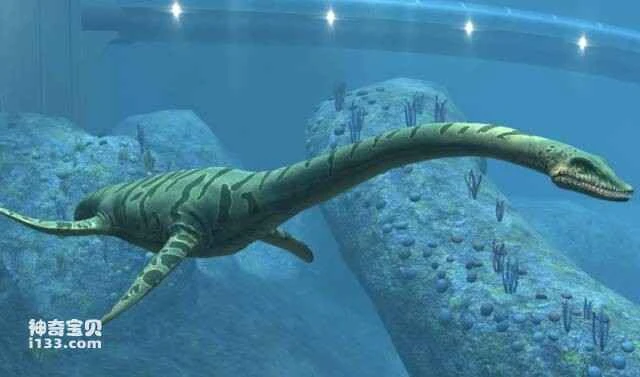
3. Elasmosaurus (Dragon King Plesiosaurus)
The Basilosaurus was a massive marine reptile with a long neck and sharp teeth, likely a dominant predator in the sea. They lived during the Late Cretaceous period, approximately 70 million years ago, primarily inhabiting the waters of what is now western and central North America. Reaching lengths of 15-17 meters and weighing 5-7 tons, they possessed strong necks and tails adapted for rapid swimming. Their jaws were equipped with sharp teeth, used for preying on fish, shellfish, and other marine life. Basilosaurus fossils are widely distributed throughout North America, particularly abundant in inland basins of Mexico and the United States. Studying these fossils has provided scientists with insights into the Basilosaurus's habits and evolutionary history. It is believed that the extinction of the Basilosaurus may have been linked to sea-level rise and climate change at the end of the Cretaceous period.
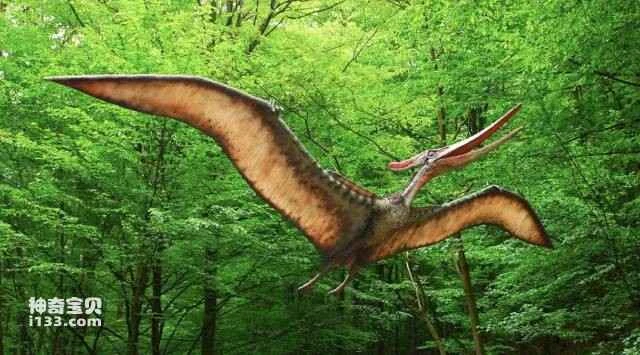
4. Pteranodon
Pterodactyls are often called "dinosaurs," but they weren't actually dinosaurs; rather, they were a group of ancient creatures that coexisted with dinosaurs, living during the Late Jurassic period, approximately 150 million to 145 million years ago, primarily distributed in what is now Europe. Pterodactyls were among the largest known pterosaurs, capable of gliding effortlessly through the air and seizing prey. Their most distinctive feature was their wings. Their wing membranes, composed of skin and a bony framework, extended to the ends of their limbs. Pterodactyls' jaws and teeth were adapted for catching small insects and other invertebrates. Pterodactyls were relatively small, only a few tens of centimeters long. Their limbs were long and slender, adapted for flight. While pterodactyls couldn't flap their wings like modern birds, they could glide using air currents. Pterodactyl fossils are widely distributed throughout Europe, particularly in Bavaria, Germany. Through the study of pterodactyl fossils, scientists have gained insights into these ancient creatures' flight methods, lifestyles, and evolutionary history.
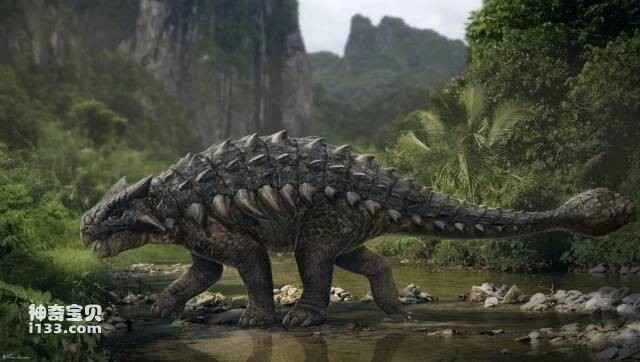
5. Ankylosaurus (Merged Dragon)
Fusosaurus, belonging to the ankylosaurs, lived during the Late Cretaceous period, approximately 68 to 66 million years ago, primarily inhabiting what is now North America. Fusosaurus had a low-slung build, with a row of hard bony plates and sharp spines along its back for protection against predators. Its jaws contained numerous serrated teeth, adapted for chewing plants. Its limbs were short and stout, suited for supporting its weight and its slow gait. Fusosaurus was a large animal, with adults reaching 6-7 meters in length and possibly weighing over 4 tons. Fossils of Fusosaurus are widely distributed throughout North America, particularly in the western United States and Alberta, Canada. Through the study of Fusosaurus fossils, scientists have gained insights into the lifestyle and evolutionary history of these dinosaurs. Fusosaurus is one of the most famous ankylosaurs, dominating the North American landmass during the Late Cretaceous. Although Fusosaurus is extinct, its fossils still provide crucial information about paleontology and the history of dinosaur evolution.
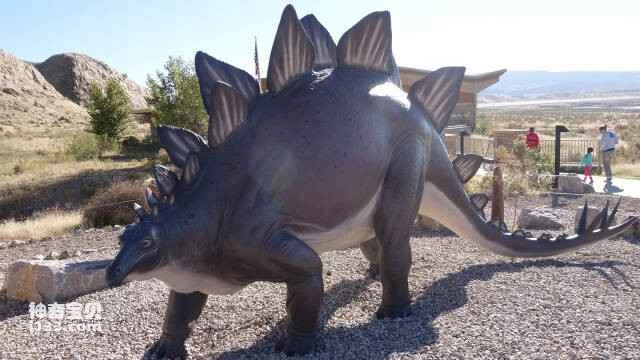
6. Stegosaurus
Stegosaurus belongs to the ankylosaur group. They lived during the Late Jurassic period, approximately 150 to 130 million years ago, primarily distributed in what is now North America and Europe. The most distinctive feature of Stegosaurus is a row of large, hard bony plates along its back. These plates, shaped like leaves, served to protect the body and may also have been tools for regulating body temperature or deterring predators. Stegosaurus also had a row of sharp spines on its tail for defense. Stegosaurus had a low-slung body and robust limbs, adapted for terrestrial movement. Their jaws were equipped with serrated teeth for chewing plants. Adult Stegosaurus were about 9 meters long and weighed up to 2.5 tons. Stegosaurus fossils are widely distributed globally, especially in North America, particularly in Colorado and Utah, as well as in European countries such as the United Kingdom and France. Through the study of Stegosaurus fossils, scientists have gained insights into the lifestyle, reproductive methods, and evolutionary history of these dinosaurs.
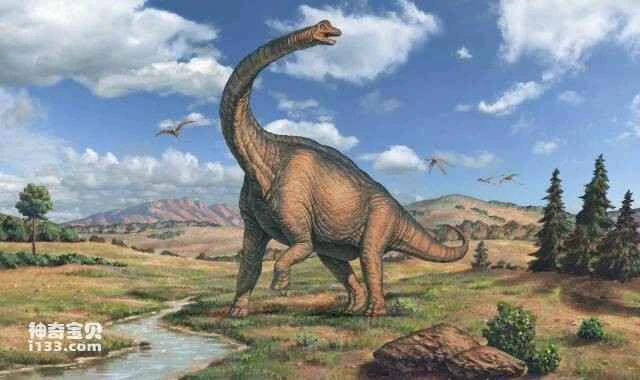
7. Brachiosaurus
Brachiosaurus was an extinct herbivorous dinosaur belonging to the sauropod phylum. They lived during the Late Jurassic period, 155 to 142 million years ago, and were distributed across what is now North America, Europe, and Africa. One of the largest dinosaurs, Brachiosaurus could reach over 30 meters in length and 16 meters in shoulder height, weighing approximately 80 tons. Its exceptionally long neck helped it reach for food high in the trees. Its hind legs were longer than its forelegs, allowing it to hunt upright. Considered one of the greatest animals in the dinosaur kingdom, Brachiosaurus is a marvel of size and unique appearance. As one of the largest land animals, with its long neck and powerful limbs, it likely needed to consume hundreds of kilograms of plants daily to survive.
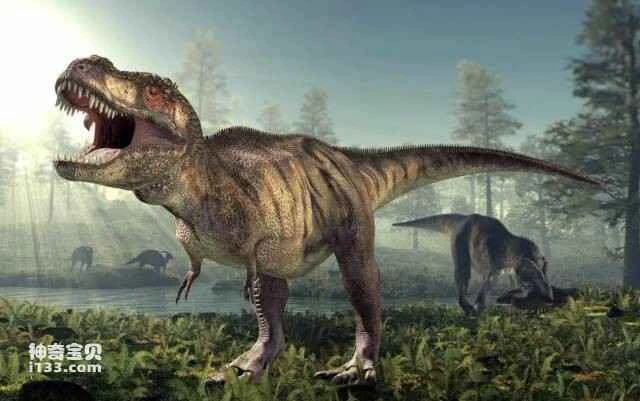
8. Tyrannosaurus rex
Tyrannosaurus Rex, also known as Tyrannosaurus Rex, is most notably characterized by its powerful jaws and sharp teeth, capable of easily tearing apart the flesh of other dinosaurs. Its body was massively built, with strong, powerful limbs adapted for short-distance running speed. The Tyrannosaurus Rex had an exceptionally large skull, accounting for about one-third of its total body length, and possessed high intelligence, considered one of the dinosaurs with an intelligence comparable to modern apes. Adult Tyrannosaurus Rex were approximately 12-15 meters long and weighed 6-9 tons, making them one of the largest theropod species. They lived during the Late Cretaceous period, approximately 68 to 65 million years ago, primarily distributed in what is now North America. Tyrannosaurus Rex fossils are widely distributed throughout North America, particularly in South Dakota and other parts of the United States. Through the study of Tyrannosaurus Rex fossils, scientists have gained insights into the habits and evolutionary history of these dinosaurs. Tyrannosaurus Rex is one of the most famous animals in the dinosaur kingdom; its ferocious appearance and immense power have left an indelible mark on people's memories. At the same time, Tyrannosaurus Rex also frequently appears in entertainment and cultural works such as movies and games, becoming a popular cultural symbol.
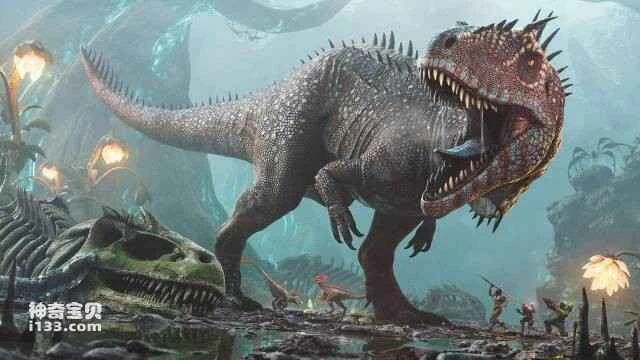
9. Carcharodontosaurus
The most distinctive features of Carcharodontosaurus are its massive dorsal sail and long, sharp teeth, which allowed it to easily prey on fish and other dinosaurs in the water. Carcharodontosaurus had a spindle-shaped body and powerful limbs, adapted for rapid movement on land and in water. They also possessed a powerful sense of smell, able to detect the scent of nearby prey, making them a remarkably intelligent dinosaur. Adult Carcharodontosaurus could reach lengths of over 15 meters and weigh 6-9 tons, making them one of the largest species in the theropoda. Their fossils have been found in the riverbanks of African countries such as Egypt and Morocco, with the most famous being the complete Carcharodontosaurus fossil discovered at the Bahariya Formation in Egypt. Through the study of Carcharodontosaurus fossils, scientists have gained insights into the lifestyle and evolutionary history of these dinosaurs. In recent years, with new excavations and discoveries of Carcharodontosaurus fossils, our understanding of its morphology and behavior continues to be updated. Carcharodontosaurus is a relatively little-known dinosaur, but its unique appearance and lifestyle continue to amaze and intrigue people.
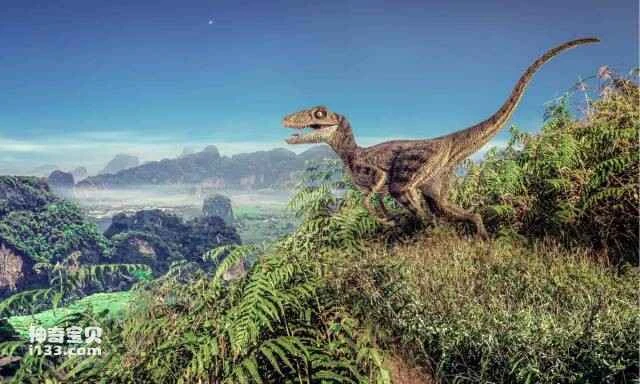
10. Velociraptor
The most distinctive feature of Velociraptors was their long, sharp claws, used for cutting and grasping prey. Their bodies were spindle-shaped, with powerful limbs adapted for high-speed running and quick turns. Velociraptors had relatively small skulls but possessed high intelligence, considered among the most intelligent dinosaurs, comparable to modern birds. Adult Velociraptors were about 2-3 meters long and weighed 20-30 kilograms, making them one of the smaller species in the theropoda. Their fossils are widely found in the deserts and Gobi regions of Mongolia and northern China, most notably the many complete Velociraptor fossils discovered in the Gobi Desert of Mongolia. Through the study of Velociraptor fossils, scientists have gained insights into the habits and evolutionary history of these dinosaurs. In recent years, with new excavations and discoveries of Velociraptor fossils, our understanding of their morphology and behavior has been continuously updated. Velociraptors are among the more well-known dinosaurs, and their ferocious image frequently appears in movies, games, and other entertainment culture. At the same time, Velociraptors are also one of the important research subjects in the field of dinosaur research, and are of great significance for our understanding of the evolutionary history and ecological characteristics of theropod dinosaurs.
In short, these dinosaurs each had their own unique characteristics and advantages. Although most of them are extinct, they have given people a deeper understanding of the ecological environment and evolutionary history of dinosaurs.