In modern society, how animals are treated, especially at the end of their lives, has become a topic of great concern. Many people are concerned about whether animals suffer unnecessary pain when they are killed. We often hear the term "humane culling of animals," but what exactly does it mean? What are the specific methods used in its implementation? And how does it affect our perceptions of animals? This article will delve into these questions and provide a detailed interpretation of the relevant ethical, legal, and cultural aspects.
Table of contents:
Introduction: What is humane animal killing?
Classification of animal death methods
Euthanasia and Violent Killing
Pain control during slaughter
Ethical considerations for various methods of animal death
Factors influencing the manner of animal death
Global animal protection laws and standards
Differences in animal protection laws among countries
International Standards and Recommendations
How can we reduce animal suffering during slaughter and experimentation?
Application of modern technology
The Role of Automation and Artificial Intelligence
Future Prospects for Animal Protection and Humane Killing
Conclusion: How can we achieve more humane treatment of animals?
1. Introduction: What is humane animal killing?
Humane killing of animals refers to the process of minimizing the pain and fear suffered by animals during their death. This concept encompasses how animals are treated upon death, whether for consumption, scientific experimentation, or in wildlife conservation and humane killing. Humane killing is not a "painless" death, but rather emphasizes ending an animal's life in the most gentle and respectful way possible.
2. Classification of Animal Death Methods
Euthanasia and Violent Killing
Euthanasia generally refers to the process of euthanasia using medical and scientific methods to ensure that an animal does not experience prolonged suffering during the death process. Euthanasia methods include injecting lethal drugs and electric shock, while violent killing may involve shooting, slitting the throat, etc., which are often accompanied by a great deal of pain and fear.
Pain control during slaughter
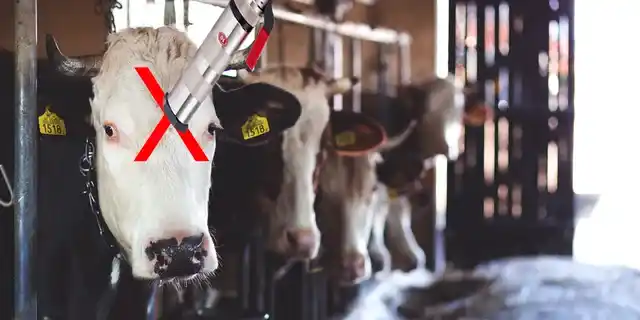
Minimizing animal suffering during slaughter is of paramount importance. Ideally, animals should die quickly and painlessly, avoiding excessive struggling and panic. Modern slaughterhouses employ numerous advanced technologies to ensure a rapid and painless death process, such as electric shock and gas asphyxiation.
3. Ethical considerations regarding various methods of animal death
Different cultures and regions have varying ethical standards and moral values regarding animal death. For example, some cultures may have more lenient standards for slaughtering animals for consumption, while others emphasize strict adherence to animal welfare principles. Scientists, ethicists, and animal rights activists generally agree that unnecessary suffering should be avoided during the death of animals, regardless of whether they are intended for food, experimentation, or entertainment.
4. Factors influencing the manner of animal death
Factors influencing the manner of animal death include:
Animal species and uses : Different animals may have different physiological structures and nervous system responses, and therefore different suitable modes of death. For example, the modes of death of aquatic animals and terrestrial animals may differ significantly.
The technological level of the slaughtering industry : Some slaughterhouses use advanced equipment and technology, while others may still use traditional and relatively crude methods.
Ethical standards and legal regulations : Countries differ in their legal and ethical standards regarding animal death. Europe and North America generally have stricter animal protection regulations, while other regions may pay less attention to this issue.
5. Global animal protection laws and standards
Differences in animal protection laws among countries
Animal protection laws and standards vary globally. For example, in Europe, animal welfare laws require all animals to be anesthetized with electric shocks before slaughter to reduce their suffering. In contrast, some developing countries have laxer regulations on animal welfare, and there are even cases of excessive animal cruelty.
International Standards and Recommendations
International organizations such as the Food and Agriculture Organization of the United Nations (FAO) and the World Health Organization (WHO) have developed standards and recommendations for animal protection and humane slaughter. According to these standards, all actions involving the death of animals should ensure that their dignity is not violated and that unnecessary suffering is minimized.
6. How can we reduce animal suffering during slaughter and experimentation?
Application of modern technology
Modern technology plays a vital role in reducing animal suffering. Whether it's the electric shock anesthesia used in slaughter or painless injections in medical experiments, technological innovations help us minimize the suffering of experimental or edible animals while ensuring their death.
For example, some countries have begun using carbon dioxide gas to replace traditional mechanical slaughtering methods in order to make animals lose consciousness more quickly and avoid them experiencing prolonged fear and pain during the slaughter process.
The Role of Automation and Artificial Intelligence
Automation and artificial intelligence can also play a significant role in the animal mortality process. For example, robotic slaughter systems can operate more precisely, reduce human error, ensure animals die faster, and minimize unnecessary pain.
7. Future Prospects for Animal Protection and Humane Killing
With advancements in technology, we can expect to achieve more perfect ways for animals to die in the future. Here are some possible trends:
Genetic Engineering and Humane Killing : With the development of gene technology, it may be possible in the future to modify animals through gene editing so that they no longer feel pain when they die, thus fundamentally avoiding unnecessary suffering.
Virtual experiment alternatives : The medical field is developing "virtual experiment" technology, which uses computer simulations and artificial intelligence models to conduct experiments, reducing the use of animal testing and thus reducing harm to animals.
8. Conclusion: How can we achieve more humane treatment of animals?
To achieve more humane treatment of animals, in addition to advancing science and law, we need to work together on multiple levels:
Strengthen animal welfare education . Raise public awareness of animal welfare and educate people on how to treat animals more humanely, avoiding overhunting, abuse, or cruelty. This includes not only pet care but also the treatment of all types of animals, including food animals, laboratory animals, and wild animals.
Improve animal handling facilities and processes . Enhance the management of slaughterhouses, laboratories, animal habitats, and other facilities to ensure that animals are treated in accordance with international standards and ethical norms, minimizing their discomfort and suffering.
Promoting the improvement and implementation of animal protection laws <br/>Countries should strengthen the revision and implementation of animal protection laws and ensure that there is no cruelty or unnecessary suffering throughout the entire process of animal killing and use.
Developing Alternative Methods <br/>In fields such as medical research and agricultural production, we should continuously explore and adopt alternative methods to animal testing or testing.
Global Cooperation and Regulation <br/>Animal protection is a global issue that requires international cooperation to promote the standardization and legalization of animal welfare worldwide.
9. Future Prospects for Animal Protection and Humane Killing
With advancements in technology, ethics, and public awareness, we may one day achieve even more perfect and humane methods of killing. For example:
Genetic Engineering and Humane Killing : With the rapid development of gene technology, painless and more effective ways may emerge in the future to reduce the perception of pain during animal death through gene modification.
Artificial intelligence and automation : In the fields of slaughter and animal testing, advances in automation and artificial intelligence can enable more precise and painless operations, reducing animal suffering caused by human error.
The key to humane culling is respecting the value of animal life . Regardless of the length of an animal's life or its purpose, they should enjoy a minimum level of dignity and care. From individual actions to national policies, from technological innovation to cultural concepts, all sectors need to work together to ensure animal welfare while avoiding unnecessary suffering.
Conclusion
"Humane killing of animals" is not merely a simple matter of life and death; it involves multiple considerations related to ethics, law, science, culture, and society. With societal progress and increased public awareness of animal welfare, we can expect more humane animal management practices. Through sustained efforts, we can provide animals with a more humane and respectful living environment, both during their lives and at the end of their lives.