When you think of wild cats, you might think of lions, tigers, and leopards. But did you know that there are many other little-known and rare wild cat species in the world, some even endangered? A recent study estimates that the wild population of the Scottish wildcat is down to only 100 to 314 individuals, making it one of the rarest cat species on Earth. Sadly, they are not alone—more than 40% of wild cats worldwide are threatened with extinction. Many of these rare felines face multiple threats, including habitat loss and poaching, yet remain largely unknown, especially compared to their larger relatives.
Let's take a look at 12 of the rarest and most fascinating wild cats that you may not have heard of.
Table of contents
Iramo Cat: Island Dwellers
Desert Cat: Desert Ghost
Chinese Lynx: Highland Hunter
Borneo Bay Cats: The Beauty of Borneo
Blackfoot Cat: Prairie Ghost
Scottish Wildcat: Highland Tiger
Sunda Cloud Leopard: Cloud Climber
Asian Golden Cat: Golden Hunter
Dali Flower Cat: Tree Acrobat
Fishing Cat: Wetland Wanderer
Andean Cat: The Mystery of the Andes
Jaguar Cat: Jungle Stalker
1. Iramo cat: Island dweller
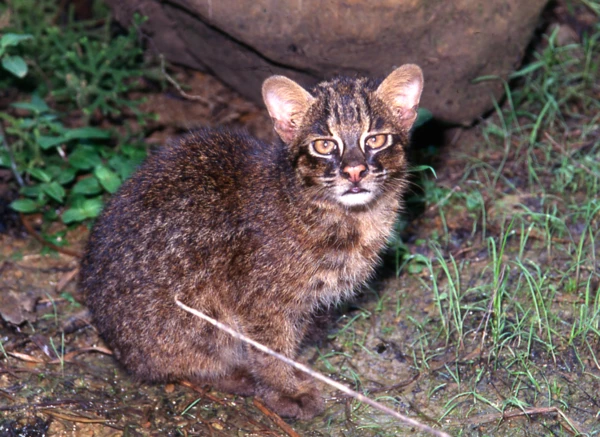
The Iramon cat is considered one of the rarest cat species in the world, with only about 100 individuals remaining in the wild. This small, elusive feline is native to Iramon Island in Japan . It is a subspecies of the leopard cat , with brownish-grey fur featuring dark spots and a short tail. Iramon cats primarily inhabit dense forests and are rarely seen by humans. They face threats from habitat loss and traffic accidents, further complicating their survival.
2. Desert Cat: Desert Ghost
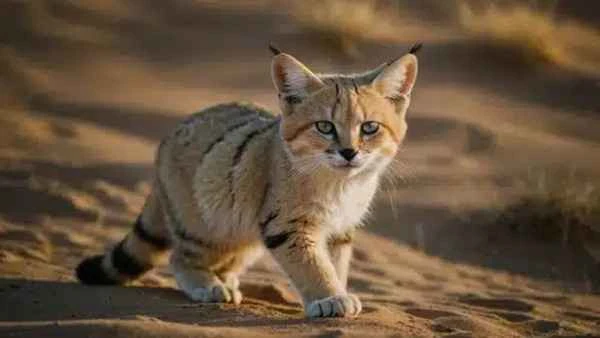
The desert cat is perfectly adapted to the harsh desert environment. Its thick fur effectively protects it from extreme temperatures. Desert cats typically inhabit the deserts of North Africa and West Asia , with their most common distribution areas including Western Sahara and Jabir National Park in Tunisia . Despite their small size, the desert cat is a highly efficient hunter, preying on small rodents, lizards, and birds. Their elusive lifestyle and adaptability make them ghosts of the desert.
3. Chinese Lynx: Highland Hunter
The Chinese lynx is a little-known wild cat species, primarily found in the Tibetan Plateau region. They live in arid and cold environments, mainly inhabiting alpine grasslands and rocky areas. Although they can sometimes be spotted in places like the Ruoergai Grassland , they remain difficult to approach, posing a significant challenge to research and conservation efforts. Due to habitat destruction, their survival is already precarious.
4. Borneo Bay Cats: The Beauty of Borneo
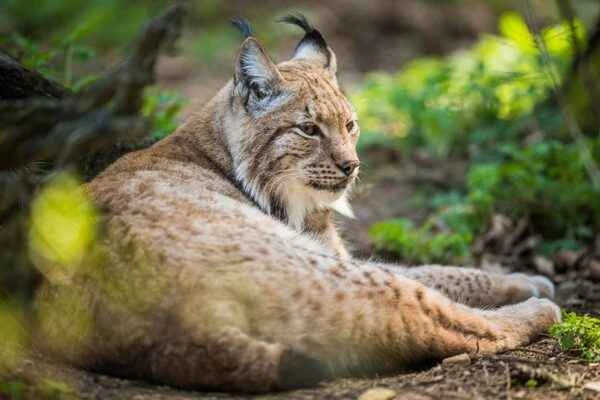
The Bornean Gulf cat is an extremely rare and elusive feline that primarily inhabits the primary forests of Borneo . This elusive cat typically avoids forest trails, making it very difficult for researchers to observe. Its secretive nature, compared to other Bornean felines, makes it a challenging species for scientists. Due to habitat destruction, it faces the threat of extinction.
5. Black-footed Cat: Prairie Ghost
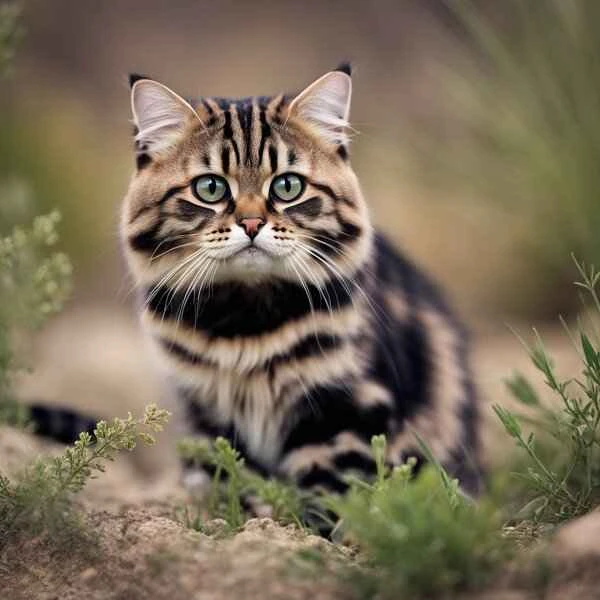
The black-footed cat is the smallest wild cat in Africa , but this doesn't diminish its size; in fact, it's a highly lethal hunter. Each year, they can prey on up to 3,000 rodents. Inhabiting the Northern Cape province of South Africa , the black-footed cat is considered one of Africa's deadliest predators. Despite its small size, it is extremely efficient at hunting, capable of taking down prey larger than itself. Its survival is severely threatened by habitat destruction and poaching.
6. Scottish Wildcat: Highland Tiger
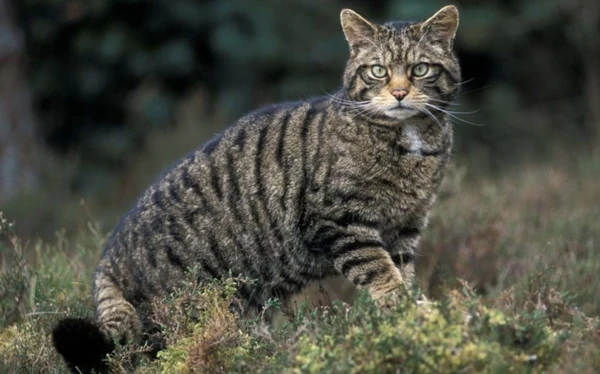
The Scottish wildcat is an endangered species in the UK, with an extremely small remaining population. Primarily found in the Scottish Highlands , they face the risk of extinction due to interbreeding with domestic cats and habitat loss. Research suggests that the Scottish wildcat may already be functionally extinct in the wild. Despite their nickname "Highland tiger," their future is now uncertain.
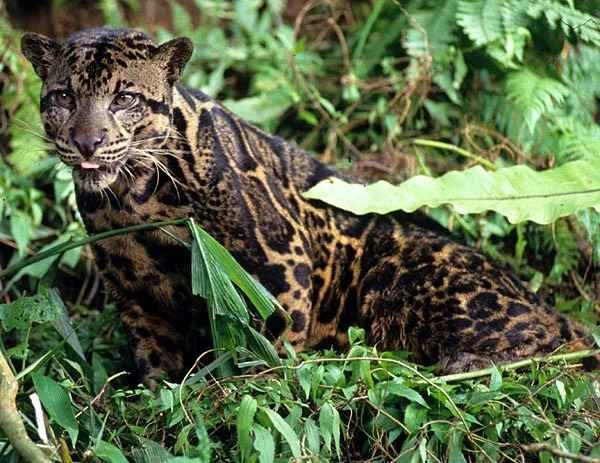
7. Sunda Clouded Leopard: Cloud Climber
The Sunda clouded leopard is a smaller and darker subspecies than the continental clouded leopard, primarily inhabiting the rainforests of Borneo and Sumatra . These felines are extremely agile climbers, typically active in the trees, hunting small monkeys and birds. The Teramark Forest Reserve in Malaysian Borneo is one of the best places to spot these cats. However, due to deforestation, the Sunda clouded leopard faces the threat of habitat loss.
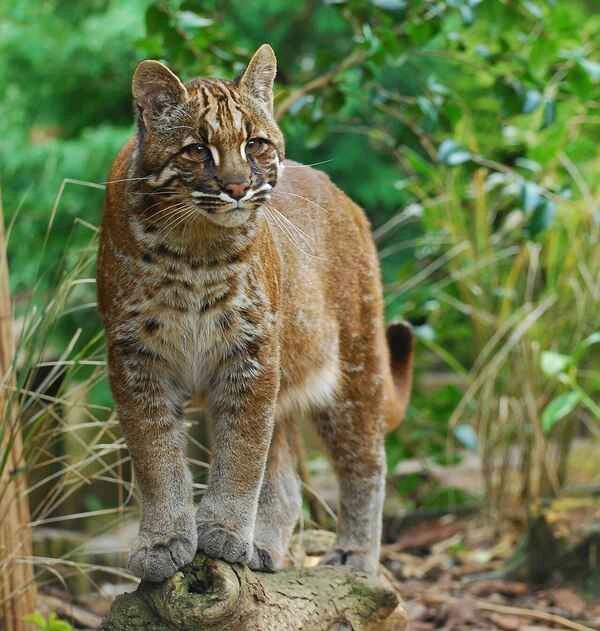
8. Asian Golden Cat: The Golden Hunter
The Asian golden cat is mainly distributed in forest regions from India to Malaysia , adapted to dense forest habitats. Despite its wide distribution, it is rarely seen, with most sightings occurring in places like Indonesia . Although its beautiful golden fur makes it very attractive, poaching and habitat loss threaten its survival.
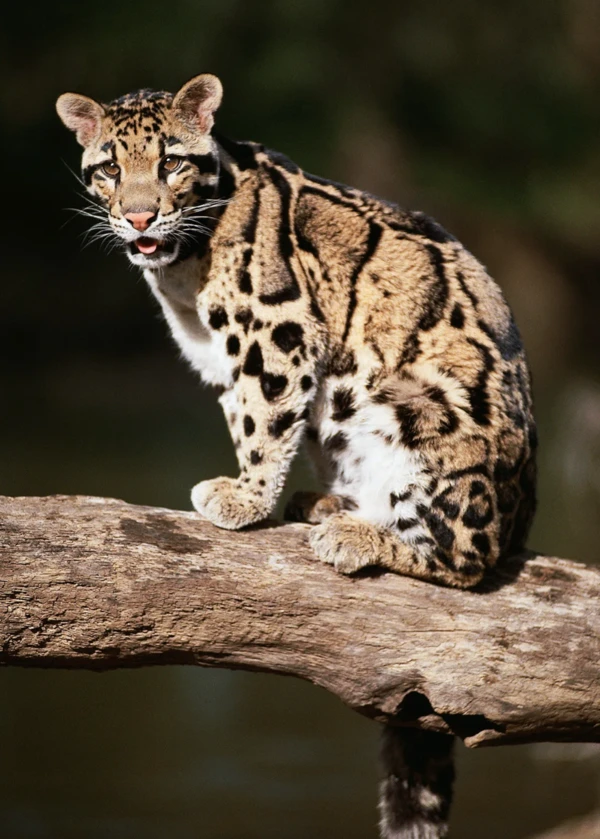
9. Dali Cat: A Tree-Climbing Acrobat
The Dali cat resembles a miniature clouded leopard and is an exceptionally agile climber. They primarily inhabit the dense forests of India , Nepal , and Southeast Asia . Dali cats spend most of their time in trees, making them difficult to spot. Due to their solitary and secretive lifestyle, the Dali cat remains one of the least known felines in Southeast Asia.
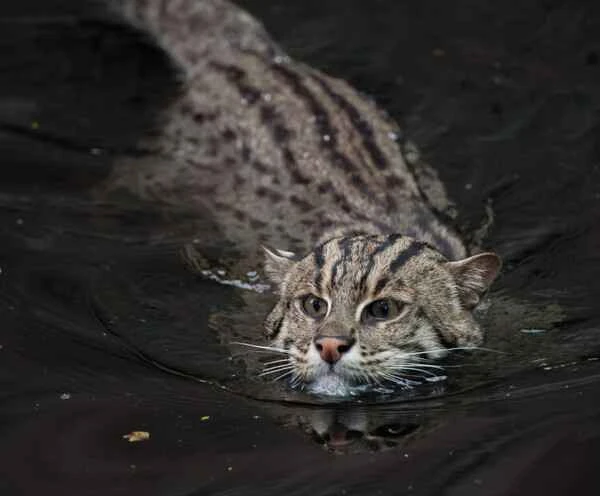
10. Fishing Cat: Wetland Wanderer
The fishing cat is a semi-aquatic feline with excellent swimming abilities and partially webbed feet, allowing it to easily catch aquatic creatures. They primarily inhabit wetlands in South and Southeast Asia, but due to wetland destruction, their survival faces a significant threat, and sightings in the wild are becoming increasingly rare.
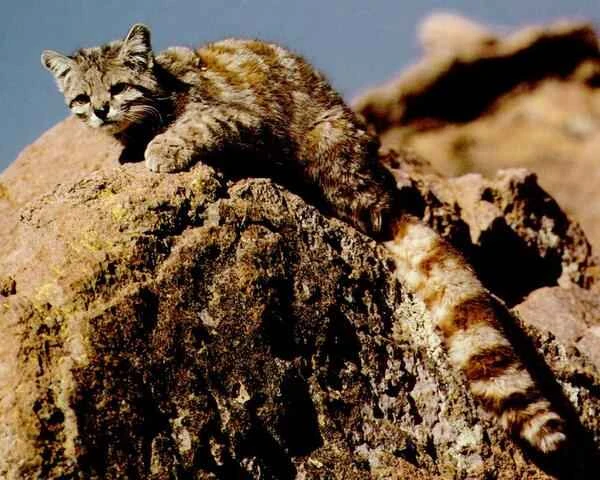
11. Andean Cat: The Mystery of the Andes
The Andean wildcat primarily inhabits the high-altitude regions of the Andes Mountains . Due to its remote habitat and sparse population, this feline remains one of the least known species. They inhabit the cold, high-altitude mountains, preying on small rodents and camels . However, the future of the Andean wildcat is also uncertain due to habitat destruction and climate change.
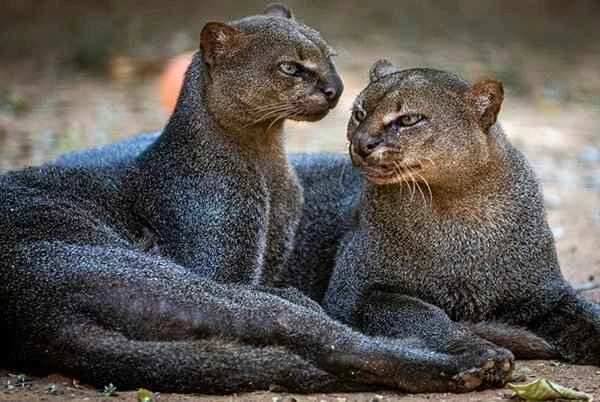
12. Jaguar Cat: Jungle Stalker
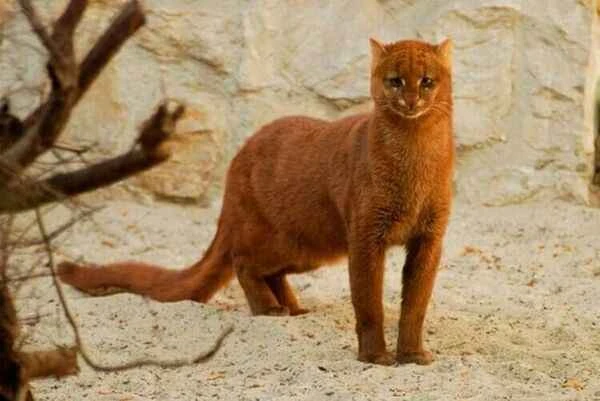
The jaguar cat has an unusual appearance and is often mistaken for a weasel. They once inhabited the bushlands of Texas, USA , but it is unclear whether they still exist in the United States since their last sighting in 1986. These cats typically live in tropical rainforests, where their agility and distinctive appearance make them stealthy hunters.
These rare and mysterious wild cats are just a fraction of the diverse feline species on our planet. Their survival depends on conservation efforts, public awareness of their existence, and the challenges they face. The conservation of every species is our shared responsibility.