The blind hole fish (Proteus anguinus) , also known as the European blind hole fish or rubber fish , is a unique aquatic animal that lives in underground water systems. They are renowned for their extreme adaptation to darkness, a prime example of evolutionary miracles. This article will detail the blind hole fish's habitat, physical characteristics, diet, conservation status, reproduction methods, predators, and the valuable information it provides for scientific research.
Table of contents
Overview of Blind Hole Fish
Habitat and Environment of Blind Hole Fish
Diet and behavior of blind hole fish
Diet and behavior of blind hole fish
Conservation status of blind hole fish
Reproduction methods of blind hole fish
Natural enemies of blind hole fish
The evolutionary mystery of blind hole fish
The Importance of Blind Hole Fish in Scientific Research
Interesting facts about blind hole fish
Summarize
1. Overview of Blind Hole Fish
The blind cave fish (Proteus anguinus) is an aquatic animal that inhabits underground cave systems. They live in underground lakes and rivers in Europe, particularly in some caves in Slovenia , Croatia , and Italy . The most distinctive feature of the blind cave fish is its complete lack of sight, making it a prime example of extreme adaptation to darkness. Their adaptability continues to fascinate countless scientists and nature enthusiasts.
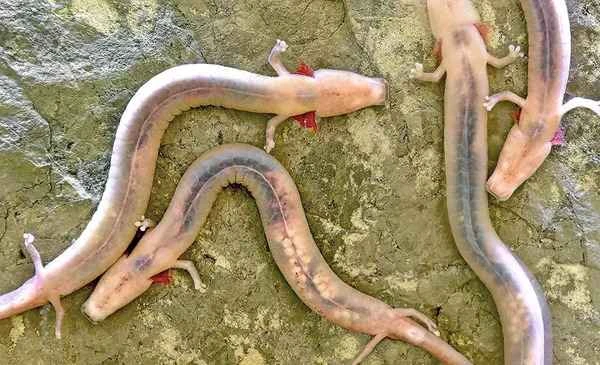
Blind cave fish have extremely low metabolic rates , enabling them to survive for decades in oxygen-deprived, food-scarce cave environments. These adaptations are not merely a necessity for survival, but also an outstanding manifestation of natural selection in specific environments.
2. Habitat and Environment of Blind Hole Fish
Blind hole fish typically inhabit underground water systems within karst landscapes. Karst formations are characterized by underground rivers, springs, and cave lakes, creating complex and extreme environments with little natural light. The waters inhabited by blind hole fish are extremely cold, usually between 8-12°C . Furthermore, the water within the caves is often oxygen-deficient, which would be fatal to most organisms, but blind hole fish have evolved to adapt to this environment.
Low-oxygen environments : Blind hole fish typically inhabit low-oxygen environments, but they possess a low metabolic rate , enabling them to survive in these oxygen-scarce conditions. They adapt to low-oxygen waters by reducing energy expenditure.
Dark environment : Due to the lack of natural light, the habitat of blind hole fish is almost completely dark, which leads to the degeneration of their visual organs.
3. Physical characteristics of the blind hole fish: an evolutionary adaptation to darkness.
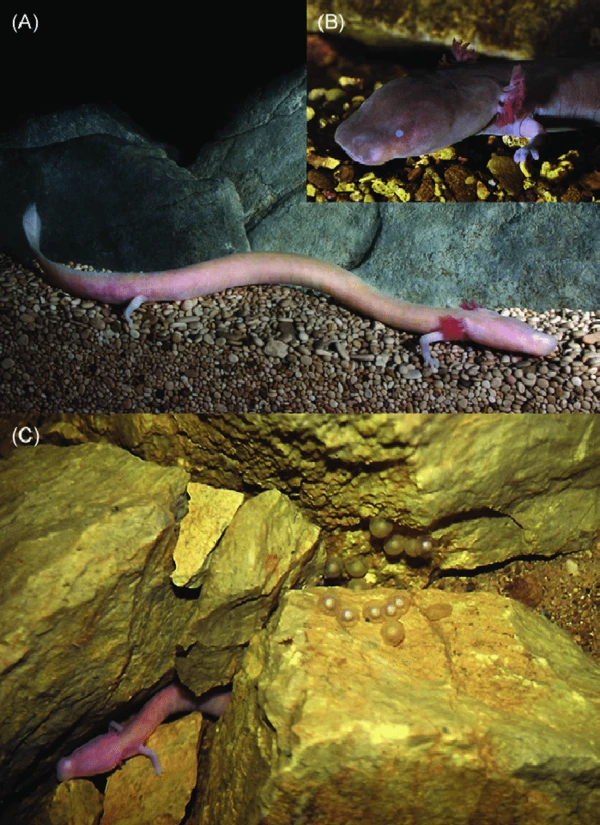
One of the most striking features of blind cave fish is their blindness . This blindness is due to the gradual degeneration of their eyes caused by living in the completely dark environment of caves for extended periods. Although they have lost their sight, they have adapted to cave life through other senses.
Loss of pigment : The bodies of blind hole fish are almost transparent and lack pigment. This is because they do not need pigment to adapt to the dark environment, thus conserving energy.
Highly developed sense of smell and touch : Despite being blind, blind hole fish perceive their surroundings through smell , taste , and touch . They have a very strong chemoreceptive ability, enabling them to locate food by smell and taste.
Body structure : The blind hole fish has a very slender body, adapted for swimming in narrow caves. Its relatively long tail and limbs help it navigate nimbly through complex underground waterways.
4. Diet and Behavior of Blind Hole Fish
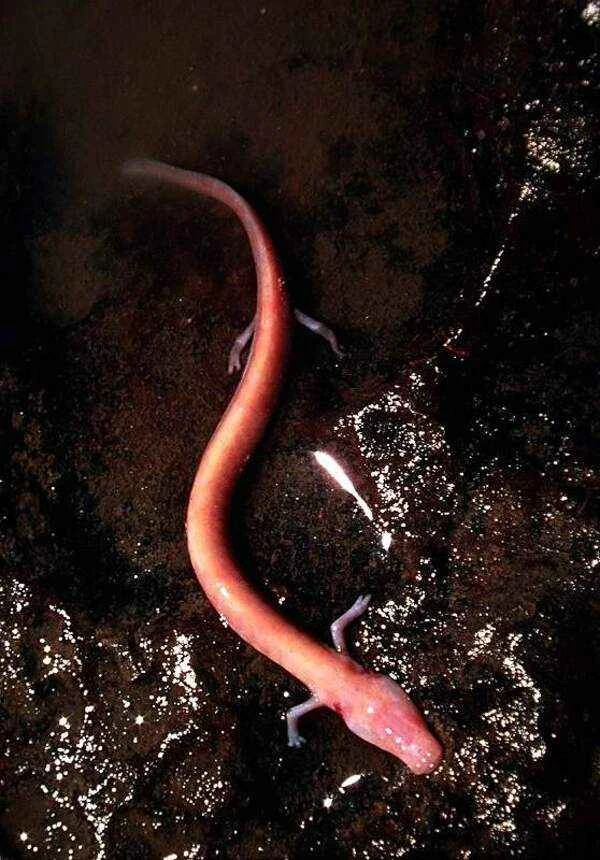
Blind hole fish are typical carnivorous animals , whose diet mainly consists of small aquatic organisms such as crustaceans , insects , and worms . Due to the scarcity of food in their habitat, blind hole fish have an extremely low metabolic rate , allowing them to go for long periods without eating.
Foraging methods : Blind hole fish cannot rely on sight to find food, but instead rely on their sense of smell and chemometry to locate it. They can also sense the presence of prey through vibrations in the water, enabling them to hunt effectively in the dark.
Low metabolic rate : Due to the scarcity of food in the cave environment, blind cave fish maintain their survival by reducing energy consumption. They can survive for months or even longer without food.
5. Current Status of Conservation of Blind Hole Fish
The blind hole fish is listed as an endangered species by the International Union for Conservation of Nature (IUCN) , and its habitat faces serious threats. The main threats include:
Habitat destruction : Mining, tourism and industrial wastewater pollution can all threaten the ecological environment of cave water systems.
Water pollution : Agricultural emissions and water pollution also affect the survival of blind hole fish.
Overexploitation : Blind hole fish are caught for scientific research or as pets due to their unique characteristics, which puts pressure on their population.
Currently, many regions around the world are taking measures to protect the habitat of blind hole fish, including establishing protected areas and strictly controlling tourism development and pollution emissions.
6. Reproduction methods of blind hole fish
Blind hole fish have a relatively simple breeding method, but due to their unique habitat, their breeding season is usually limited. They typically breed in spring and summer , but not as frequently as many other fish.
Oviparous : Blind hole fish are oviparous animals; female blind hole fish lay their eggs in the water. Each spawning session typically produces a small number of eggs, usually between 10 and 50 .
Reproduction : Males fertilize female eggs by releasing sperm. In low-oxygen waters , the fertilized eggs hatch into fry, which are also blind when they first hatch, gradually growing and adapting to their environment.
The short breeding season and low egg production result in a relatively slow population growth rate for blind hole fish, further exacerbating their risk of endangerment.
7. Natural enemies of blind hole fish
Although the blind hole fish have a relatively enclosed habitat, they still have some natural enemies, mainly other predators from the cave water system.
Aquatic predators : Some large aquatic invertebrates, such as hydras , and some aquatic fish may prey on juvenile or adult blind hole fish.
Natural competitors in caves : Blind hole fish compete with other aquatic organisms that inhabit the same environment for limited resources, which may put some pressure on their survival.
However, since blind hole fish live in a relatively enclosed environment, they have few natural predators, and their main threats come from environmental changes and habitat destruction.
8. The Evolutionary Mysteries of Blind Hole Fish
Blind hole fish are an evolutionary marvel , demonstrating how species can adapt to survive in extreme environments. Studying the evolutionary history of blind hole fish is crucial for understanding how life develops in different environments. Their blindness, low metabolism, and exceptional chemosensory abilities are all the result of natural selection over a long period.
9. The Importance of Blind Hole Fish in Scientific Research
Blind hole fish offer scientists opportunities to study biological adaptation , genetic variation , and regenerative medicine . Their unique evolutionary processes and physiological characteristics make them an important subject of study for biologists and medical researchers .
Genetic research : Studying how blind hole fish adapt to dark environments helps scientists understand how heredity shapes species characteristics.
Regenerative medicine : The regenerative abilities of blind hole fish make them of great value in the field of regenerative medicine , and scientists are studying how they repair damaged organs and tissues.
10. Interesting facts about blind hole fish
Longest lifespan : Blind hole fish can live up to 100 years , far exceeding the lifespan of most fish.
The absence of eyes does not mean the absence of vision : Although blind hole fish have lost their sight, their other senses are highly developed, and they can perceive their surroundings through touch and smell .

11. Summary
The blind hole fish (Proteus anguinus) is an extremely unique species, representing the adaptability of life to extreme environments. Its physiological characteristics, evolutionary adaptations, and low metabolic rate have enabled it to survive in underground waters for hundreds of thousands of years. Nevertheless, the blind hole fish's habitat is facing serious threats, and its conservation remains a long and arduous task.
By studying blind hole fish, scientists can not only better understand biological evolution and adaptation, but also advance research in fields such as genetics and regenerative medicine . Therefore, protecting blind hole fish and their unique habitats is of great significance for maintaining biodiversity and promoting scientific progress.