The Black Thrush (Turdus merula), a representative of the thrush family, is not only beautiful in appearance and melodious in song, but also widely distributed. In fact, "Black Thrush" does not refer to a single species, but rather includes many different types of thrushes. They are commonly found in forests, wetlands, grasslands, and even urban parks, playing an important role in the ecosystem. This article will introduce 10 common Black Thrushes and their close relatives, helping you to scientifically identify these birds and providing comprehensive information for birdwatching enthusiasts and nature lovers.
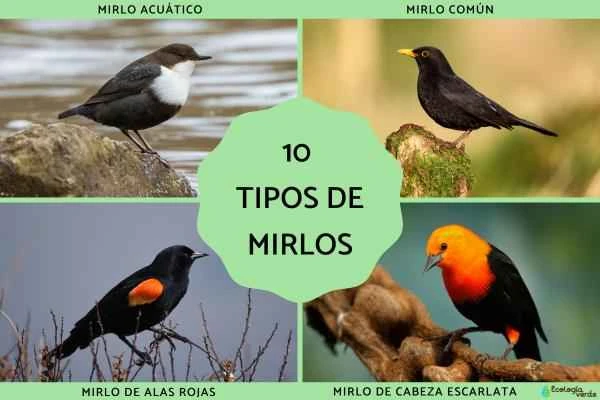
Black Thrush Species Catalog
Water Thrush (Cinclus cinclus)
White-ringed Thrush (Turdus torquatus)
Black Thrush (Turdus merula)
Red-shouldered Black Thrush (Agelaius assimilis)
Red-winged Black Thrush (Agelaius phoeniceus)
Tricolor Black Thrush (Agelaius tricolor)
Monochrome Black Thrush (Agelasticus cyanopus)
Yellow-winged Black Thrush (Agelasticus thilius)
Red-headed Black Thrush (Amblyramphus holosericeus)
Mountain Thrush (Dives warszewiczi)
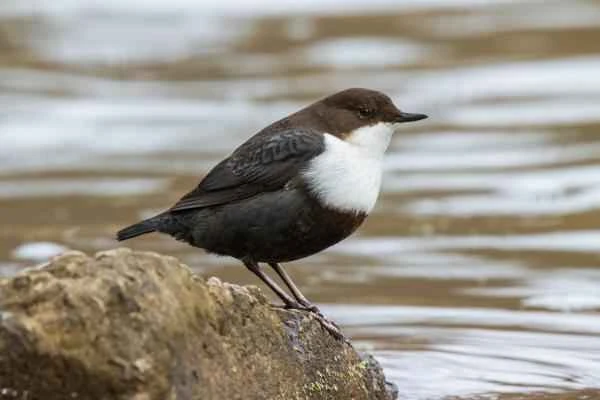
1. Water Thrush (Cinclus cinclus)
Water thrushes are typical mountain stream birds, preferring to forage in clear, fast-flowing rivers. They are dark brown overall, with a prominent white patch on their chest and white markings on their eyelids. Water thrushes feed on aquatic insects and are adept at diving for food. Their breeding season is mostly from March to April, and they typically nest in rock crevices or under rocks. Due to water pollution and river alteration, the water thrush's habitat is threatened.
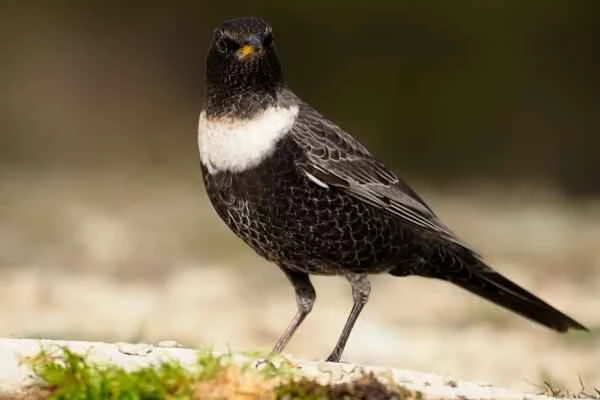
2. White-ringed Thrush (Turdus torquatus)
The White-ringed Thrush is mainly distributed in the mountains of north-central Europe and North Africa. The male is entirely black with a prominent white collar on its breast, while the female is paler and has a less noticeable collar. They prefer shrublands and alpine meadows, feeding on insects, worms, and various berries. Their breeding season is from May to July, and they typically nest among shrubs or rocks. Due to habitat loss and climate change, the species' population is declining.
3. Black Thrush (Turdus merula)
The Black-winged Thrush is one of the most widely distributed thrushes, found throughout Europe, North Africa, West Asia, and Xinjiang and Tibet in China. The male has jet-black plumage with a bright yellow beak and eye-ring, while the female is brown. Black-winged Thrushes are highly adaptable and commonly found in forests, parks, and gardens. Their diet consists mainly of insects, worms, and fruits. The breeding season is from March to July, with each clutch containing 3-5 eggs. They are a common bird in urban areas.
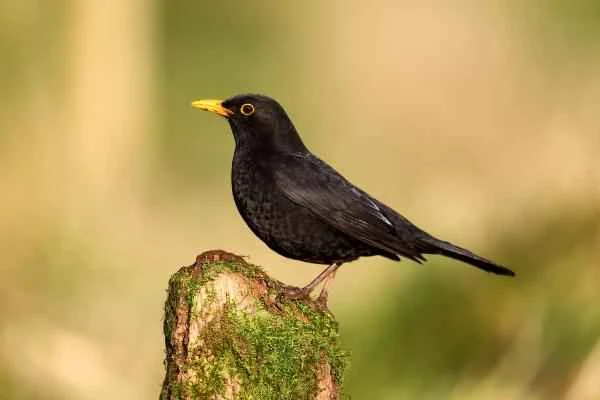
4. Red-shouldered Black Thrush (Agelaius assimilis)
The Red-shouldered Blackthrush is endemic to Cuba and is commonly found in wetlands and marshes. The male has red and yellow patches on its wings, while the female is entirely black. They feed on insects and seeds, nest in aquatic vegetation, and are predominantly monogamous.
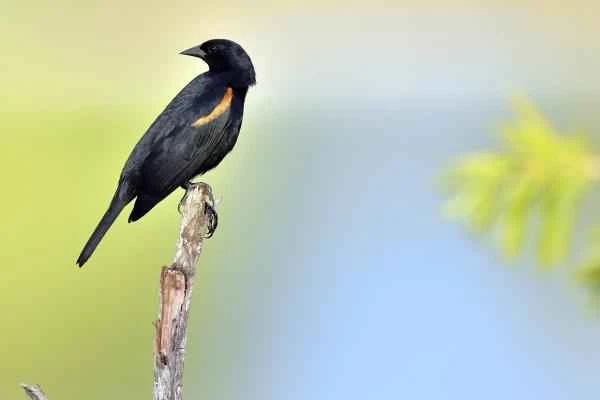
5. Red-winged Black Thrush (Agelaius phoeniceus)
The Red-winged Blackthrush is widely distributed in North America, from Alaska to Central America. The male has glossy black plumage with red patches and yellow stripes on its wingtips, while the female is brown with pale markings. It primarily inhabits wetlands, but is also commonly found in farmland and grasslands. It feeds on insects and seeds, and during the breeding season, the male actively defends its territory.
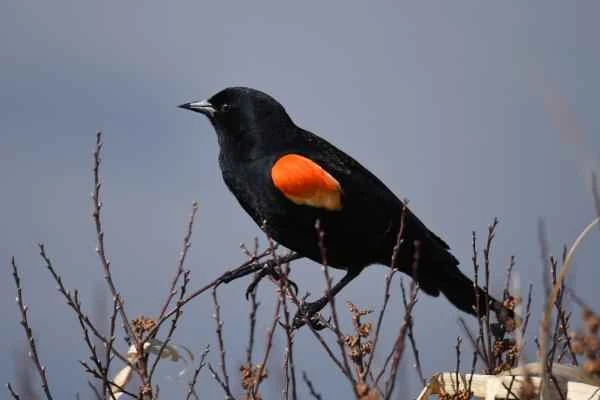
6. Tricolor Black Thrush (Agelaius tricolor)
The Tricolor Black Thrush is mainly distributed in California, Oregon, and Baja California. The male has black plumage with bright red and white shoulder patches, while the female is brown. They are commonly found in freshwater marshes and farmlands, feeding mainly on insects and grains. They breed in groups and migrate in winter.
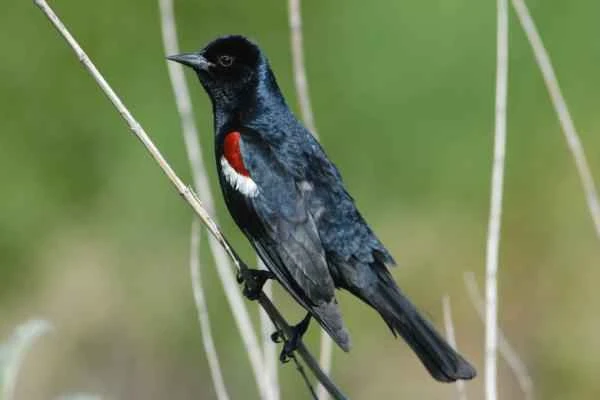
7. Monochrome Black Thrush (Agelasticus cyanopus)
The Monochrome Black Thrush is found in the wetlands of Argentina, Bolivia, Brazil, and Paraguay in South America. The male is entirely black, while the female's plumage ranges from olive green to brown. They primarily inhabit reed beds and aquatic vegetation areas, feeding mainly on insects and plant seeds, and are often found in pairs or small groups.
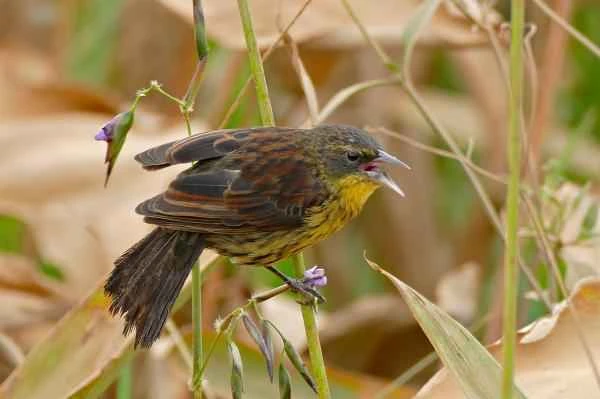
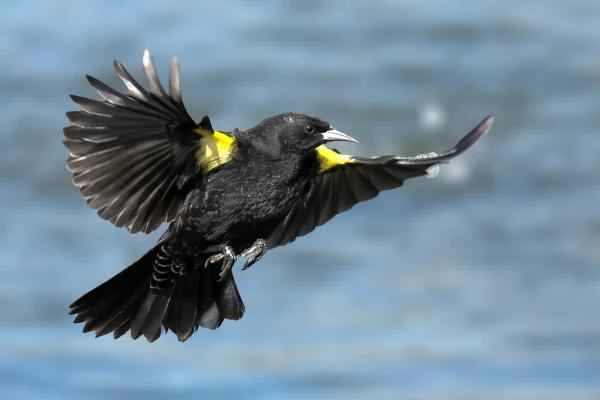
8. Yellow-winged Black Thrush (Agelasticus thilius)
The Yellow-winged Black Thrush is mainly distributed in swamps, wetlands, and grasslands in many South American countries. The male has black plumage with bright yellow patches on its shoulders, while the female is brown with black stripes. They feed on insects and seeds and breed in tall grass along the banks of water bodies.
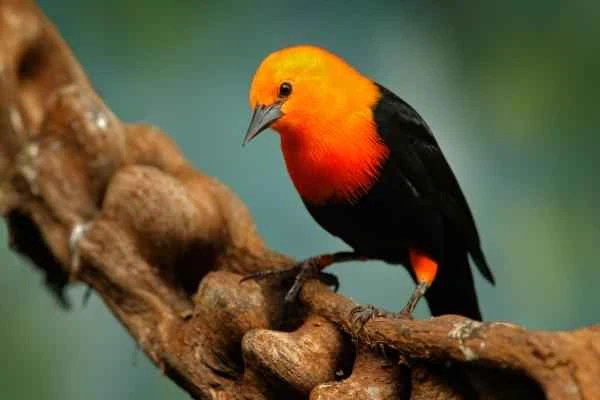
9. Red-headed Black Thrush (Amblyramphus holosericeus)
The Red-headed Blackthrush is found in wetlands of Brazil, Paraguay, Uruguay, and Argentina. The male is about 24 cm long, entirely black with a bright reddish-orange head, chest, and thighs. It feeds mainly on fruits, seeds, and insects and is typically monogamous.
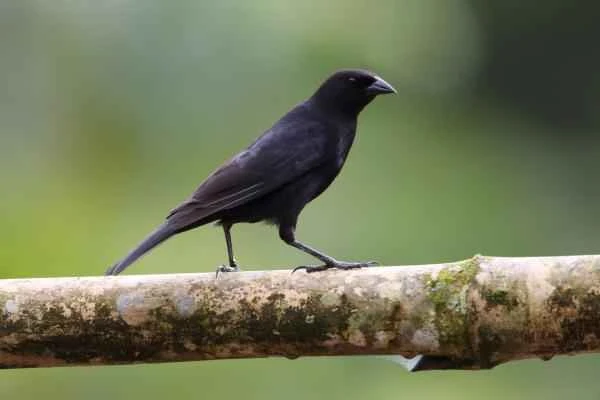
10. Dives warszewiczi
The Mountain Thrush is found in the lowlands and Andean valleys of western Ecuador, western Peru, and southwestern Colombia. Its plumage is predominantly black, with the male exhibiting a blue metallic sheen. They prefer semi-open, shrub-covered environments and have a loud, clear call.
Ecological value and conservation status of thrushes
Blackthrushes and their relatives not only effectively control pests but also disperse plant seeds and promote ecosystem health. Due to environmental pollution, urban sprawl, and wetland loss, many thrush species face survival pressures, prompting calls for public attention and protection.
Conclusion <br />Black thrushes are diverse and widely distributed, making them an indispensable introductory species for observing and understanding thrushes. We hope this article helps you scientifically identify various thrushes and raises awareness of ecological conservation. For more bird knowledge, please continue to follow our nature science column!
References
Silver, T. 2025. 23 Species of Blackbirds: A Comprehensive Guide to the Blackbird Family. https://avibirds.com/blackbirds-icteridae/
Spanish Ministry of Ecological Transition and Population Challenges. *Atlas of Breeding Birds in Spain*. https://www.miteco.gob.es/es/biodiversidad/temas/inventarios-nacionales/inventario-especies-terrestres/inventario-nacional-de-biodiversidad/ieet_aves_atlas_indice_comun_m.html