Reptiles often evoke a sense of mystery and even fear in people's minds—sharp teeth, forked tongues, and scaly skin can be quite frightening. However, reptiles were once the dominant species on Earth, and although their numbers and diversity have dwindled, they remain among the most interesting and wondrous creatures in nature. Today, we'll introduce you to 10 surprising facts about reptiles that will change your perception of them!
1. The ancestors of reptiles were actually amphibians.
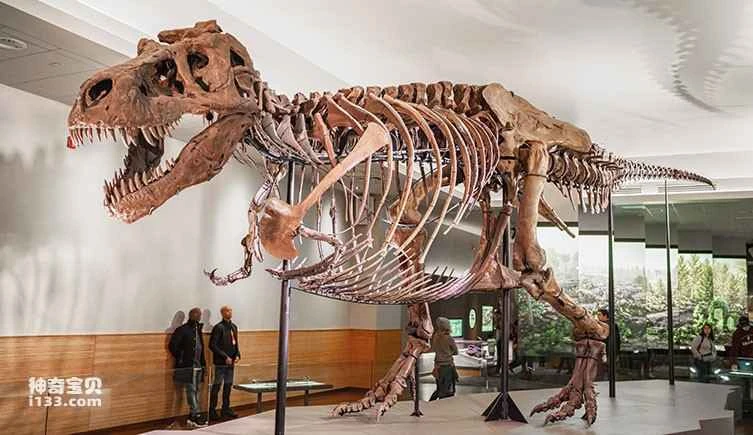
More than 300 million years ago, fish evolved into tetrapods, tetrapods into amphibians, and amphibians into reptiles. Interestingly, about 200 million years ago, some reptiles evolved into mammals, while others evolved into dinosaurs, and dinosaurs further gave rise to birds. Reptiles occupy a "middle position" in this evolutionary chain, which may explain their relative scarcity today.

2. Modern reptiles are mainly divided into four categories.
Today, reptiles are mainly divided into turtles and tortoises (shelled, slow-metabolizing), scaly reptiles (lizards and snakes, capable of molting and with extremely large mouths), crocodilians (closest relatives to modern birds and dinosaurs), and the unique reptiles endemic to New Zealand—the Tuatara. Pterosaurs, once the rulers of the skies, and marine reptiles, who dominated the oceans, went extinct 65 million years ago along with the dinosaurs.
3. Reptiles are cold-blooded animals.
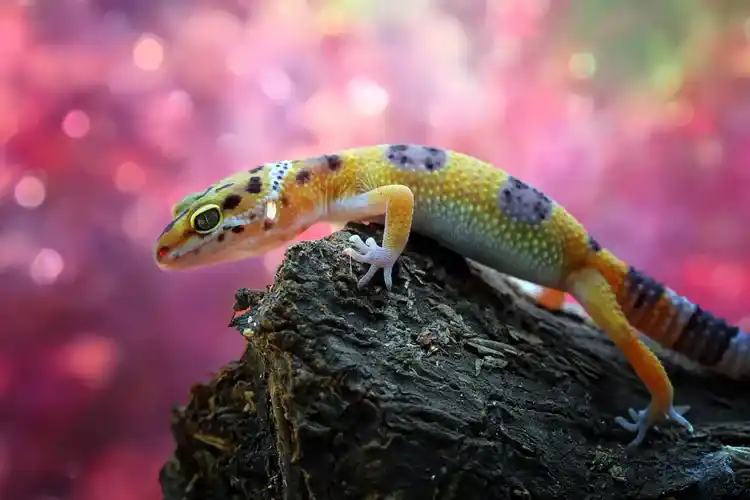
Unlike birds and mammals, reptiles rely on their external environment to regulate their body temperature. Snakes and crocodiles often bask in the sun to "recharge" and become very sluggish at night. This "cold-blooded" nature allows them to eat less than mammals and birds of similar size, but it also limits their ability to sustain high-intensity activity.
4. Reptiles all have scaly skin.
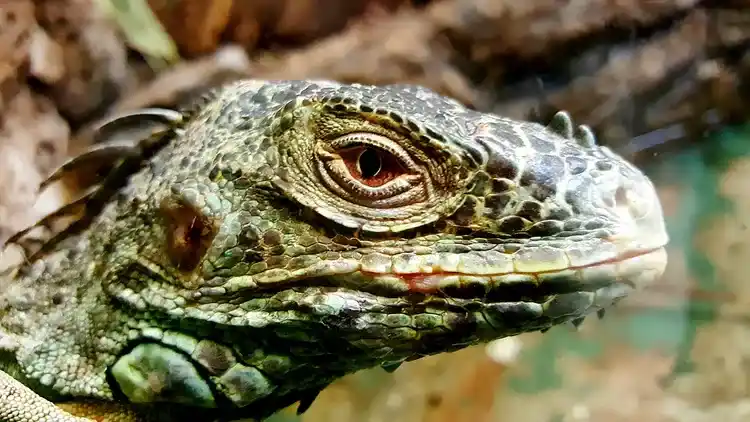
The scales of reptiles not only give them their unique appearance but also represent a significant evolutionary breakthrough. This protective layer allowed vertebrates to, for the first time, stay away from water and avoid drying out. Snakes typically shed their entire skin, while other reptiles molt slowly, changing their scales gradually. Although tough, reptile skin is relatively thin, so snakeskin is often used for decoration rather than as durable leather.
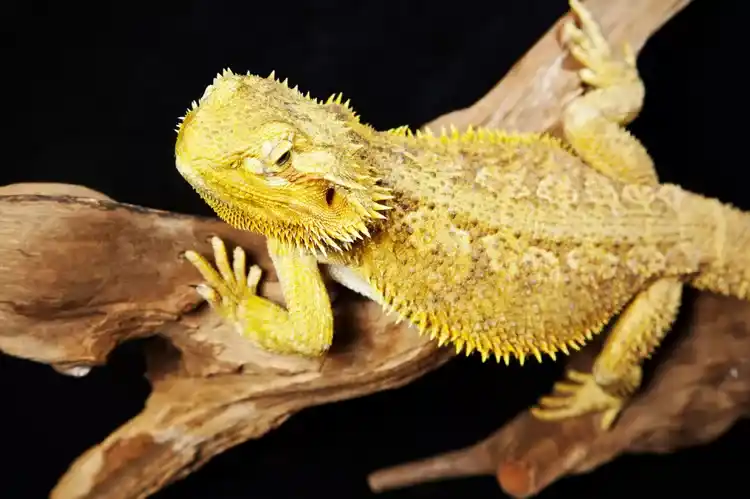
5. Herbivorous reptiles are extremely rare.
During the Mesozoic Era, many giant dinosaurs were herbivores, but among extant reptiles, only turtles and iguanas are truly herbivores; other crocodiles, snakes, lizards, and tuatara are carnivores. Interestingly, some marine reptiles swallow small stones to aid in diving, increasing their body weight.

6. Most reptiles have a three-chambered heart.
Snakes, lizards, and turtles have three-chambered hearts, an improvement over the two-chambered hearts of fish and amphibians, but still less efficient than the four-chambered hearts of birds and mammals. The three-chambered heart results in a mixture of oxygenated and unoxygenated blood, leading to lower oxygen delivery efficiency. Crocodiles, on the other hand, possess four-chambered hearts, giving them a higher metabolic rate when hunting.
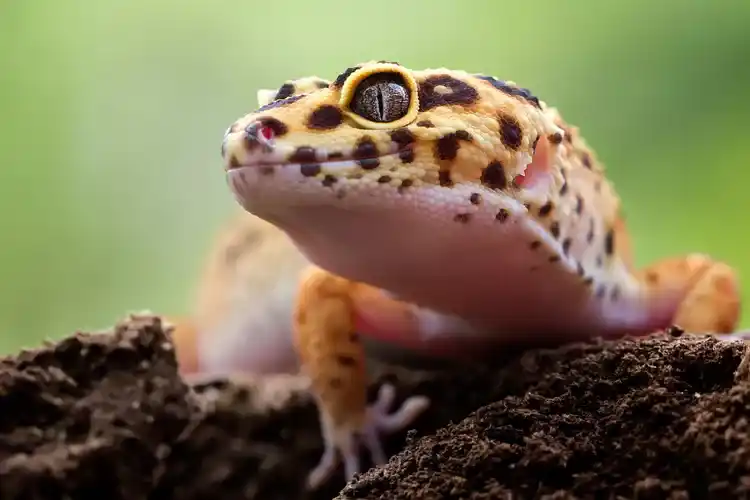
7. Reptiles are not highly intelligent.
Overall, reptiles are only slightly more intelligent than fish and amphibians, comparable to birds, but far less intelligent than most mammals. Their brains are generally only one-tenth the size of those of mice, cats, and hedgehogs. However, crocodiles are an exception; they possess certain social skills that have allowed them to survive to this day.
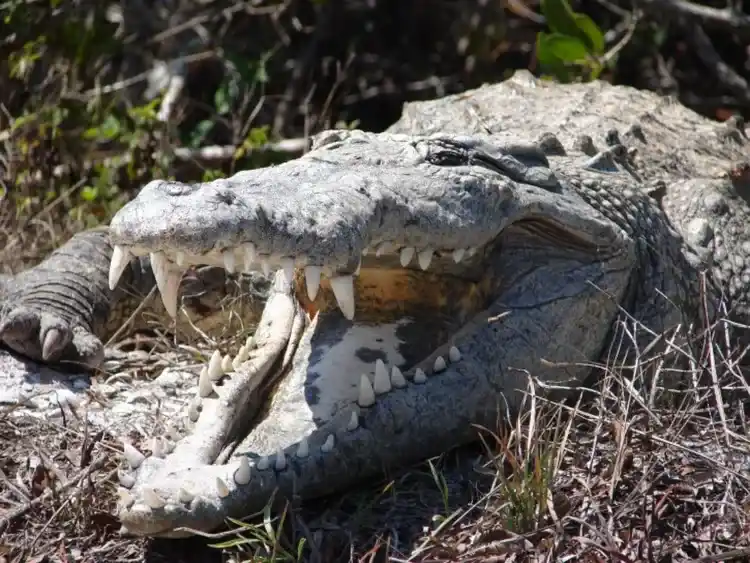
8. Reptiles were the earliest amniotes.
The ability of amniotes to lay eggs or raise offspring on land was a crucial step in the history of life's evolution. Amphibians, on the other hand, had to lay their eggs in water, limiting their expansion onto land. Reptiles, acting as a "bridge" between fish and mammals, were the first to achieve fully terrestrial reproduction.

9. In some reptiles, sex is determined by temperature.
Temperature-dependent sex determination (TSD) is a unique phenomenon in reptiles—during embryonic development, the ambient temperature outside the egg determines whether the offspring will be male or female. Its specific adaptive significance is unclear; it may be an evolutionary legacy or contribute to population balance at certain life stages.
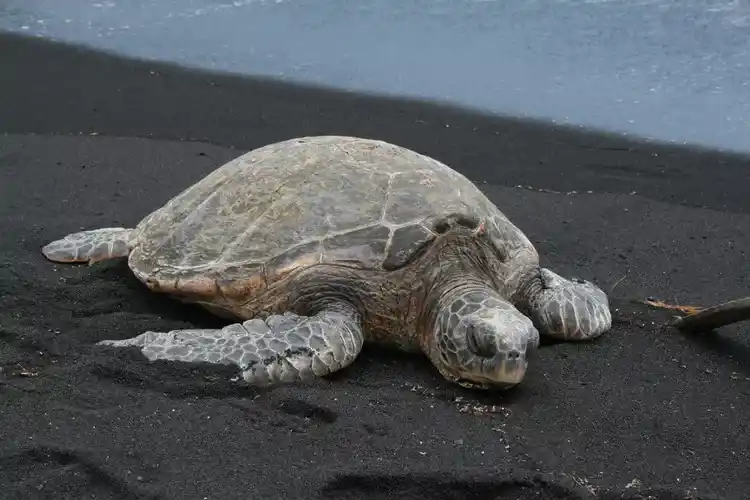
10. Classify reptiles according to the number of holes in their skulls.
The evolution of reptiles can also be classified by the number of openings in their skulls: turtles have no openings (anapyrs), ancient mammals have one opening (monothyrsins), while most reptiles, such as dinosaurs and pterosaurs, have two openings (diapyrs). This classification is also of great significance to the study of the origin of mammals.

Reptiles, though often misunderstood and overlooked, have a long and fascinating evolutionary history, serving as an important window into understanding the evolution of life. Want to know more about the fascinating facts and scientific knowledge surrounding reptiles? Join us as we explore the wonderful world of these mysterious creatures!