Among land animals, there is a very special group of mammals that do not walk on their entire feet, but rather support their entire bodies with hooves on the tips of their toes—these are ungulates. Do you know which animals belong to the ungulate class? What are their unique characteristics? This article will take you through a detailed understanding of what ungulates are and introduce 10 representative ungulates, along with their habits, morphological characteristics, and ecological value.
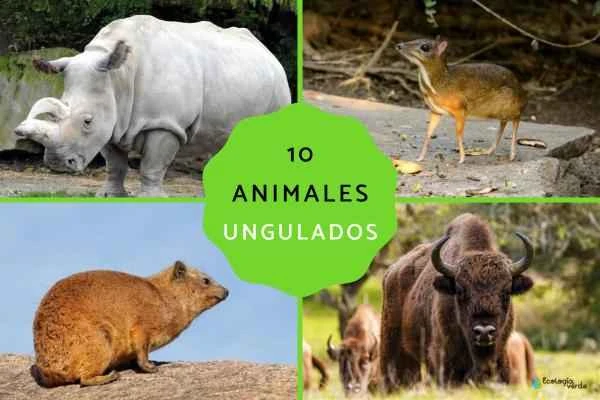
What are ungulates? What are the main characteristics of ungulates?
Ungulata are a large group of mammals that primarily walk on their hooves. Most have long limbs and do not walk with their entire foot on the ground; instead, they support their weight using only the hard hooves at the tips of their toes. The hooves are hard tissues made of keratin, which help them walk and run in various complex terrains.
The main features are as follows:
Hoof structure : The toes are covered by a hard hoof shell; some species have split toes, while others have a single hoof.
No sharp claws : Unlike many mammals, ungulates lack sharp claws.
Unique gait : The body is supported by the tip of the hoof or the split toes, which is suitable for running, long-distance migration and carrying heavy loads.
Most are herbivorous : The vast majority of ungulates feed on grass, leaves, fruits, etc., but there are also omnivorous species.
Different numbers of toes : divided into odd-toed ungulates (such as horses, rhinoceroses, and tapirs) and even-toed ungulates (such as cattle, deer, camels, and pigs).
10 typical ungulates and examples
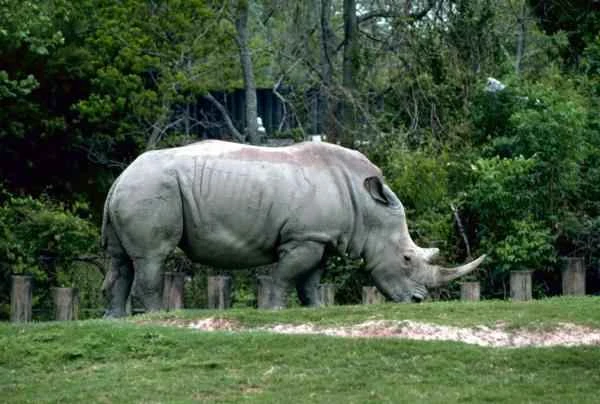
1. White rhinoceros (Ceratotherium simum)
The white rhinoceros is one of the largest ungulates in the world. Each foot has three robust toes, with the middle toe being the most developed and crucial for supporting its weight. The lateral toes are responsible for balance and adaptation to soft ground. Belonging to the odd-toed ungulates, it is adapted to habitats such as grasslands and savannas.
2. Domestic Horse (Equus ferus caballus)
Horses are the most typical example of odd-toed ungulates, with all their toes degenerated, leaving only one well-developed hoof in the middle, forming a thick, heavy hoof. Horse hooves are extremely sturdy, suitable for long-distance running and heavy-duty transport.

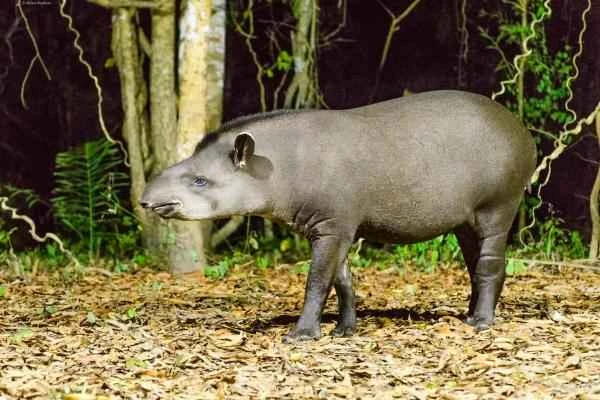
3. South American tapir (Tapirus terrestris)
The South American tapir belongs to the odd-toed ungulates, with four toes on its forelimbs and three toes on its hind limbs, each toe ending in a small hoof. The large distance between its toes allows it to walk steadily in mud and wetlands. Its diet consists mainly of tender leaves and fruits.
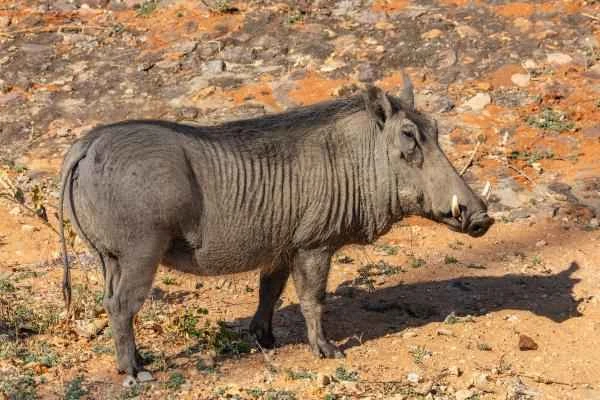
4. Common warthog (Phacochoerus africanus)
The common warthog is a common even-toed ungulate mammal in Africa. Each foot has four toes, with the two inner toes being larger and bearing weight, while the two outer toes are smaller. Their hooves are hard and continuously growing, and they are primarily omnivorous.
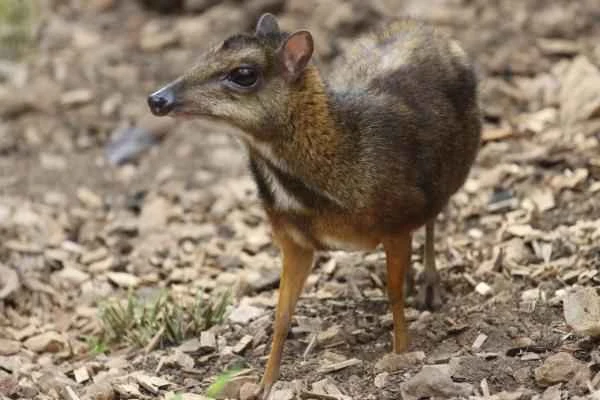
5. Javan mouse deer (Tragulus javanicus)
The mouse deer is the smallest member of the even-toed ungulates, with four toes, no antlers, and males possess long canines. Standing only 20-25 centimeters tall, it is the smallest extant ungulate mammal.
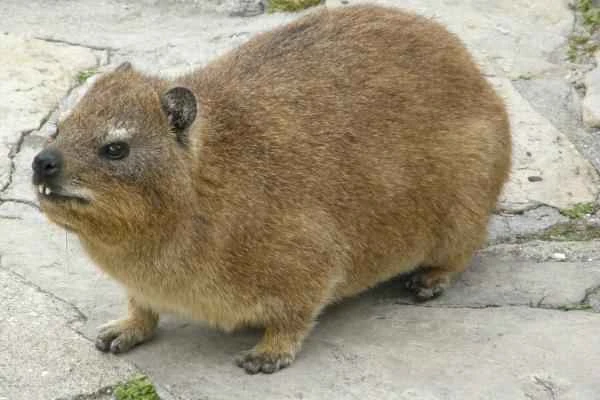
6. Cape hyrax (Procavia capensis)
Hyraxes resemble rodents in appearance, but are more closely related to elephants and manatees. They have four toes on their forefeet and three on their hind feet, with flat and wide hooves and moist, sticky pads that help them climb on rock surfaces.
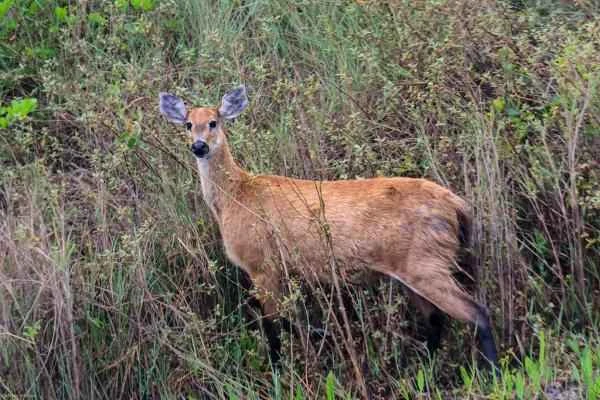
7. Swamp deer (Blastocerus dichotomus)
The swamp deer is the largest deer species in South America, with four separate toes and well-developed webbed feet, allowing it to walk steadily in swamps and wetlands. It is an even-toed ungulate that primarily feeds on aquatic plants.
8. American pronghorn (Antilocapra americana)
Also known as the American antelope, it is the fastest hoofed mammal in North America, reaching speeds of up to 100 kilometers per hour. It has only two central toes, no lateral toes, and uniquely shaped horns.

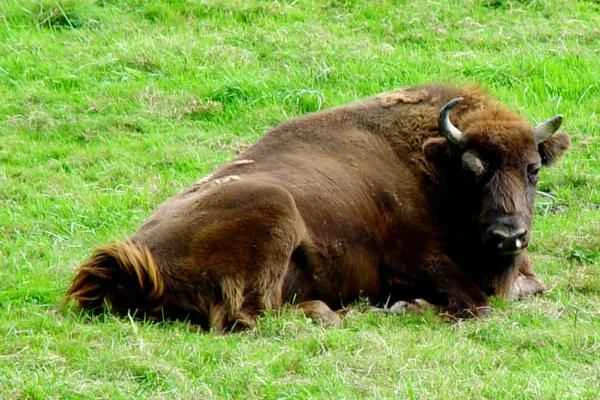
9. Bison bison
American bison are even-toed ungulates with separate toes, enabling them to run extremely fast. Large in size and possessing great endurance, they play a vital ecological role in the North American grasslands.
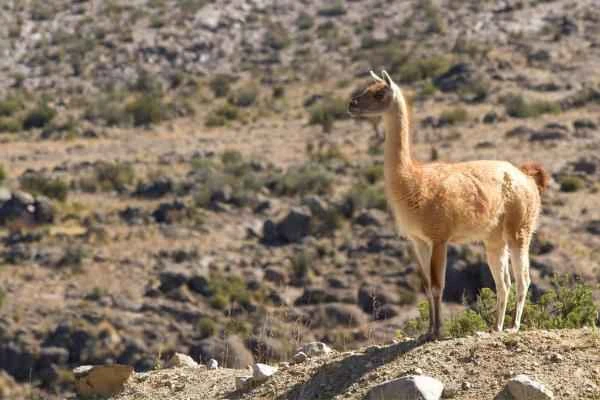
10. Loggerhead (Lama guanicoe)
The guanacus, belonging to the camel family (Camelidae) and even-toed ungulates, is a representative animal of the South American highlands. It has two toes on both its fore and hind feet, with small hooves at the tips of the toes, and soft pads on the soles of its feet, making it adapted to rocky and gravelly terrain.
Ecological value and conservation significance of ungulates
Ungulates are vital members of many ecosystems, serving as herbivores, controlling plant communities, and providing food for large carnivores. Some ungulates, such as rhinoceroses, wild asses, and pronghorn antelopes, are now rare and endangered species, requiring collective human protection.
Conclusion <br />Understanding the diversity and ecological functions of ungulates not only helps us appreciate the wonders of nature but also raises public awareness of conservation. If you'd like to learn more interesting animal science facts, please visit our website for the latest wildlife information!