In the animal kingdom, some creatures are known for their astonishing speed, while others are famous for their slow pace. If you've ever wondered about the "world's slowest animal," you'll definitely be interested in these slow-moving creatures! From jungles to oceans, the slowest animals have evolved unique survival skills. Let's take a closer look at the slowest animals on Earth.
The slowest land animal: the sloth
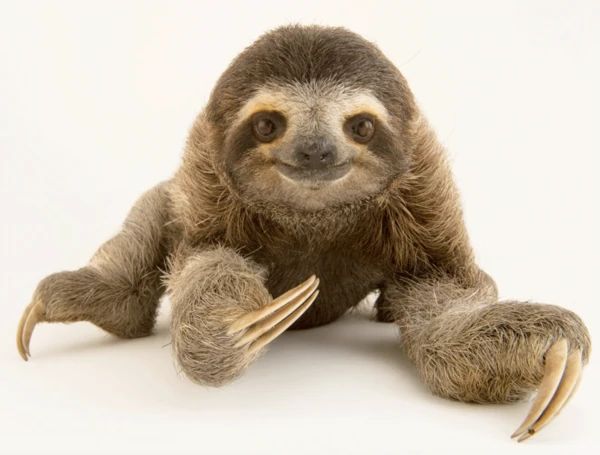
Sloths are undoubtedly the slowest land animals. Living in Central and South America, they are known for their slow pace. Sloths typically move at only 0.05 kilometers per hour (0.03 miles per hour). Despite their seemingly sluggish movements, this slowness is perfectly suited to their lifestyle. Sloths spend most of their time in trees, resting upside down, and their slow movements help them avoid predators like jaguars and eagles. Although they are among the slowest animals, sloths are perfectly adapted to their environment.
The slowest animal in the ocean: the sea turtle
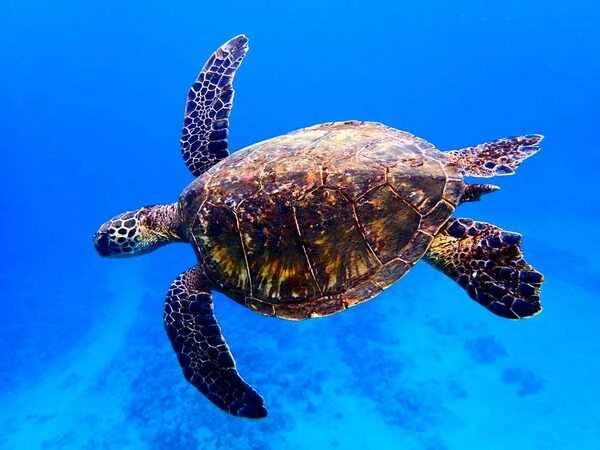
Sea turtles are a prime example of slow-moving aquatic animals. As one of the slowest animals, they typically travel at only 3.2 kilometers per hour (2 miles). While far slower than many fish, sea turtles are able to traverse vast oceans. Their slow movement allows them to conserve energy for extended periods, crucial for their survival in the ocean. Although sea turtles are among the slowest animals, their existence on Earth for millions of years proves that slowness can be a successful survival strategy.
The slowest marine animal: jellyfish
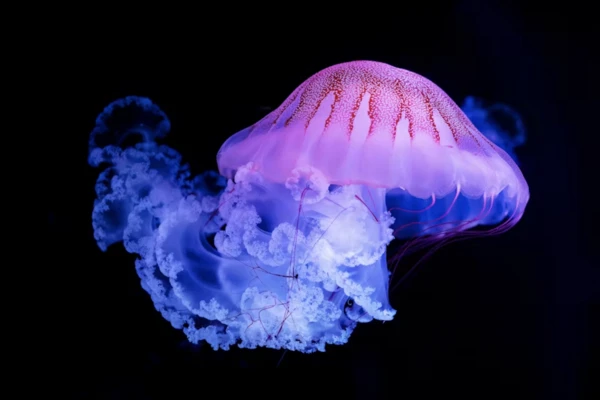
You might not believe it, but jellyfish are among the slowest animals in the ocean. While they can occasionally accelerate by contracting their bell-shaped bodies, they mostly drift using the propulsion of water currents. Most jellyfish travel at a speed of about 0.032 kilometers per hour (0.02 miles per hour), making them one of the slowest animals in the ocean. Their slow movement is suited to their feeding methods; jellyfish passively capture plankton and small fish using their tentacles.
Snail: One of the slowest animals on Earth
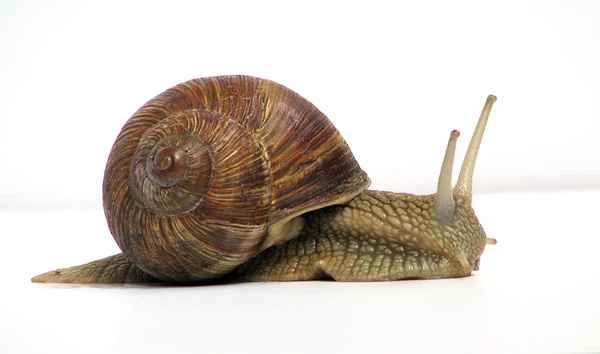
On land, snails are undoubtedly among the slowest animals. These little creatures are known for their leisurely pace. Depending on the species, snails typically move at a speed of 0.021 kilometers per hour (0.013 miles per hour). Their slow movement stems from their unique method of locomotion—gliding along using a trail of mucus. Although their speed appears remarkably slow, snails are efficient at foraging, especially for plants and decaying organic matter.
The slowest mammal: the three-toed sloth
Among mammals, the three-toed sloth is considered the slowest. This sloth moves at a mere 0.05 kilometers per hour (0.03 miles per hour). Compared to the two-toed sloth, the three-toed sloth is exceptionally slow, spending almost its entire life in trees. With less muscle mass and a leaf-eating diet, its slow metabolism allows it to survive on low-energy food. The three-toed sloth is a prime example of a slow-paced lifestyle.
The slowest reptile: Galapagos tortoise
Galapagos tortoises are among the slowest reptiles. These giant reptiles move at a speed of approximately 0.32 kilometers per hour (0.2 miles per hour), much slower than most reptiles. Galapagos tortoises are known for their longevity and slow, steady gait. Despite their slow speed, they can live over 100 years, and their slow movement allows them to survive in the harsh environment of the islands.
How slow is the slowest animal?
So, just how slow are the "slowest animals"? From sloths and turtles to snails, it's clear that slow movement is a survival strategy for these animals. Some of the slowest animals are particularly adapted to their environments, either by avoiding predators or by conserving energy. It's worth noting that slowness isn't always a disadvantage for these creatures; rather, it's often key to their successful survival. Their slowness helps them conserve resources and avoid overexploitation.
Why are some animals so slow?
You might wonder why animals like three-toed sloths and Galapagos tortoises are so slow? The answer lies in their evolutionary adaptations. Many of the slowest animals primarily feed on low-energy foods such as leaves, plants, and algae. This means they don't need to chase prey or move quickly. Their slow metabolism allows them to survive on a low-energy diet. In other cases, slow movement is a defense strategy. For example, sloths move slowly to avoid attracting predators, thus reducing their risk of being preyed upon.
Summary: Exploring the world's slowest animal
While the slowest animals may not win any races, their unique abilities and adaptations make them fascinating creatures. Whether it's the three-toed sloth leisurely living in the trees, the Galapagos tortoise steadily moving, or the snail slowly crawling through the garden, these animals prove that slow and steady wins the race in evolution. The next time you encounter these slowest animals, remember that their slowness is a key reason for their successful survival.