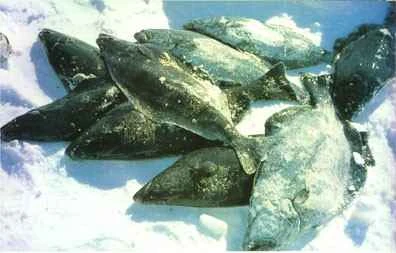
Arctic cod are distributed throughout the Arctic region and are typical cold-water fish; they disappear when temperatures exceed 5°C. They are small to medium-sized fish, with a maximum length of 36 cm, and are one of the important economic fish species in the Arctic region.
In summer, Arctic cod mainly inhabit the edge of the frozen Barents Sea in the Kara region. Juvenile Arctic cod feed on small phytoplankton and zooplankton. As they grow, the size of the plankton they consume gradually increases, and they also begin to prey on small fish.
Arctic cod grow at an astonishing rate in the frigid Arctic. At 3 years old, they average 17 cm in length, 4 years old they reach 19.5 cm, 5 years old they reach 21 cm, and 6 years old they reach 22 cm. Arctic cod can live up to 7 years old.
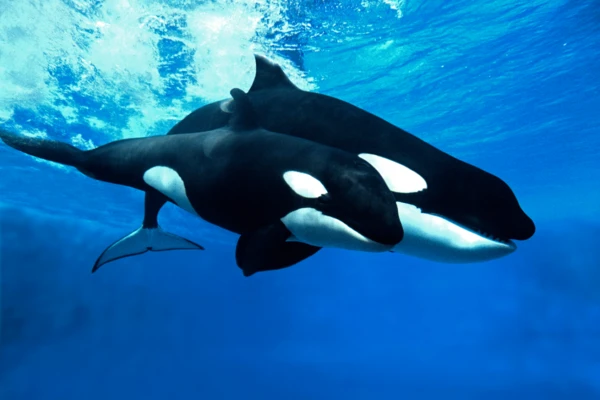
In winter, the liver of Arctic cod accounts for 10% of its body weight and contains 50% valuable fat, making it an important prey for seals, whales, and fish-eating birds. Many land animals, such as polar bears and Arctic foxes, search for Arctic cod blown ashore by blizzards in the fall to make up for the lack of food.