There are 18 species of seals worldwide, with 7 in the Arctic and 4 in the Antarctic. However, Arctic seals are fewer in number than Antarctic seals. All seals in the world have spindle-shaped bodies adapted for swimming, and round heads that resemble those of domestic dogs.
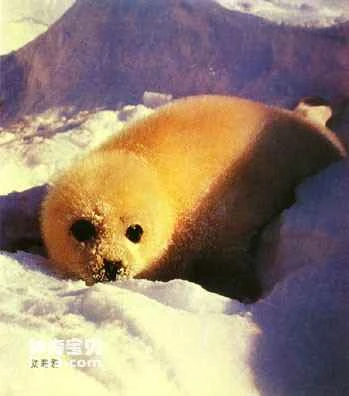
In their natural habitat, seals sometimes swim in the sea and sometimes come ashore in groups to rest. Seals are excellent swimmers, reaching speeds of up to 27 kilometers per hour, and are also adept divers, generally able to dive to about 100 meters. Weddell seals in the Antarctic Ocean can dive to depths of over 600 meters and remain there for 43 minutes.
Seal societies practice polygyny. During the mating season, male seals begin chasing females, with several males often following a single female, but the female can only choose one. Therefore, fighting between male seals is inevitable, with the ferocious seals inflicting severe injuries: biting each other hard, sometimes tearing the fur of males and causing them to bleed profusely. After the fight, the victor goes into the water with the female to mate.
Seal reproduction is characterized by the fact that birthing, nursing, and raising pups must take place on land or ice. After pregnancy, a seal climbs onto the ice to give birth to a pup, nurses it daily, and then carefully cares for it. Because the pup is weak and has limited mobility at this stage, the mother seal carefully observes her surroundings. When she detects danger, she quickly pushes the pup into the water and then dives away to escape. Some seals are quite clever; they often dig a hole in the ice floe where they live so they can escape at any time. Sometimes, in more urgent situations, if there isn't enough time to push the pup into the water, the mother seal cleverly leaps into the air, using her weight to break the ice and escape with the pup. However, more often than not, the mother seal escapes first, then peeks out from a distance to observe carefully. If everything is safe, she quickly returns to the pup. If she sees the pup captured, she often watches its whereabouts with a heavy heart. In fact, the mother seal does this out of necessity, because in the long struggle for survival, if she does not do so, both mother and child will perish, which is very detrimental to the reproduction of the species.
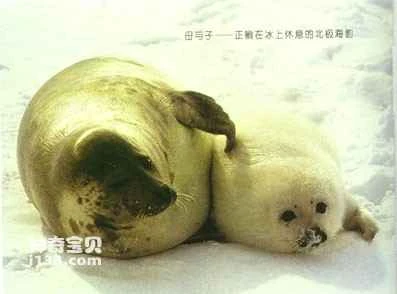
Mother and son love
Seals have extremely high economic value. Their meat is delicious and nutritious, making it a favorite food of local indigenous people. Their tough hides can be used to make clothing, shoes, hats, and other items to protect against the cold. Their fat can be used to extract industrial oils. The testicles, penis, and spermatic cord of male seals are extremely valuable medicinal materials, commonly known as seal kidneys. When combined with other medicines, they are used in traditional Chinese medicine to have special effects such as strengthening the brain and kidneys, promoting sperm production and replenishing blood, and enhancing male virility. Their intestines are a superior material for making musical instrument strings. Their livers are rich in vitamins and are a highly valuable tonic. Their teeth can be used to make exquisite handicrafts.
This is why seals have been severely hunted. In particular, the United States, the United Kingdom, Norway, Canada and other countries send numerous well-equipped seal-hunting vessels every year to hunt seals at sea, resulting in a significant decline in the population of many seals, especially Greenland seals and hooded seals.
Besides hunting, marine pollution is also catastrophic for seals. For example, in the spring of 1988, a horrific incident occurred off the coast of the North Sea in Europe, resulting in the deaths of nearly 18,000 seals within six months. The cause was that marine pollution significantly weakened the seals' immune systems, triggering an epidemic that claimed many seal lives. In recent years, there have been frequent reports of seal deaths caused by marine pollution.