Spain, one of the most biodiverse countries in Europe, has recorded 638 bird species, 589 of which are native. Whether in fields, cities, forests, or alpine wetlands, Spain's birdlife is breathtaking. This article will introduce some of Spain's most representative bird species and their ecological characteristics, helping you understand Spain's rich natural treasures.
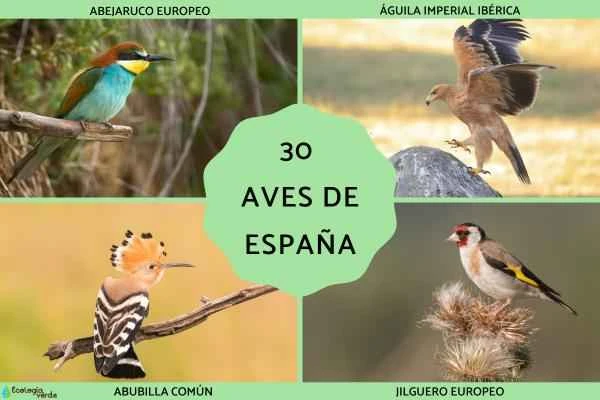
Table of contents
Introduction to representative birds of Spain
More common birds in Spain
Ecological value of bird diversity in Spain
1. Introduction to representative birds of Spain
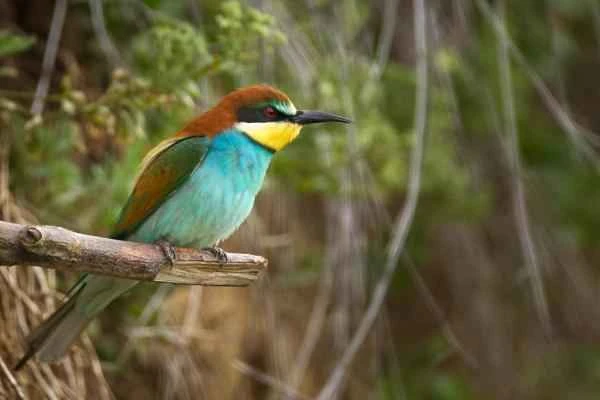
(1) European bee-eater (Merops apiaster)
Bee-eaters are known for their vibrant red, yellow, green, and blue plumage and melodious calls. They primarily feed on bees and other flying insects and are found throughout much of the Iberian Peninsula. As summer migratory birds, they are commonly seen in the Spanish countryside and fields during the spring and summer.
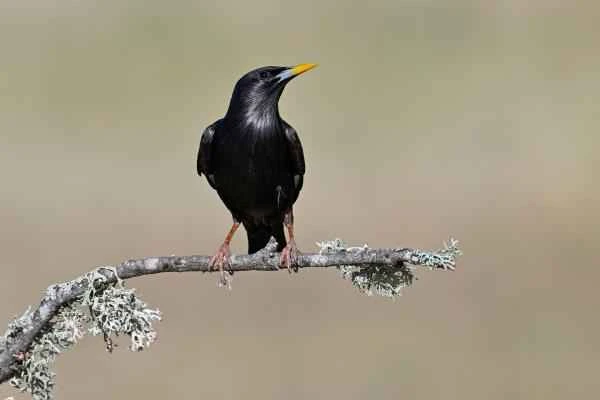
(2) Black Starling (Sturnus unicolor)
One of the most common birds in both urban and rural areas. Its entire body is covered in black feathers with a metallic sheen of green and purple, and it has an exceptional ability to mimic other birds. It has a wide distribution year-round and is highly adaptable.
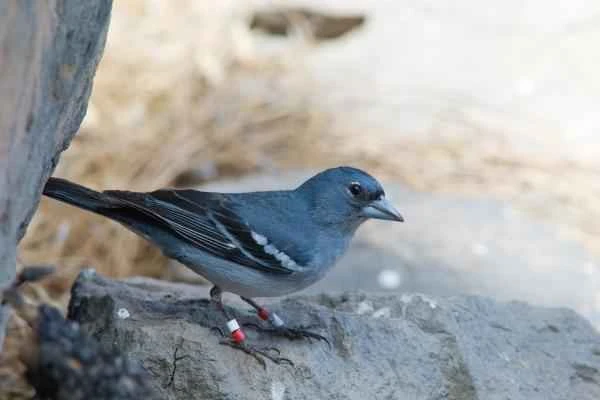
(3) Canary blue tit (Fringilla polatzeki)
A species endemic to the Canary Islands, found only in the Canary pine forests. Males are bluish-grey, while females are brown. Listed as critically endangered due to habitat loss, fires, and climate change.
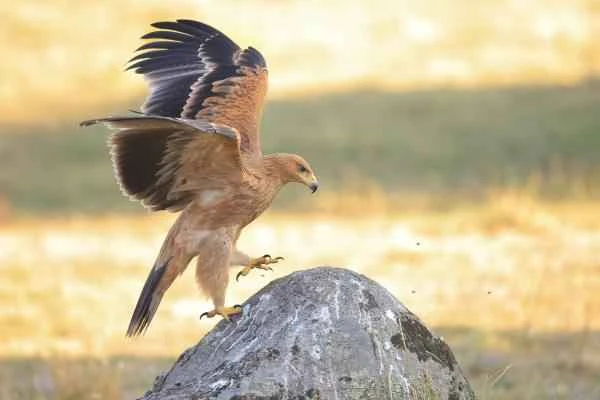
(4) Iberian Imperial Sculpture (Aquila adalberti)
This large bird of prey, endemic to Spain, feeds primarily on hares. Inhabiting highland pine forests and wetlands, it is a symbol of Spanish nature conservation and is listed as an endangered species.
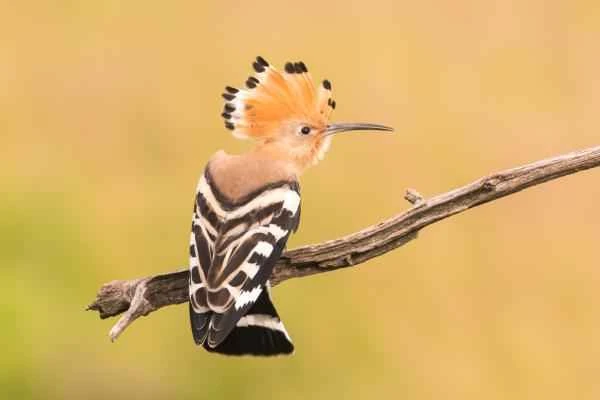
(5) Hoopoe (Upupa epops)
It is known for its orange-yellow crest and long, curved beak. Widely distributed throughout most of Spain, it primarily feeds on insect larvae. Some populations are resident, while others migrate in the winter.
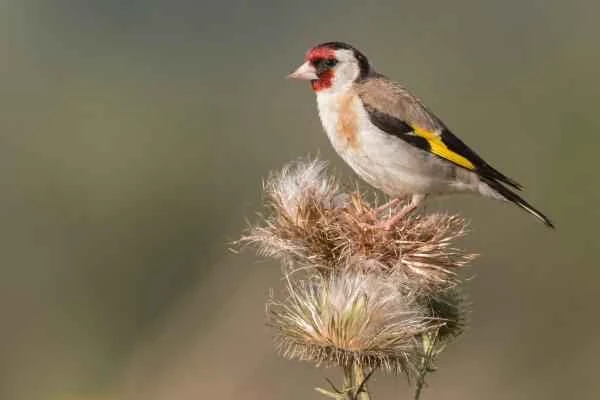
(6) European Goldfinch (Carduelis carduelis)
With vibrant plumage and a red mask on its head, it is a lively bird commonly found in woodlands, gardens, and other environments. It is a small, gregarious bird.
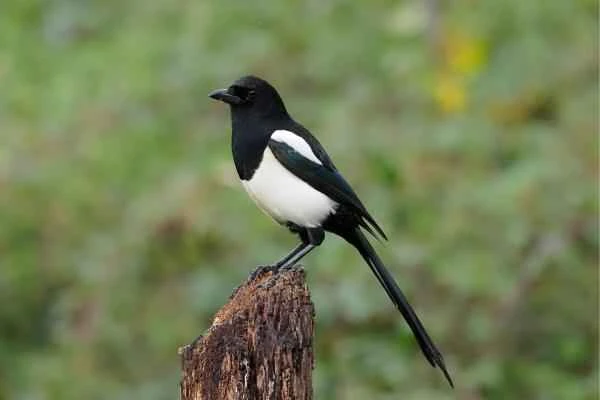
(7) Magpie (Pica pica)
Its black and white plumage, contrasted with its blue-green tail feathers, makes it easily identifiable, and its voice is highly variable. It has an omnivorous diet, is extremely adaptable, and is widely distributed in both urban and rural areas of Spain.
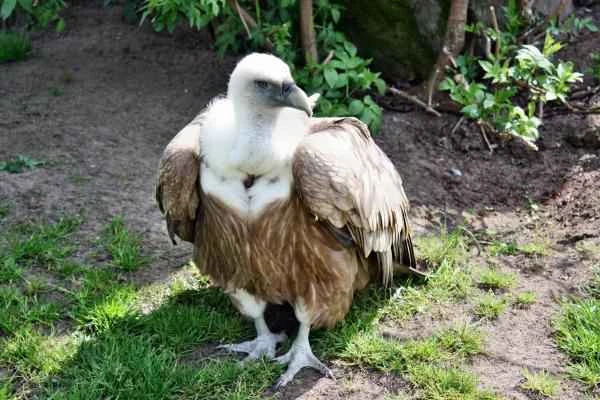
(8) Bearded vulture (Gyps fulvus)
They are enormous, with a wingspan of up to 2.5 meters. Commonly found on mountain cliffs, they primarily feed on carrion and are of significant importance to the health of the ecosystem.
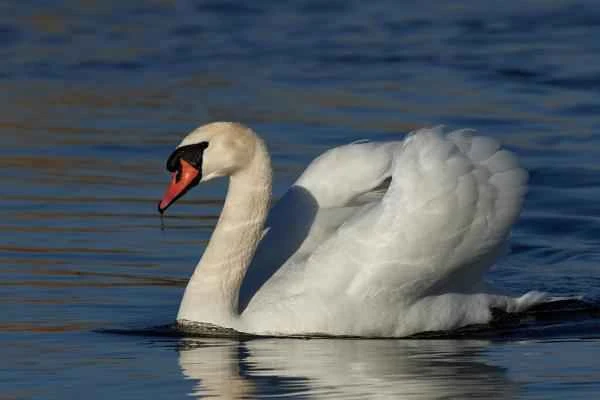
(9) Common Swan (Cygnus olor)
The largest swan in Europe, with a long neck, white feathers, and a black ridge at the base of its beak. It is commonly found in lakes and wetlands, and primarily feeds on aquatic plants.
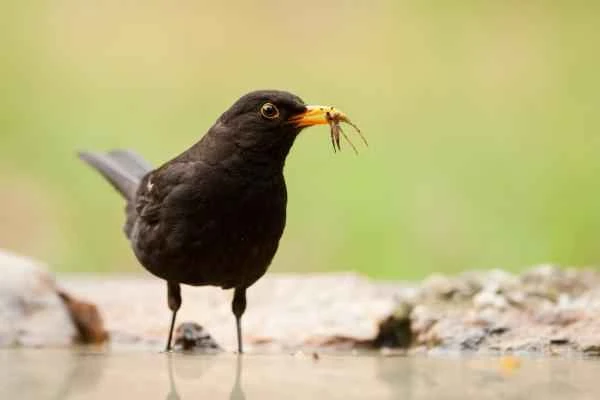
(10) Blackbird (Turdus merula)
A very common resident bird, the male has black plumage and the female has brown plumage. It is distributed in a variety of environments, has a clear and melodious song, and is good at catching ground insects.
2. More common birds in Spain (some examples)
European Common Falcon (Falco subbuteo)
White vulture (Neophron percnopterus)
Eurasian Owl (Otus scops)
Eurasian Lapwing (Vanellus vanellus)
Red Munia (Amandava amandava)
Black Vulture (Aegypius monachus)
Great Lark (Melanocorypha calandra)
Black Swan (Cygnus atratus)
Small Ringed Plover (Charadrius dubius)
Golden Plover (Pluvialis apricaria)
Raven (Corvus corax)
Black-capped Warbler (Curruca melanocephala)
Common pheasant (Phasianus colchicus)
House sparrow (Passer domesticus)
Crested Ibis (Geronticus eremita)
Little Baroli (Puffinus baroli)
Red-breasted duck (Netta rufina)
Tenerife pigeon (Columba bollii)
Red-tailed pigeon (Columba junoniae)
Apus pallidus

3. The Ecological Value of Bird Diversity in Spain
Birds in Spain not only create captivating natural landscapes but also play a vital role in maintaining ecosystem stability, pollination, pest control, and promoting environmental education and ecotourism. Faced with challenges such as climate change and habitat destruction, protecting birds and their habitats has become a crucial issue in ecological conservation.